
How Women Can Plan Cold Weather Support In CO

The answer to “how can women plan support during cold weather in colorado” starts with safe travel, steady care, and trusted people. Set backup plans for rides, child care, and weather disruptions. Share concerns with your care team early, and know where to get urgent or emergency help.
How Can Women Plan Cold Weather Support?
Women can plan cold weather support by naming likely barriers before storms arrive. Start with travel, home needs, care visits, and one trusted contact. The benefits of outpatient treatment include returning home after care, while balancing treatment with daily life takes planning when weather changes routines.
A useful winter plan fits your actual week. Think about early work shifts, school closures, and walks to transit. Notice which tasks depend on one person or one ride. Those weak spots deserve a backup before the forecast turns.
Keep the plan small enough to use while stressed. A short note on your phone may work well. A paper copy helps if your battery dies. Include the people involved, their roles, and a safe way to reach them.
You don't need a substance use diagnosis to seek support. Women’s Recovery provides mental health and trauma care for adult women. Trauma-informed care means attention to safety, choice, and the effects of past harm. A first conversation can help clarify your needs.
The plan should reduce strain rather than add chores. Start with the barrier most likely to interrupt care. Add other steps as needed, with help from your care team. You can call before every detail is settled.
- Choose a trusted person who can check in during major weather disruptions.
- Keep essential care contacts somewhere you can reach without internet access.
- Plan a backup ride that does not depend on unsafe travel.
- Name a safe place to stay if your home loses heat.

What Helps When Snow Disrupts Travel To Care?
A winter travel plan should include a safe primary route and a backup response. Contact the care team when conditions may block attendance, rather than taking unsafe risks. Balancing outpatient treatment and daily life and outpatient care for busy women can help frame practical scheduling needs.
Check road and transit updates before leaving home. Conditions may differ between your neighborhood and the treatment site. Build in time for slow travel and walking on ice. Leave room to change plans when conditions worsen.
A backup response is different from a backup ride. A second driver may face the same unsafe roads. Sometimes the safer step is contacting staff about the disruption. Ask how weather closures and missed visits are handled.
Do not assume remote visits or makeup sessions are available. The team must explain what options apply to your care. A weather call does not replace a clinical visit. Keep both travel safety and treatment needs in view.
Women’s Recovery provides care in Denver, with no onsite housing. Women from other Colorado communities need a realistic travel plan. A nearby town does not have a separate Women’s Recovery facility. Distance and winter conditions matter when discussing fit.
For shared rides, agree on pickup details ahead of time. Decide how you will handle a canceled driver or delayed bus. Keep your phone charged when possible, and dress for time outdoors. Avoid making attendance depend on someone whose help feels unsafe.
If travel problems keep recurring, raise the pattern with staff. Repeated disruptions may call for a broader care discussion. They are useful facts about your needs, not a personal failure.
How Can You Keep Support Steady At Home?
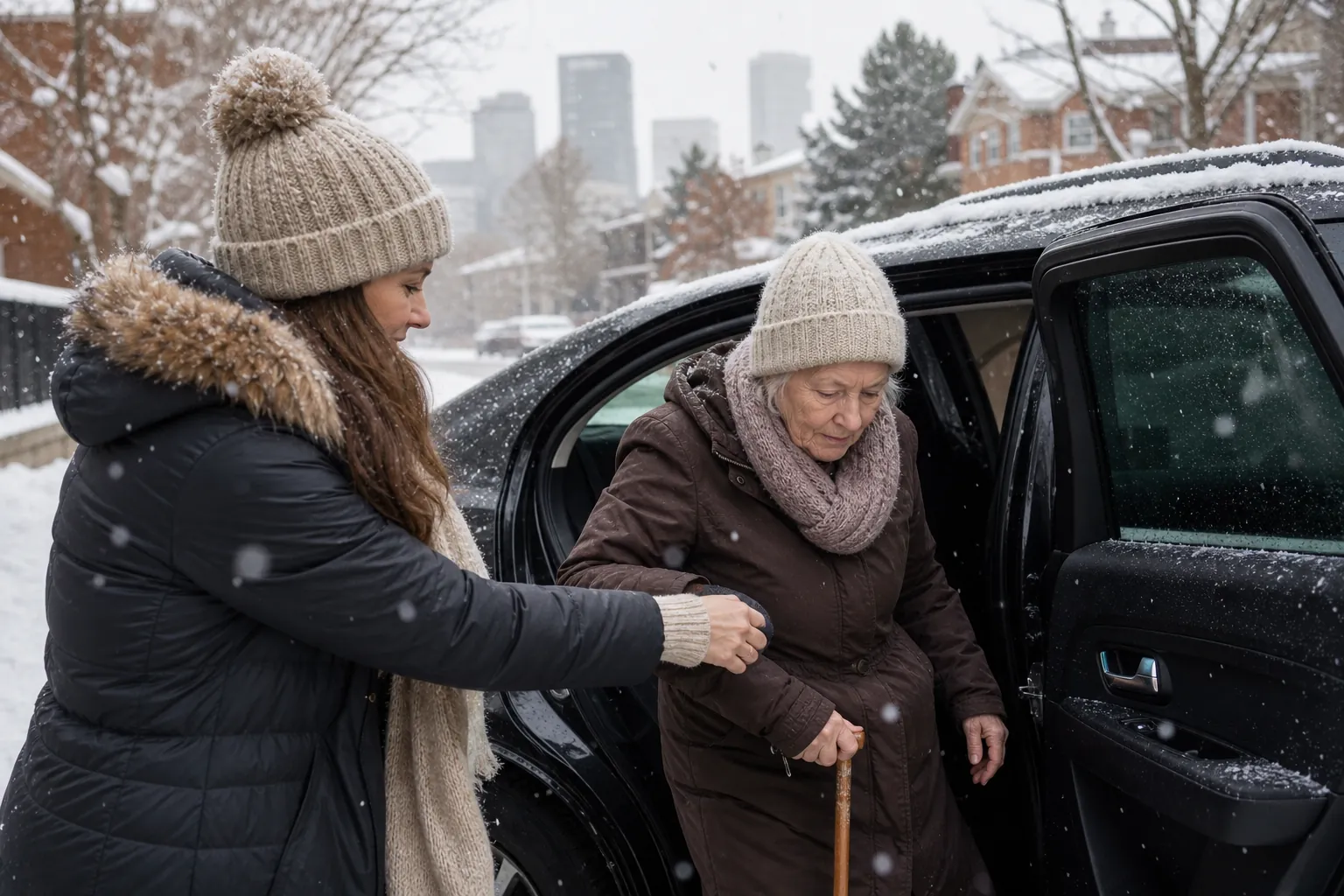
Steady home support comes from small, shared tasks and clear boundaries. Choose help that protects rest, privacy, and access to care. A women’s only outpatient program can provide treatment support, while barriers to mental health treatment may include caregiving demands and limited help at home.
Winter can compress many needs into the same day. A child may be home while your work schedule stays fixed. Poor sleep or a cold home may drain your energy. Try to name the practical problem without blaming yourself.
Ask for specific help rather than broad promises of support. A friend might handle one grocery trip or one pickup. Another person may be better suited to a brief check-in. The person helping does not need your full treatment history.
SAMHSA’s Resources for Families describes ways families can support recovery. Family involvement still needs to fit the person receiving care. You can choose whom to involve and what to share. Support can come from trusted people outside your family, too.
Children and infants are not onsite at Women’s Recovery. Pregnant and postpartum women are welcome, but child care needs separate planning. Discuss that barrier early rather than assuming you must solve everything alone. Staff can hear your needs without promising a child care placement.
Privacy matters when more people are home during storms. You may need quiet time before or after treatment. A boundary can be simple and kind. You can say that you need rest without explaining private health details.
- Arrange backup child care that accounts for school and daycare closures.
- Choose one household task another trusted person can handle during treatment days.
- Set a check-in time that respects your need for rest and privacy.
How Does Your Care Schedule Affect Winter Planning?
Your care schedule shapes how much travel and home support winter requires. Treatment needs should guide the level of care, with practical barriers discussed openly. The benefits of outpatient treatment and keeping treatment on track both depend on a plan you and the clinical team can review.
A level of care means how much treatment support you receive. ASAM’s criteria guide placement through a review of clinical needs. Weather convenience alone should not decide the right level. Share transport, caregiving, and home safety concerns during that review.
Women’s Recovery offers partial hospitalization, intensive outpatient, and outpatient treatment. Partial hospitalization, or PHP, is structured daytime care without an overnight stay. Intensive outpatient, or IOP, offers several treatment sessions each week. Women go home each evening at every level.
Each level includes weekly individual therapy, a case manager, and psychiatric care. Contact with chosen support people is based on consent. These services can help coordinate a winter plan. Individual assessment determines fit, rather than the chart alone.
PHP typically lasts four to six weeks, though individual needs vary. IOP has morning and evening tracks. A track does not establish your personal schedule or current availability. Confirm details with the team before making work or ride commitments.
The center does not provide detox, residential, or inpatient care. Those settings meet different needs and may involve overnight care. A first call, assessment, and admission are separate steps. A conversation about services does not establish admission or a start date.
| Care Level | Usual Weekly Time | Winter Planning Need |
|---|---|---|
| PHP | Twenty-five to thirty hours over five days | Frequent rides and daytime coverage |
| IOP | Nine to fifteen hours across three to five sessions | Repeated travel and backup rides |
| Outpatient | Weekly group plus individual therapy | Protected appointment time |
What If Winter Strains Your Mood Or Recovery?
Changes in mood, sleep, or substance use deserve attention when winter disrupts daily life. Tell your care team about the change rather than judging the cause yourself. Keeping treatment on track may involve adjusting support, while getting past treatment barriers starts with naming what feels harder.
You may notice more isolation or less interest in routines. You might miss meals, sleep poorly, or dread leaving home. These changes do not point to one diagnosis by themselves. A clinician can help sort out what needs attention.
If substance use is part of your care, mention stronger urges. Describe when they happen and what else has changed. The ASAM Criteria describes care planning that responds to a person's needs and progress. A difficult week can be a reason to review support.
Keep expectations modest during a weather disruption. One steady meal, a brief call, or some rest may help. These steps support daily life but do not replace treatment. Avoid treating a missed routine as proof that care has failed.
Do not change prescribed medicines on your own because travel is hard. Contact your prescriber or pharmacist about access concerns. They can explain options that fit your prescription and health needs. Avoid borrowing someone else’s medicine or sharing your own.
Withdrawal from alcohol, benzodiazepines, or opioids can be dangerous and needs medical supervision. Withdrawal means symptoms that can occur when use stops or drops. Women’s Recovery does not provide onsite detox. Discuss recent use and symptoms honestly so the team can consider the right setting.
Worsening symptoms should not be put aside until roads clear. Ask for prompt clinical assessment when concerns grow. Immediate danger needs emergency help rather than a routine scheduling call.
What Should Happen If Your Winter Plan Falls Through?
When a winter plan fails, focus first on safety, then contact the people involved. A canceled ride or closed school calls for a new plan, not blame. Balancing care with daily demands and treatment planning for busy women can help you protect care while handling disruptions.
Start with the immediate problem rather than the whole week. You may need warmth, safe shelter, or a child care change. Solve the most urgent practical need first. Then let the treatment team know what happened.
Keep the message clear and brief. Describe the barrier and any health concern that needs attention. Staff can explain the next steps for your situation. Don't assume silence means a missed visit has been resolved.
A missed day can bring guilt, especially when others rely on you. Try to separate the weather event from your worth. The useful question is what support was missing. That detail can guide a better plan for the next storm.
If the same backup keeps failing, replace that part of the plan. One unreliable ride may need a different approach. Several missed visits may need a wider clinical discussion. Neither situation is solved by simply trying harder.
A case manager can be part of that planning discussion. Describe the barrier even if the solution feels unclear. Help with coordination does not mean every resource will be available. The team still needs to understand what is getting in your way.
- Move to a safe place before handling routine treatment details.
- Tell the care team which barrier has interrupted your planned visit.
- Review the available next steps without assuming a replacement session exists.
- Update the backup plan once the immediate disruption has passed.
When Does A Winter Concern Need Urgent Help?
A winter concern needs urgent assessment when symptoms worsen or safety feels uncertain. Immediate danger needs emergency care, not a routine admissions response. Barriers to getting mental health care should not delay urgent help, and understanding outpatient treatment benefits includes knowing the limits of daytime care.
Call 911 for an emergency or immediate danger, or call 988 for the Suicide and Crisis Lifeline. Crisis support and emergency response serve different needs. Do not wait for admission or a returned office call during immediate danger.
For growing symptoms without immediate danger, seek prompt clinical assessment. A current clinician can help assess changing needs. If you are seeking new care, explain the concern at first contact. Routine admissions hours are not around-the-clock crisis coverage.
Outpatient treatment does not provide overnight monitoring. Women’s Recovery also does not offer inpatient care or onsite detox. Some symptoms require a different setting with more support. An assessment helps determine that fit without placing blame.
Loss of heat or unsafe shelter may create urgent physical needs. Mental health care does not replace shelter or medical response. Focus on getting somewhere safe and warm. Let trusted people know where you are when safe to do so.
Include crisis options in the winter plan before you need them. Keep routine care contacts separate from emergency contacts. A clear distinction can reduce confusion during stress. Your support person should understand that difference, too.
Once the urgent concern has been addressed, review ongoing care needs. Share what changed during the weather disruption. The team can use that information during assessment and planning. The goal is a workable next step, not a perfect winter.
Questions about next steps? Call Women’s Recovery at 833.754.0554 or review the Women’s Recovery admissions process.
Frequently Asked Questions
Can I seek support without a substance use diagnosis?
Yes, a substance use diagnosis is not required to contact Women’s Recovery. The primary focus is mental health and trauma care for adult women. You can discuss mood, stress, past harm, or trouble managing daily life. An individual assessment helps determine fit and may point toward a different setting when needed.
Are pregnant or postpartum women welcome during winter?
Yes, pregnant and postpartum women are welcome at Women’s Recovery. Children and infants are not onsite, so care visits require a separate child care plan. Share pregnancy, postpartum needs, and travel concerns during assessment. The team can discuss fit without promising a specific schedule, service opening, or start date.
Can a friend help without receiving my private treatment details?
Yes, a friend can help with rides, meals, or check-ins without receiving your treatment history. You decide what to share in personal conversations. Women’s Recovery uses consent-based contact with chosen support people. Discuss what staff may share and any privacy concerns with the team, especially if someone’s involvement feels unsafe.
What happens after benefits review?
After a benefits review, clinical assessment and admission decisions remain separate steps. Reviewing benefits does not establish coverage, final cost, or admission. Weather-related schedule concerns also need discussion with the care team. Avoid making firm work, travel, or child care commitments based only on an initial insurance conversation.
Does living outside Denver rule out seeking care?
Living outside Denver does not prevent an initial conversation about care. Women’s Recovery provides services in Denver, not at additional facilities in surrounding communities. Assessment must consider clinical fit and practical travel needs. Frequent winter travel may create barriers, so describe distance, road concerns, and reliable ride options early.
Sources
- Resources for Families, SAMHSA
- Drug Use and Addiction, National Library of Medicine (NIH)
- The ASAM Criteria, American Society of Addiction Medicine
Call 833.754.0554 to talk through next steps.