
FOR CLINICIANS AND REFERRAL PARTNERS
Refer a client to women’s PHP, IOP and outpatient care in Denver.
A trauma-integrated team for your client.
Women-only PHP, IOP and outpatient care for mental health, trauma and co-occurring substance use. We assess level of care and coordinate with outside providers with client consent.

CARF Accredited · LegitScript Certified · Licensed by the Colorado Behavioral Health Administration · NAATP Member · Insurance and benefits
CLINICAL FIT
Who we are built for.
We assess women 18 and older who are medically and psychiatrically stable enough to return home each evening. Mental health or trauma may be the primary concern, with or without a substance use diagnosis.
- Complex trauma, PTSD and dissociative presentations.
- Anxiety, depression, mood concerns and burnout.
- Co-occurring substance use, ADHD and perinatal presentations.
- A need for more structure than a weekly session can provide.
- We are not a medical detox, residential or inpatient program.
THEORETICAL ORIENTATION
Our clinical model.
Women’s Recovery organizes care using its RICC framework: Regulate, Integrate, Cognition and Choice. Clinicians may draw on TIST, IFS and parts work, attachment and somatic approaches, interpersonal process groups and psychiatric care according to assessment. RICC describes our program’s sequencing; it is not a validated standalone treatment or a claim of superiority.

CLINICAL SAFETY
How we hold complex clients.
Paced trauma work
Clinicians assess readiness and use grounding and regulation rather than requiring immediate disclosure of traumatic material.
Dissociation in group
Facilitators monitor participation and support orientation and safety; individual planning addresses needs that cannot be met in a group.
Risk assessment
PHQ-9, GAD-7 and PCL-5 are collected at admission and every two weeks. C-SSRS is used when suicide risk changes.
Medication and psychiatric care
Psychiatric care is available within the program, including assessment of ADHD and perinatal concerns as clinically indicated.
PARTNERSHIP
We work with the relationship you have built.
With a signed release and the client’s consent, our team coordinates with her outside therapist and other providers. We discuss clinical goals, changes in level of care and transition planning on a schedule appropriate to her care. Communication timing follows her clinical needs and agreed care plan.
LEVELS OF CARE
The level is based on assessment.
At every level, a woman has weekly individual therapy with a primary therapist, an assigned case manager and access to psychiatric care. Family and outside-provider contact is coordinated with her consent. PHP, IOP and outpatient schedules differ; assessment determines the appropriate entry point and changes in level of care.
PHP · 25–30 hours a week
Our most structured outpatient level. A typical course is four to six weeks, individualized to clinical need. Clients go home each evening.
PHP details →
IOP · 9–15 hours a week
Three to five three-hour sessions weekly, with morning or evening tracks. A session may pair 90 minutes of process group with 90 minutes of curriculum. A typical additional course is nine to twelve weeks, individualized. An assessed client may enter IOP directly.
IOP details →Outpatient
Weekly 1.5-hour group plus individual therapy, with treatment planning around current needs.
Outpatient details →MAKE A REFERRAL
Begin with a clinical conversation.
Taylor Ross, MSW, our Clinical Outreach Liaison, can talk through program fit with a referring clinician or help a family begin a conversation. Contact admissions to be connected with her.
1 · Call admissions
Call 833.754.0554 to discuss presenting concerns and whether an assessment is appropriate. Share protected information only through an approved channel.
2 · Assessment and benefits
We assess fit and level of care, and verify plan benefits. Benefits verification typically takes 2–3 hours, but is not guaranteed.
3 · Coordinate with consent
With a signed release, the team can coordinate care and transition planning with you. The client and admissions agree on start timing.
Clinical leadership.
Meet our clinical and consulting team. Learn more about each person in her staff profile.
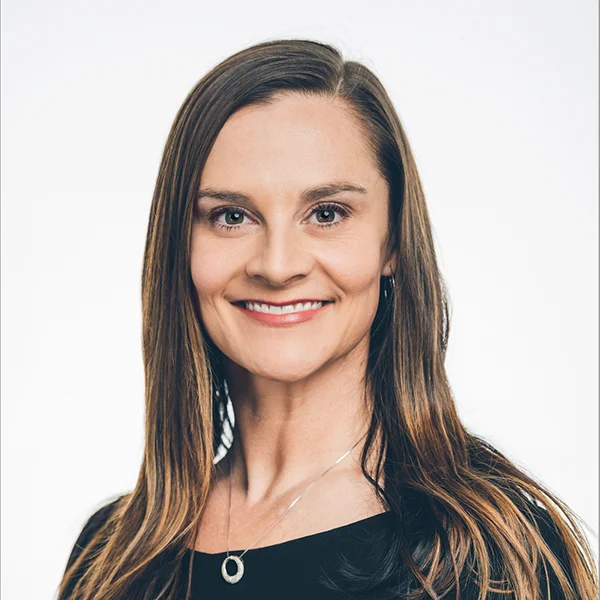
LaTisha Bader, Ph.D., LP, LAC, CMPC
Chief Clinical Officer
Read profile →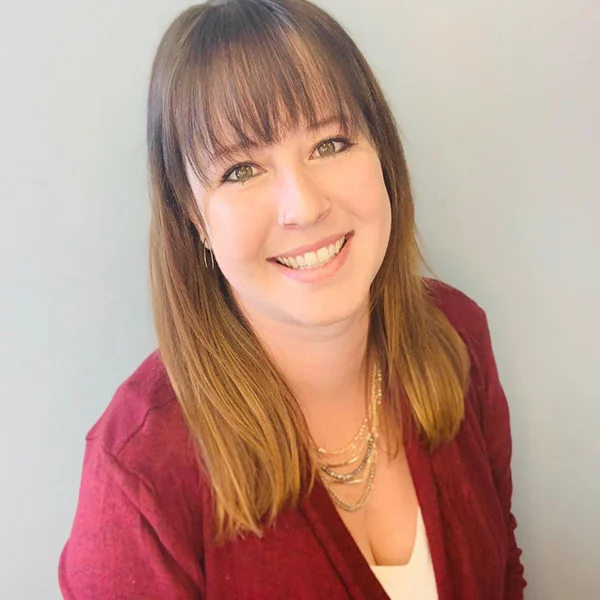
Amanda Miller, LCSW, LAC
Clinical Director
Read profile →
Maren Masino
Trauma Specialist and Clinical Consultant
Read profile →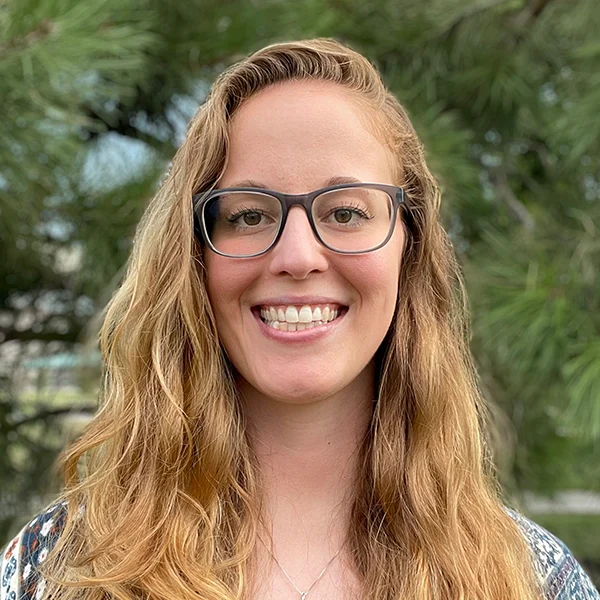
Kathryn “Katie” Tombridge, LPC, LAC
Lead Clinician
Read profile →Referral questions.
Do you accept women without substance use concerns?
Yes. Mental health and trauma may be the primary reason for care. Assessment guides the plan.
Can a client enter IOP without PHP first?
Yes. A client may enter IOP directly when assessment indicates it is appropriate.
Will you coordinate with the existing therapist?
Yes, with client consent and a signed release. Coordination follows clinical need rather than a fixed contact deadline.
Do you offer EMDR?
No. We do not currently offer EMDR. We can discuss the approaches available in the program and coordinate with outside providers when appropriate.
How are outcomes monitored?
PHQ-9, GAD-7 and PCL-5 are used at admission and every two weeks. C-SSRS is used when suicide risk changes; measures are interpreted in clinical context.
If you can't believe that yet, borrow my hope. Just long enough to find your own.
Women’s Recovery graduate