


Original article
Outpatient addiction treatment for women can provide continuing structure, while an Intensive Outpatient Program (IOP) for women offers a more concentrated level of outpatient support.
Addiction wreaks havoc on every part of a person’s life. Their physical and mental health suffers, they may get into legal or financial trouble, which can damage their relationships and social life. Many people need treatment to overcome their addiction but may not get the help they need. Unfortunately, many must overcome a range of barriers to getting treatment, including not taking time away from their work or family. In this case, outpatient addiction treatment offers the chance to receive high-quality care without significant disruptions to their lives and schedules.
If you or a woman you care about requires addiction treatment or support in recovery, please reach out to the staff at Women’s Recovery. We offer a variety of programs to give women life-changing care throughout their journey with addiction. Call us today at 833.754.0554 to learn more, or fill out an online intake form here.

What Is an IOP?
An intensive outpatient program, or IOP, is a type of treatment and support program that can address various mental health issues and substance use disorders. Most IOP programs require patients to attend treatment three to four days a week. During treatment, they may spend between 6 to 30 hours a week receiving addiction treatment therapies. Additionally, attending an IOP requires you to commit to following a strict schedule of classes, therapy sessions, and workshops, but you can return home at night.
This level of care is right for people who have completed an inpatient treatment program or those who do not require supervised detox. Participants are usually encouraged to attend 12-step meetings in addition to the time spent in the IOP. Unlike residential or inpatient treatment, attending an IOP lets people return home. Many people can continue to work or attend school while getting treatment in an IOP.
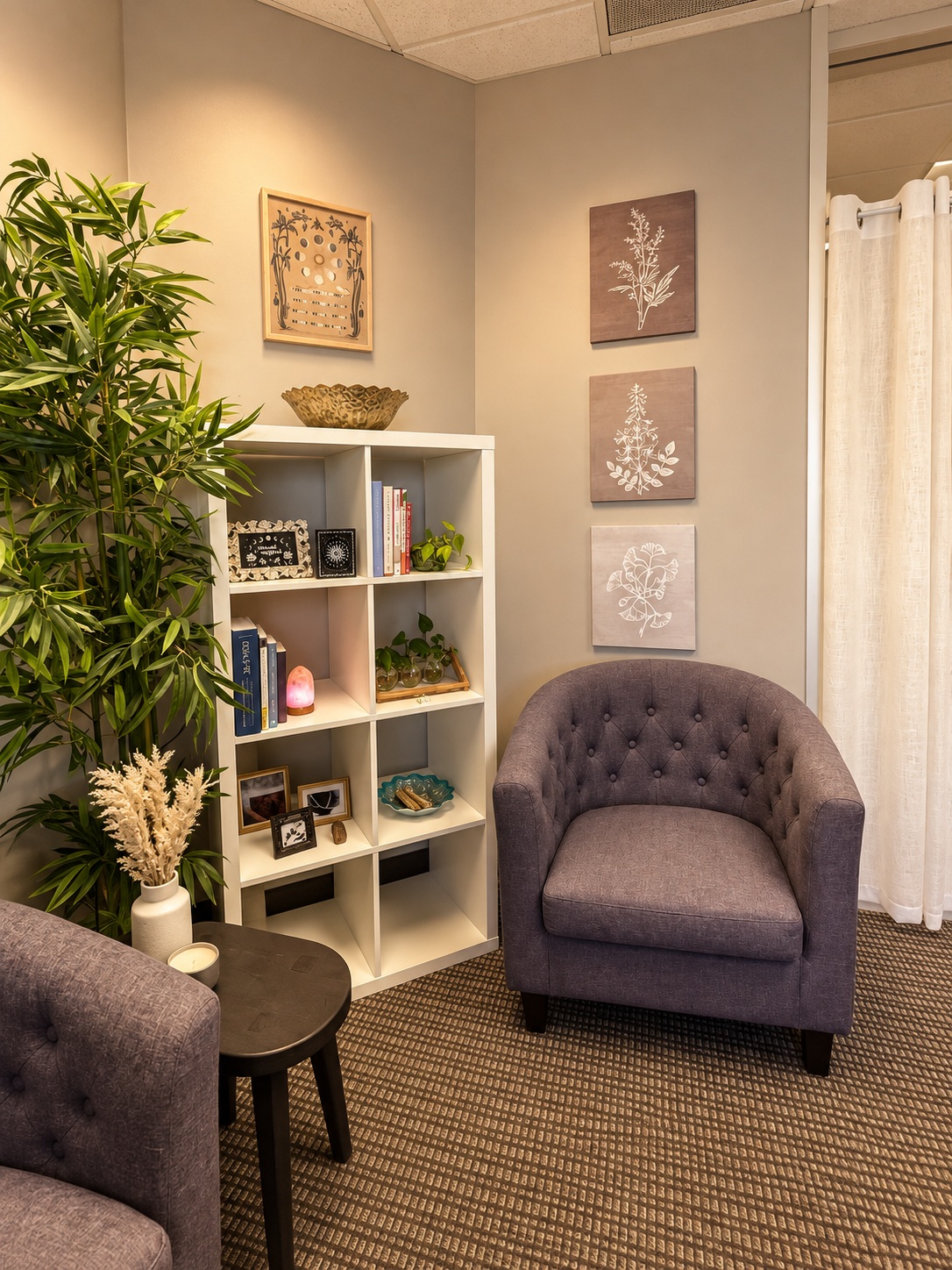
Benefits of Outpatient Women’s treatment Programs
Getting treatment for addiction while staying active in your daily life offers many people the best of both worlds. Some of the many benefits of outpatient treatment programs include:
- High-quality treatment
- Adaptable programs
- Lower cost than inpatient treatment
- Maintain employment
- Less disruption to family life
For many people, outpatient care offers a good balance between their home life and treatment.
Choosing the Right Level of Care
Outpatient treatment can be an excellent option for many people. For some, it can be their first step in recovery. For others, it is a great way to continue their work after completing an inpatient program. Starting in outpatient care might not be right for people, including those who:
- Have intense or constant cravings
- Live with people who are still using drugs or drinking
- Do not have stable housing
- Have complex medical needs
- Require dual diagnosis treatment
Inpatient and outpatient treatment programs can both lead to positive outcomes. Choosing the right level of care for your unique situation is the most important thing. Talk to your medical or addiction professionals to help you determine which level of care is most likely to work for you.

Learn More About Women’s Recovery
If you’re ready to seek treatment, reach out to the staff at Women’s Recovery for more information about our programs. We believe that women should be able to overcome addiction to live the fulfilling, healthy lives they deserve. Each of our programs is adaptable to offer women supportive treatment, no matter their unique situations. In addition to our outpatient addiction treatment programs, we offer:
- Alcohol addiction treatment
- Heroin addiction treatment
- Opioid addiction treatment
- Prescription drug addiction treatment
- Benzodiazepine addiction treatment
Do not wait another day to get the life-changing treatment you need and deserve. Call us today at 833.754.0554 or fill out an online intake form here.