
The story of Women’s Recovery
Women don’t need to be managed. They need to be understood.
It started with what wasn’t working.
Holly Macek founded Women’s Recovery in 2017 with a conviction: women need to be understood as people, with their histories and daily lives included in care. The program grew from listening to women who wanted room for their full experience, beyond a behavior or a diagnosis.
That listening continues. A woman may be managing work, caregiving, a relationship, grief or a long history of keeping distress private. We ask what has become difficult, what she has already tried, and what she hopes will change. Her answers help shape the assessment and the plan.
Then we listened, for years.
Hundreds of women told us some version of the same sentence. We watched women take the substance out of their lives and still be in pain. Knowing wasn’t the problem.
Women’s Recovery began with a question: what has this particular woman been carrying, and what support does she need now?

“I’ve done therapy for years. I have the insight. The changes just won’t stick.”
That sentence changed how we work.
We listen to her history, her relationships, the pressures of daily life and the patterns she wants to change. Drinking, shutting down or pushing through may have helped her cope at some point. That possibility is a starting question, not a diagnosis or an explanation we impose. Assessment considers mental health, trauma, substance use, medication, safety and the woman’s own goals together.
We make room for the body as well as conversation. Women may notice tension, restlessness, fatigue or a sense of being disconnected, and may find it useful to explore those experiences with a clinician. Noticing a sensation does not prove its cause; it offers another part of the picture to discuss.
The foundations of our work →A framework shaped by what women needed.
That work became RICC: Regulate, Integrate, Cognition, Choice.
RICC, Regulate, Integrate, Cognition, Choice, gives our team and clients shared language for this work. It is the framework used at Women’s Recovery, with areas that can overlap and be revisited. It is not a required biological sequence. Care is paced around assessment, safety, readiness and each woman’s needs.
Explore our clinical modelThe story in more detail
The longer account of how the model developed, in Women’s Recovery’s own words.
Where We Started
Holly Macek founded Women’s Recovery in 2017 with a conviction: women need to be understood as people, with their histories and daily lives included in care. The program grew from listening to women who wanted room for their full experience, beyond a behavior or a diagnosis.
That listening continues. A woman may be managing work, caregiving, a relationship, grief or a long history of keeping distress private. We ask what has become difficult, what she has already tried, and what she hopes will change. Her answers help shape the assessment and the plan.
Women’s Recovery now provides women-only outpatient care in Denver through PHP, IOP and outpatient treatment. These are different levels of structure, with recommendations based on assessment. Women attend care and return home; we do not provide detox, residential or inpatient treatment.
The Trauma Turn
Women told us that understanding their patterns did not always make daily life feel easier. Trauma and mental health became central to how we organized care, alongside substance use when it was part of the picture. A woman does not need a substance use diagnosis to ask for help here.
Our Symptoms Are Solutions approach asks whether a pattern has been helping someone manage distress, protect herself or get through difficult circumstances. We also look at the harm it may be causing now. We do not assume every symptom comes from trauma or that there is one explanation for every woman.
Women can discuss difficult experiences at a pace that respects their choices and clinical needs. Individual therapy, group work and psychiatric care offer different ways to explore concerns. Safety, functioning and current support matter alongside a person’s history.
Relationships are part of that picture. Care can include noticing how someone asks for help, sets a boundary or responds to conflict, then trying a different response with support. Family involvement and coordination with outside clinicians depend on need, consent and the treatment plan.
The Body Enters
We make room for the body as well as conversation. Women may notice tension, restlessness, fatigue or a sense of being disconnected, and may find it useful to explore those experiences with a clinician. Noticing a sensation does not prove its cause; it offers another part of the picture to discuss.
Regulation work can include grounding, practical coping and learning to notice what helps when distress rises. Reflection and insight remain part of care. Within RICC, these areas can overlap rather than following a fixed neurological order.
Somatic and complementary practices support the clinical program. Their role is discussed in the context of each woman’s needs and preferences. We do not present them as guaranteed ways to repair trauma, change brain structure or replace psychiatric care or individual therapy.
The plan is revisited as treatment continues. At every level of care, women have weekly individual therapy, case management and psychiatric services, with family involvement and outside-provider coordination when appropriate and consented to. The goal is to connect work in treatment with the choices and supports available in daily life.
Explore AcuDetox with Lenka Robitaille.
Complementary Practices in Care
Some women find movement, sound-based activities, writing or other complementary practices useful alongside clinical work. These offer additional ways to participate when conversation is difficult, or to notice a feeling, a preference or a pattern. The team considers them as part of an individual plan.
These activities are experiences within the program. We do not promise a specific biological mechanism or clinical outcome from a complementary practice. They are not substitutes for assessment and evidence-informed treatment planning.
Participation should make room for a woman’s preferences, comfort and safety. She can bring questions to her clinician about what an activity involves and how it fits her care. What is helpful for one person may not be helpful for another, and no single practice is required to explain how healing happens.
Learn about Crystal Girouard’s work.
What Empowering Women to Heal Actually Means
Empowering women to heal is a commitment to how we work with people. A woman brings knowledge of her life; clinicians bring assessment, treatment skills and a responsibility to consider safety. The plan is a conversation between them, with choices explained and goals made specific.
For one woman, a goal might be asking for help before she reaches a crisis. For another, it may be making room for grief, taking medication questions to a psychiatrist, or practicing a boundary in a relationship. These are examples of goals someone might discuss, not outcomes we promise or requirements for everyone.
We track progress together. Women complete PHQ-9, GAD-7 and PCL-5 assessments at admission and every two weeks during treatment. Those measures sit alongside the woman’s experience, clinical assessment and functioning in daily life. Risk is assessed when clinical concerns or circumstances change.
Length of care is individualized. An assessment may recommend PHP or direct entry to IOP. PHP provides 25–30 hours per week and typically lasts four to six weeks. IOP provides 9–15 hours per week and typically continues for an additional nine to twelve weeks. The 13-week RICC curriculum is not a promise of a fixed stay.
The work can include setbacks and questions as well as progress. We do not promise that a woman will leave symptom-free or that the past will no longer affect her. We aim to offer clear information, steady support and room for her to make choices about what comes next.
We ask what a pattern has been helping you manage.
Symptoms Are Solutions.
We explore what a pattern may have helped someone manage, alongside its current effects.
Regulation and insight both matter.
We make room for grounding and reflection, paced around individual needs.
Relationships matter.
We offer space to notice patterns, practice boundaries and seek support.
You are the expert on your life.
We walk alongside you. We do not prescribe your path.
No one heals by being made smaller.
No shaming, no punishment, no humiliation.
Our leadership

Holly Macek
Founder
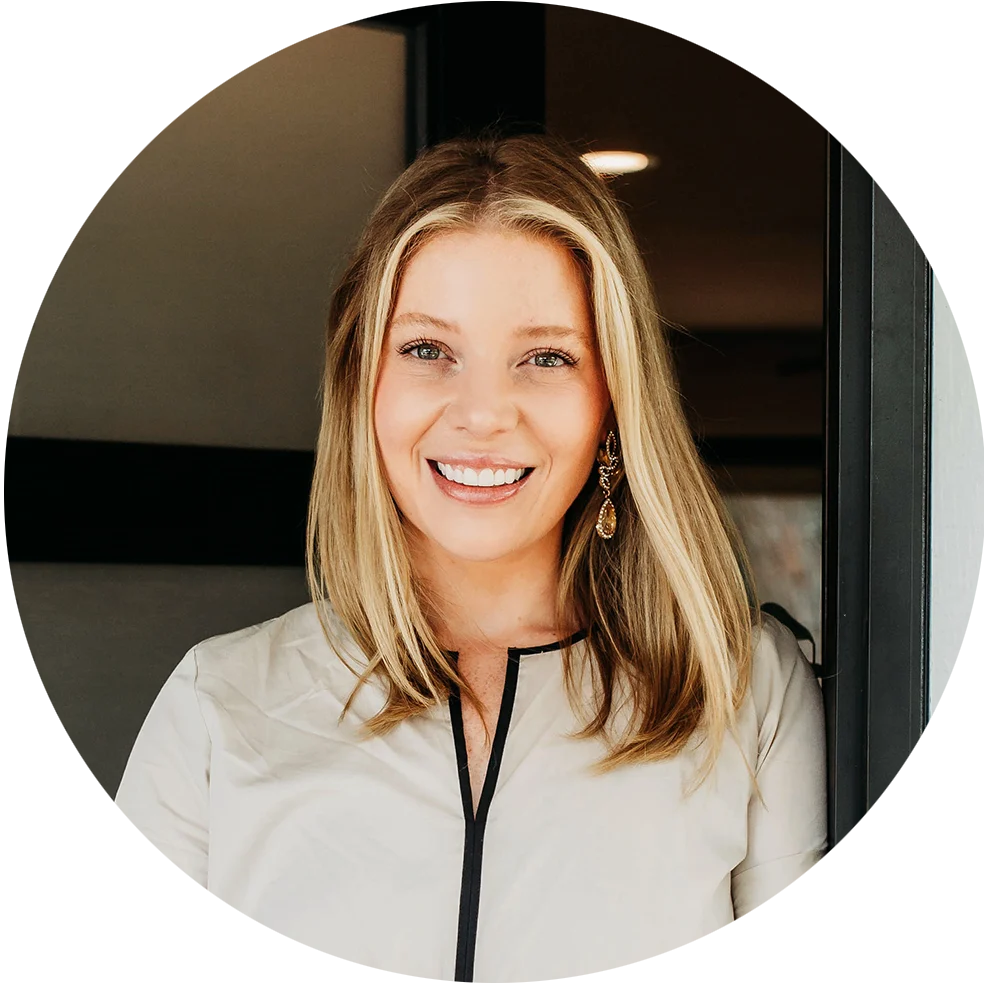
Donna Cheramy
Executive Director
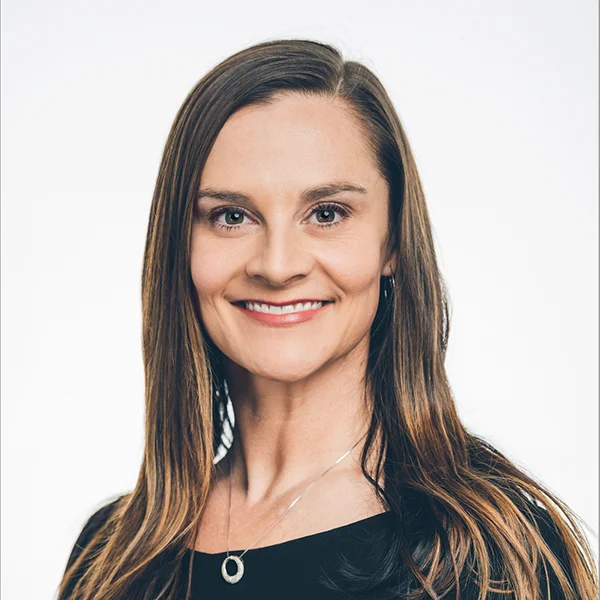
LaTisha Bader
Chief Clinical Officer
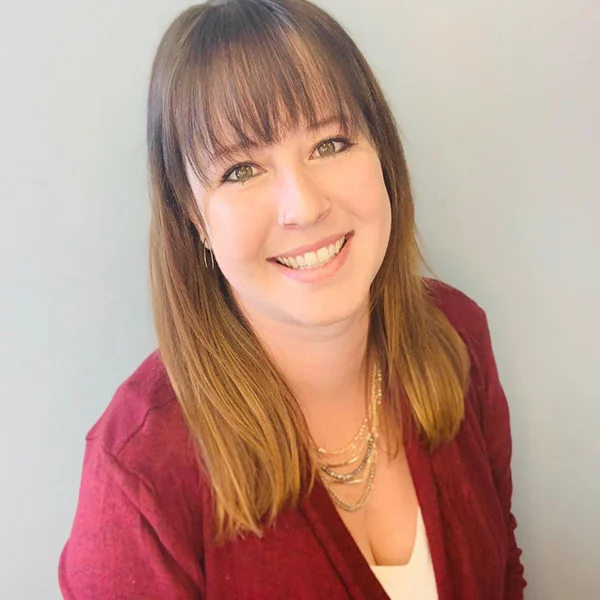
Amanda Miller
Clinical Director
How we measure progress
We measure what matters. Every woman completes standardized assessments for depression (PHQ-9), anxiety (GAD-7), and trauma symptoms (PCL-5) at admission and every two weeks in treatment. Progress is something we track together.