
Denver's women-only program for mental health, trauma and substance use.Call Admissions 833.754.0554
Call 833.754.0554Verify Insurance

Cannabis and cannabinoids use treatment for women in Denver

Your symptoms made sense. We treat what they were managing.

If cannabis and cannabinoids is part of what you’re carrying, we start with mental health and trauma. Healing begins in our Partial Hospitalization Program: a focused day of care, and home every night.

Call Women’s Recovery at 833.754.0554 when you want a respectful, conversation about what has been happening.

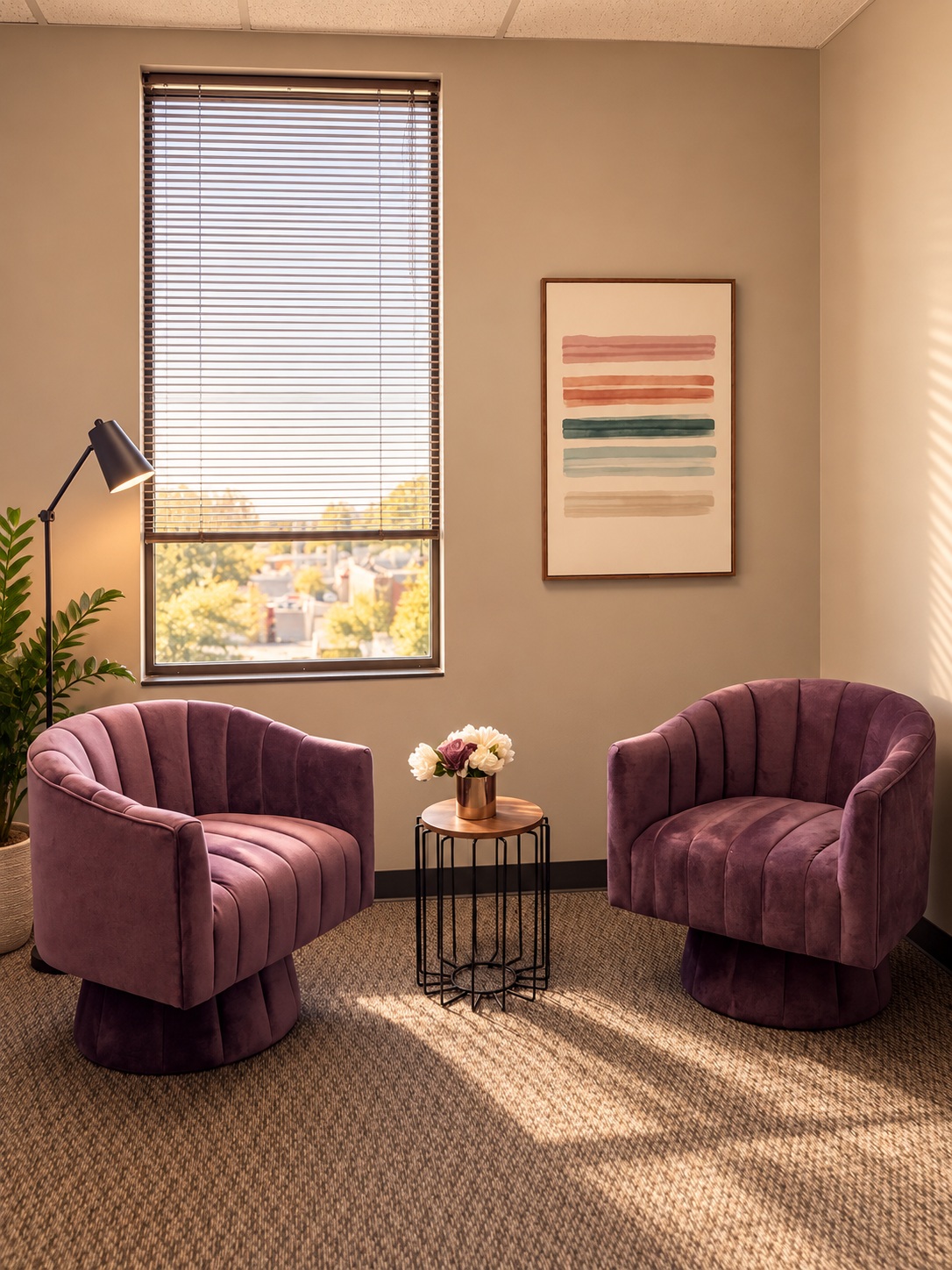
Plum armchairs beside a window table

A look at our space

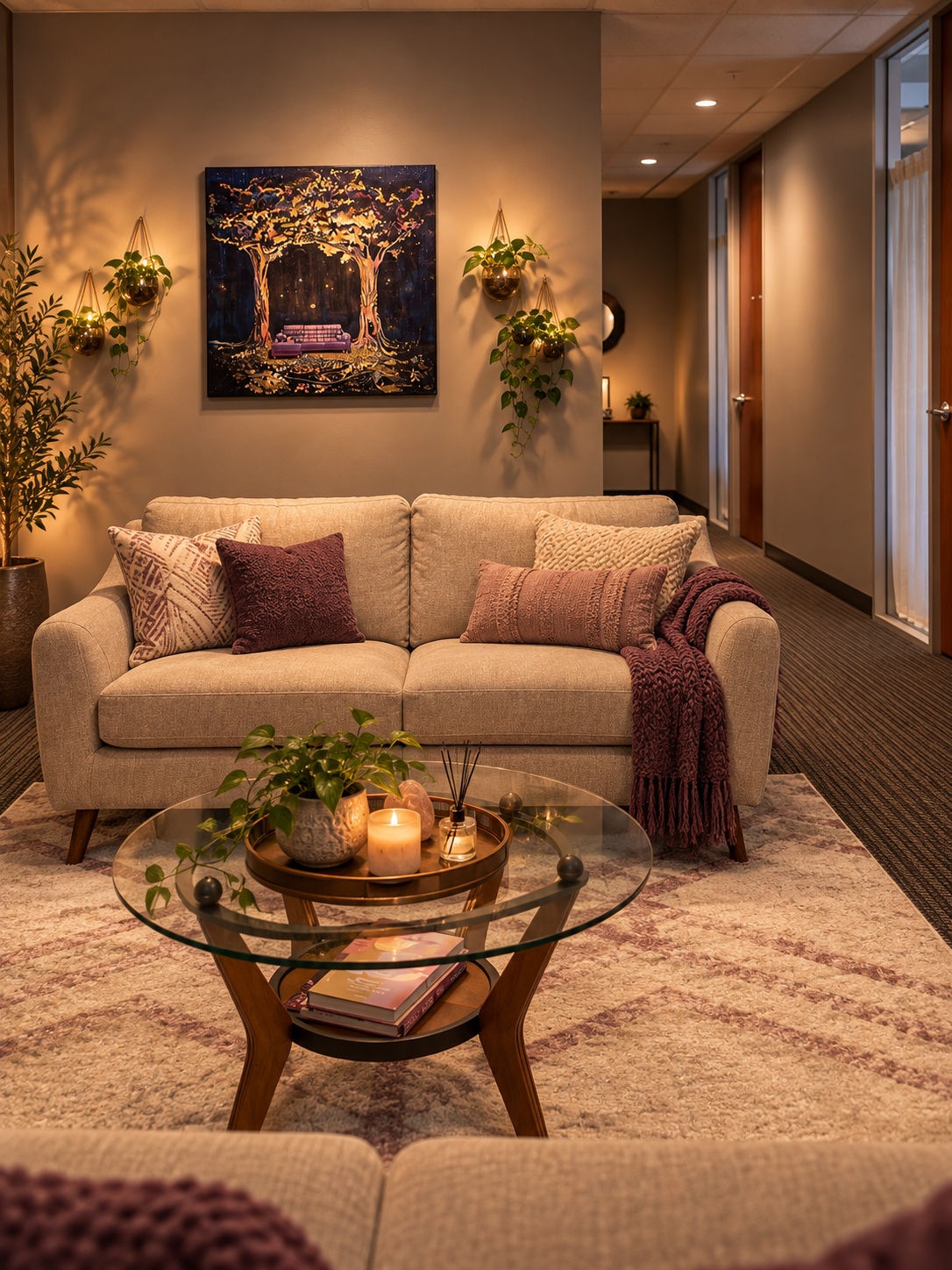
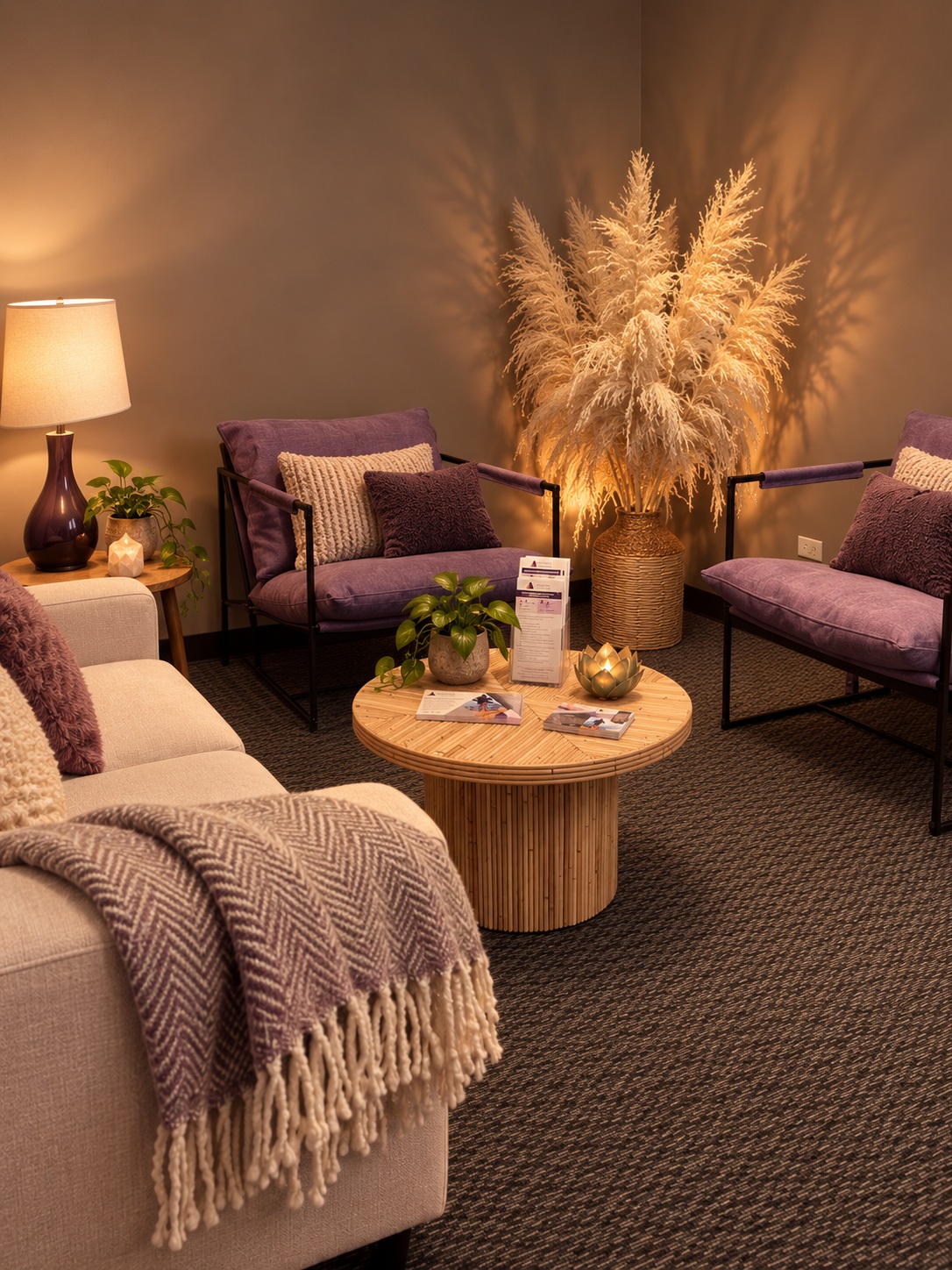
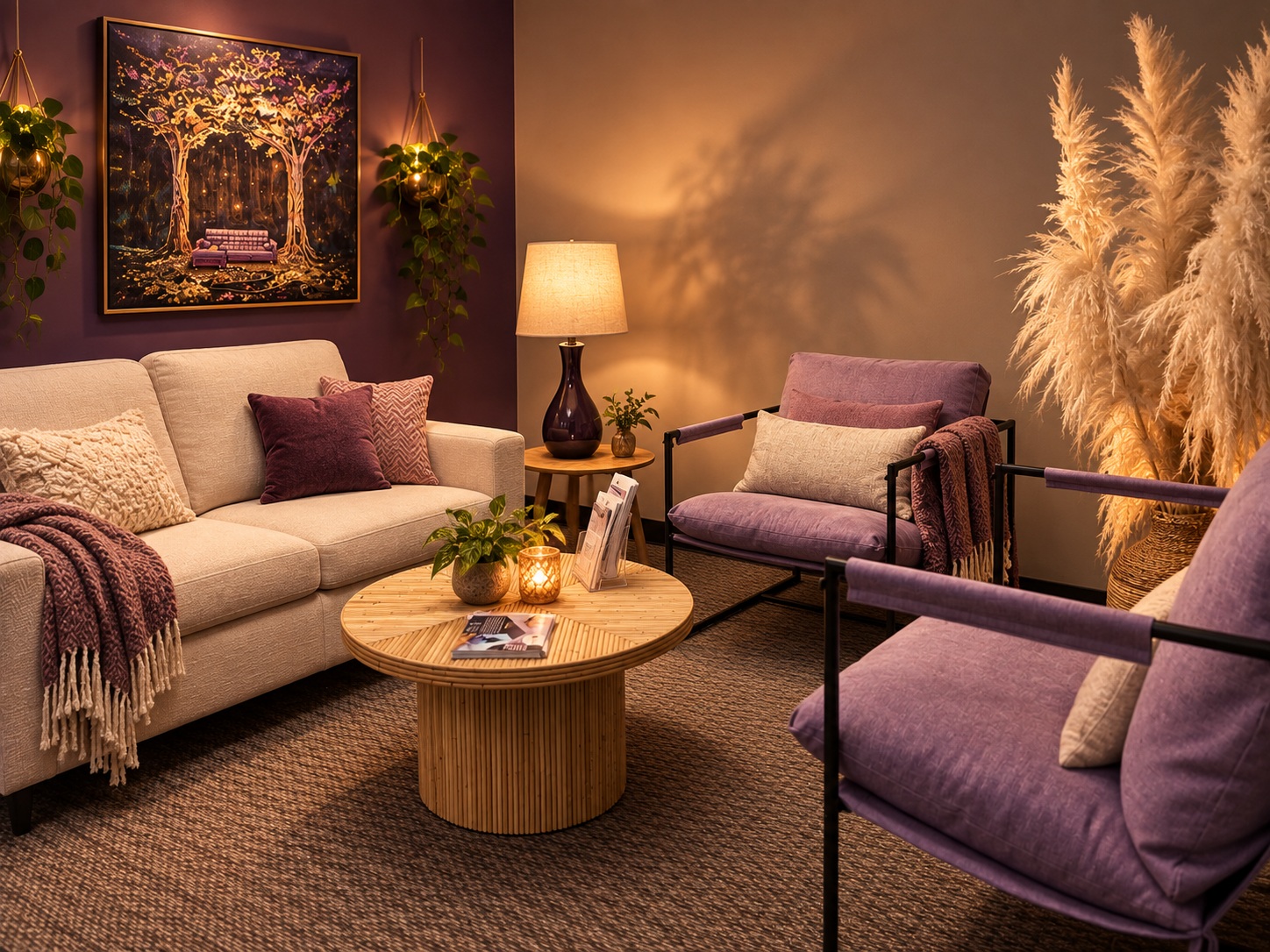
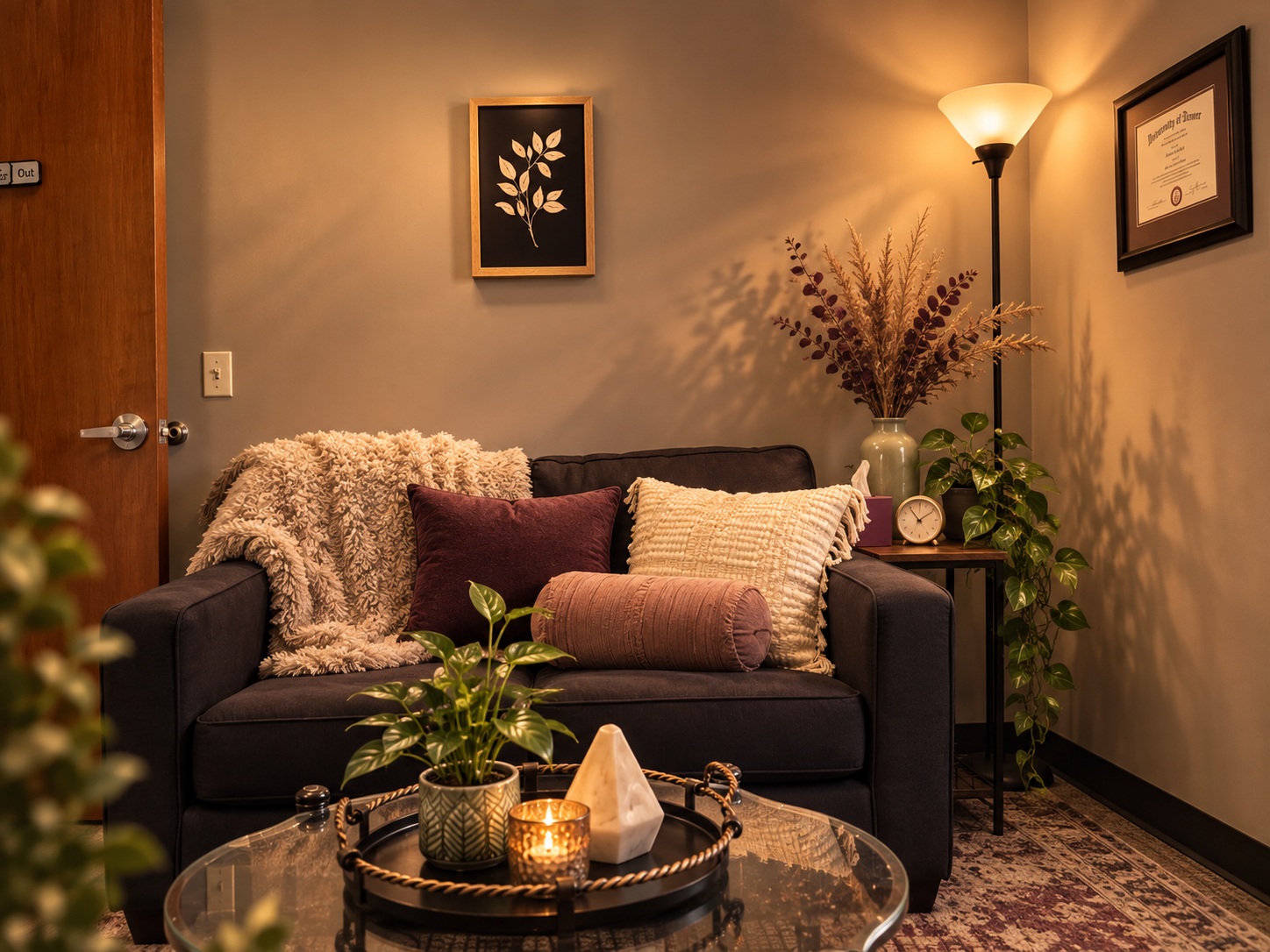
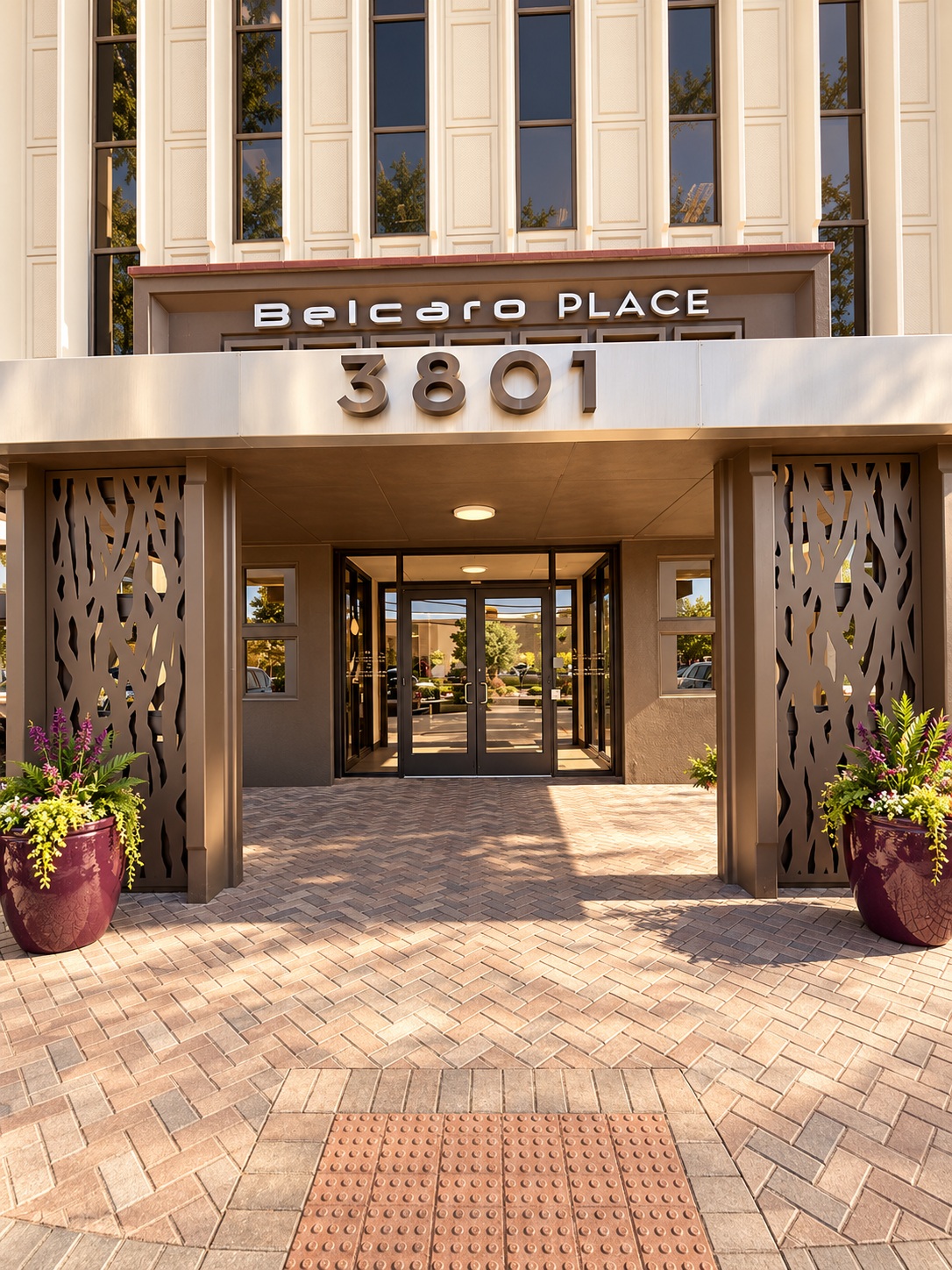
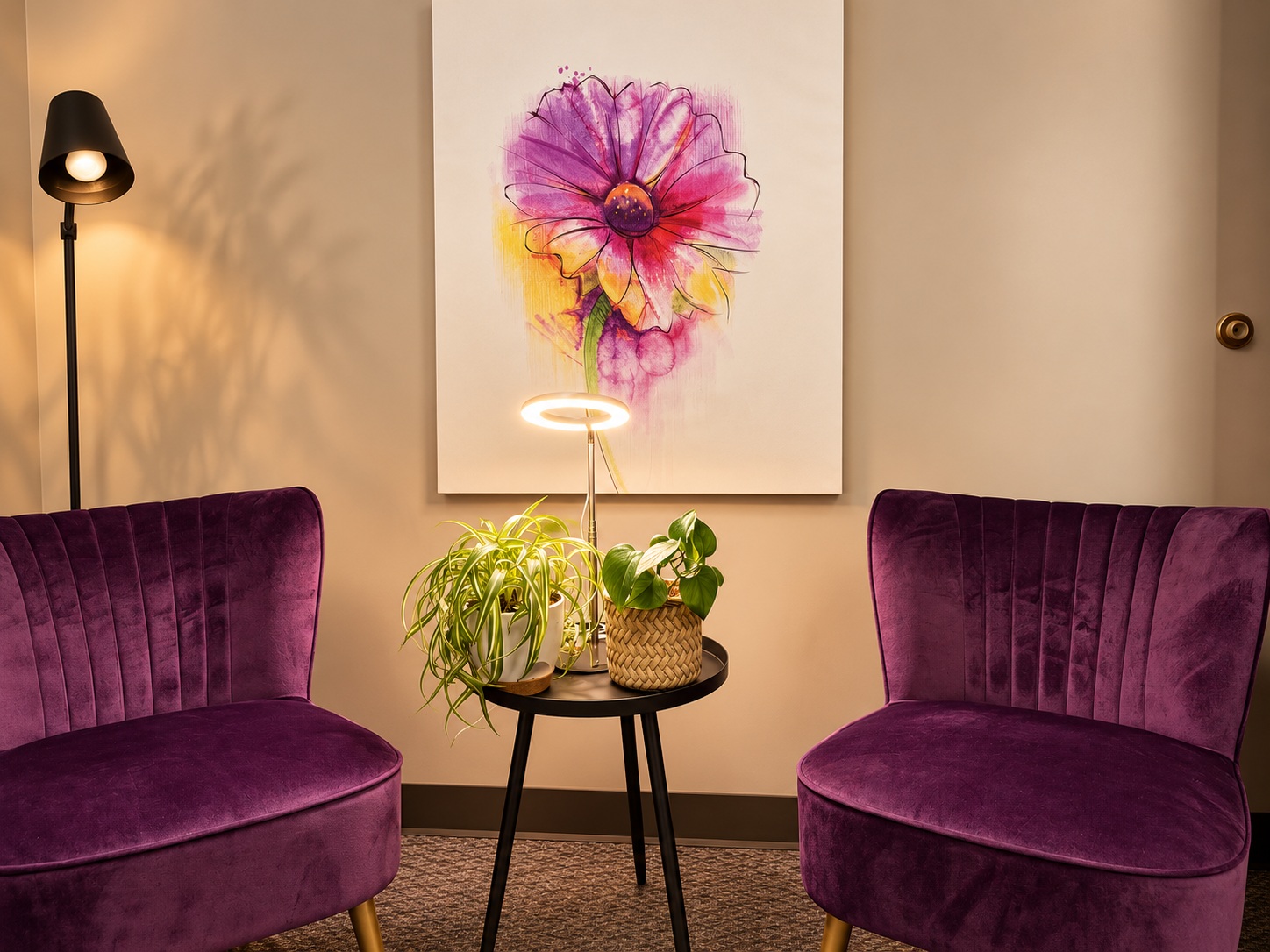
These are rooms at our Denver office. You spend the day here, and you go home at night.

Seating area with a sofa, round table, plants and artwork at Women’s Recovery Lounge with purple chairs, cream sofa and table Lounge with purple chairs and dried flowers Dark sofa and coffee table in a furnished room Plum armchairs beside a window table Entrance to the Belcaro Place building with the number 3801 above the doors

When cannabis starts to take more than it gives

If cannabis is part of what you’re carrying, we start with mental health and trauma, not a label. Mental health and substance use belong in the same conversation. Program options start with PHP.

01

Use can become part of daily life in familiar situations: flower, edibles, or high-potency concentrates used to relax or sleep.

Common signs include needing more often, trouble cutting back, or noticing that mood and daily routines revolve around use. These experiences deserve a conversation without shame.
02

Women’s Recovery considers cannabis use alongside trauma, mood, anxiety, and other mental health needs.

PHP, IOP, and outpatient care provide different levels of support after an individual assessment. An assessment can help distinguish substance effects from other mental health concerns.

  • Notice how use affects your day
  • Discuss mental health and substance use together
  • Make a safety-aware plan with the care team
Lounge with purple chairs, cream sofa and table

What is cannabis?

Cannabis and cannabinoids use treatment concerns cannabis and related products that can affect you differently. Cannabis refers to dried parts of the Cannabis sativa L plant and contains many cannabinoids. Explore information about cannabis and THC or THC edibles.

01

Cannabis, sometimes called marijuana, includes the dried leaves, flowers, stems and seeds of the plant.

Among its many cannabinoids is delta-9 tetrahydrocannabinol, commonly called THC. Delta-9 THC is intoxicating, meaning it can temporarily alter mood, thoughts and perceptions. That definition does not mean every cannabis product has the same contents, potency or effects.

02

Product category matters when you are trying to understand a difficult experience.

Plant cannabis, edible products, concentrates, Delta-8 THC and synthetic cannabinoids differ and should not be treated as one identical group. A category label alone cannot establish a particular item’s contents, potency or likely effects. Care can help you address how use affects your wellbeing even when the product’s contents are unclear.

What is Delta-8 THC?

Delta-8 THC is an intoxicating cannabinoid found in the cannabis plant. Research on its health effects remains limited, and Delta-8 products have not been FDA-approved for safe use. Learn more about Delta-8 and related cannabinoids or review concentrate information.

01

Intoxicating means Delta-8 THC can alter your mental state.

Cannabis origin, packaging and product name do not establish a retail product’s purity, strength, safety or local legal status. Delta-8 and related cannabinoids may differ from high-potency concentrates, and legal status and health risk are separate questions. Care can help you understand and address how use is affecting you, even when details about a product remain uncertain.

02

Limited research means important health questions remain unresolved.

Products containing large amounts of Delta-8 THC have been connected with medical emergencies, including breathing problems. That fact does not predict how every person will respond, but it supports taking serious symptoms promptly. When immediate breathing or safety concerns occur, seek emergency medical help rather than waiting for treatment intake.

Lounge with purple chairs and dried flowers

What is CBD?

CBD is one cannabinoid associated with the cannabis plant, but a retail CBD label does not establish that a product is a proven safe or effective medicine. If broader substance patterns are concerning, read about cannabis and THC care or visit admissions to discuss options.

01

CBD is a cannabinoid found in cannabis, but it is not intoxicating like THC.

Even so, CBD can cause side effects, including drowsiness, decreased appetite, vomiting, and diarrhea. Consumer products may contain a different amount of CBD than the label states, and some products marketed as CBD have been found to contain THC. Because ingredients and effects can vary, a product name or retail label does not establish whether a specific item is safe, pure, effective, or lawful.

02

What is CBD?

If cannabis or cannabinoid use is affecting your wellbeing, cannabis and THC care can help you understand the pattern, and admissions offers a way to discuss options that fit your goals.

03

What is CBD?

If CBD is one part of a wider cannabis or cannabinoid pattern, care can focus on the effects that pattern has on your life rather than debating labels. Changes in control, priorities, responsibilities or wellbeing may be worth discussing. An assessment can respect your reasons for using a product while exploring whether continued use is creating consequences you no longer want.

What are synthetic cannabinoids?

Synthetic cannabinoids are lab-made substances chemically similar to cannabis compounds, but they can produce very different effects. Illicit versions are associated with severe and potentially life-threatening health problems. Read about synthetic cannabinoids such as K2 and Spice or contact Women’s Recovery.

01

Some synthetic cannabinoids have potential or current medical uses, while many others are illicitly manufactured and sold.

Illicit products may be placed in vaping liquids or on dried plant material. Those facts describe the category but cannot reliably identify a particular substance. Names, appearance and presentation do not provide enough evidence to determine a product’s contents or likely effects.

02

Synthetic cannabinoids may act very differently from plant cannabis, so prior experience with cannabis does not establish how someone will respond.

Research associates illicit synthetic cannabinoid use with severe health problems and life-threatening outcomes. If you or someone you love is experiencing an immediate dangerous reaction, seek emergency medical help. Longer-term support can address continued use after the urgent risk is managed.

Plum chairs, table and flower painting

What treatment can help with cannabis use disorder?

Treatment can use behavioral support and general substance-use care to address cannabis-related harm, strengthen choice and support changes you want to make. The right setting depends on your circumstances. You can review admissions information or start a conversation without committing to a program.

01

Behavioral interventions supported for cannabis use disorder include cognitive behavioral therapy, motivational enhancement therapy, and contingency management.

These approaches can help you recognize patterns and triggers, strengthen motivation, build practical coping skills, and make changes that reflect your goals. There are currently no FDA-approved medications for cannabis use disorder or for medically assisted withdrawal. Care can still be valuable if you feel uncertain about stopping entirely or have mixed feelings about treatment. You can begin from what concerns you now and choose your next step without shame or pressure.

02

What treatment can help with cannabis use disorder?

Review admissions information or start a conversation if you would like to explore possible support.

03

General substance-use treatment includes multiple care choices, and approaches that reduce unnecessary access barriers can help more people receive support.

No single program or outcome can be promised from a broad category such as cannabis use disorder. An individualized assessment can consider the products involved, current risks, mental and physical wellbeing, responsibilities, support system and the changes you want.

Common questions

Explore substance use care that sees the whole woman and women’s treatment programs for related guidance. Call admissions when you want to discuss your own situation.

Call Admissions
01 Are all cannabis and cannabinoid products the same?

No. Plant cannabis contains many cannabinoids, including intoxicating delta-9 THC, while Delta-8 THC, CBD, concentrates and synthetic cannabinoids represent different categories or formulations. Their contents and effects should not be assumed identical. Knowing the category can improve a care conversation, even when the exact product composition remains uncertain.

02 Is Delta-8 THC non-intoxicating because it comes from cannabis?

No. Delta-8 THC is an intoxicating cannabinoid. Its relationship to the cannabis plant does not establish that a retail product is pure, safe or medically approved. Research on Delta-8 and several other intoxicating cannabinoids remains limited, and serious reactions, including breathing problems, have occurred after consuming large amounts.

03 Are synthetic cannabinoids simply another form of marijuana?

No. Synthetic cannabinoids are lab-made substances that are chemically similar to cannabis compounds, yet they may produce very different effects. Illicitly manufactured versions are associated with severe and potentially life-threatening health problems. Experience with plant cannabis cannot reliably predict how a person will respond to a synthetic product.

04 Can I seek support if I am unsure whether my use is a disorder?

Yes. You do not need to diagnose yourself before discussing a pattern that worries you. Care can explore how cannabis or cannabinoids affect control, wellbeing, relationships and responsibilities. That conversation may clarify whether treatment is appropriate while respecting your perspective, reasons for use and choices about what happens next.

05 How do I contact Women’s Recovery?

Call 833.754.0554 for a conversation. Women’s Recovery is located at 3801 E Florida Ave, Ste 650, Denver, CO 80210. You can discuss the type of substance involved, what has concerned you and possible care directions. Reaching out does not obligate you to enter treatment.

Evidence behind this page

Supporting health information

Read how we select health information sources and apply the Women’s Recovery editorial policy. These references provide general education and context; they do not establish an individual diagnosis, service, or treatment recommendation.

If you can't believe that yet, borrow my hope. Just long enough to find your own.

Women’s Recovery graduate

Start with one conversation. Tell us what you're carrying. We'll walk you through the next step and verify your benefits.