
Intensive Outpatient Program for Women in Denver
Structured outpatient care for women in Denver, with morning and evening sessions and more room in your week for daily life.
- Time each week
- 9–15 hoursThree to five days, with three-hour sessions.
- Schedule
- Morning or eveningAn attendance level guided by your needs.
- Care setting
- Outpatient in DenverAttend care and return home afterward.
Assessment guides the entry point and duration. PHP typically lasts four to six weeks; IOP following PHP typically continues for an additional nine to twelve weeks. The 13-week curriculum is a content framework, not a fixed stay.
A place to begin
IOP for Women | Trauma & Mental Health | Co-Occurring Substance Use | Women's Recovery
You've probably already tried to figure this out on your own. Maybe with one therapist, maybe with several. Maybe with a medication, a self-help book, a period of sobriety that held for a while and then didn't. Maybe you've gotten good at managing, at keeping it together just enough that no one sees how much it's costing you.
IOP offers more scheduled outpatient support than a single weekly appointment, while leaving time for work, parenting and daily life. An assessment helps determine whether that structure fits your needs and available support.
Women's Recovery's Intensive Outpatient Program (IOP) is available in Denver, mornings or evenings, for mental health, trauma and co-occurring substance use when relevant. It offers 9–15 hours across three to five three-hour sessions each week. Some women enter IOP directly after assessment; following PHP, IOP typically continues for an additional nine to twelve weeks, with individual timing. The 13-week curriculum describes the group content, not a fixed length of stay.
A look at our space
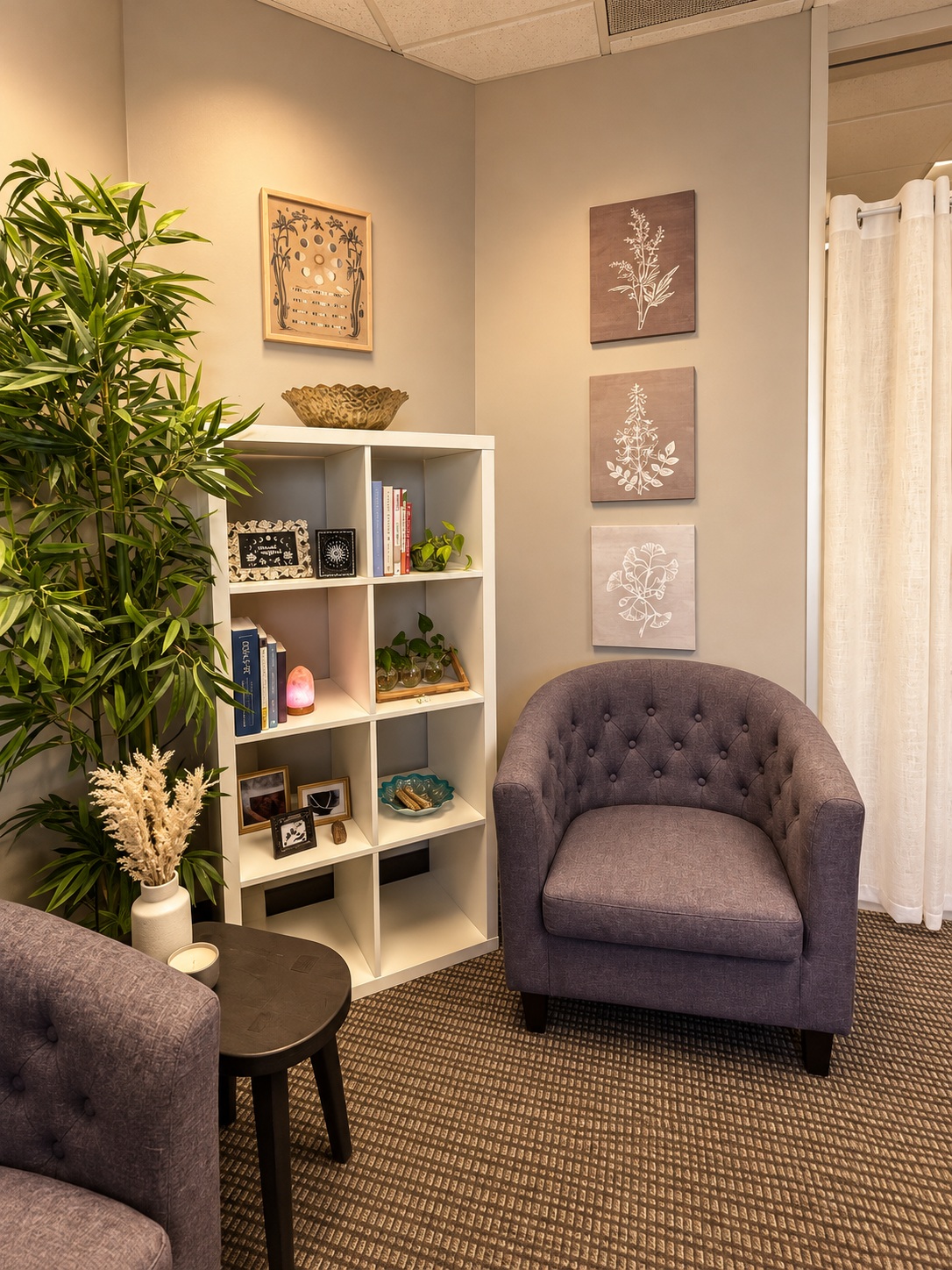
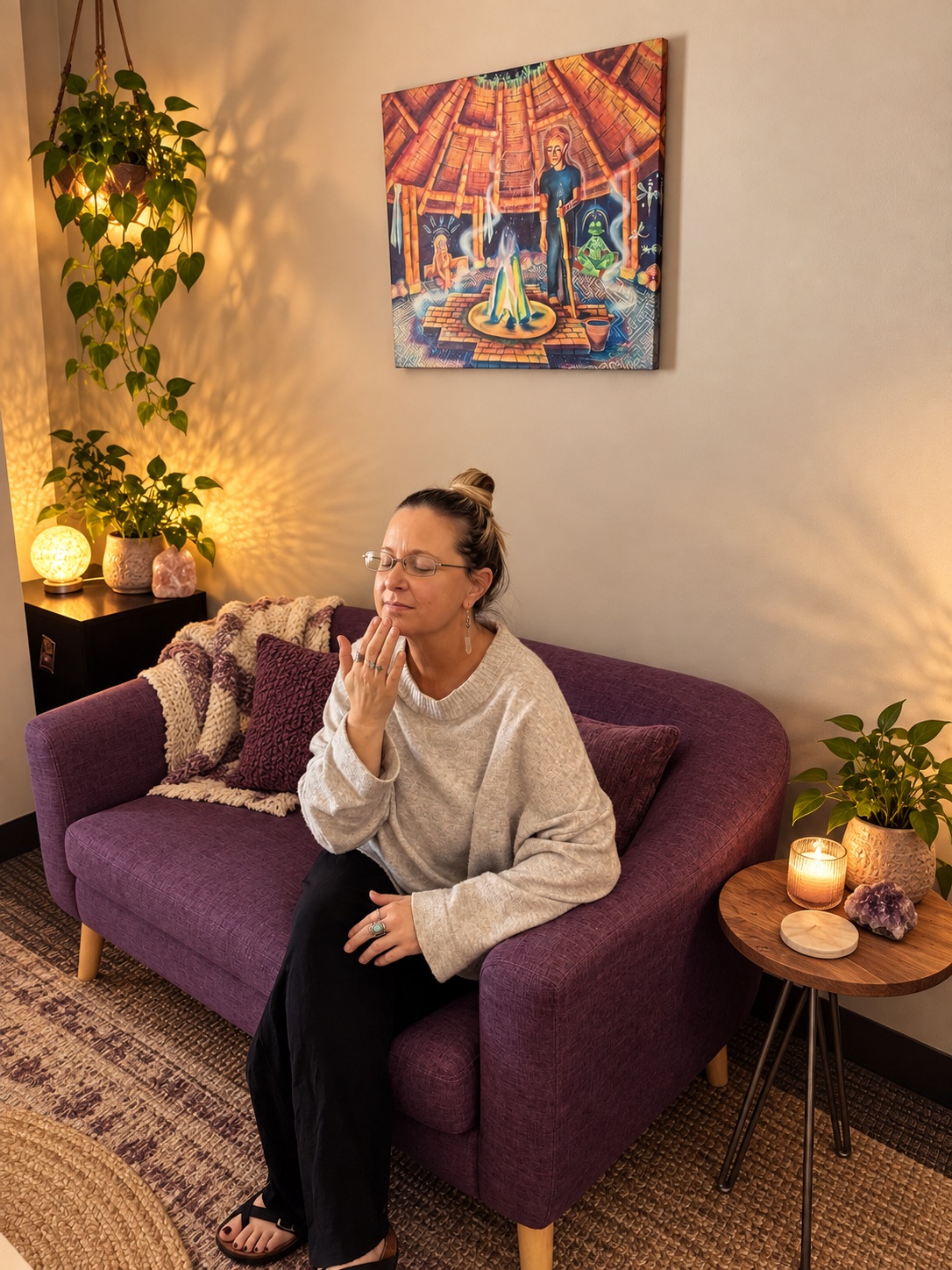
These are rooms at our Denver office. You spend the day here, and you go home at night.





Structure and Schedule
Three hours per session
Each IOP session runs three hours: 90 minutes of Yalom-informed interpersonal process followed by 90 minutes of psychoeducation. Group work creates space to notice and practice relationship patterns with clinical support.
Intensity that fits
Women attend at one of three intensity levels, determined by the clinical team at admission and reviewed monthly:
| Level | Schedule |
|---|---|
| IOP3 | Monday, Wednesday, Thursday (9 hours/week) |
| IOP4 | Core days plus one additional day |
| IOP5 | All five days |
The commitment
Assessment guides the length of care. IOP following PHP typically continues for an additional nine to twelve weeks, with timing individualized to clinical need. Some women can enter IOP directly. The 13-week curriculum describes group content, not a minimum stay.
Denver Schedule
| Session | Days and hours |
|---|---|
| Morning | Mon / Wed / Thu, 9:00 AM – 12:00 PM |
| Evening | Mon / Wed / Thu, 5:00 – 8:00 PM |
| Tuesday | 9:00 AM – 12:00 PM (experiential/somatic) |
| Friday | 9:00 AM – 12:00 PM (group programming) |
Tuesday, Experiential & Somatic
Experiential and somatic work can include movement, body awareness and creative approaches. The team considers a woman's comfort and readiness. These practices add ways to participate alongside conversation and psychoeducation.
Family Systems Work
Family systems and family-of-origin themes can be part of group work. Involvement of a family member is need-based and guided by the client's consent and treatment plan. Admissions can explain current arrangements without promising a universal visit schedule.
The Clinical Foundation
The starting point
IOP follows the same approach to assessment as our other levels of care. The team considers symptoms, history, relationships, coping patterns and the support a woman needs in her daily life.
Gabor Maté
Gabor Maté and Judith Herman have written about trauma, relationships and coping. These perspectives can inform the team's questions about a woman's history and present needs. They do not establish a diagnosis or explain every woman's symptoms.
Stephen Porges
Stephen Porges' polyvagal theory and Dan Siegel's window of tolerance are frameworks for discussing safety, distress and readiness. The team considers these perspectives alongside a woman's history and clinical needs. They do not establish a diagnosis or predict a fixed treatment response.
Why the week is structured this way
IOP combines 90 minutes of interpersonal process with 90 minutes of psychoeducation in each three-hour session. Body-based and family-system themes may be part of the work. The team considers what is appropriate to a woman's needs, readiness and consent.
The RICC framework helps our team organize regulation, integration, cognition and choice. Care can move between these areas as needs change; it is not a fixed sequence every woman must complete in the same way.
- 01Regulate.
- 02Integrate.
- 03Cognition.
- 04Choice.
The 13-Week Curriculum
The curriculum
The 13-week curriculum covers orientation, stabilization, relationships, communication, body awareness and emotional skills. This describes group content, not a required 13-week stay. Assessment and individual clinical needs guide treatment timing.
Week 1: Finding Your Path: The What
Values, Plan for Living, and the Whole Person Wheel. Before anything else, a woman needs to know what she's orienting toward, not what she should want, but what actually matters to her. This week begins the excavation.
Week 2: Stabilization
Recovery capital, community, and skill-building. What resources does she already have? What has she been surviving without? Who can she begin to trust?
Week 3: Restoration
Hope, spirituality, grief, and compassion. Many women arrive having lost access to all four, not because they stopped caring, but because caring cost too much. This week opens the door back.
Week 4: Managing Discomfort
Parts work, shame, vulnerability, and Wise Mind. Richard Schwartz's Internal Family Systems model reframes what looks like resistance, self-destruction, or irrationality: every part of a woman that seems like the problem is doing a job. Understanding the job is the beginning of being able to change it.
Week 5: Getting Unstuck
Powerlessness, blind spots, defenses. The ways a woman gets in her own way, and the reason those patterns made perfect sense in the context where they developed.
Week 6: Patterns and Responses
Control, cognitive defusion, defaults. How the brain automates responses, and how to create enough distance from automatic patterns to actually have a choice.
Week 7: Finding Your Path: The How
Wounds, pain, change, and transitions. If Week 1 mapped the destination, Week 7 begins mapping the terrain between here and there.
Week 8: Release and Letting Go
Forgiveness, detachment, grounding, and resourcing. What she's been carrying, what it weighs, and what her nervous system can finally put down when it feels safe enough.
Week 9: Relationships
Attachment, codependency, boundaries. The relational patterns formed in early attachment, anxious, avoidant, disorganized, don't disappear in adulthood. They run the present. This week names them.
Week 10: Communication
Honesty, the window of tolerance, and interpersonal effectiveness. How to say the hard thing without leaving yourself behind or burning the relationship down.
Week 11: Systems
Family systems, refusal skills, relational dynamics. The larger systems a woman was formed inside, and how understanding those systems begins to free her from them.
Week 12: Body Basics
Body image, intuitive eating, and sleep. Group discussion considers these aspects of daily life through a trauma-informed lens, without treating the body as a project or promising a particular result.
Week 13: Emotional Intelligence
Somatic cues, triggers, cravings, anger, resentment. The closing loop: everything that has been learned through the curriculum, brought back into the body where it lives, where change is either real or it isn't.
Individual Therapy
Individual Therapy
Each IOP client has weekly individual therapy with her primary therapist, an assigned case manager and access to psychiatric care. Sessions may draw on IFS, somatic approaches, TIST and attachment-based work according to individual needs. Family and outside-provider coordination follows consent and the care plan.
Who IOP Is For
What others see
She's functioning. That's what makes it easy to miss. She goes to work. She parents. She keeps her commitments, mostly. From the outside, it looks like she's holding it together. From the inside, it is costing her everything, and the gap between those two pictures is exactly where the suffering lives.
What she has tried
You may value your existing therapist and still want additional support. You may be working on mental health, substance use or both, or stepping down from a higher level of care. With your consent, the team can coordinate with an outside provider as part of planning.
What she needs
IOP may offer a useful combination of group structure, individual therapy and psychiatric care. The recommendation follows your needs, preferences and support between sessions.
What IOP offers
IOP offers 9–15 hours each week across three to five three-hour sessions. You and the team review what is helping and what needs to change in the plan.
Explore the next step
Frequently asked questions
Is IOP the same as a weekly therapy appointment?
No. An Intensive Outpatient Program (IOP) is a more structured level of outpatient care than a typical once-weekly appointment. It generally includes more scheduled treatment time, but it does not require an overnight stay. Women’s Recovery can explain its current IOP schedule and services. A clinical assessment helps determine whether that level offers enough support for your needs.
Is IOP less serious than PHP?
IOP and PHP are different levels of outpatient care, not grades for how seriously someone takes her health. PHP generally involves a fuller treatment day; IOP generally involves fewer scheduled hours. The right level depends on your current clinical needs and support between visits. Choosing IOP because it sounds easier, or PHP because it sounds stronger, is no substitute for an individual assessment.
Do I need a substance use diagnosis to ask about IOP?
No. Women’s Recovery’s current care model centers mental health and trauma. Substance use may be part of care when relevant, but you do not need a substance use diagnosis to make the call. You can start with the concerns affecting your days and relationships. A clinician can then consider which current level of care, if any, is appropriate.
What if I have tried outpatient treatment before?
Past care is useful context, not proof that change is out of reach. What helped, what felt missing, and what is different now can inform an assessment. An IOP may provide a different level of structure than ordinary outpatient visits, but it is not automatically the right answer. You can call to talk about the current options without having to defend why the earlier plan did not fully help.
Will insurance cover IOP?
Coverage depends on your plan, the services provided, and insurer rules. Women’s Recovery cannot promise coverage or a particular cost from a general description. Insurance information can help you understand common factors, while current benefits and authorization requirements must be checked for your situation. Insurance details and the clinical recommendation are separate questions.
What if I feel unsafe right now?
Do not rely on a routine program call for emergency help. If you are in immediate danger, call 911. If you are experiencing a mental-health crisis or suicidal thoughts, seek immediate crisis support. Once immediate safety is addressed, you can discuss whether IOP or another current Women’s Recovery program may be appropriate.
What happens on Fridays in IOP?
Family systems and family-of-origin themes may be part of group work. Involvement of family members is need-based and follows the client’s consent and care plan; admissions can explain current arrangements.