
OUR CLINICAL MODEL
Our clinical model for women’s mental health and trauma care in Denver
Your symptoms made sense. We treat what they were managing.
A trauma-integrated model for women that brings nervous system, relationships, insight and daily choices together. Your assessment guides which care and approaches fit.

Whatever brought you here, you're in the right place.
Women come to us for anxiety, depression, trauma, burnout, drinking or substance use, and often several at once. You don't need a substance use diagnosis to be here, and if substances are part of your story, they're treated alongside everything else, never instead of it.
WHERE WE START
Symptoms are solutions.
The anxiety that never turns off. The drink that started as a way to sleep. The numbness that settled in years ago. The perfectionism, the panic at 3 a.m., the exhaustion of holding everything together.
A symptom can be a way a person has adapted to stress, pain or an unmet need. We ask what a pattern may have helped her manage, while recognizing that each woman’s history and clinical needs are different.
Managing symptoms matters. We also look at the experiences, relationships and body responses that may be part of the picture, then plan care around the whole person.
Leaving took courage. But leaving wasn't healing. I was free, but I wasn't whole.
Women’s Recovery graduate
HOW TREATMENT IS SEQUENCED
RICC: treatment from the bottom up.
RICC is Women’s Recovery’s framework for organizing care around Regulate, Integrate, Cognition and Choice. It guides clinical conversations and individual plans; it is not a validated standalone treatment or a claim that other care is inferior.
Explore the full RICC framework →
What it means
Regulation work helps you notice stress responses and practice ways to return toward steadiness. You can speak about what matters from the first day; the team also considers pacing and safety.
What it looks like here
- AcuDetox
- gentle somatic movement
- trauma-sensitive yoga
- grounding and breathwork
- learning to read your own stress responses
What you might notice
You may notice stress sooner, find a grounding practice useful, or feel better able to stay present in a difficult moment. Each person’s response differs.

What it means
Integration work considers how body experience, protective parts, relationships and history connect. The pace follows your needs and readiness.
What it looks like here
What you might notice
More compassion for the parts of you that panic, drink, over-function, shut down or push people away. Feeling less at war with yourself.

What it means
Cognitive work helps you understand patterns and practice skills. Insight is used alongside other approaches rather than held out as a guaranteed result.
What it looks like here
- The 13-week curriculum
- weekly individual therapy
- education on shame, grief, attachment, boundaries and communication
What you might notice
Patterns that felt automatic, like the people-pleasing, the drinking, the anxious checking or the going numb, start to feel visible and choosable.
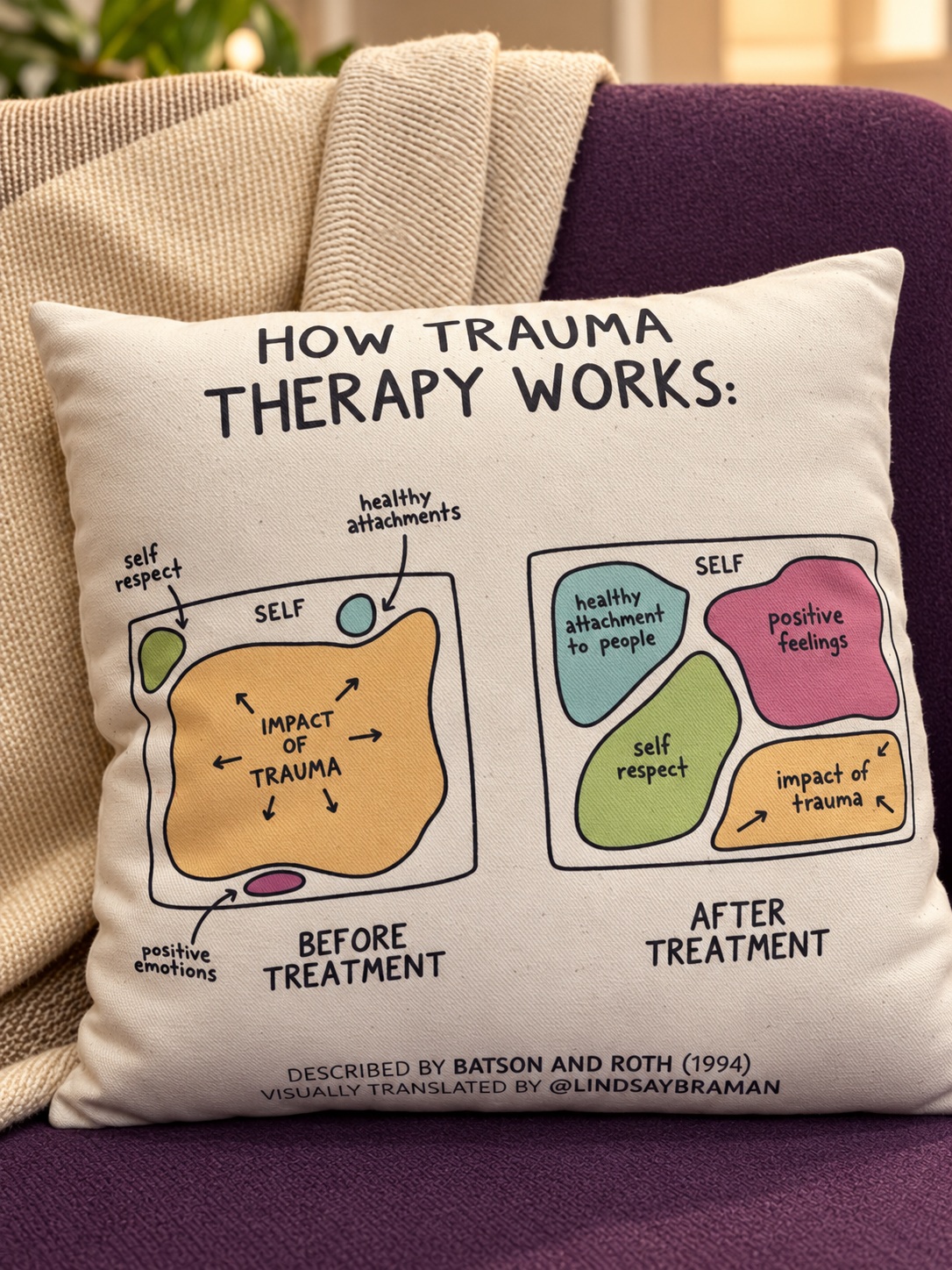
What it means
Choice means practicing responses that fit your values and life. The work can be revisited when circumstances change.
What it looks like here
What you might notice
You may find more options in a stressful moment, or learn from a choice that did not go as planned.

Strength looks like boundaries. Strength looks like accountability. Strength looks like self-love. Strength looks like compassion, without abandoning yourself.
Women’s Recovery graduate

IDEAS THAT INFORM OUR WORK
The foundations of our work.
Our team draws on several clinical traditions when planning care. These ideas can help explain an approach; they do not replace an individual assessment or establish one theory as fact for every person.
Bessel van der Kolk
Van der Kolk’s writing draws attention to the ways traumatic stress can affect both body responses and memory. This informs our decision to include body-based practices alongside conversation, according to each woman’s needs.
Janina Fisher
Fisher’s TIST offers a way to understand protective parts and work with trauma-related responses through stabilization and curiosity. Our clinicians may draw on this approach when it fits an individual plan.
Peter Levine
Levine’s somatic approach includes attention to activation and settling. Our team may use carefully paced body awareness and movement; no single response or outcome is assumed.
Judith Herman
Herman’s work describes the importance of safety, processing and reconnection in trauma care. It is one influence on how our team thinks about pacing and relationships.
Stephen Porges
Porges’ polyvagal theory is one framework for thinking about stress responses and social connection. It is not a diagnosis or a settled explanation for every reaction; our team considers it alongside the full clinical picture.
Dan Siegel
Siegel’s window of tolerance is a useful clinical metaphor for levels of activation that may make reflection easier or harder. We use it to talk about pacing, not to claim that learning is impossible outside a fixed zone.
Gabor Maté
Maté’s writing encourages curiosity about experiences behind distressing patterns. We take that as a question to explore, not a presumption about the cause of any woman’s symptoms.
Our work is also informed by Pat Ogden's Sensorimotor Psychotherapy, Richard Schwartz's Internal Family Systems and Irvin Yalom's interpersonal group therapy.
This lineage lives in our program through Maren Masino, our trauma specialist and clinical consultant, who trained under Dr. Janina Fisher and Dr. Bessel van der Kolk. Maren guides how our team understands trauma, dissociation and the body, so the science shows up in every room.
Meet Maren →
HOW THE MODEL COMES TO LIFE
Nine ways we work. One integrated plan.
No woman gets a template. Your plan is built from these approaches, combined to match what you're carrying and where you are in RICC.
Why you do what you do, even when you know better.
Internal Family Systems sees the mind as a family of parts, many of them protective. The part that panics, the part that drinks, the part that criticizes, the part that shuts down are all trying to help. We get curious about those parts instead of fighting them, so they can finally ease up.
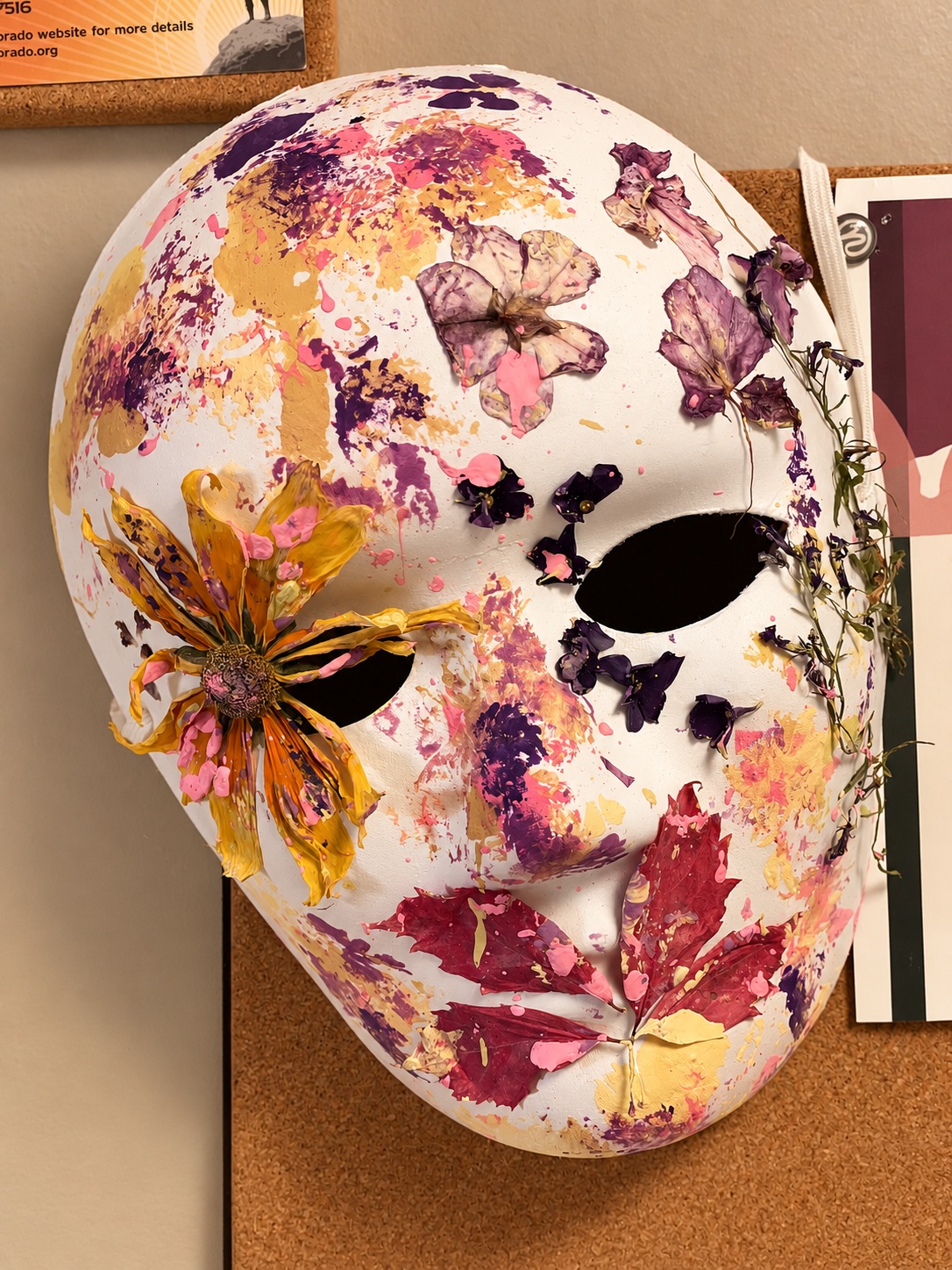
Body awareness can be part of a broader care plan.
Somatic work can help a woman notice body sensations and stress responses and practice ways to stay present. It is used alongside other forms of care when clinically appropriate.
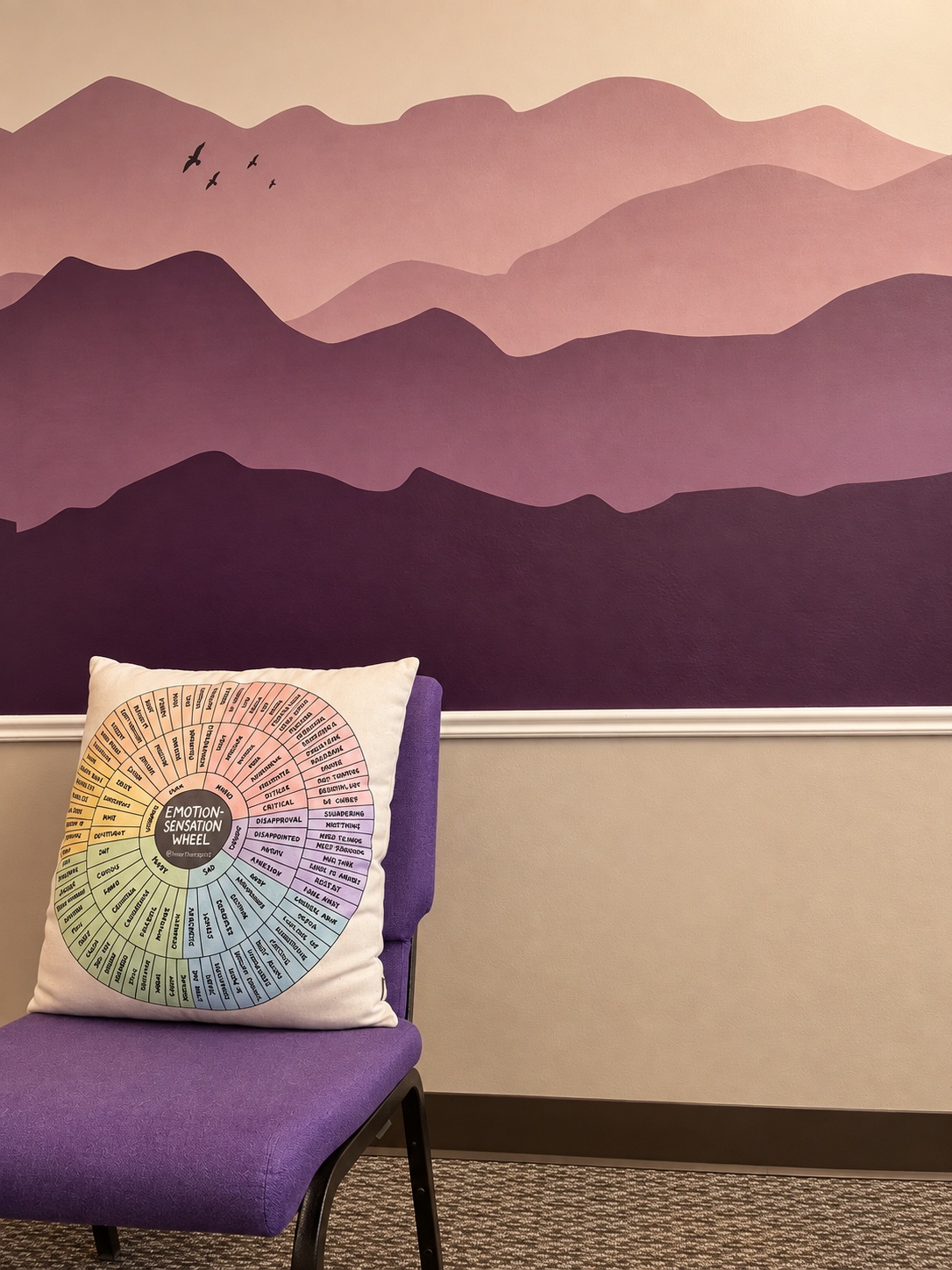
Janina Fisher's approach to complex trauma.
Trauma-Informed Stabilization Treatment is designed for complex trauma and structural dissociation, when the nervous system has organized itself around protection. Safety and stabilization always come before deeper work.
How you connect, push away, over-give or disappear.
Our earliest relationships teach the nervous system what closeness means. We work directly with those patterns, so relationships can start to feel safe instead of dangerous.
The patterns live in relationship, so that's where they heal.
In process group, how you show up with others becomes visible in real time, in a contained room with skilled facilitation. Women don't just talk about their relational patterns here. They repair them.

Gentle ear acupuncture to support calm.
A five-point ear acupuncture protocol offered in a quiet group setting, used to support relaxation, sleep, stress, anxiety and cravings as part of regulating the nervous system.
EFT, Reiki, breathwork, sound healing and fascial work.
Complementary practices that help women reconnect with their bodies and settle their nervous systems, offered alongside clinical care and led by Crystal Girouard. Reiki and sound healing are complementary practices.
On-staff psychiatric care, including ADHD.
Our psychiatrist provides evaluation, diagnosis and medication management in-house, for depression, anxiety, mood, trauma symptoms, substance use and ADHD, so your care stays in one place.
Pregnancy, postpartum, loss and becoming a mother.
Specialized support for postpartum depression and anxiety, pregnancy loss, infertility, and the identity shifts that come with motherhood.
None of you healed me. You couldn't. But every one of you sat beside me while I learned how to heal myself.
Women’s Recovery graduate
THE MODEL IN PRACTICE
How the model shapes your week.
PHP · 25-30 hours a week
PHP provides 25–30 hours of outpatient care each week, typically for four to six weeks. Groups, individual therapy and complementary practices are planned around clinical needs. You go home each evening.
IOP · 9–15 hours a week
IOP meets for three to five three-hour sessions each week and commonly continues for another nine to twelve weeks. An assessment may recommend direct entry to IOP without PHP first.
Individual care · Every week
At every level, a primary therapist, case manager and psychiatric care support individualized planning. Outpatient care includes a weekly 1.5-hour group and individual therapy.
- MON Process + Curriculum
- TUE Somatic + Experiential
- WED Process + Curriculum
- THU Process + Curriculum
- FRI Family Systems
Progress is measured, not guessed. Every woman completes standardized assessments for depression, anxiety and trauma symptoms at admission and every two weeks.
So who is all of this for?ONE ENTRY POINT, A WHOLE PERSON
Who we're built for.
Who we treat →You understand everything about yourself. It just won't stick.
You may have spent years in therapy and still find yourself repeating a pattern. That does not mean you failed or that earlier care was wrong. Assessment can help identify whether different structure, body-based work, group care or another approach would be useful now.
See how RICC changes that →
Anxiety, depression and burnout.
When you've been holding it all together for too long, and it's starting to cost you.
Mental health care →Trauma and complex trauma.
When your nervous system organized itself around staying safe.
Trauma care →Drinking or substance use, with or without a diagnosis.
When a way of coping became its own struggle, treated alongside what's underneath.
Substance use care →YOUR TEAM
The people behind the model.
The clinical team brings different disciplines and perspectives to each woman’s care. Meet the people who guide treatment and support practical needs.
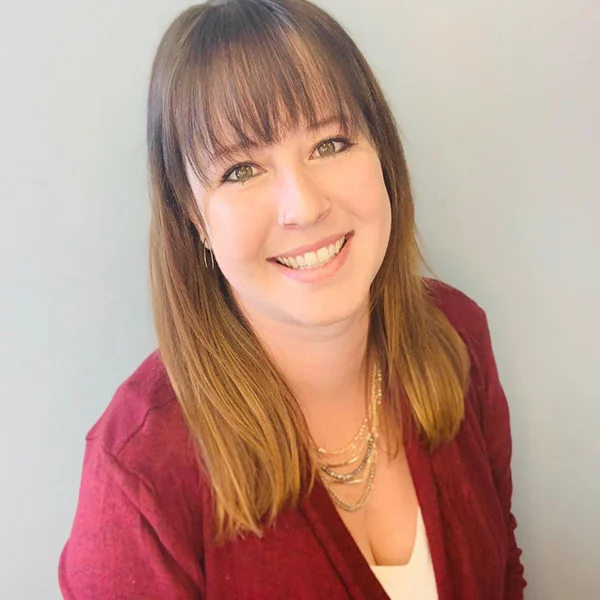
Amanda Miller, LCSW, LAC
Clinical Director
Maren Alisa Masino
Trauma Specialist & Clinical Consultant
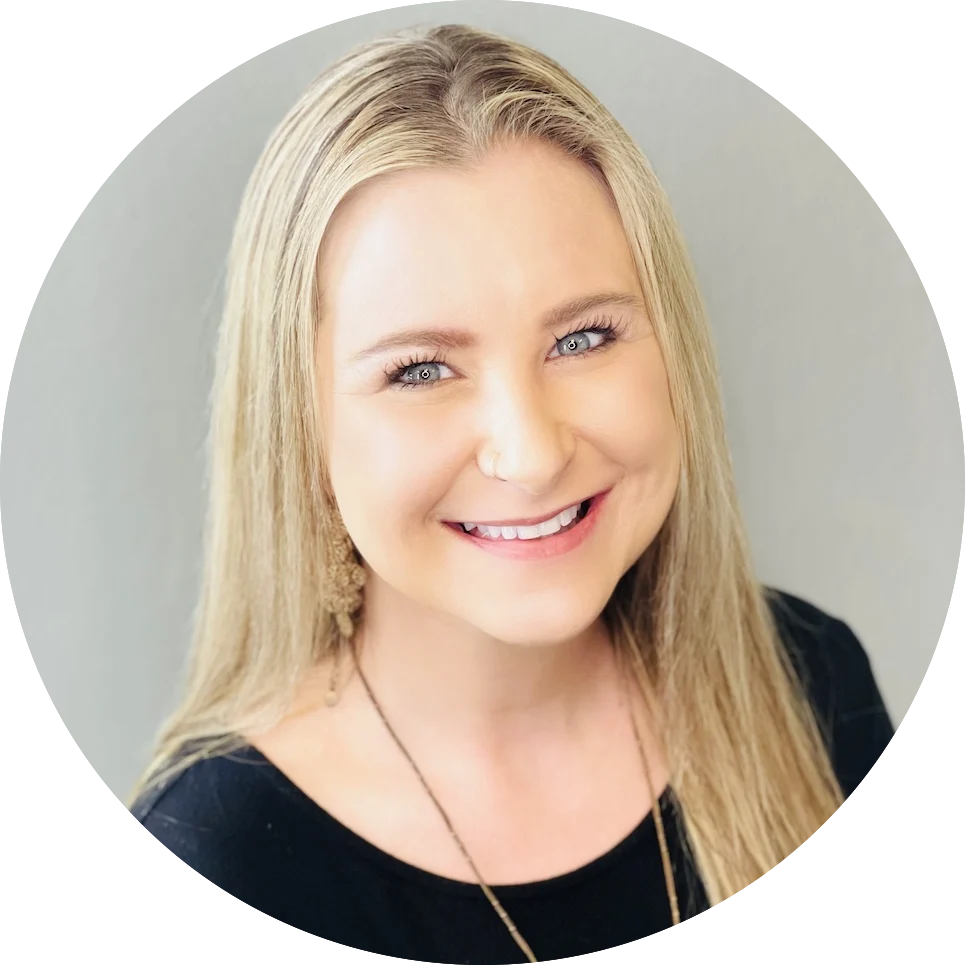
Crystal Girouard
Director of Client Services
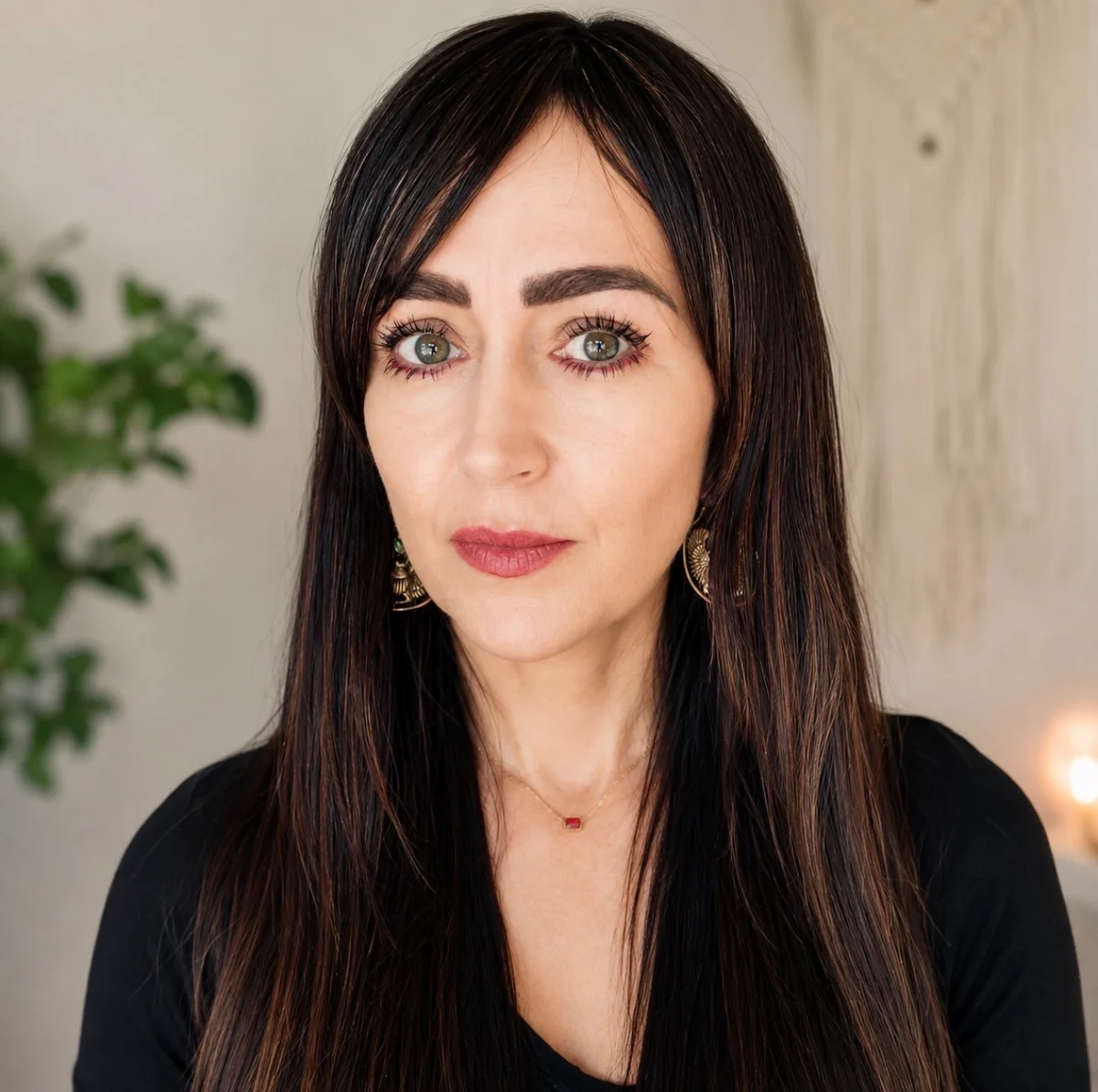
Lenka Robitaille
AcuDetox & Holistic Wellness
QUESTIONS
Questions
Yes. Women come to us for anxiety, depression, trauma, burnout, drinking or substance use, and often several at once. Groups focus on what women share across all of it: the nervous system, relationships, shame, grief, boundaries and finding your way back to yourself. When substance use comes up, it's treated as one more way people cope, never as the center of everyone's story.
Mental health questions →No. You don't need a diagnosis, a label or a crisis. If something isn't working, that's enough reason to call. An assessment will help us understand what you're carrying and which level of care fits.
Because recovery means more than recovering from a substance. Here, it means recovering yourself: your steadiness, your voice, and the woman you were before you had to survive.
Prior therapy and insight are valuable. An assessment can help identify whether additional structure, body-based work, group care or another approach could be useful now.
RICC: treatment from the bottom up →Yes. We coordinate closely with outside therapists and psychiatrists, with your permission, so your care stays connected.
For Clinicians →Referring a client?
Our model, in clinical language: RICC sequencing, TIST, IFS, somatic work and Yalom process group, with in-house psychiatry and a team that coordinates closely with the outside therapist. We accept women with mental health or trauma as the primary concern, with or without a substance use diagnosis.
If you can't believe that yet, borrow my hope. Just long enough to find your own.
Women’s Recovery graduate