
MENTAL HEALTH & TRAUMA CARE FOR WOMEN · DENVER
Mental health and trauma treatment for women in Denver
When holding it all together stops working.
Women-only care for anxiety, depression, trauma and the weight you have been carrying. After assessment, PHP or IOP may be the right starting point. You go home each evening. No substance use diagnosis is required.

No substance use history? This page is for you.
Many women come to us for anxiety, depression, trauma or burnout alone. You'll never be treated as if you have a substance use problem. And if drinking or using is part of your story too, it's treated alongside everything else, never instead of it.
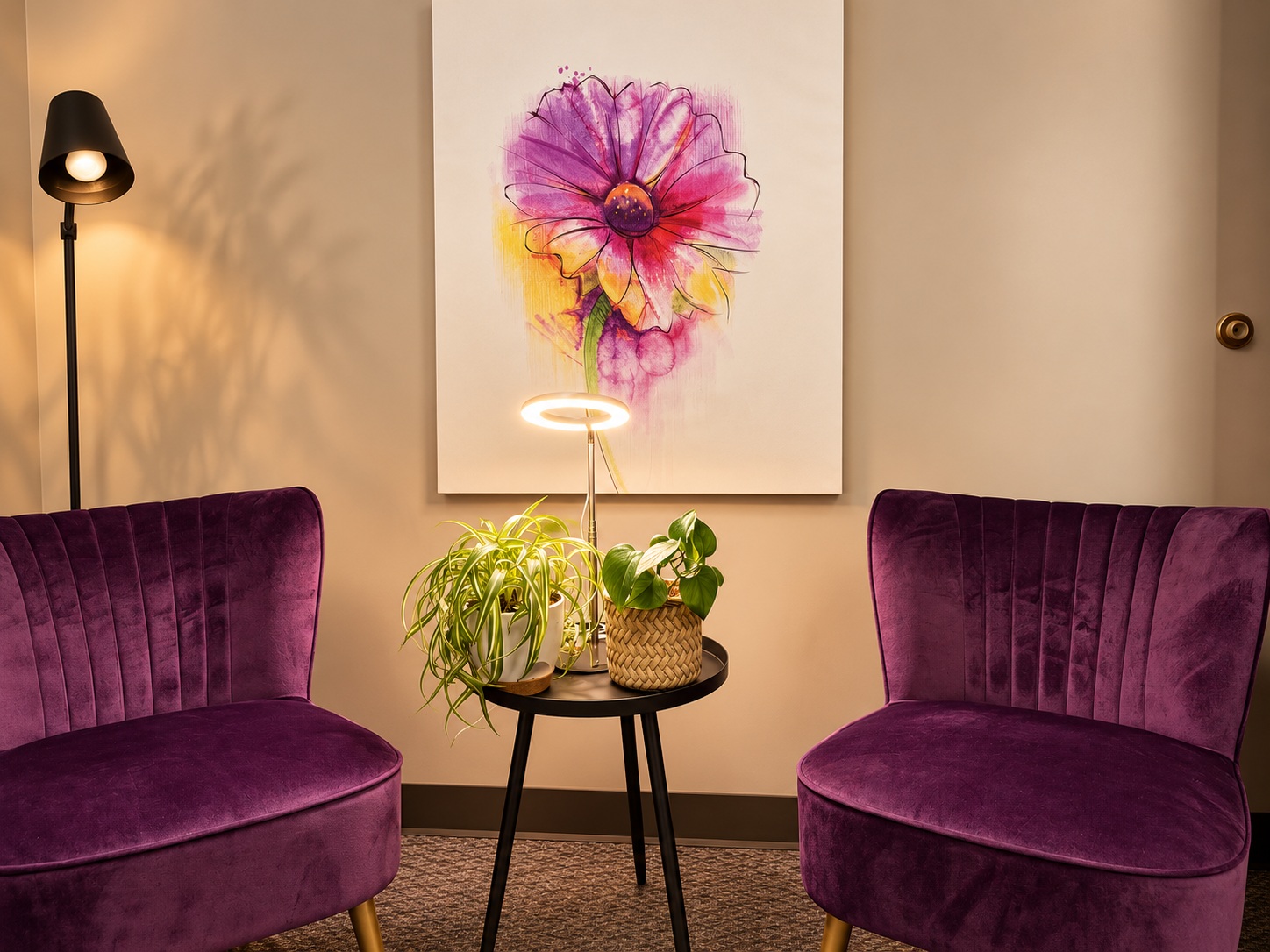
A look at our space





It might look like this.
YOU DON'T NEED A DIAGNOSIS TO START
You're functioning on the outside and running on empty on the inside.
Your mind won't turn off, especially at 3 a.m.
You feel numb, flat or far away from your own life.
You snap, then feel ashamed. Or you shut down and disappear.
A glass of wine has become the only way you can exhale.
You've done years of therapy. You understand everything. And nothing is changing.
You're the one everyone leans on, and there's no one left for you.
If any of this sounds familiar, that's enough reason to call. You don't have to be in crisis, and you don't have to know what to call it. That's our job.
So much of my trauma was rooted in my experience as a woman: the way I learned to silence myself, the pressure to hold it all together.
Women’s Recovery graduate
Your symptoms made sense. We treat what they were managing.
OUR APPROACH
Anxiety, depression, numbness and hard-to-change patterns can have many causes. We ask what a response may have helped you manage without assuming every symptom began with trauma.
Insight can help, and it may need to be joined with work on body responses, relationships, skills and day-to-day support.
Our RICC framework organizes care around Regulate, Integrate, Cognition and Choice. Your assessment and response guide which work is useful and when.
PHP provides 25–30 hours a week when more structure fits. Some women enter IOP directly after assessment. The team works with you to recommend a level of care.
Care for what you're actually living with.
WHAT WE TREAT
Every woman receives a full assessment and a plan built for her. These are the concerns we treat most often, and many women are carrying more than one.
Anxiety and panic
Feels like: A mind that won't quiet, a body that's always braced, panic that comes out of nowhere.
How we treat it
We start by calming the nervous system through somatic work, grounding, breathwork and AcuDetox, then address the parts and history driving the alarm. Psychiatric support is available in-house.
Depression
Feels like: Heaviness, flatness, exhaustion, losing interest in a life you used to care about.
How we treat it
We look at mood, trauma, sleep, relationships and the nervous system together, combining individual therapy, process group, somatic work and medication management when it helps.
PTSD and complex trauma
Feels like: Being on high alert, flashbacks or nightmares, or a past that still runs the present.
How we treat it
Safety and stabilization come first. We use TIST, somatic therapy, IFS / parts work and attachment-based work, paced so you're never pushed past what your system can hold.
Dissociation and numbness
Feels like: Present but not really there. Losing time. Watching your life from a distance.
How we treat it
We treat these protective patterns with respect, using stabilization, pacing and parts work guided by Janina Fisher's approach, so your system can come back online safely.
Burnout and over-functioning
Feels like: Competent, capable and completely depleted. The one who holds everyone together.
How we treat it
We look beneath the over-functioning at what it protects, and help your nervous system learn it's safe to rest, set boundaries and receive support.
Bipolar disorder and mood
Feels like: Highs and lows that make it hard to trust your own steadiness.
How we treat it
Careful assessment and psychiatric care, combined with regulation skills, routine and therapy that address the impact on your relationships and daily life.
ADHD, often undiagnosed
Feels like: Years of overwhelm, scattered focus and self-blame, often missed because you coped so well.
How we treat it
Our on-staff psychiatrist provides ADHD evaluation and treatment in-house, alongside therapy for the shame and strain of years spent compensating.
Perinatal mental health
Feels like: Postpartum depression or anxiety, pregnancy loss, infertility, or not recognizing yourself as a mother.
How we treat it
Specialized clinical care for one of the most vulnerable seasons of a woman's life, with support for identity, attachment and the body.
Perimenopause
Feels like: Mood, sleep, focus and anxiety changing in ways that have been brushed off or misread.
How we treat it
We consider hormonal transition, the body, sleep and attention as part of the full clinical picture, with psychiatric input when needed.
Drinking or substance use alongside mental health
Feels like: A way of coping that's become its own struggle.
How we treat it
Treated together with what's underneath it, by the same team, at the same time, with equal seriousness.
Care shaped around your assessment.
HOW CARE WORKS

Partial Hospitalization Program · 25–30 hours a week
Your assessment may recommend PHP or direct entry to IOP.
PHP offers 25–30 hours a week, typically for four to six weeks depending on individual need. Groups, individual therapy, psychiatric care and complementary practices can be part of your plan.
The team may include IFS and parts work, TIST, somatic or attachment approaches, movement, yoga and AcuDetox when clinically appropriate.
PHP is outpatient care. You attend programming and go home each evening. Your assessment may instead recommend direct entry to IOP.
A possible day in PHP
- MorningGroup and skills work may be part of your plan
- MiddayIndividual therapy and a break
- AfternoonSomatic or complementary practices when appropriate
- EveningHome
Levels of care
- PHP: 25–30 hours a week
- IOP: 9–15 hours a week; direct entry may fit
- Outpatient: weekly group plus individual therapy
IOP offers 9–15 hours across three to five three-hour sessions weekly and often continues for another nine to twelve weeks. Outpatient care includes a weekly 1.5-hour group and individual therapy. Your plan and timing are individualized.
Every woman receives
- A primary therapist and individual therapy every week
- Psychiatric care as part of the team
- A case manager for practical needs
- Progress monitored with PHQ-9, GAD-7 and PCL-5 at admission and every two weeks
Clinicians who specialize in women's mental health and trauma.
YOUR TEAM
Our clinical team brings trauma-informed, body-based and psychiatric care together. A primary therapist, case manager and psychiatric care support individual planning. With your consent, the team can coordinate with outside providers.
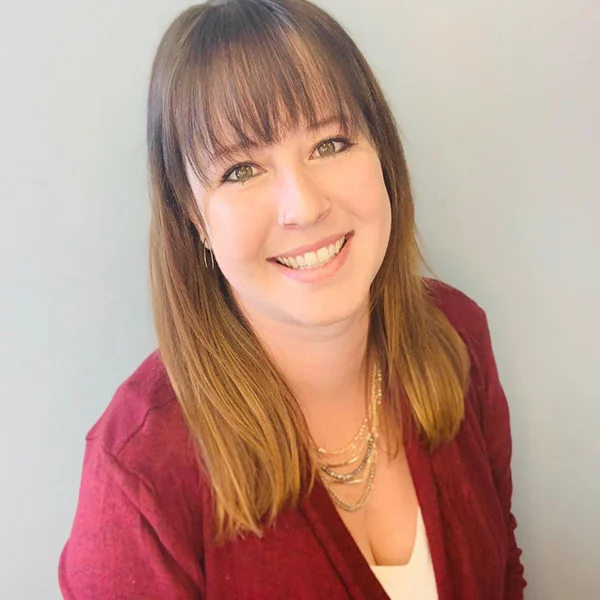
Amanda Miller
LCSW, LAC
Clinical Director

Maren Masino
Trauma Specialist & Clinical Consultant
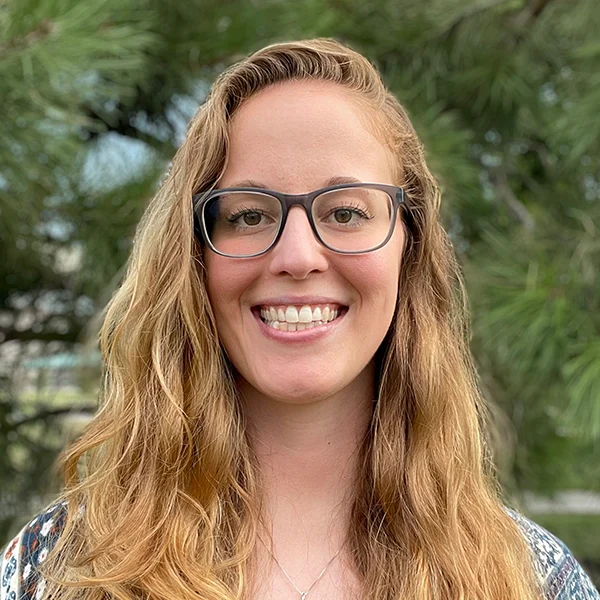
Kathryn "Katie" Tombridge
MA, LPC, LAC
Lead Clinician
For the first time, I wasn't just someone's mom, someone's partner, or someone's problem. I was a whole person.
Women’s Recovery graduate
For the people who love her.
Watching someone you love struggle is its own kind of pain. We help families understand what's happening, how to support her without taking over, and where to find support for themselves. Family programming is part of care.
Support for families Questions
Questions
Do I need a substance use diagnosis?
No. Mental health and trauma are our primary focus. Many women come to us with no substance use at all, and you'll never be treated as if you have a substance use problem.
I don't drink or use. Will I fit in?
Yes. Groups focus on what women share across every struggle: the nervous system, relationships, shame, grief, boundaries and finding your way back to yourself. When substance use comes up, it's discussed as one more way people cope, never as the center of everyone's story.
Do I have to start in PHP?
No. An assessment may recommend PHP for a more structured week or direct entry to IOP when that fits. PHP offers 25–30 hours a week, while IOP offers 9–15.
RICC: how we organize care →Is PHP a hospital stay?
No. Despite the name, PHP is an outpatient program in a calm, women-only setting. You attend during the day and go home every evening.
How can I take that much time away from work or family?
We know time away from work or family can be difficult. A case manager can help you discuss practical needs, including work leave and paperwork. The recommended level and timing are individualized.
What if PHP feels like more than I need?
Tell the assessment team. They will consider your needs and discuss whether PHP or direct entry to IOP is appropriate.
How long will I be in PHP?
PHP is typically four to six weeks, but care is individualized and reviewed with you.
Do I need a diagnosis at all?
No. If something isn't working, that's enough. Your assessment will help us understand what you're carrying and recommend what fits.
I already have a therapist and psychiatrist. Do I have to leave them?
No. With your permission, we coordinate with your outside providers so your care stays connected. Many women return to them after completing our program.
Outside providers →Will insurance cover this?
We participate with TRICARE, Cigna, Aetna, BCBS and Denver Health Medical Plan. Coverage and out-of-pocket costs depend on your specific plan; admissions verifies benefits.
Verify Insurance →How soon can I start?
You and admissions plan the timing together. Depending on assessment, availability and readiness, some women begin the next day and others begin months later.
Referring a client for mental health or trauma care?
We assess women whose primary concern is mental health or trauma, with or without substance use. PHP or IOP may be the entry level. Care can include RICC sequencing, TIST, IFS, somatic work and psychiatry, with consent-based outside-provider coordination.
If you can't believe that yet, borrow my hope. Just long enough to find your own.
Women’s Recovery graduate