
Built by women who listened.
Women’s Recovery was founded in 2017 on one conviction: women don’t need to be managed. They need to be understood.
Our story
It started with what wasn’t working. In 2017, Holly Macek looked at women’s treatment and saw a pattern she couldn’t accept. Programs focused on behavior and consequences. Rules came first, and the woman came second. Care that was supposed to help too often felt directive, restrictive, even punitive. It handcuffed women at the exact moment they needed to feel capable. Holly founded Women’s Recovery to treat the whole woman, not just the behavior.
Then we listened, for years. As Women’s Recovery grew, we kept hearing the same sentence. Hundreds of women said some version of it: “I’ve done therapy for years. I have the insight. The changes just won’t stick.” We watched women take the substance out of their lives and still be in pain. They could explain their patterns better than anyone. Knowing wasn’t the problem.
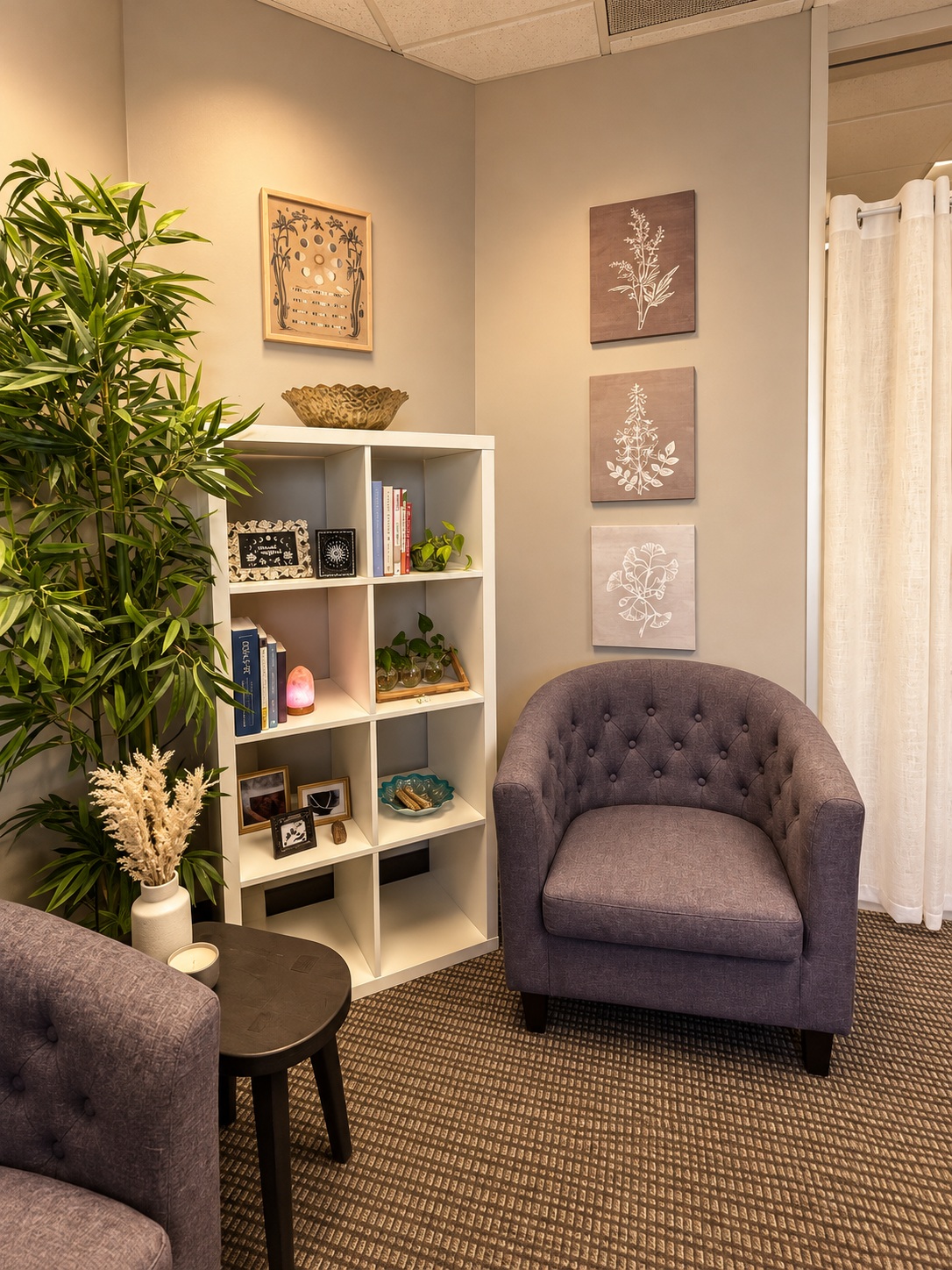
That sentence changed how we work. Our leadership team, our therapists and our clients spent years asking what women needed beyond an explanation of their patterns. We began making more room for regulation, relationships, body awareness and each woman’s history, alongside insight and practical skills. Women’s stories helped us understand what a behavior had been managing and what support might help now. Our questions changed too: rather than starting with “What did you do?”, we asked “What was that helping you survive?” That question opens a conversation. It does not assume that every symptom has the same cause or that every woman needs the same path.
That work became RICC: Regulate, Integrate, Cognition, Choice, the framework we use to organize care at Women’s Recovery. It gives women and their clinicians shared language for regulation, body awareness, relationships, insight and choices in daily life. These areas can overlap and be revisited as needs change. Assessment, safety and each woman’s goals guide the pace. RICC describes our approach; it is not a universal sequence for healing or a promise of a particular outcome.
Today, Women’s Recovery is a CARF-accredited, trauma-integrated outpatient program in Denver, offering PHP, IOP and outpatient care. We’re still listening, and the women we serve still shape how we work.
Healing began the day I stopped asking my past to decide who I was allowed to become.Women’s Recovery graduate
What we believe
We ask what a behavior has been helping a woman manage, while also considering its effects, her safety and the changes she wants to make.
- “Symptoms Are Solutions” is our way of exploring how drinking, anxiety or over-functioning may have helped someone cope. We assess the full picture rather than assuming a single explanation.
- Regulation and insight both matter. We make room for grounding and practical coping alongside reflection, with pacing based on each woman’s needs.
- Relationships matter. Individual and group work offer space to notice relationship patterns, practice boundaries and seek support.
- You are the expert on your life. We walk alongside you. We don’t prescribe your path.
- No one heals by being made smaller. No shame, no punishment, no handcuffs.
Leadership

Holly Macek
MA, LPCC
Founder
Holly founded Women's Recovery in 2017 on a stubborn kind of hope: that every woman who walks in can heal, and deserves to be treated like it. Her optimism is the foundation the whole program is built on.
Learn more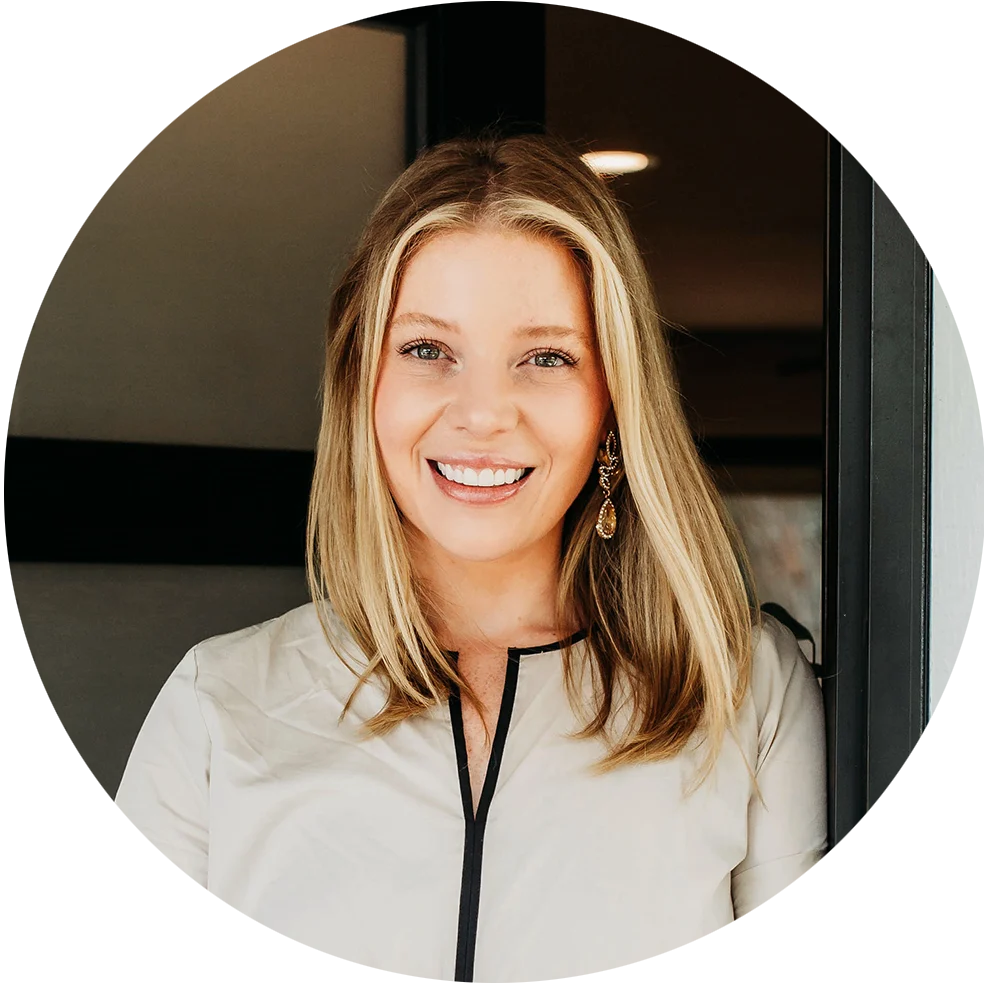
Donna Cheramy
Executive Director
Donna builds the structure that lets healing happen: the systems, culture and strategy behind every session at Women's Recovery. She holds one rule above the rest: client care is never the place to cut corners.
Learn more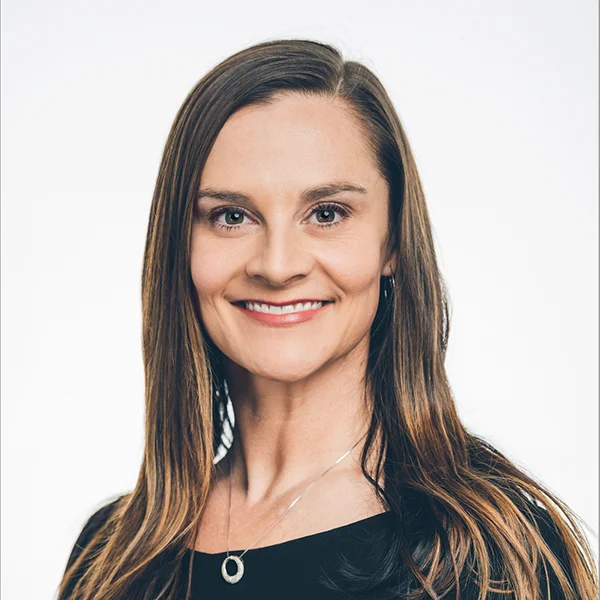
LaTisha Bader
PH.D., LP, LAC, CMPC
Chief Clinical Officer
A psychologist who works with Olympic and professional athletes, Dr. Bader knows how the nervous system performs under pressure. She brings that science to every woman who's been holding it all together.
Learn more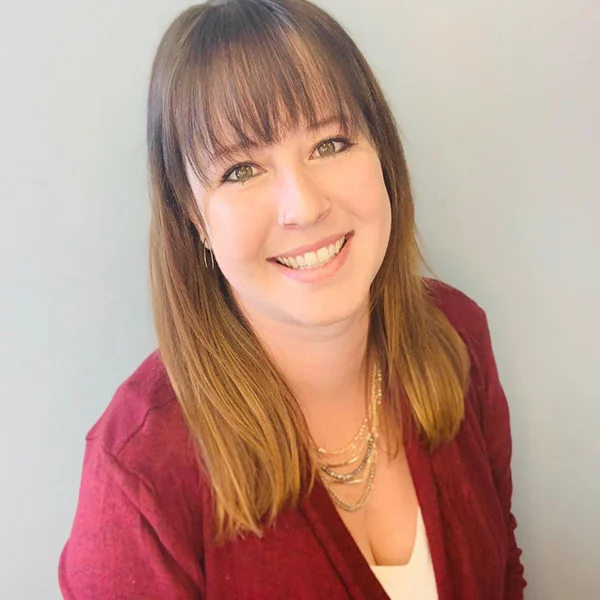
Amanda Miller
LCSW, LAC
Clinical Director
Amanda is the heart of Women's Recovery: the connector who knows every client and every clinician, and who meets each of them with warmth, honesty and a steady belief in what they can do.
Learn more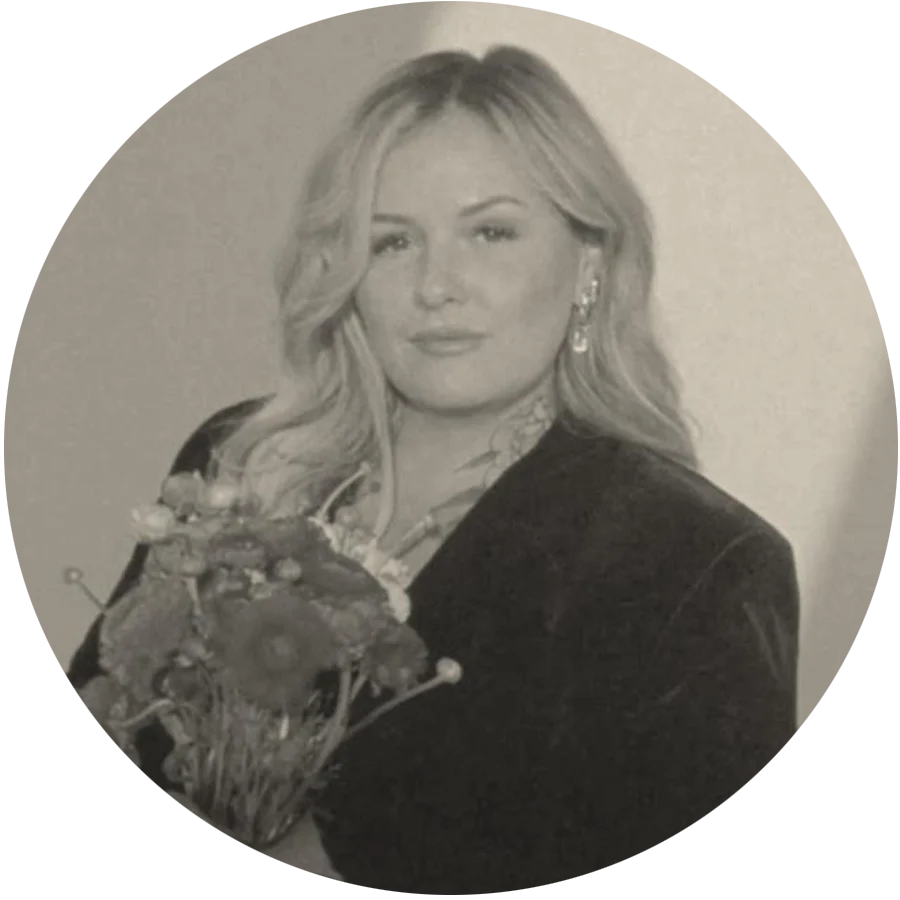
Maren Masino
Trauma Specialist & Clinical Consultant
Trained under Dr. Janina Fisher and Dr. Bessel van der Kolk, Maren shapes the trauma thinking at the center of Women's Recovery. She teaches our team to meet every woman's protective parts with patience and respect.
Learn more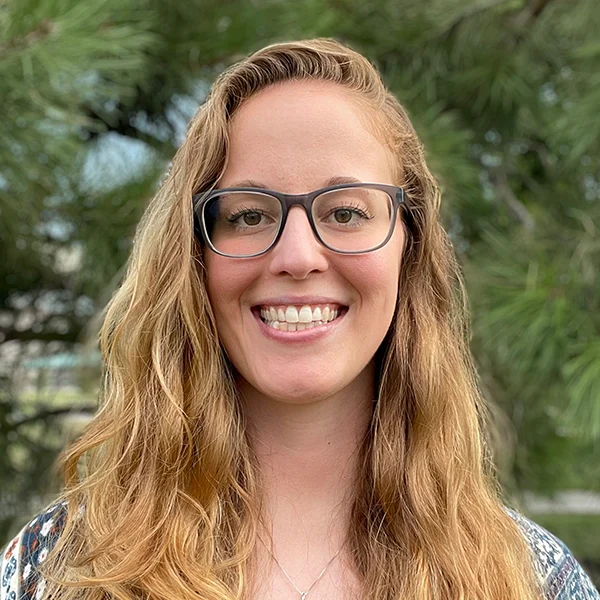
Kathryn "Katie" Tombridge
MA, LPC, LAC
Lead Clinician
Katie brings neuroscience and deep compassion into every session. She helps women understand what their brain and body have been doing to survive, and what becomes possible when they no longer have to.
Learn more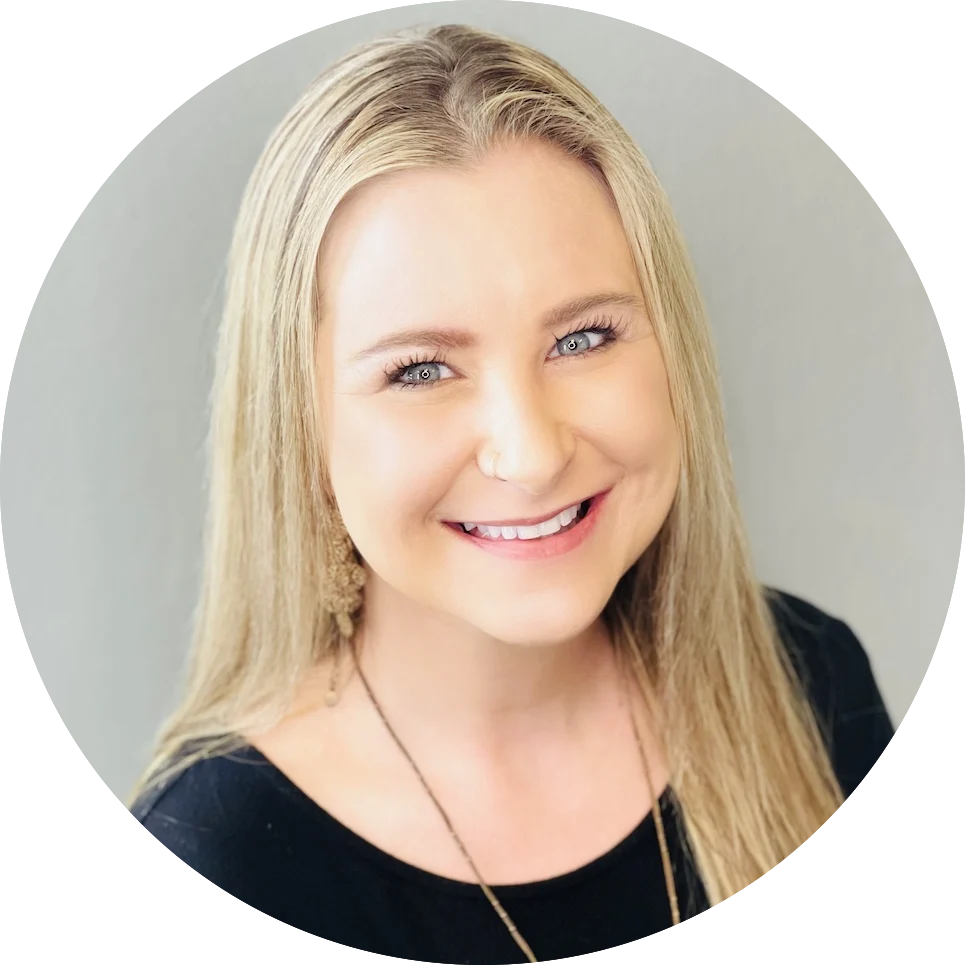
Crystal Girouard
Director of Client Services
Crystal is the pulse of Women's Recovery. She meets every woman on her first day, walks beside her through every stage, and welcomes her into the alumni community she built.
Learn more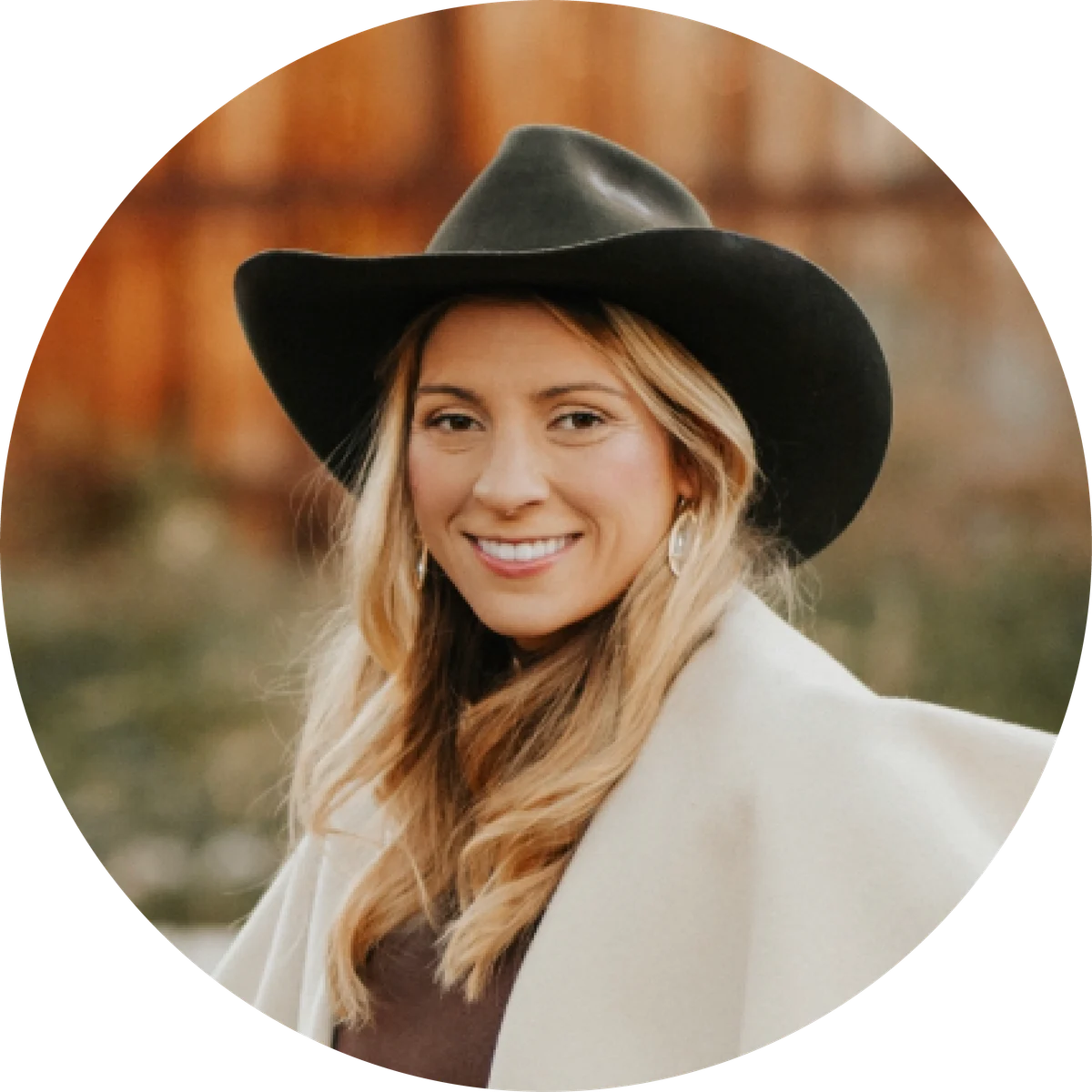
Taylor Ross
MSW
Clinical Outreach Liaison
Taylor knows everyone, and everyone knows Taylor. A clinically trained social worker and a Women's Recovery alumna, she connects women, and the professionals who care for them, to the right care fast.
Learn moreClient stories
Alumni describe the experience of being heard, working through trauma, and finding community. Their words are shared without names.
How we measure progress
We measure what matters. Every woman completes standardized assessments for depression (PHQ-9), anxiety (GAD-7), and trauma symptoms (PCL-5) at admission and every two weeks in treatment. Progress is something we track together.
“I’m proud of myself.” In my whole life, those were four words I had never spoken about myself.Women’s Recovery graduate
Accreditations and memberships
- CARF Accredited
- LegitScript Certified
- Licensed by the Colorado Behavioral Health Administration
- NAATP Member
- Certified Soberlink Provider
I came here with a tree barely alive, sick with rotting roots… Little did I know I was being planted in a forest of Redwoods… Their roots stretch outward to intertwine with the roots of other Redwoods. Because of their intertwined network of roots, Redwoods rarely fall. They rely on each other… I never thought I’d belong in this forest; that I would flourish in it, that I would be so supported and nourished and in turn could support other trees around me. This is just the beginning.Women’s Recovery graduate
If you can't believe that yet, borrow my hope. Just long enough to find your own.
Women’s Recovery graduate