
How Women Can Keep Winter Social Connection In CO

Women can keep social connection through Colorado winters with brief check-ins, flexible plans, and safe indoor meetups. If you’re asking “how can women keep social connection during winter in colorado,” start with one trusted person. Choose contact that fits your energy, travel safety, and comfort.
How Can Women Keep Winter Social Connection In CO?
Women can keep winter social connection in CO by choosing small, repeatable ways to stay in touch. A short call may fit better than a full outing. For women who need care, benefits of outpatient treatment and outpatient treatment for busy women offer context for balancing support with daily life.
Start with people who leave you feeling heard and respected. You don’t need a large circle or a full calendar. One steady friendship can offer room for honest talk. Aim for contact you can repeat without feeling drained.
Give a loose plan a clear shape. A brief call after work is easier to picture than catching up sometime. Keep the plan small enough to fit a hard week. Leave room to change the time without dropping contact.
Different kinds of contact can meet different needs. A voice message lets a friend hear your tone. A shared meal gives you time without a formal event. Quiet company can count, even when neither person feels talkative.
You don’t have to try every idea at once. Pick one form of contact that feels welcome this week. Notice whether the exchange brings comfort or adds stress. Adjust the plan based on your needs, rather than a social goal.
- Set a brief weekly call with someone who respects your time and boundaries.
- Choose a nearby indoor place where you can talk without a long drive.
- Use voice messages when work, caregiving, or low energy makes live calls hard.
- Pair social time with a meal or errand you already planned to do.

Why Can Staying Connected Feel Harder In Winter?
Winter can make social contact harder when cold weather, short days, and travel concerns disrupt familiar plans. Work and care duties may leave little room to adapt. The guides to barriers to mental health treatment and outpatient treatment for busy women discuss related demands that can limit access to support.
A canceled outing can remove more than one event. You may lose the chat, shared meal, and routine around it. When several plans fall through, reaching out may start to feel harder. That pattern deserves care, rather than blame.
Women may face added demands from work or caring for others. Some people have little privacy for a call at home. Others lack a car or feel unsafe driving after dark. A useful plan takes those limits seriously.
Being alone and feeling lonely are different experiences. Some women enjoy quiet time and feel well supported. Others feel cut off in a busy house or workplace. Focus on the quality of contact, rather than the number of people nearby.
Mental health concerns can affect thoughts, feelings, and daily life, as SAMHSA explains. Still, a quiet winter week alone does not show a mental health condition. Look for changes from your usual habits and needs. A clinician can help sort out concerns that last.
Try to separate a hard season from a harsh view of yourself. Missing an event does not make you a poor friend. A delayed reply may reflect stress rather than rejection. Clear, kind contact leaves less room for painful guesses.
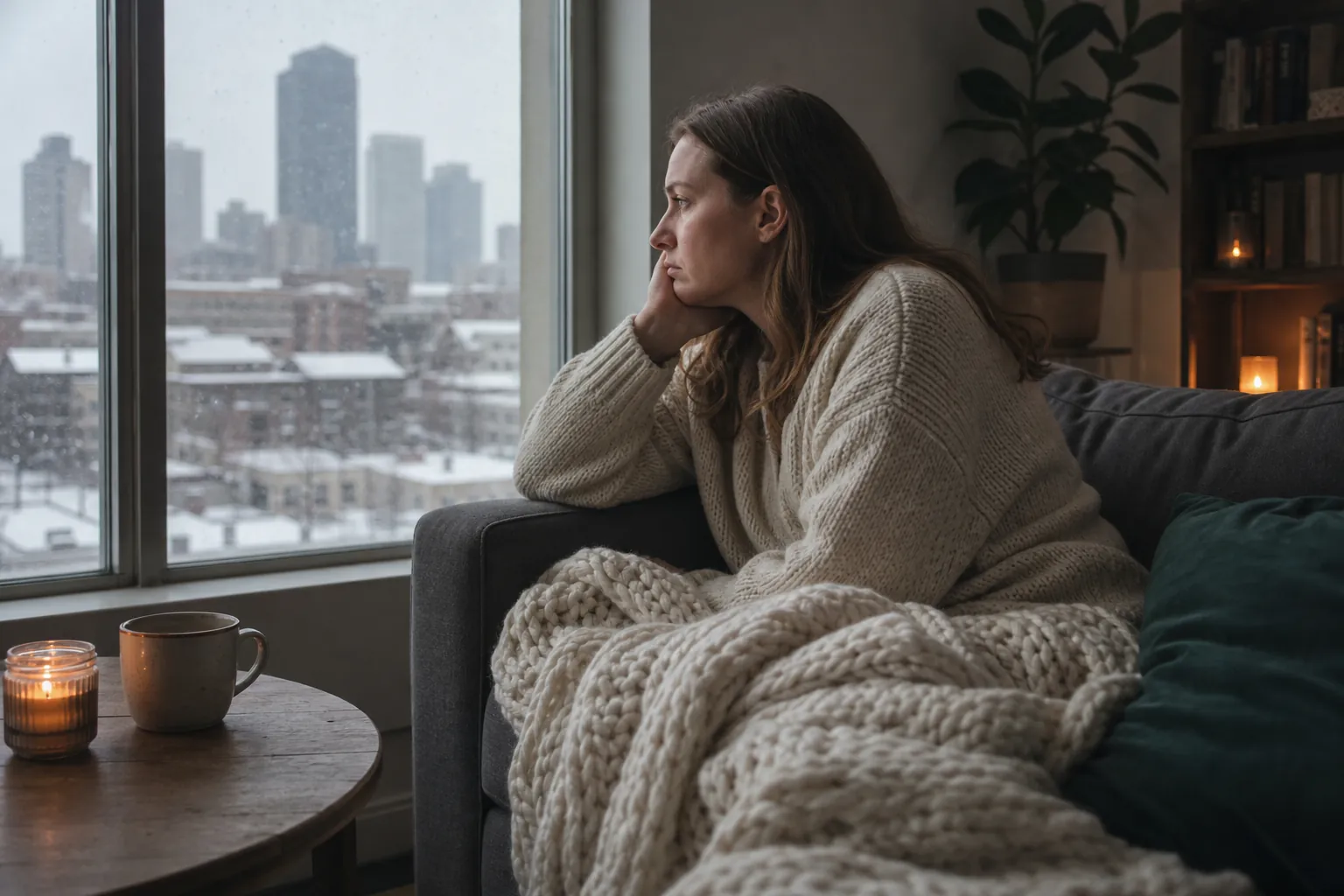
How Can You Make Plans That Survive Snow And Fatigue?
Winter plans work better when they include a simple backup and room to cancel safely. Keep contact separate from the need to travel. Women balancing care and daily tasks can explore balancing outpatient addiction treatment and outpatient treatment for busy women for related ways to protect time and energy.
Choose the backup while everyone still feels calm. A coffee visit might become a phone call if roads worsen. You can also move the date without treating the change as failure. Staying home for safety does not have to mean losing touch.
Think about the whole outing, including the trip home. An easy drive at noon may feel harder after dark. Check current conditions before leaving, and use your judgment about safe travel. A social plan should never pressure you into a risky trip.
Low energy calls for a smaller plan, not always no plan. You might shorten a visit or meet closer to home. A friend may welcome a quiet meal instead of a crowded event. Being clear about your limits can make time together easier.
Remote contact can help when travel falls through. Still, an open-ended group chat may feel like another task. A short call with a clear end can be easier to manage. Let the people involved choose what feels workable.
- Choose a backup call before weather changes force a last-minute decision.
- Pick a meeting place that reduces travel strain for everyone involved.
- Allow shorter visits when sleep, work, or care duties limit your energy.
- Confirm plans early enough that no one feels pressured to travel unsafely.
How Do You Stay Close Without Sharing Too Much?
Healthy connection allows warmth, privacy, and clear limits at the same time. You can spend time with someone without discussing trauma, treatment, or other private details. The pages on women’s only outpatient treatment and barriers to mental health treatment provide context for seeking support that respects personal comfort.
You get to choose what you share and with whom. A friend does not need your full history to offer company. You can talk about books, meals, work, or a shared interest. Ordinary conversation can give you a break from hard topics.
Trust can grow through small signs over time. Notice whether someone listens, keeps private matters private, and accepts a no. Pressure to explain yourself is different from care. You can step back from contact that leaves you feeling exposed or dismissed.
Clear limits may help a relationship feel more manageable. You might welcome a call but skip advice about your health. You may want company without questions about a recent loss. A respectful friend can care without having access to every detail.
Group settings can offer contact without the weight of a close friendship. Choose spaces where you can leave freely and take part at your own pace. You do not owe a personal story to belong. Check a group’s purpose and privacy rules before sharing sensitive details.
If past harm makes trust difficult, professional support may help you explore that concern. NIMH describes therapy as care that can address troubling thoughts, feelings, and behaviors. Therapy does not require you to tell friends more than you want. Social boundaries and clinical support serve different roles.
What Helps When Winter Social Plans Center On Alcohol?
Women who want alcohol-free contact can suggest plans built around food, shared interests, or time together. You don’t need to defend that choice. For those receiving substance use care, how outpatient treatment supports progress and balancing outpatient addiction treatment address keeping support connected to daily life.
Make the shared activity the focus of the invitation. A museum visit or a home-cooked lunch gives people a clear plan. You can choose a setting that fits your comfort without explaining your health. Friends may appreciate having a specific alternative.
Check the setting before committing if alcohol use matters to your safety or recovery. Some events may feel manageable, while others may not. Your treatment team can help you think through personal risks. General social tips cannot replace that guidance.
Have a way to leave that does not depend on another guest. You can set a shorter visit or skip an event altogether. Missing one gathering does not mean giving up friendship. Suggest another chance to connect if you want to keep the relationship.
The ASAM Criteria describes care planning that responds to a person's needs and progress. Friends may be part of that support, but they do not replace treatment. If substance use is causing concern, speak with a clinician. You do not need to wait for a major loss to seek help.
- Invite a friend to share breakfast at a place you both enjoy.
- Choose a craft night where making something gives the visit a focus.
- Meet at a library event that matches a shared interest.
- Plan a quiet movie evening with people who respect alcohol-free choices.
When Is Isolation A Sign To Seek More Support?
Isolation deserves added support when withdrawal from people persists or disrupts sleep, work, self-care, or daily needs. A professional can assess what is happening without assuming a diagnosis. Resources on barriers to mental health treatment and benefits of outpatient treatment explain parts of seeking care beyond informal social support.
Look at the pattern across daily life. You may be skipping meals, missing work, or losing interest in familiar things. You might want contact but feel unable to answer anyone. These changes are worth discussing with a mental health professional.
Loneliness by itself does not identify a specific condition. Stress, grief, health concerns, and other factors can overlap. A clinician can ask about your symptoms and needs. Seeking an assessment is different from deciding on a treatment program.
If distress is worsening and daily tasks feel hard, seek a prompt clinical assessment. Tell the care team about changes in sleep, mood, and functioning. The team can help determine the next level of support. An admissions inquiry is not emergency care.
Call 911 for immediate danger, or call 988 for the Suicide and Crisis Lifeline during a mental health crisis. Do not wait for a program opening or an admissions reply in a crisis. Emergency services and crisis support have different roles from routine treatment.
Friends can stay involved within clear limits. They may offer company, help with a meal, or support during a call. They should not have to diagnose symptoms or manage a crisis alone. A broader support plan can reduce pressure on one relationship.
How Can Outpatient Care Support Winter Connection?
Outpatient care can add planned support while women continue living at home. At Women’s Recovery in Denver, individual assessment determines whether care fits a woman’s needs. The guides to benefits of outpatient treatment and women’s only outpatient treatment explain the setting without replacing an assessment or admission decision.
Women’s Recovery serves adult women with mental health, trauma, and co-occurring substance use needs. Co-occurring means mental health and substance use concerns happen together. A substance use diagnosis is not required to call. Women go home each evening.
Trauma-informed care takes past harm into account during care. Women’s Recovery provides this approach, with mental health and trauma as the primary focus. Care includes weekly individual therapy, a case manager, and psychiatric care. Contact with support people is based on consent.
A steady care schedule may create room to discuss isolation and strained relationships. Treatment is not a substitute for friendship or community. A clinical team can help you explore barriers to contact. The plan should reflect your needs, rather than a general winter checklist.
An inquiry starts a conversation about needs and possible fit. Clinical assessment and admission are separate steps. The team must determine whether the setting can meet your needs. Calling does not establish a diagnosis, a schedule, or an admission date.
Women’s Recovery does not provide onsite detox, residential, or inpatient care. Women from other Colorado communities would receive care at the Denver location. Travel and returning home each evening are important parts of fit. Discuss those limits with the team when exploring support.
Questions about next steps? Call Women’s Recovery at 833.754.0554 or review the Women’s Recovery admissions process.
Frequently Asked Questions
Can Online Contact Help When I Cannot Get Out?
Online contact can help you stay in touch when travel is difficult. A video call or voice chat can make room for shared time. Choose people and spaces that feel respectful. Online contact may not meet every social need, so notice how you feel afterward and adjust without judging yourself.
What If A Friend Keeps Canceling Winter Plans?
Repeated cancellations are a reason to check what kind of contact fits, rather than assume rejection. Your friend may face weather, health, or care demands you cannot see. Suggest a simpler option once, and leave room for an honest response. You can care about the friendship while putting energy into other supportive relationships.
How Can I Reconnect After Months Without Contact?
You can reconnect with a brief, warm message that leaves room for the other person to respond. You do not need a full account of your absence. Name something you value about the relationship and suggest a small next step. A slow reply does not tell you everything about how the person feels.
Can Pregnant Or Postpartum Women Seek Support At Women’s Recovery?
Pregnant and postpartum women are welcome to contact Women’s Recovery about care. An individual assessment determines fit, and a substance use diagnosis is not required to call. Children and infants are not onsite. Discuss care needs and practical limits with the team, including travel, childcare, and returning home each evening.
Is Quiet Time Alone Always A Problem?
Quiet time alone is not always a problem. Solitude can feel restful when you choose it and still have access to support. Pay attention when being alone feels unwanted or starts disrupting daily life. If you feel stuck, distressed, or unable to reconnect, a mental health professional can help assess your needs.
Sources
- What Is Mental Health?, SAMHSA
- Psychotherapies, National Institute of Mental Health (NIH)
- The ASAM Criteria, American Society of Addiction Medicine
Call 833.754.0554 to talk through next steps.