
Are Children Onsite During Women's Outpatient Care In CO
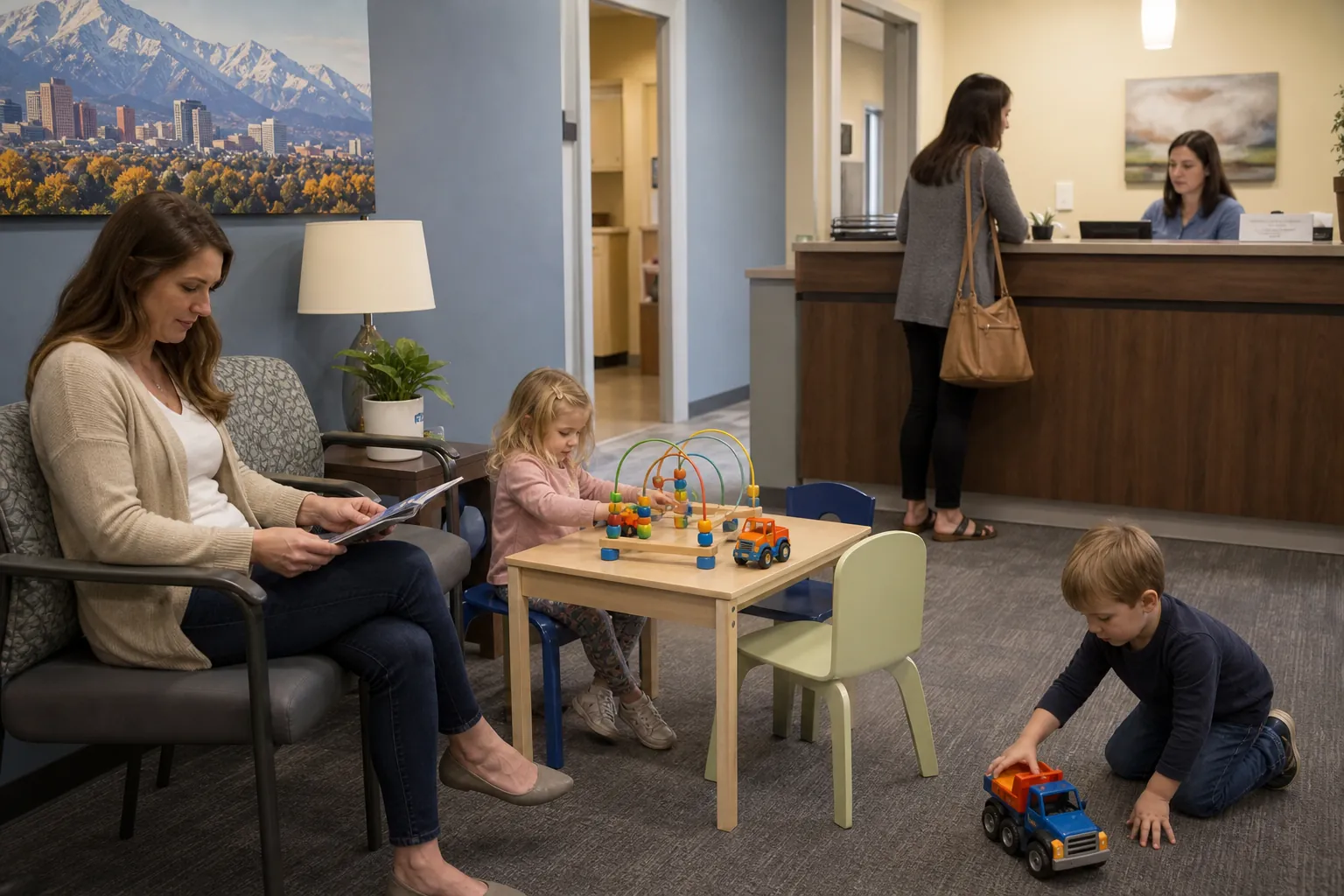
If you're asking, “are children onsite during women's outpatient care in Denver,” the answer at Women’s Recovery is no. Children and infants aren't onsite. Pregnant and postpartum women are welcome, and women go home each evening. Families need separate child care during treatment, though arrangements aren't required before calling.
Are Children Onsite During Women's Outpatient Care?
Children and infants are not onsite at Women’s Recovery in Denver. Adult women attend care without their children and return home each evening. The benefits of outpatient treatment include staying connected to home life, while balancing outpatient care and daily life involves planning for time away.
The onsite rule includes infants, even when a parent is postpartum. Pregnancy and postpartum status do not exclude women from seeking care. The welcome for mothers is separate from the rule about children.
A women’s program is not the same as a parent and child program. Women’s Recovery does not provide onsite care for children. A partner or relative bringing a child along does not change that boundary.
Knowing the rule early can prevent stress on a treatment day. Your family may need care during sessions, travel, and pickup. School or day care hours may cover some of that time, but may leave gaps.
You do not need every detail settled before reaching out. A first conversation can help clarify the program and next steps. You can explain that child care is a concern without having a finished plan.

Can Pregnant And Postpartum Women Seek Care?
Pregnant and postpartum women are welcome at Women’s Recovery, though children cannot attend onsite. Care serves adult women with mental health and trauma needs, including those with substance use concerns. Explore the women's only outpatient treatment program and barriers to mental health treatment for related context.
A substance use diagnosis is not required to call. Mental health and trauma are the program’s main focus. Having symptoms after birth does not tell you which treatment level fits.
An individual assessment helps determine that fit. Assessment means reviewing your needs, health, daily life, and current support. Pregnancy or being a parent alone does not decide the result.
Share concerns about sleep, mood, stress, or substance use with the clinical team. You can also explain how caring for a baby affects your day. The team needs that context without assuming every new mother has the same needs.
Care for mothers also has limits worth knowing from the start. Women’s Recovery offers services for adult women, not treatment for their children. You can seek help for yourself while using separate health and care services for your family.
- Pregnant women are welcome to contact the program about their own care needs.
- Postpartum women can seek help even without a substance use diagnosis.
- Children and infants need care elsewhere while a parent attends onsite treatment.

How Much Child Care Might Treatment Hours Require?
Child care needs depend on the treatment level, session times, and travel. Women’s Recovery offers PHP, IOP, and outpatient care, with fit based on assessment. The benefits of outpatient treatment and outpatient treatment for busy women help frame how structured care can fit family life.
PHP means partial hospitalization program, a more structured daytime level of care. IOP means intensive outpatient program, with fewer weekly hours than PHP. Outpatient treatment has a smaller group time commitment, along with individual therapy.
The table shows program hours, not a schedule assigned to you. Weekly group hours are not the full child care picture. Include travel and the timing of individual visits when discussing practical needs.
PHP typically lasts four to six weeks, but your course may differ. IOP has morning and evening tracks. A track’s existence does not mean a specific opening or session time is available.
Every level includes weekly individual therapy, a case manager, and psychiatric care. Ask the team how those parts fit the proposed schedule. Do not assume the group schedule includes every visit.
The American Society of Addiction Medicine’s ASAM Criteria describes placement based on individual needs. Fewer child care hours may feel easier, but convenience alone should not set the care level. Discuss both clinical needs and family limits.
| Care Level | Usual Program Hours | Schedule Detail | Child Care Factor |
|---|---|---|---|
| PHP | Twenty-five to thirty hours weekly | Five days weekly | Longer coverage blocks |
| IOP | Nine to fifteen hours weekly | Three to five three-hour sessions | Morning or evening needs |
| Outpatient | One and a half group hours weekly | Plus individual therapy | Separate visit coverage |
How Can Families Plan For Time Away?
Families can plan around treatment by matching safe child care with actual session and travel times. A plan can develop after the first call. Resources on balancing outpatient care and daily life and outpatient treatment for busy women offer context without replacing an individual schedule discussion.
Start with the hours the program confirms for your proposed care. Then consider where a child will be during those hours. Avoid relying on a sample schedule as though it were your own.
Care may come from a trusted adult, an existing provider, or both. Each family’s options differ by work hours, school, age, and support. Treatment staff cannot assume that relatives are available or able to help.
A shared plan can make handoffs clearer for everyone involved. Focus on who is responsible and when care begins and ends. Keep adult treatment details separate from the facts a caregiver needs.
These are planning options, not tasks you must finish before seeking help. If no workable arrangement exists yet, say that during contact. Knowing the barrier helps make the schedule discussion more realistic.
- Include travel time when deciding how long another caregiver will be responsible.
- Check school breaks and early pickup days against the proposed treatment schedule.
- Choose a backup caregiver when a trusted and safe option is available.
- Share pickup details with caregivers without sharing private treatment information you wish to keep.
What Happens If Child Care Falls Through?
If child care falls through, contact the program about the missed or affected visit. Children still cannot come onsite as a backup. Guidance on staying on track with outpatient care and barriers to mental health treatment can help put attendance problems in context without promising an exception.
A sick child or a canceled caregiver can disrupt a sound plan. Explain the change as soon as you can. The team can clarify attendance expectations and any next steps that apply.
Do not assume a missed session can move to another day or format. Schedule changes depend on the program and your care needs. This post cannot confirm remote visits, makeup sessions, or a child care service.
Repeated gaps deserve a broader conversation than a single absence. The current schedule may be hard to sustain with your available support. Discuss that strain with the team rather than quietly dropping out of contact.
A practical barrier does not erase the need for care. At the same time, staff must consider what level can safely meet your needs. A simpler schedule is not always a suitable clinical substitute.
The most useful response is clear contact, not blame. You can describe what changed and which hours are affected. You do not need to defend being a parent or explain every private family detail.
Can Family Help Without Attending Treatment?
Family members can support treatment through child care and daily help without attending sessions. Women’s Recovery includes consent-based contact with chosen support people. The women's only outpatient treatment program and staying on track with outpatient care explain related parts of receiving care while living at home.
Consent-based contact means permission guides contact with people involved in your support. A person who watches your child does not automatically join your treatment. Practical help and access to health information are separate matters.
SAMHSA’s Resources for Families describes the value of family support during care. Support can be simple, such as a school pickup or shared meal. Family involvement should fit the person’s needs and circumstances.
Some women have limited support or strained family ties. You do not have to present a close family network to call. Tell the team about limits that affect your care or comfort.
A child may need a brief explanation for a changed routine. You can use plain words about getting help and who will provide care. Avoid placing adult treatment details or responsibility for your recovery on a child.
The National Institute of Mental Health’s Psychotherapies resource highlights the role of treatment fit. Your comfort discussing family concerns matters within that work. You can bring up privacy needs and concerns about sharing information.
- A support person can handle school pickup during a scheduled treatment visit.
- A trusted adult can keep home routines steady while you attend care.
- Family members can offer practical help without receiving details about your sessions.
How Do You Start When Child Care Is Uncertain?
You can contact Women’s Recovery before child care is settled. Initial contact, assessment, and admission are separate steps, and fit requires review. Reading about barriers to mental health treatment and the benefits of outpatient treatment may help you describe needs without deciding your own care level.
The first conversation can cover the reason you are seeking care. You can mention pregnancy, postpartum needs, and limits on time away. You do not need a diagnosis or a finished family schedule.
An assessment reviews your needs before a care recommendation is made. Admission is a separate step, not an automatic result of calling. The team must determine fit and explain what happens next.
Women’s Recovery does not provide onsite detox, residential, or inpatient care. Detox means medical care for withdrawal when a substance is stopped or reduced. A person who needs that support may need a different setting first.
Withdrawal from alcohol, benzodiazepines, or opioids can be dangerous and needs medical supervision. Child care barriers should not delay urgent assessment of concerning symptoms. Outpatient enrollment is not a substitute for emergency medical care.
Call 911 for an emergency or immediate danger, or 988 for the Suicide and Crisis Lifeline. For urgent symptoms without immediate danger, seek prompt clinical assessment rather than waiting for admission. The right next step depends on the level of risk and care needed.
Questions about next steps? Call Women’s Recovery at 833.754.0554 or review the Women’s Recovery admissions process.
Frequently Asked Questions
Can I bring a baby who is still breastfeeding?
No, infants are not onsite at Women’s Recovery, including babies who are breastfeeding. Postpartum women are welcome to seek care, but the infant needs care elsewhere. Discuss feeding-related timing needs with the team before relying on a schedule. This post cannot confirm breaks, private pumping space, or milk storage.
Does a women’s program mean parenting classes are included?
No, a women’s program does not by itself mean parenting classes are included. Women’s Recovery provides mental health, trauma, and co-occurring substance use care for adult women. The supplied services do not establish a parenting curriculum. Discuss your goals with the team without assuming a specific class is offered.
Can I attend if my children live with someone else?
Having children who live elsewhere does not by itself determine treatment fit. Women’s Recovery serves adult women, and individual assessment guides care. You can discuss parenting stress or family concerns that affect your health. You do not need to be a child’s current daily caregiver to seek help.
What does insurance approval cover?
Any insurance approval applies to the services and terms the health plan specifies. Benefits review does not promise coverage or admission, and child care coverage should not be assumed. Clinical assessment and admission remain separate steps. Confirm covered services, authorization needs, and any personal payment responsibility with the insurer and program.
Does going home each evening mean treatment is easy to fit around parenting?
Going home each evening allows continued home life, but treatment can still require substantial time. PHP and IOP involve several weekly sessions, plus other care visits. Parenting demands may overlap with those hours. A realistic plan considers clinical needs, travel, and safe care for children rather than assuming evenings solve every conflict.
Sources
- Resources for Families, SAMHSA
- Psychotherapies, National Institute of Mental Health (NIH)
- The ASAM Criteria, American Society of Addiction Medicine
Call 833.754.0554 to talk through next steps.