
Women's Treatment Program Accessibility In CO

If you're searching for "women's treatment program accessibility Denver," confirm how a program handles your access needs before choosing care. Access includes building entry, communication, schedules, privacy, and costs. Women's Recovery offers daytime care for adult women, but specific accommodations and clinical fit need direct review.
What Does Women's Treatment Program Accessibility Include?
Women's treatment program accessibility includes getting into care, taking part, and returning safely home. Access depends on both personal needs and program limits. The benefits of outpatient treatment explain the home-based format, while barriers to women's mental health treatment describe challenges that may need extra support.
An accessible program needs to work in daily life. A building may be easy to enter, yet its schedule may conflict with work. A group may fit your goals, yet require communication support. Each part deserves a clear answer before enrollment.
Women's Recovery serves adult women in Denver, including pregnant and postpartum women. Care focuses on mental health, trauma, and substance use when present. A substance-use diagnosis isn't required to call. Women attend treatment and go home each evening.
The program offers partial hospitalization, intensive outpatient, and outpatient care. These names describe different amounts of support during the week. None includes an overnight stay at Women's Recovery. A clinical assessment helps determine which setting fits your needs.
Access and clinical fit are related, but separate. A workable commute doesn't show that a program can meet your care needs. Likewise, a helpful treatment plan still needs a workable attendance plan. Both parts should be discussed with the team.
You don't need perfect words for an access concern. You can describe what makes entering, hearing, reading, or joining groups hard. Staff can then explain what needs more review. An accommodation, meaning a change that helps access, must be confirmed rather than assumed.

How Can Physical And Sensory Needs Be Addressed?
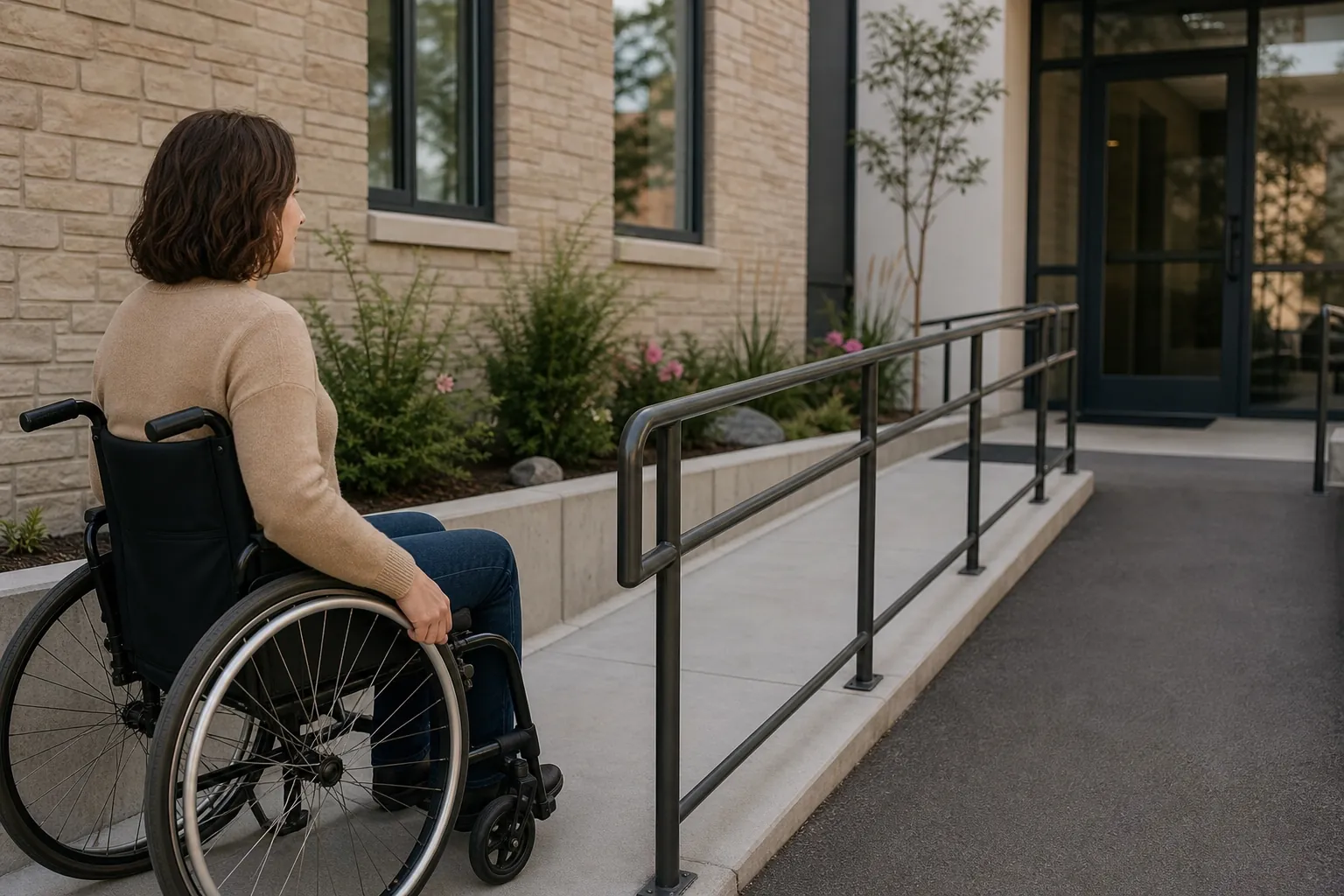
Physical and sensory access needs should be reviewed with staff before attendance. Confirm the full route and treatment space, rather than assuming access from a building description. Both women's only outpatient treatment and balancing care with daily life depend on being able to participate comfortably and safely.
Start with the parts of a visit that affect you. These may include the entrance, elevators, restroom, seating, and room layout. Women's Recovery's program information doesn't verify those building features. Direct confirmation is needed for any feature you rely on.
Sensory needs can affect access even without a mobility concern. Bright lights, background noise, or crowded spaces may make participation harder. Tell staff which conditions create a barrier for you. Don't assume a quiet room or lighting change is available.
- Confirm the entrance route and any elevator access needed for your visit.
- Discuss seating or space needs related to mobility aids and comfort.
- Describe light, sound, or crowding concerns that may affect group participation.
- Confirm restroom access and any other building feature you rely on.
What Communication Support Should Be Confirmed?
Communication support needs should be discussed before forms, assessments, or groups begin. Explain how you best receive information and what makes communication difficult. Understanding women's only outpatient treatment and barriers to seeking mental health care can help separate a communication barrier from a concern about treatment itself.
Access can involve hearing, vision, reading, speech, language, or memory. Some women need more time to process spoken information. Others may find a long written form hard to use. Those needs don't explain a diagnosis or determine clinical fit.
Describe the format that helps you understand and respond. Examples include plain wording, larger text, or written summaries of key points. These examples are topics for review, not verified program features. Staff must confirm what support can be arranged.
Interpreter services, translated forms, and assistive technology aren't confirmed in the program information. Don't assume that a friend must interpret for you. Discuss language needs and privacy directly with staff. Clarify who would provide any approved communication support.
Group care adds another layer to communication access. Following several speakers can differ from talking with one clinician. The team needs to understand barriers across both settings. A support that works during intake may need review during treatment.
The National Institute of Mental Health's Psychotherapies resource encourages discussing treatment expectations and therapist fit. Clear communication helps you understand those choices. A useful explanation should leave room for your response. If a key point remains unclear, staff should explain the next step in simpler terms.
How Do Program Hours Affect Access To Care?
Program hours affect access because care must fit alongside travel, work, and home responsibilities. Women's Recovery offers several levels, but individual fit and scheduling need review. The benefits of outpatient treatment describe returning home, while balancing treatment with daily responsibilities explores the practical demands of attending care.
Partial hospitalization means structured treatment for much of the day. Intensive outpatient care involves fewer weekly hours while still offering regular support. Outpatient treatment involves a lighter weekly schedule. The table describes the program's general structure, not an assigned personal schedule.
Every level includes weekly individual therapy, a case manager, and psychiatric care. A case manager helps coordinate care needs and practical support. Each level also includes contact with support people when you consent. Confirm how these services fit within your actual attendance plan.
| Level Of Care | General Weekly Structure | Access Consideration |
|---|---|---|
| Partial hospitalization | Twenty-five to thirty hours over five days | Larger daytime commitment |
| Intensive outpatient | Nine to fifteen hours; morning or evening tracks | Three to five three-hour sessions |
| Outpatient treatment | Ninety-minute weekly group plus individual therapy | Lower weekly time commitment |
Can Trauma And Privacy Needs Shape Access?
Trauma and privacy needs can shape how safely a person feels able to enter treatment. Women's Recovery provides trauma-informed care, but specific requests still need discussion. The context of women's only outpatient treatment and barriers to women's mental health treatment may help explain concerns about trust, groups, or disclosure.
Trauma-informed care recognizes that past harm can affect present experiences. The approach pays attention to safety, choice, and respect. That description doesn't confirm every possible treatment method. Women's Recovery does not offer EMDR, a specific trauma therapy.
You can discuss an access concern without sharing your full trauma history. Staff may need some details to assess care needs. You can ask why information is needed and how it's used. The assessment should be separate from pressure to disclose everything immediately.
Privacy can affect phone calls, paperwork, and treatment attendance. A shared device or mailbox may create a concern at home. Tell staff which contact methods could expose sensitive information. The team must explain which communication arrangements can be supported.
Contact with family or other support people is consent-based at Women's Recovery. Staff should explain what your consent covers before sharing information. Privacy rules can include limits required by law or safety needs. Don't assume that every detail will remain private in every circumstance.
Group privacy needs special attention because other participants hear shared experiences. Staff can explain group expectations and confidentiality limits. You can discuss concerns before joining without assuming a private-only format. The clinical team must assess whether available care matches your needs.
How Do Costs And Admission Steps Affect Access?
Costs and admission steps affect access separately from treatment need. A benefits review checks insurance information, while a clinical assessment reviews fit and safety. Both barriers to women's mental health treatment and balancing care with daily life provide context for planning, but neither replaces a direct review.
HealthCare.gov's Mental Health and Substance Abuse Coverage resource explains broad insurance protections. Your plan's rules still affect covered services and personal costs. No insurer acceptance or specific costs are confirmed by admissions. Staff and your health plan need to review your situation.
A benefits review does not establish coverage or admission. Authorization means a health plan's permission for certain services. Authorization may be a separate step, depending on the plan. Clinical assessment and the program's admission decision remain separate as well.
- Benefits review checks plan details but does not settle every payment question.
- Clinical assessment reviews care needs, safety concerns, and the appropriate treatment setting.
- Authorization requirements depend on the health plan and the proposed services.
- Admission follows a separate decision about fit and the program's ability to meet needs.
What Happens When A Program Cannot Meet Your Needs?
A program that cannot meet an access or clinical need should explain the limit clearly. Another setting or provider may be needed after assessment. The benefits of outpatient treatment depend on appropriate fit, and barriers to women's mental health treatment can help frame needs that remain unresolved.
Some barriers call for a different arrangement within care. Others mean the available setting cannot safely provide enough support. The American Society of Addiction Medicine's ASAM Criteria guide placement based on a person's needs. A convenient schedule alone should not decide the care level.
Women's Recovery does not provide onsite detox, residential, or inpatient care. Detox is medical care for withdrawal from a substance. Residential and inpatient settings include overnight care. Someone who needs those services requires assessment for another setting.
Withdrawal from alcohol, benzodiazepines, or opioids can be dangerous and needs medical supervision. Don't wait for routine admission when symptoms need urgent assessment. Call 911 for immediate danger or a medical emergency, or 988 for the Suicide and Crisis Lifeline.
For a nonemergency concern, discuss which need remains unmet. Staff may need more information before explaining possible next steps. Another provider would still need to confirm services and fit. A referral does not establish access or admission elsewhere.
A limit at one program isn't a judgment about your needs. You may need more physical support, different communication services, or greater medical oversight. Clear limits help prevent a poor match. You deserve an honest explanation of what a program can and cannot provide.
Questions about next steps? Call Women’s Recovery at 833.754.0554 or review the Women’s Recovery admissions process.
Frequently Asked Questions
Can I contact the program before I have a diagnosis?
Yes, a substance-use diagnosis isn't required to contact Women's Recovery. The program focuses on mental health and trauma for adult women. You can describe your concerns without choosing a diagnosis yourself. A clinical assessment then helps clarify needs and treatment fit. Making contact is separate from completing assessment or admission.
Can I bring my baby or child to treatment?
Children and infants are not onsite at Women's Recovery. Pregnant and postpartum women are welcome, but attendance requires a separate childcare plan. This limit matters even when a group fits your schedule. Staff can explain attendance requirements, but childcare services or arrangements should not be assumed.
Does living outside Denver rule out care?
Living outside Denver does not by itself establish or rule out treatment fit. Women's Recovery's location is in Denver, and women go home each evening. Travel time and dependable transportation therefore matter. Discuss your location and care needs with staff. Don't assume there are additional locations or remote treatment options.
What happens after benefits review?
After benefits review, clinical assessment and admission steps still need to be completed. Staff may also need to clarify plan rules or authorization requirements. A benefits review does not promise coverage, personal costs, or admission. Keep financial questions separate from the clinical decision about which setting can safely meet your needs.
Does an evening track mean I can choose any session?
No, an evening track does not mean every session time is open for selection. Women's Recovery has morning and evening intensive outpatient tracks. Individual schedules depend on clinical fit and program planning. Confirm the full attendance pattern, including individual appointments, before relying on a track to fit work or family duties.
Sources
- Psychotherapies, National Institute of Mental Health (NIH)
- Mental Health and Substance Abuse Coverage, HealthCare.gov
- The ASAM Criteria, American Society of Addiction Medicine
Call 833.754.0554 to talk through next steps.