
Women's Recovery Alumni Connections After Care In CO
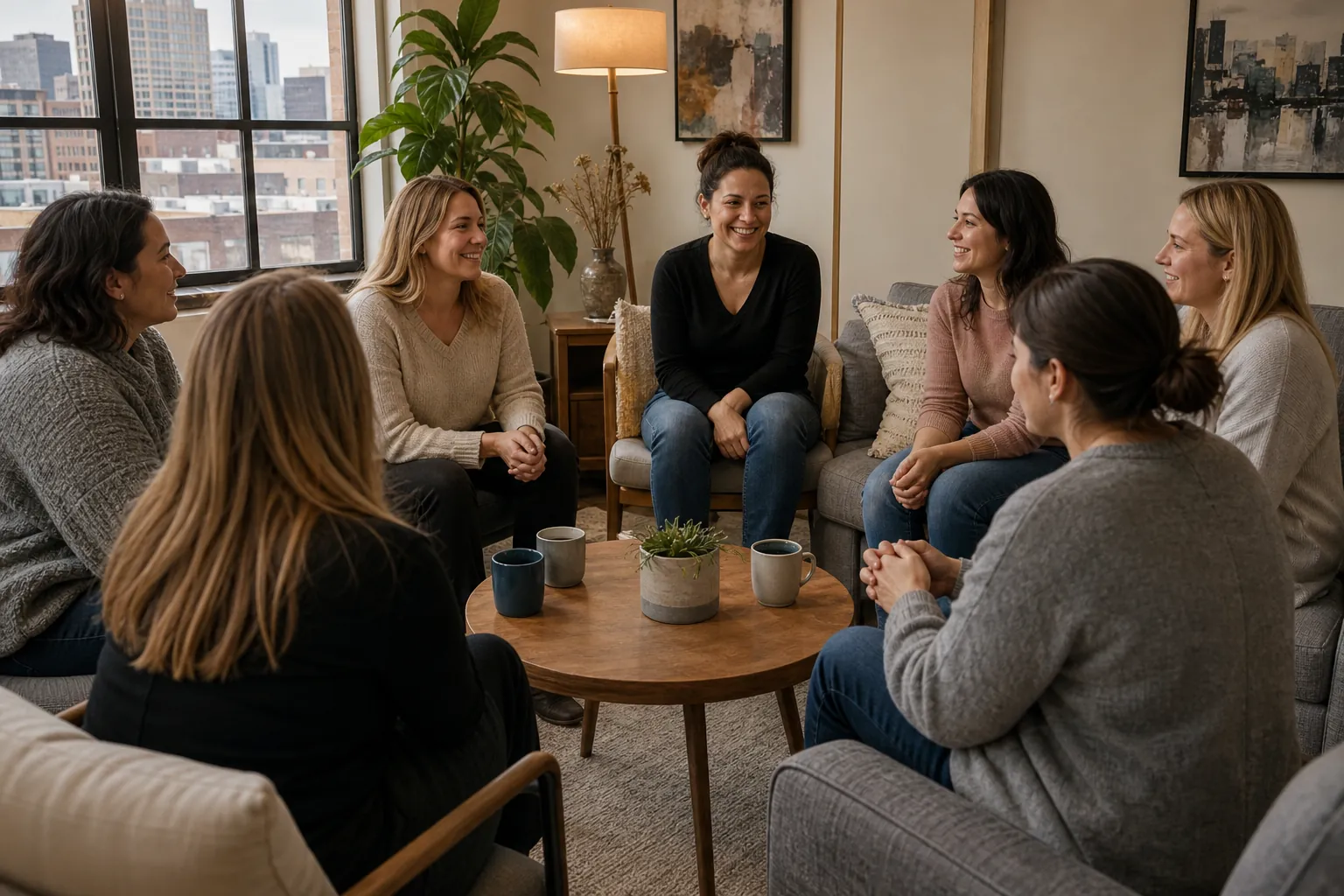
For women's recovery alumni support Denver, contact Women’s Recovery to confirm which post-treatment connections, if any, are currently offered. An alumni program is not confirmed in the program information. Peer contact may offer connection, but ongoing therapy and other clinical needs require a separate care plan.
What Does Women's Recovery Alumni Support Mean?
Women’s Recovery alumni support would mean connections after leaving treatment, if such services are offered. Current service details do not confirm an alumni program, events, or groups. The benefits of outpatient treatment and staying on track with outpatient care explain active care, which differs from informal peer contact.
The word alumni often means people who attended the same program. Yet the label alone says little about the support available. A program might use the term for social contact, updates, or peer meetings. None of those services should be assumed here.
Women’s Recovery provides mental health, trauma, and co-occurring substance use care. Co-occurring means mental health and substance use concerns happen together. Adult women can seek help without a substance use diagnosis. Those facts do not establish a separate alumni service.
The first step is a direct conversation about current options. Staff can clarify what exists and who may take part. If no alumni option is offered, the next topic is clinical follow-up. Community support may be another choice, based on personal needs.
A warm relationship with former peers can matter after care ends. Still, shared history does not make someone a trained care provider. Peer connection and clinical treatment serve different roles. Keeping those roles clear helps set fair expectations for everyone.
There is no need to know the right program term before calling. You can describe a wish for connection after care. Staff can then separate confirmed services from outside resources. That answer is more useful than a broad promise of lifelong support.
How Can You Clarify Which Connections Are Available?
Clarify post-treatment connections by asking staff to explain current offerings, access rules, and staff involvement. You do not need a prepared script or records before calling. The benefits of outpatient treatment and women’s only outpatient treatment programs provide background, but neither confirms a separate alumni service.
Start with the kind of contact you hope to keep. You may want shared company, a structured group, or help finding care. Those needs can point toward different resources. Staff can explain which needs the program can address.
A clear description should show who runs an activity. Staff-led treatment differs from a meeting run by former clients. A private chat created by peers may have no program oversight. That distinction affects privacy, boundaries, and the help available.
The same care applies to access details. An option may have rules about who can attend or when. A past event does not prove that another event is planned. Current facts matter more than old posts or secondhand reports.
- Confirm whether the connection is run by staff or by former clients.
- Clarify who can attend and how current participation details are shared.
- Check whether contact is social, peer based, or part of clinical treatment.
- Understand how concerns about privacy or conduct would be handled.
How Does Alumni Contact Differ From Ongoing Therapy?
Alumni contact centers on shared experience, while therapy addresses mental health needs through clinical care. One should not be treated as a replacement for the other. The benefits of outpatient treatment and staying on track with outpatient care describe structured support rather than an unconfirmed alumni offering.
NIMH describes psychotherapy as treatment that helps people work on thoughts, feelings, and behavior. People often call psychotherapy talk therapy. A peer conversation can feel helpful without being therapy. The difference lies in the purpose, provider, and care relationship.
Women’s Recovery offers partial hospitalization, intensive outpatient, and outpatient care. These are different levels of structured treatment, with fit based on assessment. Women go home each evening. Those services should not be described as alumni groups or drop-in social support.
| Support Type | Main Purpose | Important Limit |
|---|---|---|
| Alumni connection, if offered | Contact after a shared program | Details need direct confirmation |
| Community peer support | Shared experience and encouragement | Does not replace clinical assessment |
| Ongoing therapy | Work on mental health needs | Requires a clinical care relationship |
What Privacy Boundaries Matter After Treatment?
Privacy after treatment depends on clear consent and limits around sharing personal information. Former peers should never assume permission to share names, stories, photos, or contact details. The benefits of outpatient treatment and women’s only outpatient treatment programs offer care context, not proof of privacy rules for alumni activities.
Treatment can involve deeply personal details about trauma, health, and family. A shared group experience does not make those details public. Consent for contact should be clear and specific. Someone may welcome a message but decline a photo or group invitation.
Online spaces need special care because information can spread quickly. A private group can still have screenshots or forwarded posts. A familiar name does not prove a group is program-run. Staff can confirm whether a space has any formal connection.
Boundaries are useful even when everyone has good intentions. A person may need time away from treatment-related talk. Another may want contact without discussing symptoms or past events. Either choice can be respected without treating distance as rejection.
- Get clear permission before sharing another person’s name, photo, or treatment history.
- Respect a person’s choice to decline messages or leave a shared group.
- Keep peer contact separate from requests for therapy or urgent clinical advice.
- Confirm program involvement before treating an online group as an official resource.
Can Women Seek Connection Without A Substance Use Diagnosis?
Women can contact Women’s Recovery for mental health or trauma concerns without a substance use diagnosis. Support after care should reflect each woman’s actual needs and comfort. The benefits of outpatient treatment and barriers to seeking mental health treatment help explain access concerns without assuming everyone shares the same history.
The word recovery can mean different things to different people. Some women use the word for healing from trauma. Others use the word for changes tied to substance use. No one needs to adopt a label to discuss care.
Shared experiences can help people feel understood, but fit still matters. A group focused on substance use may not address every concern. A woman seeking trauma support may want a different setting. Staff can help clarify the focus of any confirmed resource.
A useful connection leaves room for different goals and backgrounds. People may differ in age, family roles, culture, and health needs. They may also differ in what they want to share. Belonging should not require giving peers a full personal history.
SAMHSA’s family resources recognize the value of support around a person receiving care. That support can come from more than former clients. Trusted friends, chosen family, and other supports may have a role. The right mix depends on personal choice and clinical needs.
There is also no need to force a group connection. Some women prefer one-to-one contact or more private forms of support. Others feel ready for a group later. Preferences can change without meaning that treatment gains have been lost.
What If Your Support Needs Change After Care?
Changing support needs after care call for a fresh clinical discussion, rather than relying on alumni contact alone. Urgent symptoms may need prompt assessment outside routine follow-up. The benefits of outpatient treatment and staying on track with outpatient care explain structured care, but cannot determine an individual’s current needs.
MedlinePlus describes counseling, medicines, or both as possible parts of substance-use treatment. More support does not always mean returning to the same program. A clinician can review symptoms, daily life, and safety concerns. Assessment and admission are separate steps, with fit determined individually.
Changes in sleep, mood, or substance use are worth discussing with a clinician. Trouble managing daily tasks can also signal a need for review. A peer can offer encouragement to seek care. A peer should not be expected to assess symptoms or change treatment.
Women’s Recovery does not provide onsite detox, residential, or inpatient care. Withdrawal from alcohol, benzodiazepines, or opioids can be dangerous and needs medical supervision. For immediate danger, call 911; for a mental health crisis, call 988 for the Suicide and Crisis Lifeline.
Crisis help is different from a routine request for follow-up. Do not wait for an alumni reply or admission decision during a crisis. Urgent concerns deserve direct professional attention. An old group chat is not an emergency response service.
- Seek clinical review when symptoms make work, home life, or basic care harder.
- Use peer support for connection rather than diagnosis or treatment decisions.
- Tell the treating clinician when the current support plan no longer feels workable.
How Can You Plan For Connection Before Treatment Ends?
Planning for connection before treatment ends means separating clinical follow-up from optional social or peer contact. Each part needs clear roles and realistic expectations. The benefits of outpatient treatment and staying on track with outpatient care provide context for discussing the transition with the treating team.
A transition conversation can cover care needs and personal preferences together. There is no need to arrive with a finished plan. The treating team can help sort out what comes next. That may include clinical follow-up and outside sources of connection.
At Women’s Recovery, each care level includes weekly individual therapy and a case manager. Psychiatric care and consent-based stakeholder contact are also included during treatment. Those active-care services do not establish ongoing access after discharge. Any later arrangements need separate confirmation.
A practical plan names who handles clinical concerns after care ends. The plan can also note which social contacts feel welcome. Keeping the two roles separate reduces confusion when a hard day comes. No friend should have to become the only source of support.
Time, travel, family duties, and energy affect what feels workable. A woman may prefer fewer contacts that fit her life. She may also choose to step back from some relationships. A support plan should leave room for those choices.
Connection after treatment does not need to follow one fixed pattern. The goal is a clear path toward appropriate help and chosen support. Confirm what is available now, rather than relying on broad alumni language. Revisit the plan with a clinician when needs change.
Questions about next steps? Call Women’s Recovery at 833.754.0554 or review the Women’s Recovery admissions process.
Frequently Asked Questions
Can A Family Member Help With Post-Treatment Support?
A family member or trusted person can help when the woman wants that involvement. Support might include company, practical help, or encouragement to attend care. Women’s Recovery uses consent-based stakeholder contact during treatment. Any involvement after discharge needs clear agreement, and family support does not replace clinical follow-up.
Can Pregnant Or Postpartum Women Contact Women’s Recovery?
Pregnant and postpartum women are welcome to contact Women’s Recovery. Individual assessment determines whether the available care fits their needs. Children and infants are not onsite. Those service facts do not confirm alumni access, childcare, or a postpartum peer group, so any desired post-treatment connection needs direct confirmation.
Does Moving Away From Denver End All Support Options?
Moving away does not mean every source of support must end. Clinical care may need to change based on location and provider rules. Any remote alumni contact would need direct confirmation because no such service is established here. A treating clinician can discuss local follow-up and suitable community resources before a move.
Should You Join A Social Media Group Using The Program’s Name?
Confirm who runs a social media group before treating the group as program-affiliated. A name or logo alone does not prove formal oversight. Avoid sharing health details until the group’s purpose and privacy limits are clear. You can decline an invitation even when former peers you trust are members.
Can You Ask About Support Long After Leaving Treatment?
You can contact the program to ask about current resources long after leaving care. A past treatment relationship does not establish access to current groups or clinical services. Staff can clarify what is offered now. If you need treatment again, a new assessment may be needed to determine fit.
Sources
- Resources for Families, SAMHSA
- Drug Use and Addiction, National Library of Medicine (NIH)
- Psychotherapies, National Institute of Mental Health (NIH)
Call 833.754.0554 to talk through next steps.