
Family Support For Women In PHP Or IOP In CO

For families asking "how can families support a woman in php or iop in Denver," the answer is practical help, calm listening, and respect for privacy. Protect treatment time, share chores with permission, and let her guide family involvement. The clinical team decides which care level fits her needs.
How Can Families Support A Woman In PHP Or IOP?
Family support for women in PHP or IOP starts with protecting treatment time and respecting personal choices. Families can offer steady help without taking charge of care. Understanding outpatient services and care options and balancing outpatient treatment with daily life can help relatives plan around treatment rather than compete with it.
PHP means partial hospitalization program, a structured daytime level of care. IOP means intensive outpatient program, which involves fewer weekly treatment hours. At Women’s Recovery in Denver, women return home each evening.
Women’s Recovery serves adult women with mental health and trauma needs. A substance use diagnosis isn't required to call. Care also addresses substance use when present alongside mental health concerns.
The schedule below gives families a planning guide, not an individual care plan. An assessment determines fit, and schedules need confirmation with the team. ASAM's placement guidance supports matching care intensity to each person's needs.
Every level includes weekly individual therapy, a case manager, and psychiatric care. Contact with family or other support people is consent-based. Families can be helpful without attending sessions or receiving private details.
Start with the part of daily life she finds hardest. A quiet ride home may matter more than a long talk. Her needs may change as treatment and home demands shift.
| Care Level | Program Structure | Possible Family Help |
|---|---|---|
| PHP | 25-30 hours over five days weekly; typically four to six weeks | Protect weekday treatment blocks |
| IOP | 9-15 hours weekly; three to five three-hour sessions | Plan around morning or evening tracks |
| Outpatient | Weekly 1.5-hour group plus individual therapy | Keep room for ongoing visits |

What Practical Help Makes Treatment Easier?
Practical family help works best when a woman can choose what she accepts. Rides, meals, childcare, and shared chores can reduce daily strain. The outpatient treatment benefits for busy women and balancing outpatient treatment with daily life offer context for protecting care time while meeting home needs.
Offer one clear form of help rather than a broad promise. For example, a relative might handle dinner on treatment days. Make sure the task fits both people's time and energy.
Children and infants aren't onsite at Women’s Recovery. Pregnant and postpartum women are welcome, but childcare needs a separate plan. A trusted adult may help cover treatment time and travel.
Denver travel can add stress before and after sessions. A reliable ride or backup driver may ease that load. Confirm the actual schedule before making work or transport plans.
- Offer a regular ride while leaving room for private time afterward.
- Share meal prep or household chores on agreed treatment days.
- Help arrange childcare with trusted adults who understand the schedule.
- Protect a quiet space for rest without requiring a treatment update.
- Keep backup plans simple so a missed ride causes less stress.
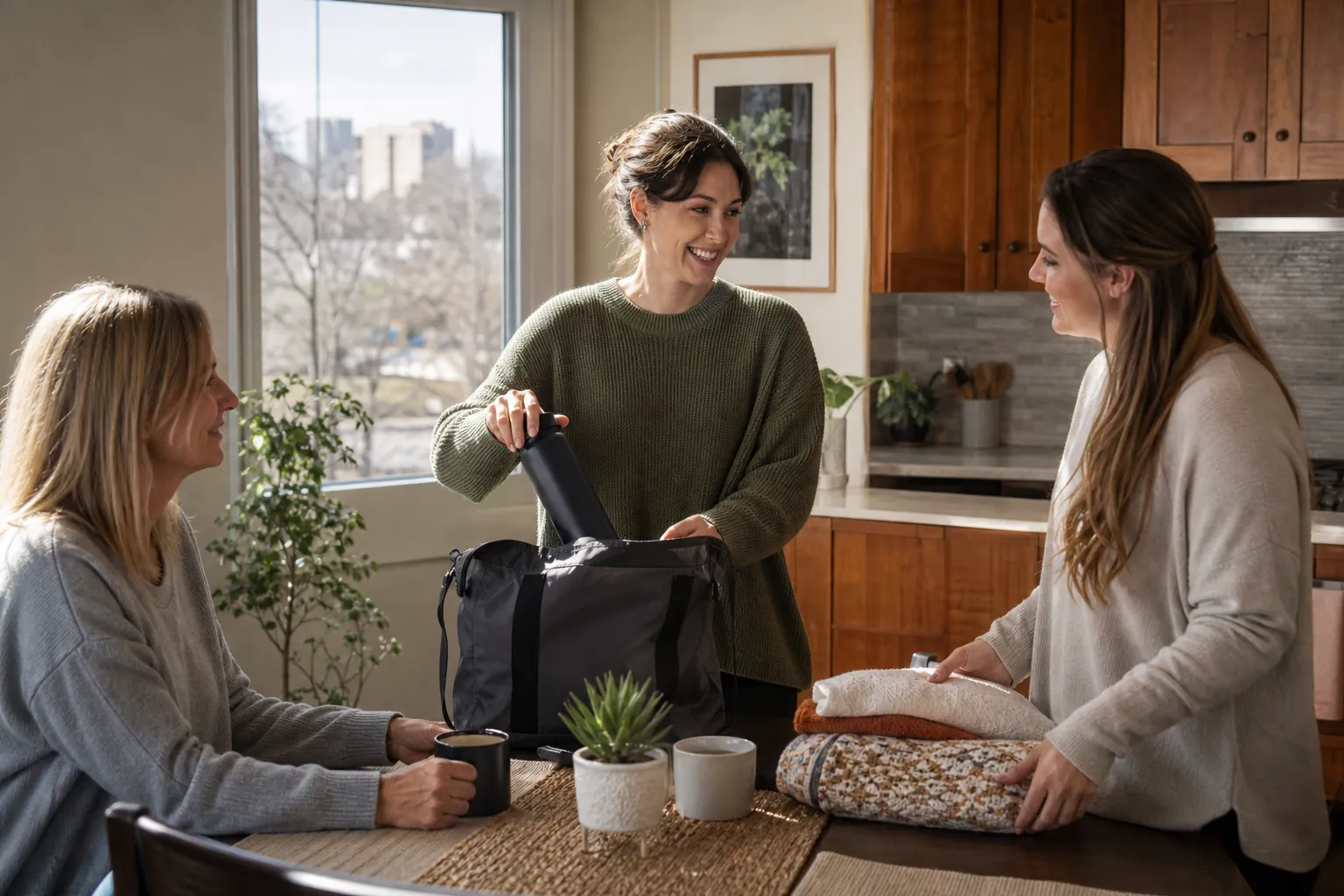
How Can Families Listen Without Adding Pressure?
Families can listen well by letting a woman choose when and how much to share. Calm attention often helps more than advice or repeated questions. Resources on the benefits of outpatient treatment and women's only outpatient treatment programs can help relatives understand care without turning home conversations into therapy.
Make room for ordinary talk about meals, pets, work, or friends. Every conversation doesn't need to focus on symptoms. A woman can stay connected while keeping parts of treatment private.
Reflect what she shares before offering a solution. A short response such as "That sounds tiring" can show care. Avoid claiming to know exactly how she feels.
Trauma-informed care recognizes that past harm can affect trust and safety. At home, that means respecting choices and avoiding forced disclosures. No one needs a full account of trauma to offer kindness.
Ask permission before giving advice or sharing a personal story. If she declines, let the topic rest. Support doesn't require reaching agreement during every hard conversation.
Avoid comparing her pace with another person's treatment. A quiet evening or hard day doesn't reveal the whole picture. SAMHSA's family resources describe family support as valuable while recognizing relatives' own support needs.
You can acknowledge effort without grading progress. Notice a concrete action, such as keeping a care appointment. Avoid praise that makes her responsible for easing everyone else's worry.
If a talk becomes tense, pause rather than push for closure. Agree on a calmer time to return to shared concerns. A pause should create space, not become punishment or silent treatment.
What Can Families Know About Her Care?
Family access to treatment details depends on the woman's consent and privacy rules. A close relationship doesn't create automatic access to sessions or records. Learning about outpatient services and care options and finding outpatient care for women can clarify general services without requiring anyone to share private clinical information.
At Women’s Recovery, contact with family and other support people is consent-based. The woman can discuss who may be involved with her team. She can also ask staff to explain the scope of any release.
Permission to discuss scheduling may differ from permission to discuss clinical details. Families should avoid assuming that one release opens every topic. Staff can explain what information may be shared.
A woman may welcome practical help while declining family contact with clinicians. Those choices can exist together. Privacy isn't proof that she rejects support or has something to hide.
Relatives may have concerns they want the team to hear. Staff can explain how to share observations and what response privacy rules allow. Sharing a concern doesn't mean staff can provide details in return.
Keep observations specific and separate them from guesses. Describe a change in sleep or missed daily tasks without assigning a diagnosis. The clinical team decides how those concerns fit into an assessment.
Consent also matters outside the clinic. Avoid posting treatment updates or sharing details with extended family without permission. Even well-meant news can feel exposing when the woman didn't choose the audience.
If she wants help keeping track of appointments, agree on a limited role. A shared calendar can show treatment blocks without naming session topics. Support can stay useful without becoming close monitoring.
How Can Home Feel Safer After Treatment?
A supportive home offers calm routines, respectful boundaries, and room to rest after treatment. Families should work with the woman rather than impose a new set of rules. Understanding balancing outpatient treatment with daily life and the benefits of outpatient treatment can help keep expectations realistic between sessions.
Treatment can take effort even when a woman looks outwardly calm. Allow space before bringing up a hard family issue. She may want quiet, company, or an ordinary activity instead.
Discuss shared needs when everyone feels able to listen. The goal is a workable home routine, not perfect agreement. Include the needs of children and other household members without making her feel blamed.
If alcohol or other substances raise concerns, discuss the home setting with her. Clinical guidance can help shape a plan that fits her care. Avoid searches, threats, or sudden rules presented as treatment.
Boundaries describe what each person can do and accept. They shouldn't serve as punishment for symptoms or private choices. A family member can decline hurtful behavior while still expressing care.
- Agree on quiet time that respects everyone's work and sleep needs.
- Keep household expectations clear, realistic, and open to later review.
- Discuss stressful topics at agreed times rather than during arguments.
- Respect closed doors and personal space unless immediate safety requires action.
How Should Families Respond When Needs Change?
Changes in symptoms, daily functioning, or substance use call for clinical input, not family diagnosis. Urgent concerns may need prompt assessment beyond a routine visit. The outpatient services and care options and finding outpatient care for women explain general care choices, but neither replaces emergency help or an individual assessment.
A hard day doesn't automatically mean the current program is wrong. Look at concrete changes rather than one tense moment. Share concerns calmly and encourage contact with the clinical team.
A prompt clinical assessment can help when symptoms worsen without immediate danger. If the treatment team can't be reached, seek another appropriate clinical service. Don't wait for the next program opening when urgent help is needed.
Call 911 for immediate danger or a medical emergency, or call 988 for the Suicide and Crisis Lifeline. Crisis support and emergency care have different roles. Neither should be delayed while waiting for admission or a program change.
Withdrawal from alcohol, benzodiazepines, or opioids can be dangerous and requires medical supervision. Withdrawal means symptoms that can occur when substance use stops or drops. Families shouldn't try to manage unsafe withdrawal at home.
Women’s Recovery doesn't provide onsite detox, residential care, or inpatient care. A higher level of support may require another setting. The assessment should guide that choice rather than family preference alone.
Don't change, hide, or stop someone's medicines as a home response. Medication concerns belong with the prescribing clinician. Families can help share observations if the woman wants that support.
After an urgent event, practical help still matters. Childcare, transport, and a calm home can ease the next steps. Follow the treating team's guidance instead of building a family treatment plan.
How Can Families Plan For Ongoing Support?
Ongoing family support should adapt as treatment needs and daily demands change. A lighter schedule doesn't always mean that support is no longer needed. The outpatient treatment benefits for busy women and the benefits of outpatient treatment can help families think about care alongside work, parenting, and home responsibilities.
Discuss practical support again when the treatment schedule changes. A woman may want fewer rides but continued help with meals. Don't assume that reduced treatment hours mean full energy has returned.
Leave clinical decisions about stepping down in care to the woman and team. Family views may be useful when she chooses to include them. Household convenience shouldn't be the sole reason to change care.
Family members need rest and support of their own. SAMHSA's Resources for Families recognizes the value of help for relatives. A support group or personal counselor may offer space outside the family.
- Review practical help when treatment hours or home demands change.
- Keep agreed boundaries steady while allowing room for new needs.
- Protect time for each family member's sleep, work, and personal care.
- Seek your own support without sharing private treatment details unnecessarily.
Questions about next steps? Call Women’s Recovery at 833.754.0554 or review the Women’s Recovery admissions process.
Frequently Asked Questions
Can a partner help if the relationship is strained?
A partner can offer limited practical help even when trust feels strained. The woman should have room to decline contact or choose another support person. Family involvement shouldn't become a condition for care. When fear, control, or past harm is present, the clinical team can help discuss safer ways to involve support.
Should children be told that their mother is in treatment?
Children may benefit from a simple, age-appropriate explanation, with the mother's input. Keep the focus on getting help and who will handle daily routines. Avoid private trauma details or making children responsible for her mood. A clinician can help tailor the message to the child's age and family situation.
Can a friend serve as the main support person?
A trusted friend can provide meaningful support when the woman prefers that arrangement. Family doesn't have to mean a spouse or blood relative. At Women’s Recovery, contact with a chosen support person depends on consent. A friend can still offer rides, meals, or company without access to clinical details.
What if she doesn't want to talk after a session?
Wanting quiet after a session doesn't by itself mean something is wrong. Treatment can bring up feelings that take time to sort through. Offer space and a simple form of help without asking for a report. Discuss any lasting change in mood or daily functioning with her calmly.
Does she need a substance use diagnosis to seek help?
A substance use diagnosis isn't required to contact Women’s Recovery. Mental health and trauma care are the primary focus, with care for co-occurring substance use needs when present. An individual assessment determines program fit. Contact, assessment, and admission are separate steps, and an inquiry doesn't establish that a specific program is appropriate.
Sources
- Resources for Families, SAMHSA
- The ASAM Criteria, American Society of Addiction Medicine
Call 833.754.0554 to talk through next steps.