






Denver's women-only program for mental health, trauma and substance use.Call Admissions 833.754.0554
Call 833.754.0554Verify Insurance

Help with social anxiety disorder for women from Aurora, CO

Your symptoms made sense. We treat what they were managing.

If you’re living with social anxiety disorder, you don’t need a substance use diagnosis to begin. Healing begins in our Partial Hospitalization Program: a full day of care, and home every night. Women from Aurora start at our Denver program.

You deserve to be heard without judgment or pressure to make an immediate decision.

For residents of Aurora, CO. Women’s Recovery lists its physical location in Denver, CO.

Plum armchairs beside a window table

A look at our space

These are rooms at our Denver office. You spend the day here, and you go home at night.

Seating area with a sofa, round table, plants and artwork at Women’s Recovery Lounge with purple chairs, cream sofa and table Lounge with purple chairs and dried flowers Dark sofa and coffee table in a furnished room Plum armchairs beside a window table Entrance to the Belcaro Place building with the number 3801 above the doors

What specific fact does this official source state about anxiety?

For context on social anxiety disorder, review the topic page and Aurora location information. NIMH states that anxiety disorders involve more than occasional worry or fear. The retained official passage does not provide further facts about diagnosis, individual circumstances, or treatment.

Supporting guidance: Anxiety Disorders - National Institute of Mental Health (NIMH)

Lounge with purple chairs, cream sofa and table

What are the DSM-5 criteria for social anxiety disorder?

Social anxiety can involve marked fear of scrutiny or embarrassment in social situations, avoidance, and disruption to daily life. Related anxiety support for women and information about specific phobias support for women can provide helpful context.

01

What are the DSM-5 criteria for social anxiety disorder?

A clinician considers whether fear appears in situations where you could be observed or evaluated, such as speaking, eating, meeting unfamiliar people, or participating at work. They also consider whether these situations almost always provoke fear, whether you avoid or endure them with intense distress, and whether the reaction is out of proportion to the actual circumstances. Duration, life impact, health conditions, medications, substances, and other possible explanations all matter in a careful assessment.
02

Recognizing some of these experiences does not confirm a disorder.

Diagnosis requires a qualified professional who can understand your history and distinguish social anxiety from ordinary shyness, trauma responses, depression, autism-related experiences, panic, or another concern. That distinction has value because appropriate care should address the source of your difficulty rather than merely the most visible symptom. You remain part of every decision about what support feels acceptable and useful.

How can social anxiety improve?

Social anxiety can improve through care that helps you understand fearful predictions, reduce avoidance gradually, and build confidence through manageable practice. Broader anxiety support for women may help you consider your options, while information about panic disorder support for women can clarify symptoms that feel sudden or physically intense.

01

Appropriate treatment is personal, but psychotherapy is commonly considered for anxiety disorders.

Care may help you notice the thoughts, physical sensations, and avoidance patterns that keep fear going. Gradual practice can give you opportunities to remain in situations long enough to learn that anxiety can rise and fall without controlling every choice. The pace should be collaborative. Progress might mean participating more freely, recovering sooner after an interaction, or treating yourself with less criticism.

02

Some people also discuss medication with a licensed prescriber, particularly when symptoms significantly restrict daily life or occur alongside another mental health concern.

Medication decisions depend on your health, other medicines, possible side effects, and treatment goals. Do not start, stop, or change a prescription without the treating prescriber. Whether you prefer to begin with a conversation, an assessment, or another form of support, you can ask for clear explanations and time to consider your choices.

Lounge with purple chairs and dried flowers

Can Wellbutrin be used to treat social anxiety?

Whether Wellbutrin, the brand name for bupropion, is appropriate for social anxiety is a decision for your treating prescriber based on your full health picture. If anxiety includes intense surges of fear, information about panic attacks support for women may be useful. You can also contact Women’s Recovery for a broader conversation about your concerns.

01

A medication may be prescribed for more than one reason, so seeing its name does not reveal the condition being treated.

Your prescriber can consider your symptoms, diagnoses, current prescriptions, physical health, past responses, and potential interactions before discussing whether bupropion or another option fits. If you already take it and notice anxiety, agitation, sleep changes, or another troubling effect, contact the prescriber rather than adjusting it yourself. Urgent or severe reactions need prompt medical attention.

02

Medication alone also may not address avoidance, fear of judgment, or the self-criticism that can follow social situations.

A broader assessment can identify where anxiety appears, what maintains it, and whether another concern is contributing. This creates a more useful care plan than choosing treatment from a medication name alone. You can discuss both medication and nonmedication approaches while retaining the right to understand recommendations, express preferences, and decide what feels appropriate with your care team.

What could a woman from Aurora, CO expect when considering outpatient treatment in Denver?

Care for women from Aurora at our Denver program may involve traveling to the Women’s Recovery location in Denver for appointments and returning home afterward. Location and travel information can help you understand that practical consideration, while a care conversation can focus on your needs, safety, and preferences.

  1. 01

    Outpatient treatment generally involves scheduled appointments without an overnight stay

  2. 02

    Standard outpatient care may include individual counseling, group sessions, coping-skills education, medication support, or care coordination

  3. 03

    Intensive Outpatient Program (IOP) care involves more intensive, coordinated support, while partial hospitalization or inpatient care may be appropriate when greater structure or protection is needed

  4. 04

    The right level can help you receive care that reflects your clinical needs, safety, and ability to participate while living in Aurora, CO

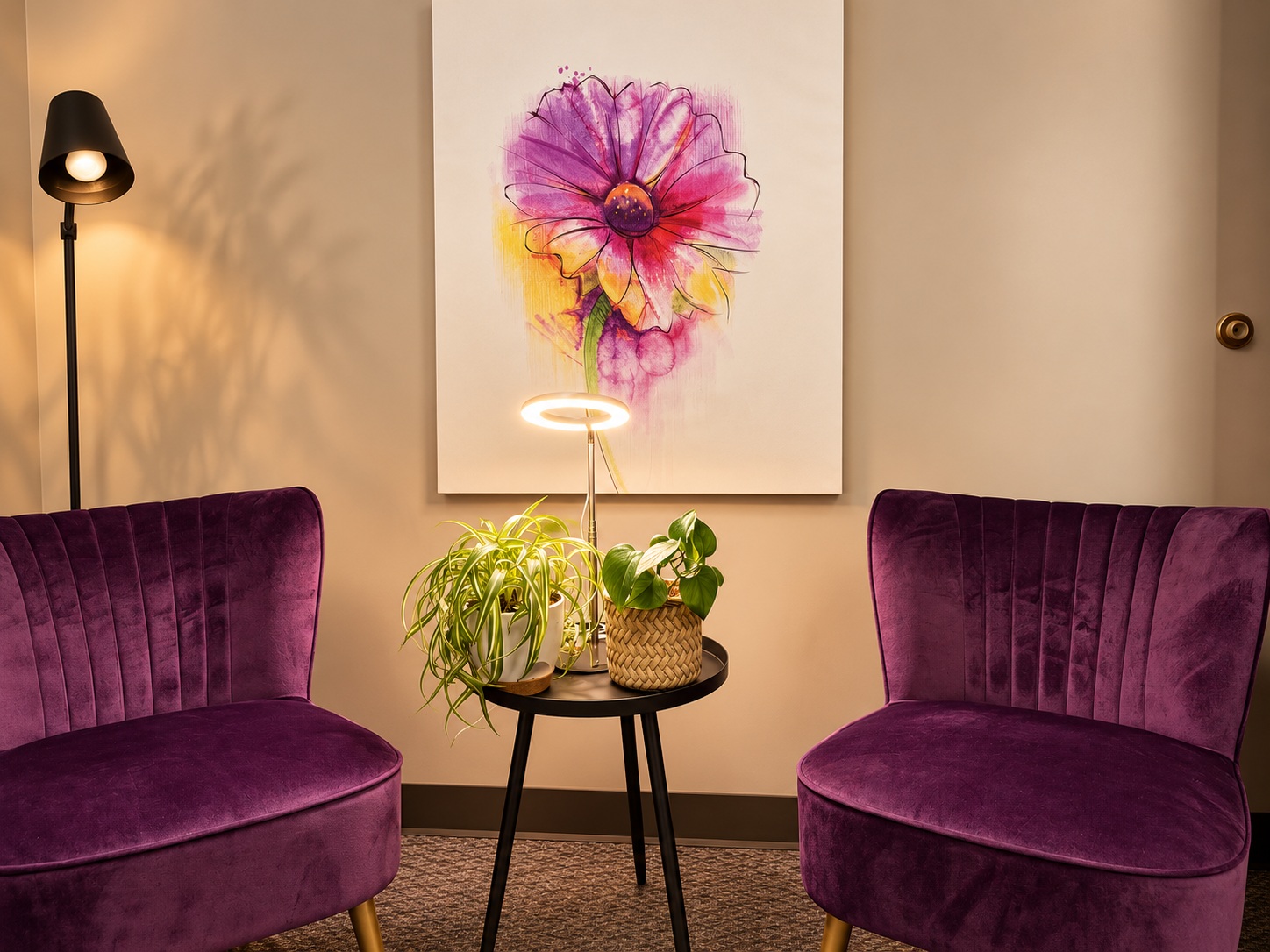
Plum chairs, table and flower painting

Common questions

Explore help with panic attacks for women from Aurora and help with panic disorder for women from Aurora for related guidance. Call admissions when you want to discuss your own situation.

Call Admissions
01 When is it time to seek help for social anxiety?

Consider support when fear or avoidance repeatedly interferes with work, education, relationships, appointments, or ordinary activities. You do not need to wait until life feels unmanageable. A conversation with a qualified mental health professional can help you understand what is happening and consider care that fits your needs.

02 How can I support a woman who struggles in social situations?

A loved one may need patience more than pressure. Listen without minimizing her fear, acknowledge the effort involved in social situations, and offer practical companionship if she wants it. You can encourage professional support while leaving decisions with her. Avoid taking over every difficult interaction, since that can reinforce avoidance.

03 How is social anxiety different from panic attacks or agoraphobia?

Social anxiety centers on fear of being watched, judged, rejected, or embarrassed in social or performance situations. Panic attacks are sudden periods of intense fear that may occur in different settings. Agoraphobia involves fear or avoidance of situations where escape or help may feel difficult. These concerns can also occur together.

04 What travel connection is listed between Aurora, CO and Denver, CO?

Aurora’s official transit page states that the RTD A Line operates between Denver Union Station and Denver International Airport and has two stops in Aurora. This identifies a named rail relationship only, not the nearest stop, itinerary, travel time, current frequency, accessibility, or any connection to the Women’s Recovery address.

05 What purposes do Aurora’s naloxone leave-behind program and Mobile Response Team serve?

Aurora says its naloxone leave-behind program provides naloxone after an overdose event and serves as an entry point for education, treatment, and recovery resources. Its Mobile Response Team pairs a mental-health clinician with a paramedic or EMT for behavioral-health crises involving mental-health or substance-use concerns. These are descriptions, not Women’s Recovery services; the page gives emergency and non-emergency dispatch instructions.

If you can't believe that yet, borrow my hope. Just long enough to find your own.

Women’s Recovery graduate

Start with one conversation. Tell us what you're carrying. We'll walk you through the next step and verify your benefits.