






Denver's women-only program for mental health, trauma and substance use.Call Admissions 833.754.0554
Call 833.754.0554Verify Insurance

Help with agoraphobia for women from Aurora, CO

Your symptoms made sense. We treat what they were managing.

Agoraphobia: This page presents a focused overview for women from Aurora exploring agoraphobia, along with concise context about a local transit connection and municipal resources.

You do not need a diagnosis, perfect explanation, or firm decision when you contact the Denver team.

For residents of Aurora, CO. Women’s Recovery lists its physical location in Denver, CO.

Lounge with purple chairs and dried flowers

A look at our space

These are rooms at our Denver office. You spend the day here, and you go home at night.

Seating area with a sofa, round table, plants and artwork at Women’s Recovery Lounge with purple chairs, cream sofa and table Lounge with purple chairs and dried flowers Dark sofa and coffee table in a furnished room Plum armchairs beside a window table Entrance to the Belcaro Place building with the number 3801 above the doors

How does this official source describe agoraphobia?

For context on agoraphobia, review the topic page and Aurora location information. MedlinePlus describes agoraphobia as a fear of public places. In the same retained passage, it separately describes claustrophobia as a fear of closed-in places.

Supporting guidance: Phobias: MedlinePlus

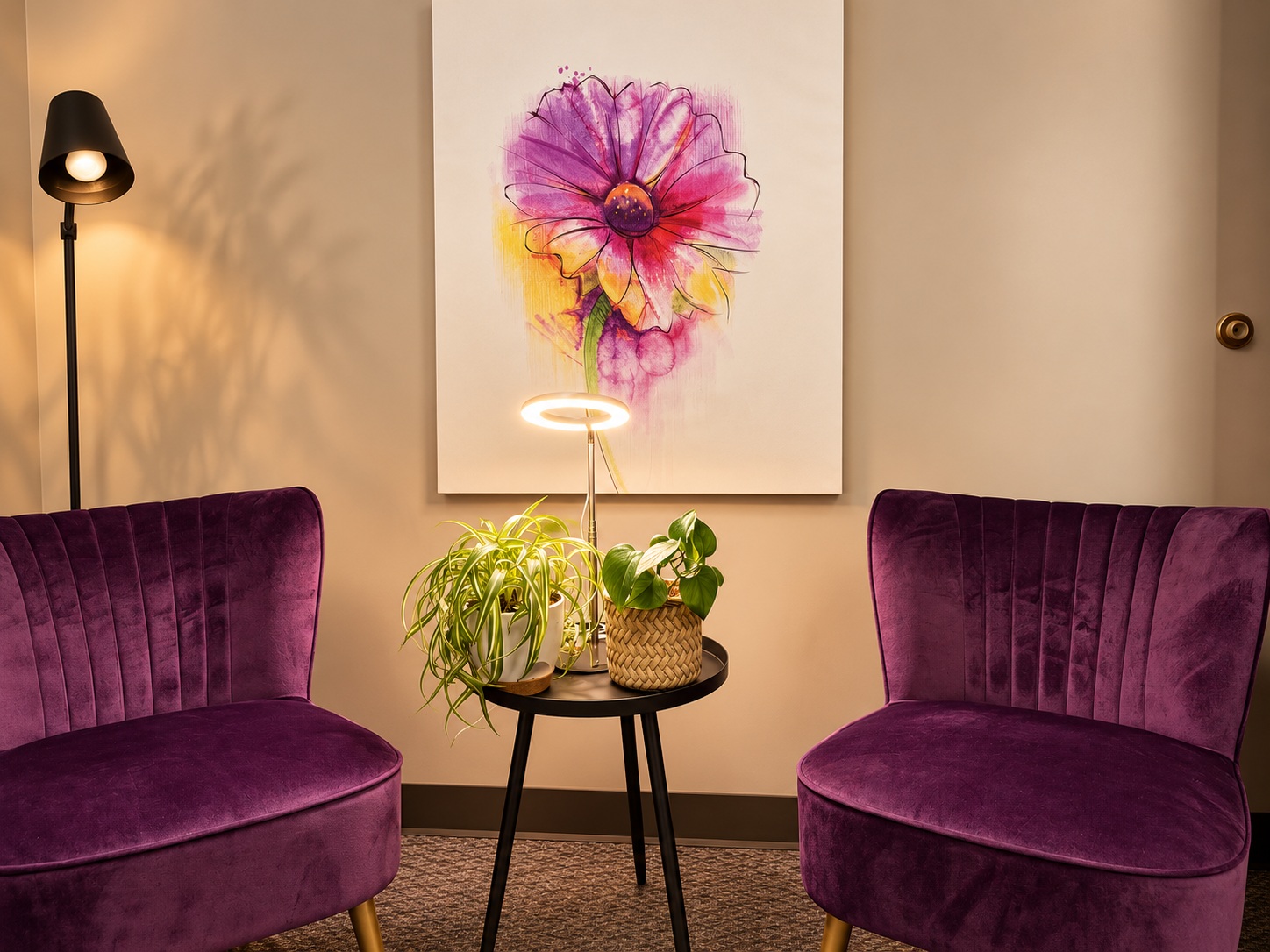
Plum chairs, table and flower painting

What kind of support is available for people with agoraphobia?

Agoraphobia may include education, professional assessment, and care focused on anxiety that disrupts daily routines. Learning about broader anxiety support for women and the relationship between avoidance and panic attacks support for women can help you consider appropriate next steps.

01

Useful support should address the effect anxiety has on your actual life, including work, education, caregiving, relationships, health appointments, errands, and travel.

Anxiety disorders involve more than occasional worry and can interfere with routine activities. Care can give you space to describe what happens, understand recurring patterns, and consider ways to reduce that interference while preserving your voice in decisions about treatment and the pace of change.
02

Education can help you name concerns, but it is different from diagnosis.

A clinician evaluates your experiences in context rather than deciding from one symptom or avoided place. That distinction matters because panic, social fears, specific fears, health concerns, trauma-related reactions, and other difficulties can overlap. Women’s Recovery welcomes a conversation about what you are experiencing and what kind of professional support you may want to explore.

Can agoraphobia improve or fully go away?

Anxiety-related difficulties can improve, although no one can promise a particular outcome or timeline for you. Understanding possible overlap with panic disorder support for women and specific phobias support for women can make the path toward appropriate care clearer and more personal.

01

Improvement may mean different things at different times.

You might want to attend appointments more consistently, travel with less distress, reconnect with people, return to responsibilities, or feel less controlled by anticipatory fear. Appropriate care helps connect support to the areas that matter to you instead of measuring progress against someone else’s life. Setbacks do not erase earlier changes, and needing continued care does not represent failure or a lack of effort.

02

Can agoraphobia improve or fully go away?

Because anxiety may persist across situations and worsen over time, waiting for it to disappear on its own can leave your world feeling increasingly restricted. A professional conversation can help clarify what is happening and whether treatment is appropriate. You remain part of every decision. You can discuss priorities, boundaries, and concerns about care while considering a pace that is challenging enough to be useful but not based on pressure or shame.

Seating area with a sofa, round table, plants and artwork at Women’s Recovery

Where can I get free counseling or anxiety information in Colorado?

Free educational information about anxiety is available online from national mental health resources, but free counseling options vary by community and eligibility. You can also review admissions at Women’s Recovery or contact Women’s Recovery to discuss your concerns and learn what next step may fit your situation.

01

If cost is keeping you from seeking help, separating free information from clinical care can make the search clearer.

Educational materials can explain anxiety, common signs, and treatment topics, but they cannot evaluate your individual circumstances or provide a diagnosis. Counseling involves direct work with a qualified professional. Community clinics, public programs, and nonprofit resources may have different eligibility rules, funding limits, fees, or waiting periods across Colorado.

02

You deserve a useful answer even if finances are uncertain.

A conversation with Women’s Recovery can focus on how anxiety affects you and whether continuing the discussion feels right. Calling does not require you to have selected a program or resolved every practical detail. For Agoraphobia Support information in Denver, call 833.754.0554 and share only what you are comfortable discussing at that point.

What could a woman from Aurora, CO expect when considering outpatient treatment in Denver?

Care for women from Aurora at our Denver program may involve traveling to the Women’s Recovery location in Denver for appointments and returning home afterward. Location and travel information can help you understand that practical consideration, while a care conversation can focus on your needs, safety, and preferences.

  1. 01

    Outpatient treatment generally involves scheduled appointments without an overnight stay

  2. 02

    Standard outpatient care may include individual counseling, group sessions, coping-skills education, medication support, or care coordination

  3. 03

    Intensive Outpatient Program (IOP) care involves more intensive, coordinated support, while partial hospitalization or inpatient care may be appropriate when greater structure or protection is needed

  4. 04

    The right level can help you receive care that reflects your clinical needs, safety, and ability to participate while living in Aurora, CO

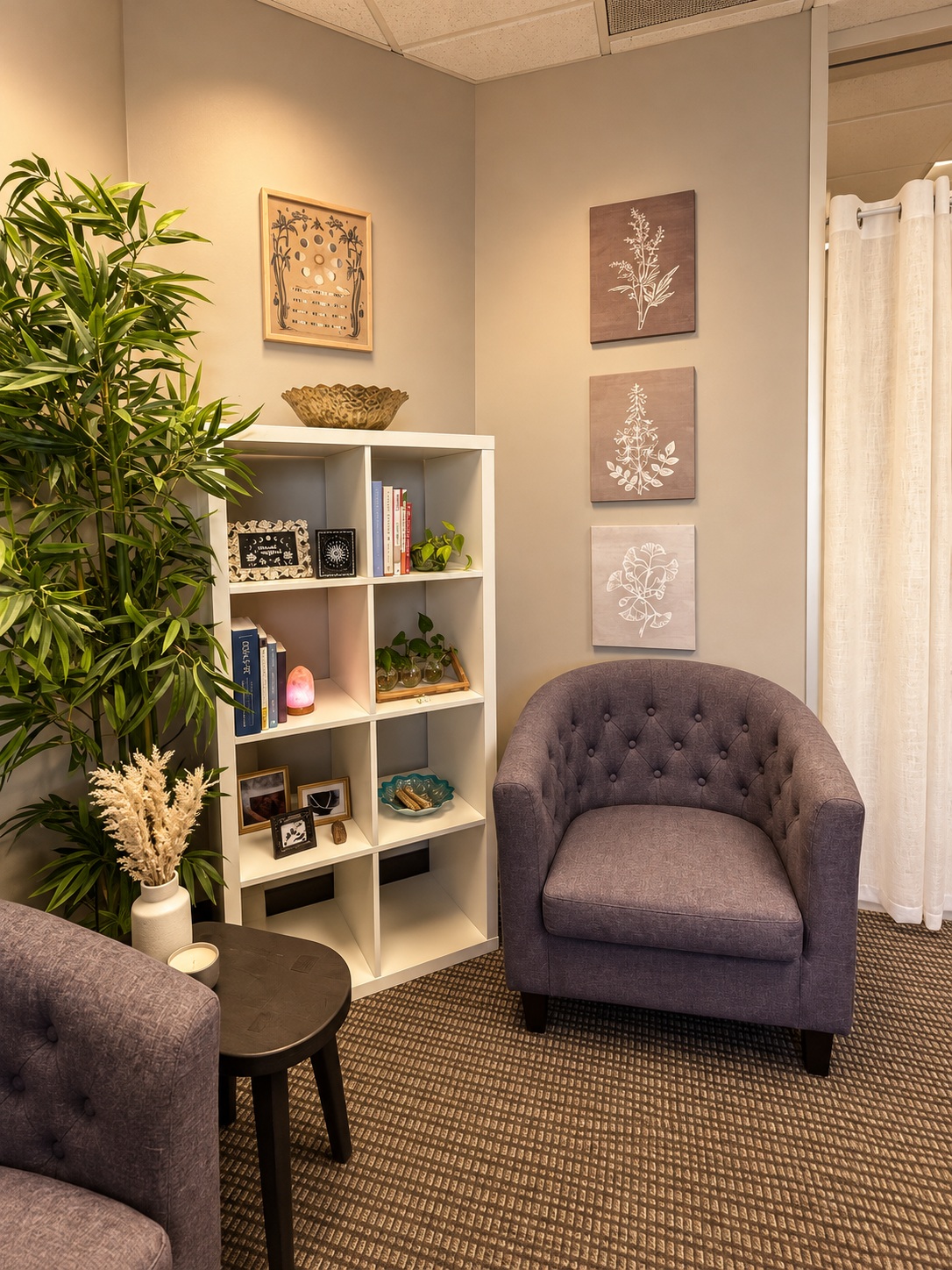
Two upholstered chairs and a bookshelf in a Women’s Recovery office

Common questions

Explore help with panic disorder for women from Aurora and help with specific phobias for women from Aurora for related guidance. Call admissions when you want to discuss your own situation.

Call Admissions
01 How do I know when anxiety is worth discussing with someone?

Occasional anxiety can happen to anyone. It may be worth discussing when fear keeps returning, spreads across situations, or interferes with work, relationships, appointments, travel, or routine responsibilities. You do not need to decide whether it is agoraphobia before seeking a professional evaluation.

02 Are panic attacks and agoraphobia the same thing?

Panic attacks and agoraphobia can occur together, but they are not interchangeable terms. Panic describes intense episodes of fear or distress, while agoraphobia concerns fear and avoidance connected with certain situations. A qualified mental health professional can explore your experiences and determine which explanation fits, if any.

03 What can I discuss when I call Women’s Recovery?

A conversation can focus on what you have noticed, where anxiety interferes, and what kind of support feels manageable. You may also discuss practical concerns such as cost, insurance, transportation, privacy, or involving someone you trust. You can ask questions during that call.

04 What travel connection is listed between Aurora, CO and Denver, CO?

Aurora’s official transit page states that the RTD A Line operates between Denver Union Station and Denver International Airport and has two stops in Aurora. This identifies a named rail relationship only, not the nearest stop, itinerary, travel time, current frequency, accessibility, or any connection to the Women’s Recovery address.

05 What purposes do Aurora’s naloxone leave-behind program and Mobile Response Team serve?

Aurora says its naloxone leave-behind program provides naloxone after an overdose event and serves as an entry point for education, treatment, and recovery resources. Its Mobile Response Team pairs a mental-health clinician with a paramedic or EMT for behavioral-health crises involving mental-health or substance-use concerns. These are descriptions, not Women’s Recovery services; the page gives emergency and non-emergency dispatch instructions.

If you can't believe that yet, borrow my hope. Just long enough to find your own.

Women’s Recovery graduate

Start with one conversation. Tell us what you're carrying. We'll walk you through the next step and verify your benefits.