
What Is a Women's Rehab Program?
Learn what a women's rehab program is, how it supports recovery, and what to expect from assessment, levels of care, and women-centered treatment.
Reviewed by clinical staff
On this page
- What a women's rehab program means
- Why some women choose women-centered care
- What conditions and concerns may be treated
- Levels of care in a women's rehab program
- What treatment may include day to day
- How to know whether a women's rehab program may be a good fit
- Frequently asked questions
A women's rehab program is a treatment setting designed to address substance use, mental health concerns, trauma, and recovery needs in a space created specifically for women. For many people, that environment can feel more comfortable, more relevant, and better aligned with the realities they are carrying into treatment, including caregiving roles, relationship stress, trauma histories, and co-occurring mental health symptoms. A women-centered program does not change the need for evidence-based care, but it can shape how that care is delivered.
Women’s Recovery offers women-only partial hospitalization (PHP) and intensive outpatient (IOP) care in Denver. Explore all programs or call 833.754.0554.
If you or someone you love is researching treatment, it helps to know that a women's rehab program is not one single service. It is a treatment approach that may include different levels of care, such as Partial Hospitalization, Intensive Outpatient, and outpatient treatment, depending on a clinical assessment. At Women's Recovery in Denver, Colorado, care decisions follow an assessment so each person can be matched with the support that fits her current needs, symptoms, safety concerns, and recovery goals.
What a women's rehab program means
At its core, a women's rehab program is a structured treatment program that serves women in an environment designed around women’s experiences. That may include treatment for substance use, anxiety, depression, trauma-related symptoms, or more than one concern at the same time. Because mental health and substance use often overlap, treatment usually looks at the whole person rather than treating one issue in isolation.
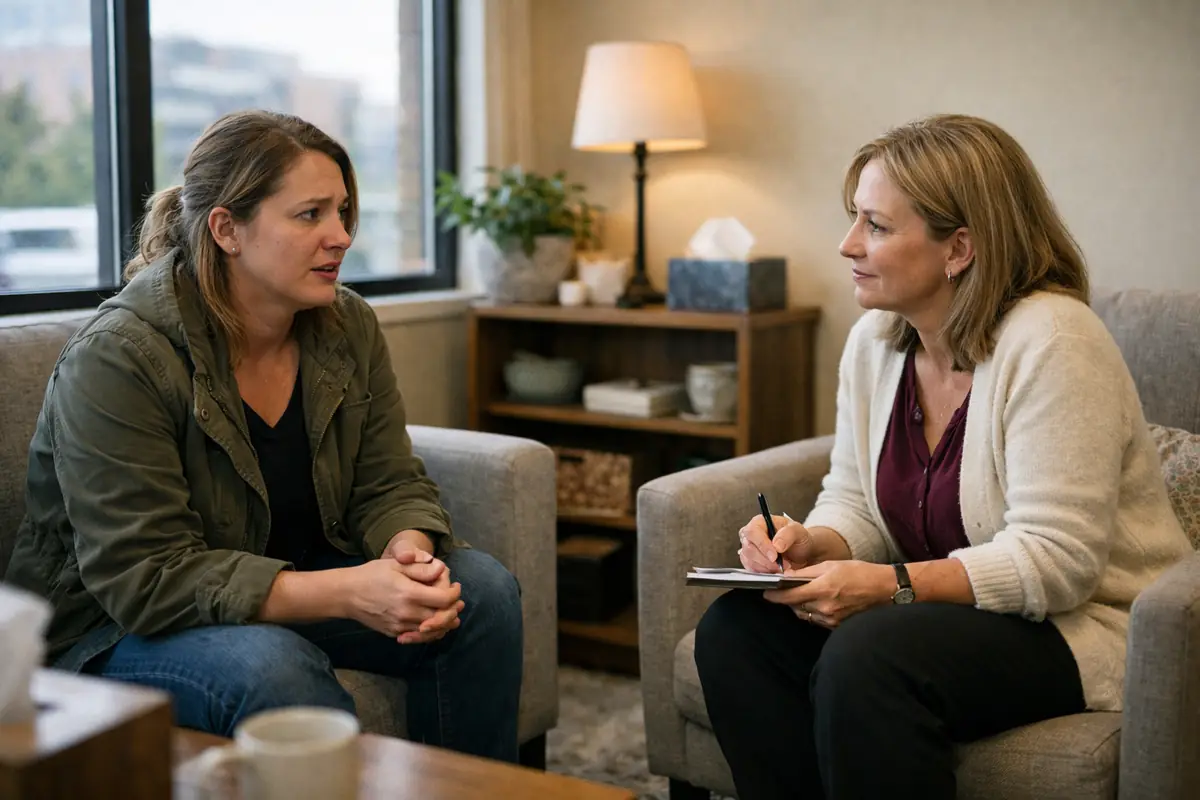
A women-only setting can reduce some of the barriers that make it hard to open up in treatment. Some women feel safer discussing trauma, relationships, family roles, body image, grief, or shame in a group made up of peers with similar life experiences. That does not mean every woman needs a gender-specific setting, but it can be an important option when comfort, trust, and emotional safety matter to participation.
Why some women choose women-centered care
People enter treatment for different reasons, and the setting that feels manageable to one person may not feel manageable to another. A women's rehab program can offer a sense of understanding that supports honesty, engagement, and continuity in care. This can be especially important when substance use is tied to trauma, domestic stress, loss, or long-standing mental health symptoms.
Women-centered care does not rely on assumptions. Instead, it recognizes patterns that commonly affect women and builds treatment around them in a thoughtful way. Depending on the program and the assessment, treatment may include individual therapy, group therapy, psychiatric support, relapse-prevention planning, and skill-building for daily life.
- A setting designed for women may feel emotionally safer for discussing trauma and relationships.
- Treatment can address substance use and mental health concerns together when both are present.
- Group topics may reflect common stressors such as caregiving, boundaries, shame, grief, or self-worth.
- Care decisions should be individualized after an assessment, not based on a one-size-fits-all plan.
Common outpatient levels of care in a women's rehab program
| Level of care | Who it may fit | Structure | Common focus |
|---|---|---|---|
| PHP | Needs frequent support | Most structured outpatient | Stabilization and daily coping |
| IOP | Needs ongoing support with flexibility | Moderate intensity | Therapy, relapse prevention, skill building |
| Outpatient | Needs lower-intensity care | Fewer weekly services | Maintenance, therapy, step-down care |
| Assessment | Not a treatment level | Starting point | Determine needs and recommendations |
| Step-down planning | Progressing in recovery | Adjusted over time | Sustain support and continuity |
What conditions and concerns may be treated
A women's rehab program may help with alcohol use, drug use, prescription medication misuse, or recurring patterns that suggest a substance use disorder. It may also support women dealing with anxiety, depression, trauma-related symptoms, mood instability, or stress that affects daily functioning. In many cases, recovery is stronger when both substance use and mental health are addressed together rather than separately.
Trauma-informed care is often an important part of this work. According to SAMHSA, trauma can affect how people think, feel, cope, and respond to treatment. A trauma-informed approach aims to support safety, collaboration, trust, and empowerment. It does not force disclosure, but it recognizes that past experiences may shape current symptoms, coping strategies, and treatment needs.
Levels of care in a women's rehab program
One of the most important parts of choosing treatment is understanding level of care. A good program does not assume everyone needs the same amount of structure. Instead, recommendations follow an assessment that looks at symptom severity, substance use patterns, mental health needs, safety, functioning, support at home, and prior treatment history. This helps determine whether Partial Hospitalization, Intensive Outpatient, or outpatient care is the most appropriate starting point.
Partial Hospitalization, often called PHP, is a more structured outpatient level of care for people who need frequent clinical support but do not require inpatient hospitalization. Intensive Outpatient, or IOP, provides a step down in intensity while still offering a strong therapeutic framework. Outpatient treatment is generally less intensive and may be appropriate for ongoing support, continued therapy, or step-down care after a higher level of treatment.
- PHP usually involves the highest level of support available in an outpatient setting.
- IOP offers substantial treatment while allowing more time for work, school, or family responsibilities.
- Outpatient care may focus on maintaining progress, building coping skills, and preventing relapse.
- Movement between levels of care can happen over time based on reassessment and clinical need.
Ready for more support? Our women’s IOP and women’s PHP are built for adult women balancing recovery with real life. Call 833.754.0554 to start an assessment.
What treatment may include day to day
While each program is different, a women's rehab program often combines several forms of care. Individual therapy can help address personal history, goals, and current symptoms. Group therapy gives space to practice honesty, connection, and coping skills with peers. Depending on the setting, treatment may also include family involvement, psychiatric evaluation, medication management, mindfulness, relapse-prevention work, and education about substance use and mental health.
The goal is not to create a perfect recovery experience. It is to create a realistic, clinically grounded plan that helps a woman stabilize, understand what is driving her symptoms or substance use, and develop healthier ways to cope. In women-centered treatment, these interventions may be framed around identity, boundaries, relationships, self-trust, and the impact of trauma, all while keeping care evidence-based and individualized.
- Individual therapy for personal treatment goals and symptom review.
- Group therapy focused on coping skills, recovery themes, and peer support.
- Family or support-system involvement when appropriate and clinically useful.
- Relapse-prevention planning and step-down recommendations after reassessment.
How to know whether a women's rehab program may be a good fit
A women's rehab program may be worth considering if mixed-gender treatment feels distracting, unsafe, or too difficult for open participation. It may also be helpful if trauma, relationship patterns, caregiving stress, or co-occurring mental health concerns are central to what is happening. For some women, a women-only setting supports trust and consistency, which can make it easier to stay engaged long enough for treatment to help.
That said, the best fit depends on more than preference alone. The right program should match the person’s clinical needs, safety needs, and readiness for a certain level of care. An assessment can clarify what type of support is indicated now, whether outpatient treatment is appropriate, and how to build a plan that supports recovery over time. Asking thoughtful questions at the start can make the process feel more manageable and informed.
Related reading
- Women's Rehab: Outpatient Treatment Options
- Women's Rehab for Working Professionals
- Does Insurance Cover Women's Rehab?
- Women's Rehab With Mental Health Support
- How to Choose a Women's Rehab Center
If you are looking for a women's rehab program in Denver, Colorado, it can help to start with a conversation and an assessment rather than trying to figure everything out alone. Women's Recovery offers women-only outpatient treatment for mental health, trauma, and substance use, including PHP, IOP, and outpatient care. To learn more or discuss next steps, call 833-754-0554.
Women-only treatment in Denver. Take the first step today.
You don’t have to wait until things get worse. Talk with our admissions team about PHP, IOP and outpatient programs. Call 833.754.0554.
Frequently asked questions
Is a women's rehab program only for substance use treatment?
No. Many women's rehab programs address substance use, mental health concerns, trauma, or co-occurring conditions together. If someone is dealing with both emotional symptoms and substance use, integrated care may be recommended after an assessment. The exact services offered depend on the program and the person’s clinical needs.
How do I know which level of care is right?
The best starting point comes from an assessment. Providers typically look at current substance use, mental health symptoms, safety concerns, daily functioning, support at home, and treatment history. Based on that information, they may recommend PHP, IOP, outpatient care, or another option that better matches current needs.
Can trauma be treated in a women's rehab program?
Often, yes. Many women-centered programs use trauma-informed care, which recognizes how past experiences can affect present symptoms, coping, and recovery. Trauma treatment is approached carefully and clinically, with attention to safety and stabilization. Specific therapies and timing should be guided by assessment and ongoing clinical review.
What if I am seeking help for myself and also supporting a family?
That is common. Many women delay treatment because they are trying to manage responsibilities at home, work, or school. Outpatient levels of care can sometimes provide needed treatment while allowing someone to remain connected to daily life. The right balance depends on symptom severity, safety, and the amount of support required.
How do I start with Women's Recovery in Denver?
A good first step is to call and ask about an assessment. At Women's Recovery, treatment recommendations follow an assessment so care can be matched to your needs rather than assumptions. If you are in Denver and researching a women's rehab program, you can call 833-754-0554 to talk through next steps.