

Original article
When exploring this topic, look for care that respects your goals and offers an environment where you can participate openly. Learning about support during recovery for women and reviewing admissions at Women’s Recovery can help you consider your next step.
Are you looking for a women’s treatment center in Colorado? Women’s Recovery has a women’s addiction treatment center in Denver. When you choose a gender-specific facility, you leave behind distractions and complications associated with mixed-gender gatherings. With a modern facility and highly skilled counselors, we offer unique opportunities for women in recovery. Contact our team today at 833.754.0554 to learn about treatment options.
Where to Find Women’s Addiction Treatment in Colorado
Schedule a tour or explore our Denver location online. Women’s Recovery’s addiction treatment center is located at the following address:
- 3801 E Florida Ave, Ste 650, Denver, CO 80210
Learn more about the amenities and environment at our gender-specific center for women only.

What Is a Women’s Treatment Center?
Women’s Recovery, Colorado, features trauma-integrated, boutique-style locations that empower women to overcome substance use disorders. Our high level of treatment offers counseling by an all-women staff and female-only group therapy sessions. Additionally, we are a progressive center and embrace diversity. All clients who identify as female can participate in our programs.
The Women’s Recovery staff works to address the causes of substance use. We use a comprehensive approach in our trauma treatment program to help you explore how trauma and abuse impact substance abuse.
Therapies Available at Women’s Recovery
Women’s Recovery has a wide variety of treatment programs. Join our intensive-outpatient program for specific disorders such as the following:
Let us help you overcome trauma, depression, anxiety, and other mental health challenges that can contribute to addiction. Our evidence-based therapy shows you alternative ways to deal with negative thoughts and emotions.
Our Women’s Addiction Treatment Center
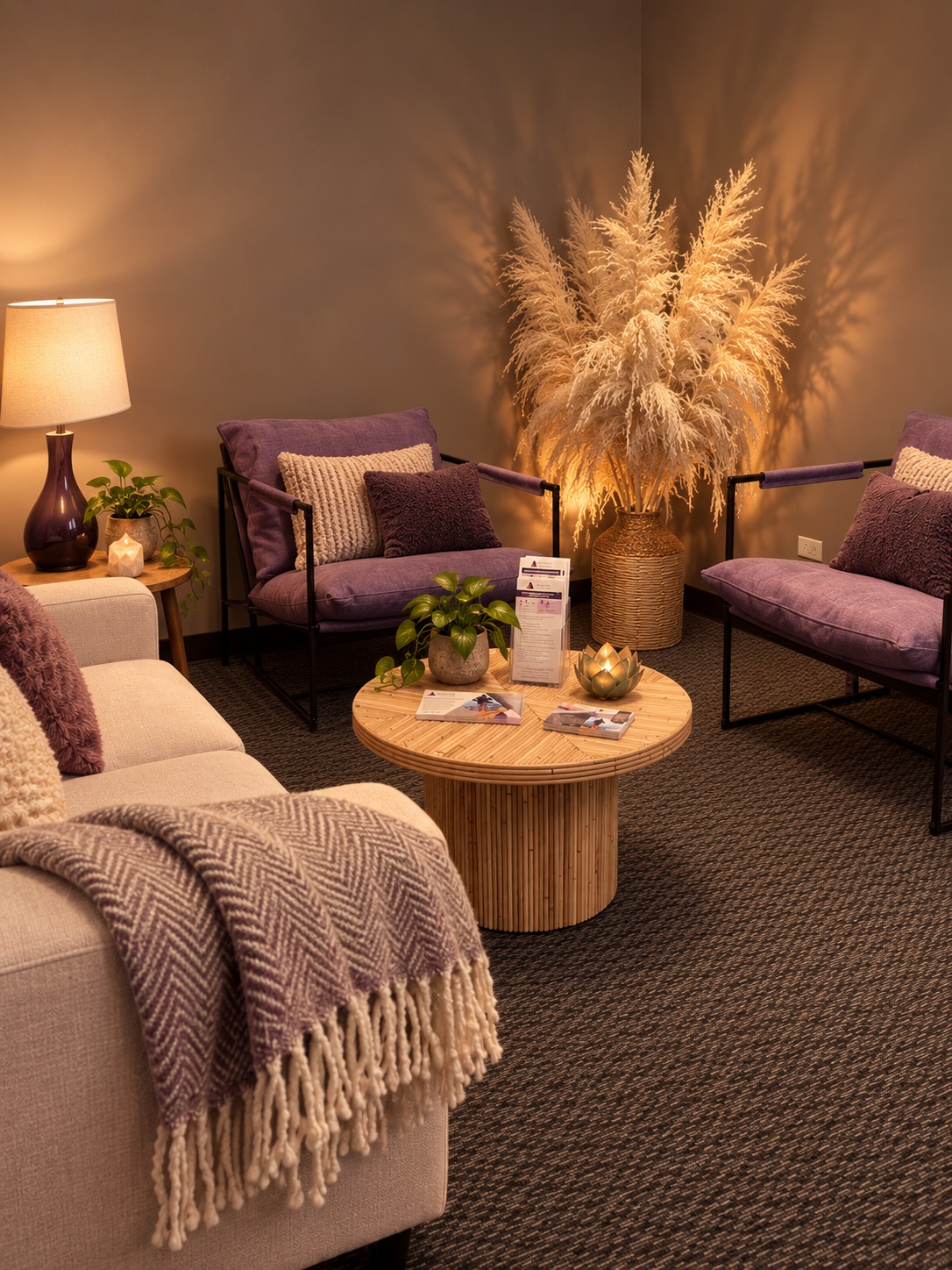
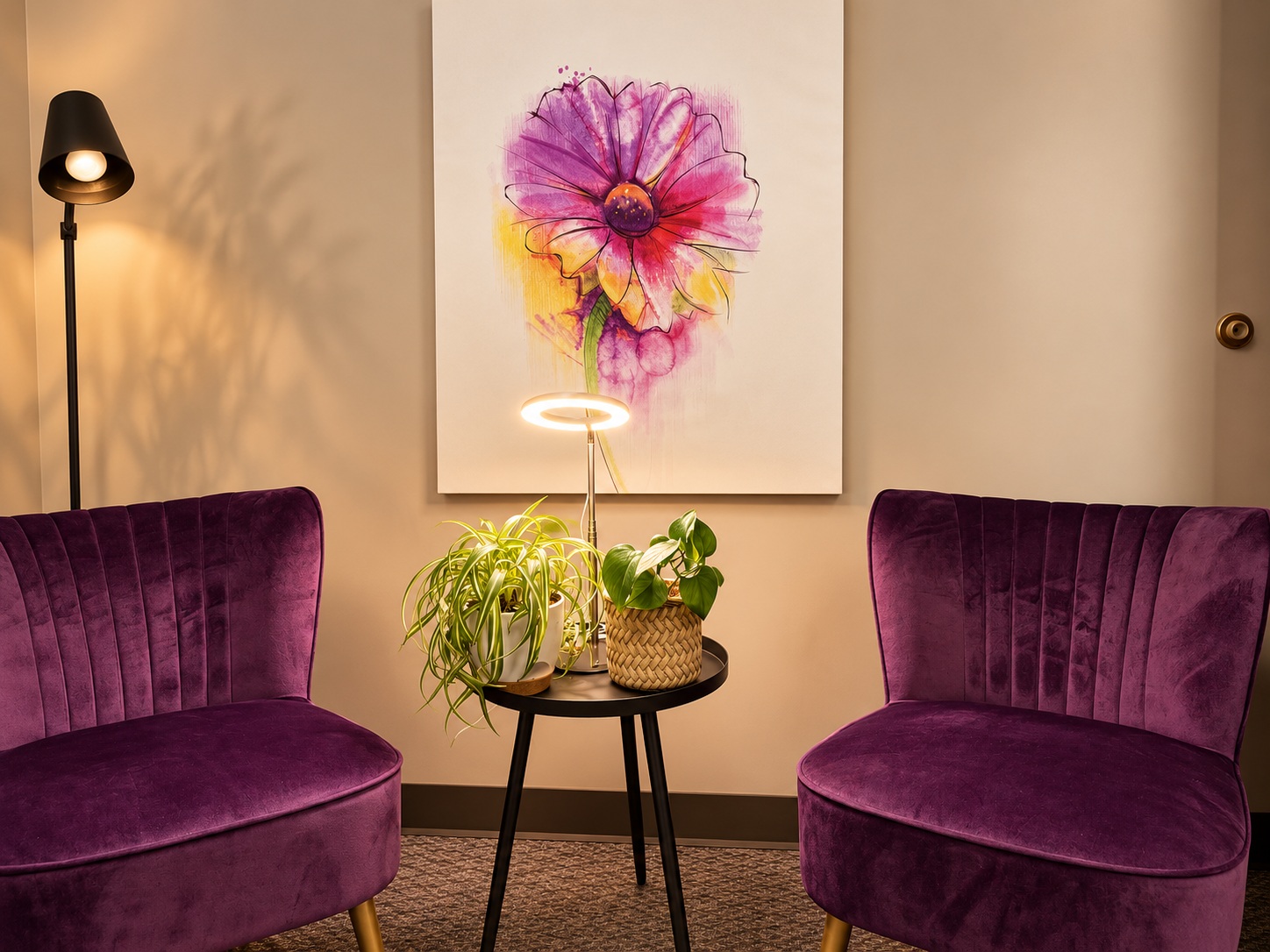
You will notice a difference as soon as you walk into the reception area. There are comfortable seating areas to fill out paperwork, relax, and learn more about our services. We have dedicated medical offices to attend to any medical issues that arise, giving you immediate access to care. Our admissions office, luxurious furnishings, and comfortable seating provide the backdrop for intensive interviews and planning for your treatment at Women’s Recovery.
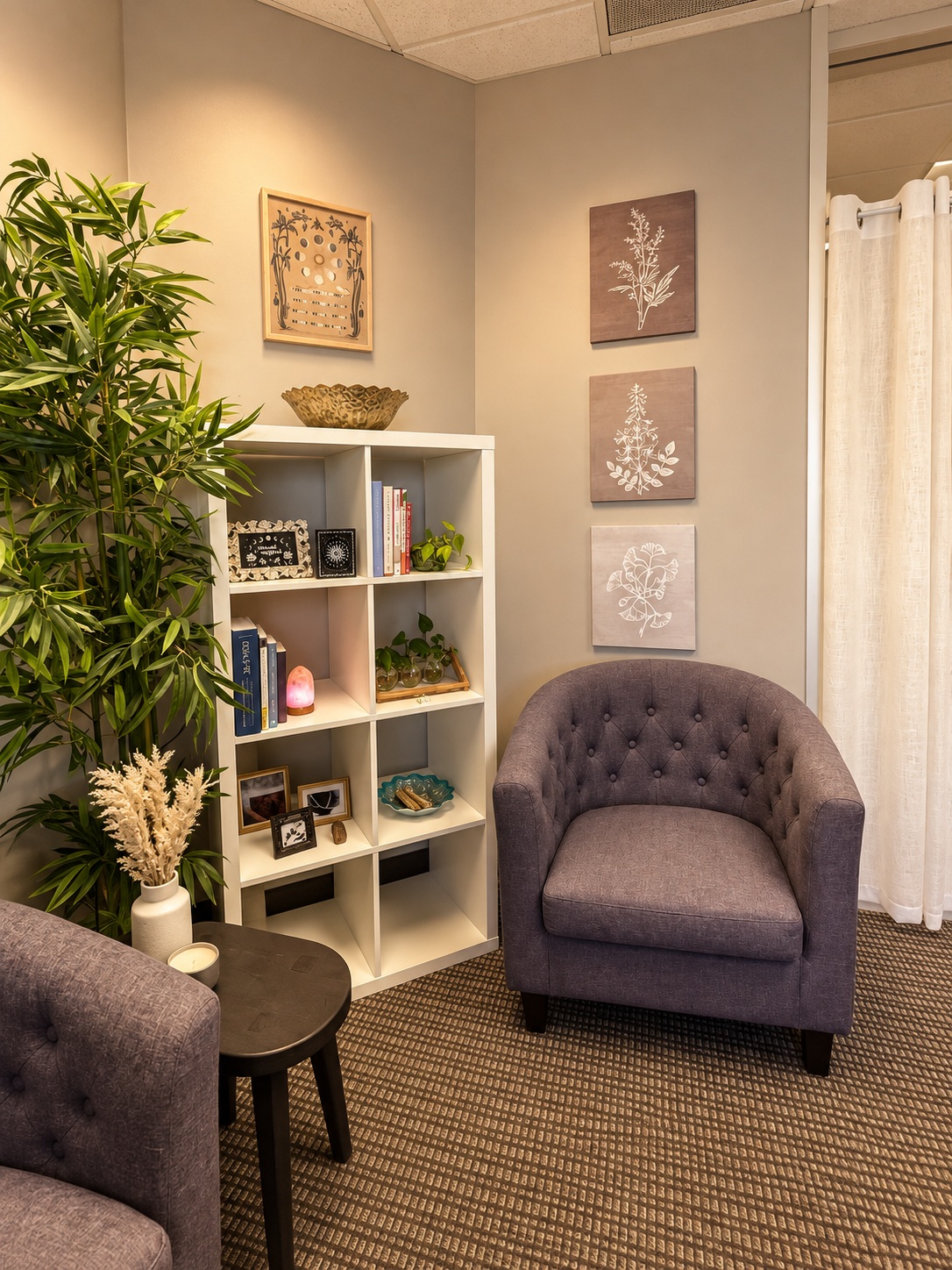
Individual therapy involves face-to-face meetings with one of our talented therapists. We have offices where staff members and clients meet to discuss progress and conduct sessions. Furthermore, our well-appointed case management offices provide resources for coaching and administrative needs.
Your therapist may suggest neurofeedback services. During these sessions, they hook you up to a computer and monitor brainwave activity. You learn to self-regulate brain waves to help undo some harmful changes brought on by alcohol and drug use disorders.
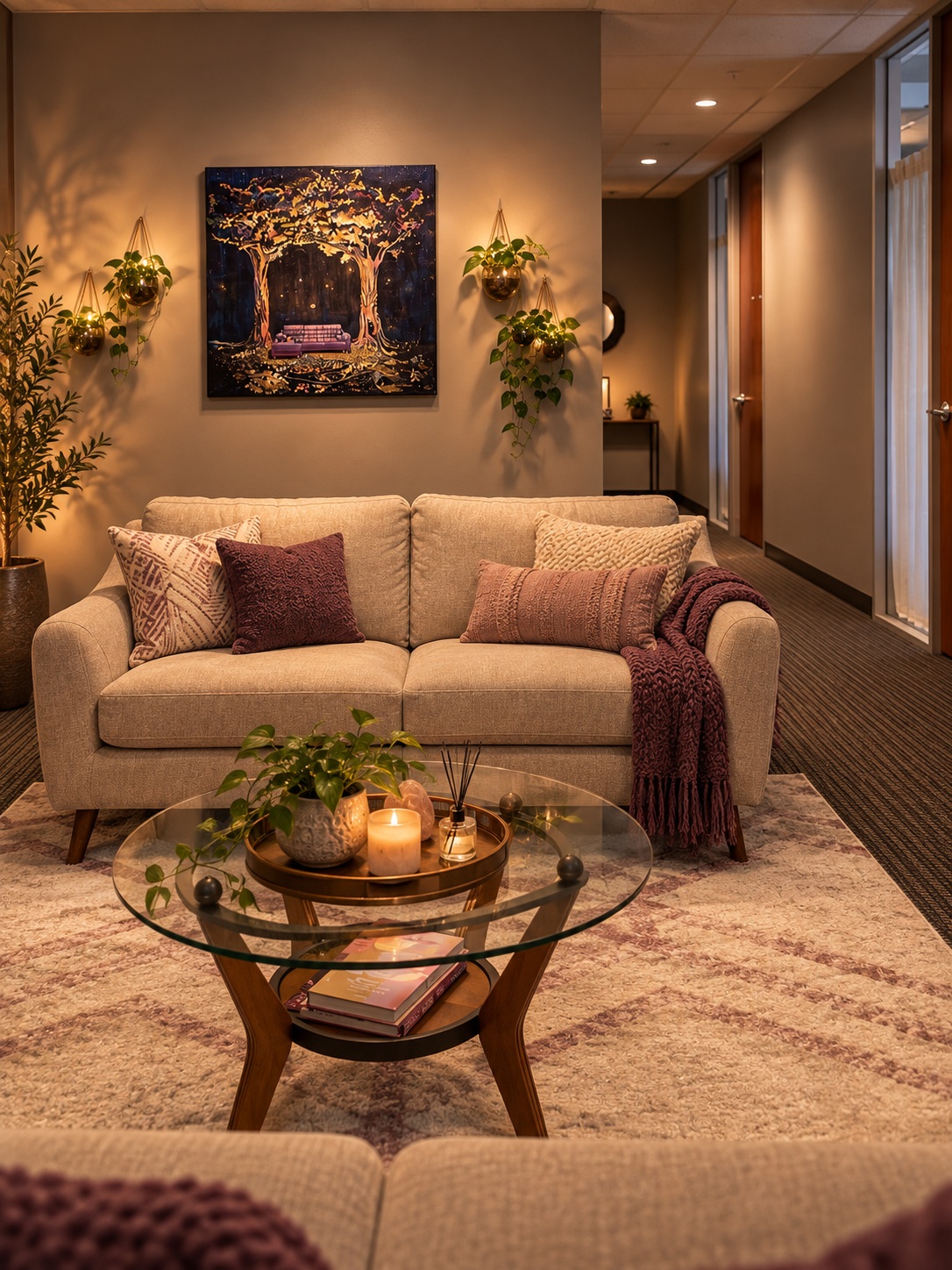
Spacious group therapy rooms play an essential role in your recovery. Up to 12 women can meet at one time, providing feedback and sharing personal experiences that enrich the recovery process. Before and after attending therapy sessions, drug testing, or medication administration, clients like to relax and socialize in our common area. This room has cozy couches and a serene environment where you can journal, reflect, or exchange pleasantries with staff and other clients.
Nutrient Guide
Explore Our Women’s Treatment Center in Denver, Colorado
Please find out more about our dedicated women’s treatment center in Denver, Colorado. If you need therapists who understand women’s specific needs during the recovery process, this may be the right place for you. At Women’s Recovery, we focus on women’s outpatient and partial hospitalization formats, designed for women who need to juggle recovery with work and family life. Contact us at 833.754.0554 today to find out more about the admissions process.