
Can Telehealth Work For Women Outside Central Denver, CO?
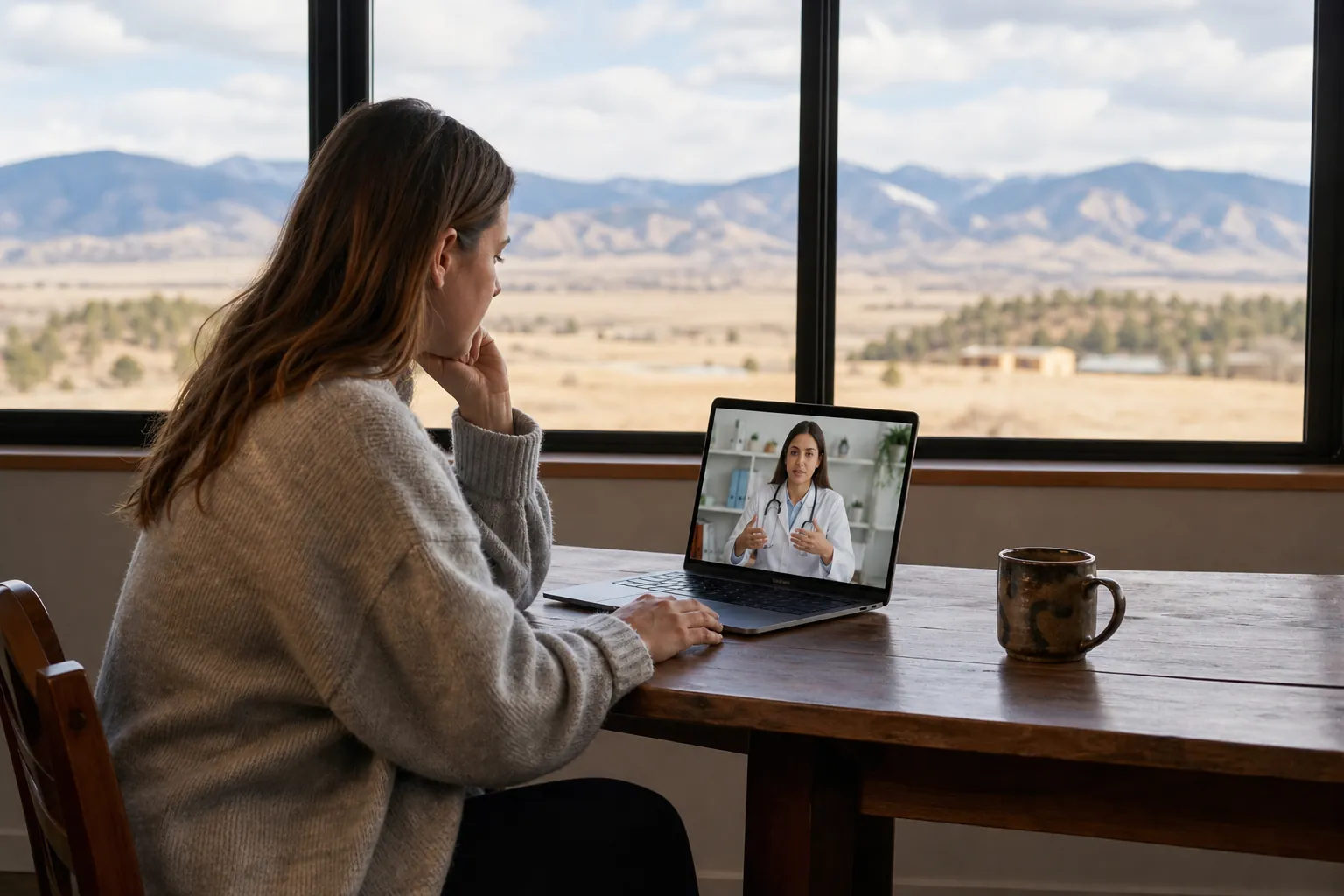
Telehealth may help women outside central Denver when remote care fits their needs. For those asking “can telehealth work for women outside central Denver,” safety, privacy, and care needs matter. Telehealth access at Women’s Recovery must be confirmed with the team before you plan around remote visits.
Can Telehealth Help Women Outside Central Denver?
Telehealth may help women outside central Denver by removing travel for visits that can happen remotely. Clinical fit and confirmed access still come first. Review outpatient services and care options and benefits of outpatient treatment for context, without assuming those services are available online.
A long drive can make regular care hard to manage. Traffic, work shifts, and family needs may add strain. Remote visits can remove travel when a provider offers them. Yet easier access and the right care are separate needs.
Telehealth means meeting with a care provider through a remote connection. The visit still needs a clear purpose and enough privacy. A video link alone does not show what treatment includes. Remote care may differ in session length, support, and services.
The National Institute of Mental Health describes therapist fit as important. Feeling able to speak openly matters in any setting. A home visit may feel easier for one woman. Another may feel safer talking away from home.
Living beyond central Denver does not rule out seeking help. Still, distance alone cannot decide the right format. A clinical team needs to assess symptoms and support needs. The team must also explain which visits require travel.
The useful question is broader than whether video calls work. Consider whether the full care plan is realistic each week. A format that removes driving may still create other barriers. Those limits deserve attention before treatment begins.
What Makes Remote Care A Good Clinical Fit?
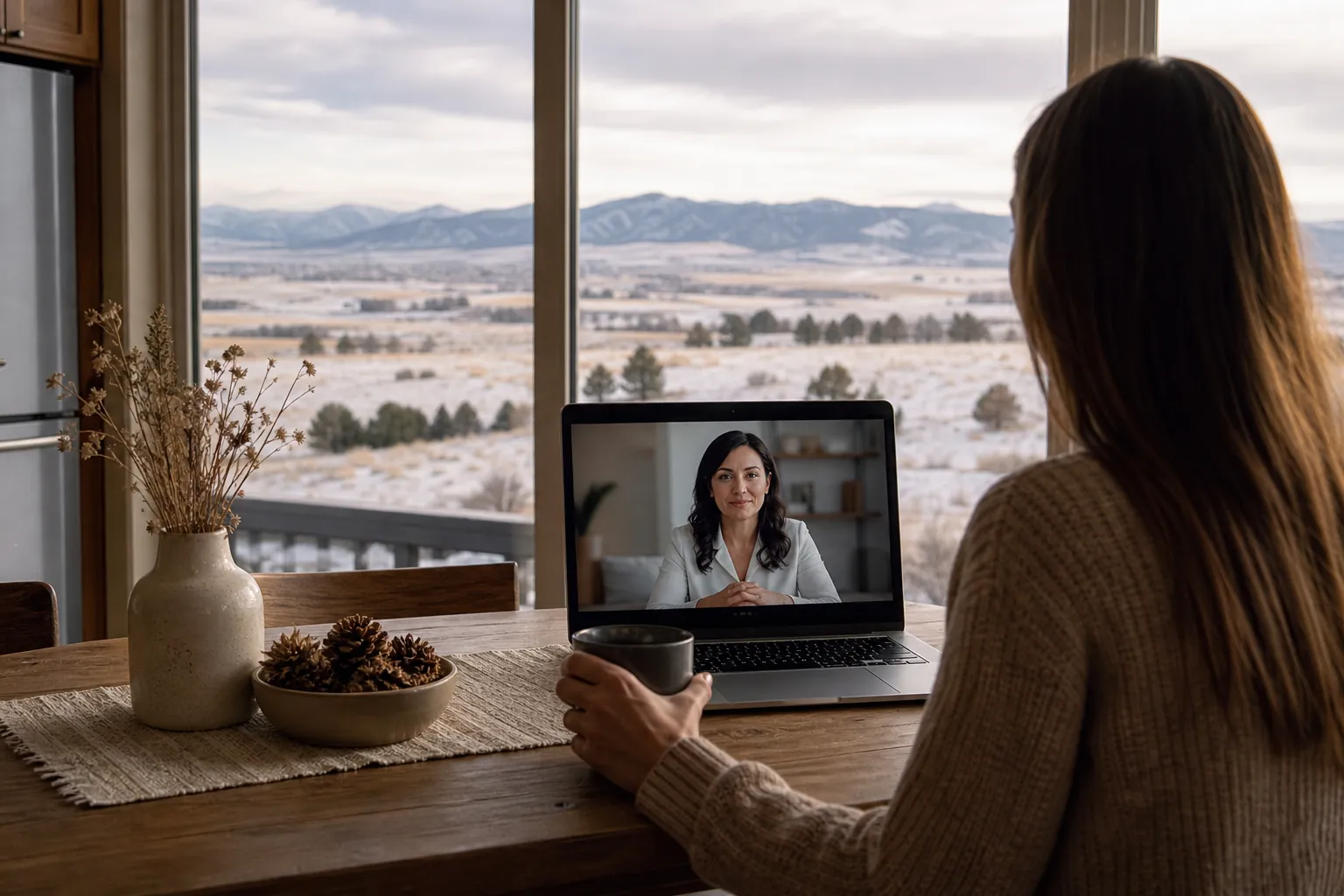
Remote care fits best when the care team can meet a woman’s needs safely from a distance. Privacy, symptoms, and support needs all matter. finding outpatient care for women and available outpatient care services offer context for discussing fit, but neither replaces an individual assessment.
An assessment is a review of symptoms, health, and daily needs. The goal is to match care with the person. The American Society of Addiction Medicine describes placement as a needs-based decision. The easiest format may not provide enough support.
A woman may want help for trauma, anxiety, or low mood. She may also have concerns about alcohol or drug use. At Women’s Recovery, a substance-use diagnosis is not required to call. The main focus is mental health and trauma.
Trauma-informed care takes past harm and emotional safety into account. For remote visits, the home setting deserves careful thought. A quiet room may still feel unsafe or exposed. The team needs room to discuss that concern without pressure.
- The care team can assess symptoms and provide suitable support remotely.
- The woman has a private place where speaking feels safe.
- The connection supports clear conversation without frequent loss of sound.
- The care plan explains what happens if symptoms become urgent.
What Care Is Confirmed At Women’s Recovery?
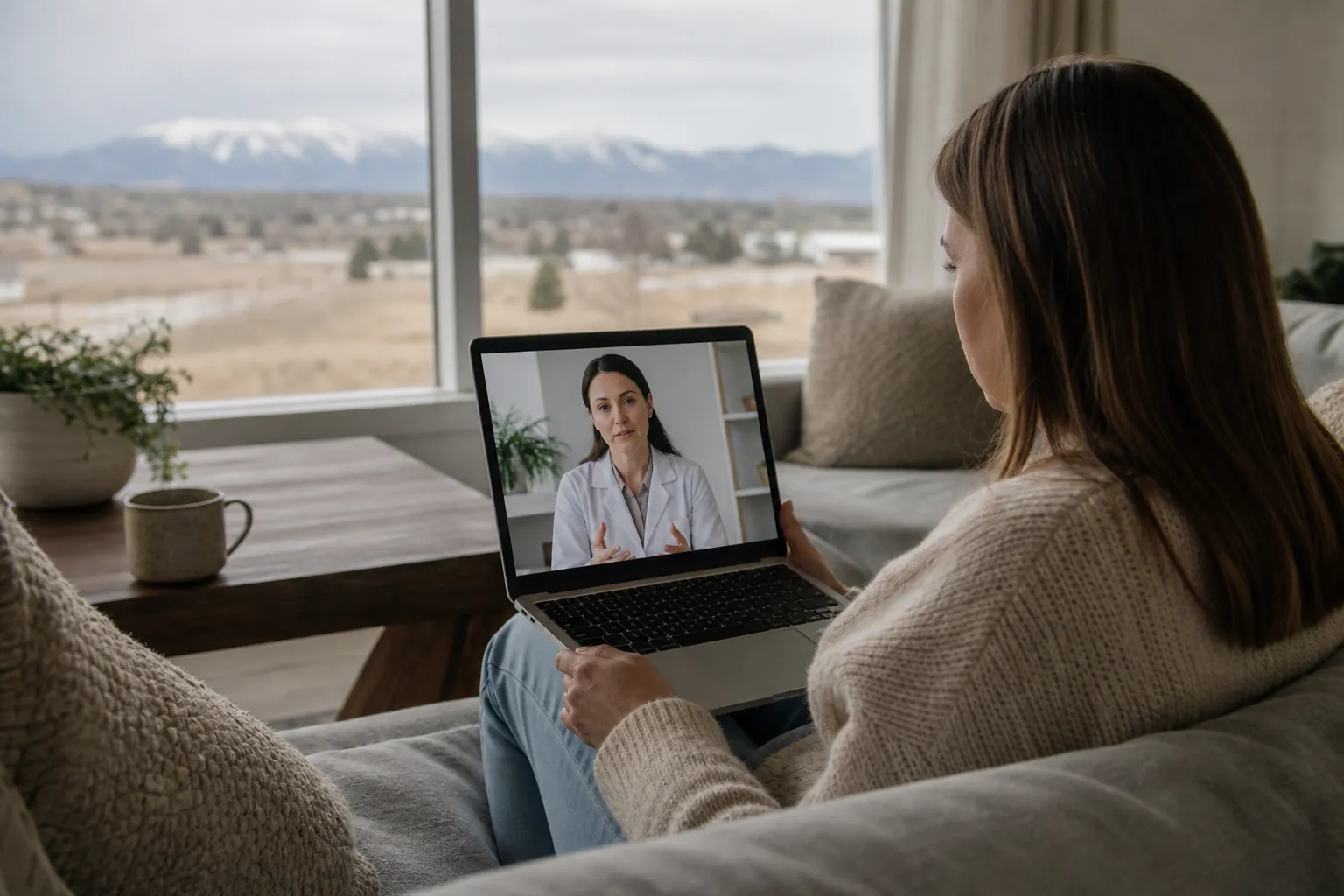
Women’s Recovery provides PHP, IOP, and outpatient care in Denver for adult women. Ask the team whether telehealth is available before planning remote care. outpatient services and care options and finding outpatient care for women can frame a discussion, but the team must confirm the actual format.
PHP means partial hospitalization program, a more intensive daytime care level. IOP means intensive outpatient program, with fewer weekly treatment hours. Women go home each evening at all offered levels. Individual assessment determines which level may fit.
Each level includes weekly individual therapy and a case manager. Psychiatric care is included, too. Contact with support people happens with the woman’s consent. These services should not be read as a confirmed remote package.
| Care Level | Confirmed Weekly Structure | Remote Access |
|---|---|---|
| PHP | Twenty-five to thirty hours over five days | Must be confirmed |
| IOP | Nine to fifteen hours | Must be confirmed |
| Outpatient | Weekly group plus individual therapy | Must be confirmed |
How Much Privacy Do Virtual Visits Need?
Virtual visits need enough privacy for honest talk without unwanted listeners. A home setting is not automatically a private setting. benefits of outpatient treatment and finding outpatient care for women provide broader context, while any remote provider should explain privacy limits and connection rules.
Shared walls, open doors, and shared devices can limit privacy. Headphones may reduce what others hear from the provider. They do not stop others from hearing your voice. A room may also be interrupted by children or visitors.
Privacy can affect what feels safe to share about trauma. Some women live with someone involved in past or current harm. A virtual visit from that home may feel too exposed. That concern belongs in the discussion about treatment format.
You do not need a perfect home office to seek help. You also do not need to solve every barrier first. The team should hear about practical limits early. A lack of private space may change the available plan.
Remote visits also need clear rules about dropped calls and messages. These details should come from the treating provider. Do not assume a video platform records visits or keeps messages private. The provider should explain how the service handles information.
- Other people cannot easily hear personal details during the visit.
- The device and account are not freely shared with others.
- The setting allows full attention without driving or managing traffic.
- The provider explains how interruptions and lost connections are handled.
Can Remote Visits Fit Work And Family Life?
Remote visits may reduce travel, but treatment still takes focused time. Work tasks and caregiving can compete with that time. benefits of outpatient treatment and outpatient services and care options help explain the role of regular care without implying flexible or remote schedules are available.
A video session is still a health care appointment. Joining from home does not remove the need for attention. Working through the visit can make honest discussion harder. So can being responsible for a child throughout the session.
Pregnant and postpartum women are welcome at Women’s Recovery. Children and infants are not onsite. Those facts matter when weighing travel and care needs. They do not establish permission to include children in remote visits.
IOP has morning and evening tracks. That does not promise a specific opening or individual schedule. The team must explain what is currently possible. A general schedule should never become a personal attendance plan by assumption.
Care beyond central Denver may involve more than commute time. Work leave, school pickup, and support at home can matter. A realistic plan should account for the full week. Removing one drive may leave other needs unresolved.
Remote access also does not prove that every service is online. Groups, individual visits, and psychiatric visits may follow different rules. Any required in-person visit adds travel back into the plan. Confirm the whole arrangement rather than one appointment alone.
When Is Telehealth Not Enough Support?
Telehealth may not provide enough support during a medical emergency or an acute mental health crisis. The appropriate response depends on the danger. finding outpatient care for women and outpatient services and care options address routine care choices, not emergency response or immediate medical needs.
Call 911 for an emergency or immediate danger, or 988 for the Suicide and Crisis Lifeline during a mental health crisis. Crisis support and emergency medical care serve different roles. Do not wait for an admissions reply during a crisis.
Withdrawal from alcohol, benzodiazepines, or opioids can be dangerous. Medical supervision is important when withdrawal may be a concern. An online appointment cannot replace needed hands-on medical care. Women’s Recovery does not provide onsite detox, residential, or inpatient care.
Detox means medical care to manage withdrawal from a substance. A routine outpatient assessment is different from that care. SAMHSA describes treatment as including several types of services. A person may need a different setting before outpatient treatment fits.
An urgent assessment is a prompt review of current needs. It is not the same as admission or emergency treatment. A clinician may recommend care outside the program’s scope. That recommendation reflects safety needs, not a personal failure.
- Immediate danger requires emergency help rather than a routine video appointment.
- Possible withdrawal needs medical review rather than an assumed online solution.
- Rapidly worsening symptoms call for prompt assessment of support needs.
How Can You Decide Without Assuming Online Access?
Start by separating interest in telehealth from confirmed service access. The care team must clarify format, assess needs, and explain admission steps. outpatient services and care options and finding outpatient care for women offer useful background, but reading service pages does not establish acceptance or placement.
A first conversation can happen before every detail is settled. You do not need to diagnose yourself or choose a level. Explain that travel from outside central Denver affects access. The team can then clarify the services it actually provides.
An assessment and admission are separate steps. The assessment reviews needs and fit for available care. Admission depends on that review and the program’s process. A conversation about remote care does not settle either step.
Benefits review is separate from clinical fit as well. A review does not establish coverage or admission. The team and health plan may need to clarify remaining details. Do not assume online and in-person services have identical coverage.
If remote care is unavailable, the distance concern still matters. A workable plan may require care closer to home. SAMHSA describes treatment as involving different services and settings. The choice should reflect needs as well as practical access.
A Denver program should not be described as a nearby branch elsewhere. Women’s Recovery provides care at its Denver location. For women outside central Denver, the key is clear information. Confirmed access is more useful than an assumed virtual option.
Questions about next steps? Call Women’s Recovery at 833.754.0554 or review the Women’s Recovery admissions process.
Frequently Asked Questions
Does Telehealth Mean Every Appointment Happens Online?
Telehealth does not always mean every appointment happens online. A provider may use remote visits for some services and in-person visits for others. That mix must be confirmed with the treating team. Women’s Recovery’s program information does not confirm telehealth or a mixed-format program, so avoid planning around either option.
Can I Use A Phone Instead Of Video?
Phone-only visits depend on the provider’s services, clinical needs, and visit rules. A smartphone does not establish that audio-only treatment is available or suitable. Ask Women’s Recovery whether phone-based treatment is available. The team would need to clarify accepted devices and formats before any remote visit is planned.
Can A Family Member Join A Remote Session?
A family member’s role depends on consent, privacy, and the care plan. Women’s Recovery includes consent-based contact with support people across its care levels. That does not establish family attendance in sessions or confirm remote family visits. Any involvement should respect the woman’s preferences and the treating team’s rules.
What Does Insurance Approval Cover?
Insurance approval applies only to the services and terms the health plan approves. A benefits review alone does not establish payment or admission. Remote visits may require separate clarification from in-person care. Confirm the scope of any approval with the plan and program rather than assuming every service is included.
Can I Attend Remotely While Traveling Outside Colorado?
Being away from Colorado can change whether a provider may hold a remote visit. Location rules and the provider’s authorization can affect access. Women’s Recovery’s program information does not confirm out-of-state telehealth. Discuss travel with the treating team before relying on a visit while away, even during an established course of care.
Sources
- Substance Use Treatment, SAMHSA
- Psychotherapies, National Institute of Mental Health (NIH)
- The ASAM Criteria, American Society of Addiction Medicine
Call 833.754.0554 to talk through next steps.