







Denver's women-only program for mental health, trauma and substance use.Call Admissions 833.754.0554
Call 833.754.0554Verify Insurance

Outpatient care for women from Lakewood, CO

Your symptoms made sense. We treat what they were managing.

Appointment-based care in Denver can offer flexible structure, with intensity shaped around your assessed needs.

A next step is to call 833.754.0554 and talk through what you need, what concerns you, and which questions would help you compare options.

For residents of Lakewood, CO. Women’s Recovery lists its physical location in Denver, CO.

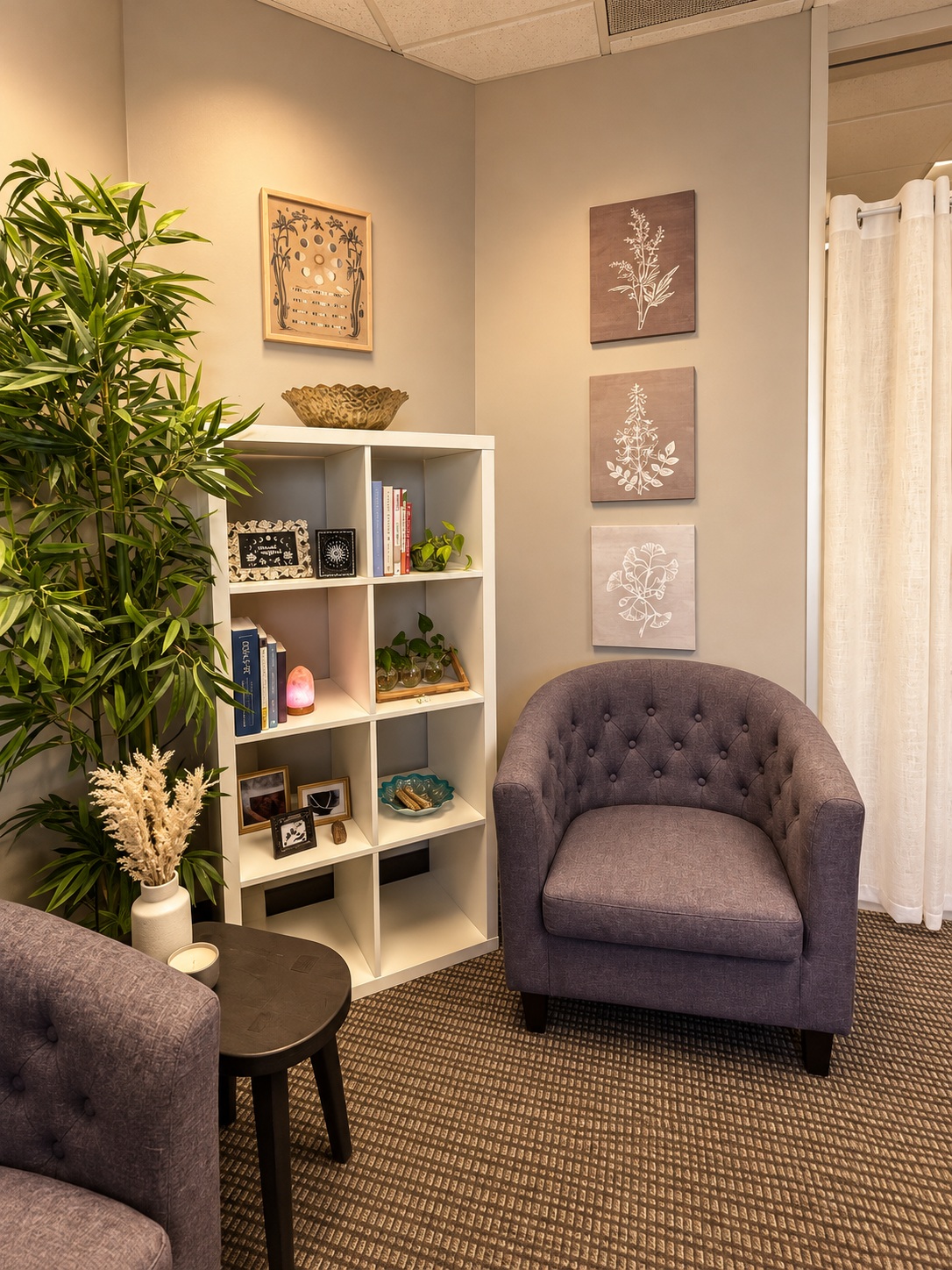
Two upholstered chairs and a bookshelf in a Women’s Recovery office

A look at our space

These are rooms at our Denver office. You spend the day here, and you go home at night.

Seating area with a sofa, round table, plants and artwork at Women’s Recovery Lounge with purple chairs, cream sofa and table Lounge with purple chairs and dried flowers Dark sofa and coffee table in a furnished room Plum armchairs beside a window table Entrance to the Belcaro Place building with the number 3801 above the doors

What can women from Lakewood, CO expect when considering outpatient addiction treatment in Denver?

Outpatient care: In Denver, outpatient treatment involves scheduled appointments followed by a same-day return home, while an intensive outpatient program can include longer sessions, groups, coping-skills learning, and closer coordination. A qualified assessment helps match support to your needs and daily life. You can call for a supportive conversation about your choices.

Dark sofa and coffee table in a furnished room

What should I expect in outpatient treatment?

Outpatient treatment for women in Denver combines scheduled care with life outside treatment hours. Depending on your needs, care may involve individual and group sessions, education, and coordinated support. Explore outpatient addiction treatment options and learn about the benefits of outpatient treatment for women.

  1. 01

    During outpatient treatment, you attend planned appointments and leave the same day

  2. 02

    The frequency and intensity can vary

  3. 03

    Traditional outpatient care may resemble regular office visits, while more structured care can involve several hours of services each week

  4. 04

    At Women’s Recovery, group therapy may be combined with individual therapy, and testing may be scheduled or unscheduled according to each person’s treatment needs

What are the key differences between inpatient and outpatient treatment programs?

The main difference is where you live during care. Inpatient treatment includes an overnight stay and around-the-clock support, while outpatient care lets you return home after appointments. Compare the Intensive Outpatient Program (IOP) addiction treatment for women with information about what an IOP involves.

Outpatient Inpatient
Structure and support
Outpatient care ranges from regular counseling visits to more intensive, coordinated programs with individual sessions, groups, coping-skills education, and other support.
Inpatient programs generally serve people who need a protected setting or 24-hour care.

Neither setting is automatically better. The useful question is which amount of structure safely matches your current health, stability, responsibilities, and support outside treatment.

When comparing levels of care, be honest about what happens between appointments. Consider whether your living environment supports recovery, whether you can reliably attend sessions, and whether symptoms or substance use make daily safety difficult. A professional assessment can help identify an appropriate starting point. If your needs change, the plan may also need to become more or less structured over time.

Dark sofa with patterned pillows and a glass table

What kinds of outpatient programs does Women’s Recovery describe?

Women’s Recovery provides outpatient care with different levels of structure, including more frequent Intensive Outpatient Program (IOP) services. Care may combine individual therapy, group therapy, and support for co-occurring mental health concerns. You can review care for professional women seeking outpatient addiction treatment or begin with admissions at Women’s Recovery.

An Intensive Outpatient Program (IOP) is more structured than traditional outpatient counseling but does not require an overnight stay

An Intensive Outpatient Program (IOP) is more structured than traditional outpatient counseling but does not require an overnight stay. It can include more frequent appointments, support groups, and additional meetings with a therapist. Care can also address substance use alongside mental health concerns, allowing these needs to be considered together rather than handled as unrelated parts of your life.

Women’s Recovery describes three-, four-, and five-day program structures with scheduling options intended to offer flexibility

Women’s Recovery describes three-, four-, and five-day program structures with scheduling options intended to offer flexibility. Its Intensive Outpatient Program provides more frequent appointments and therapist contact than traditional outpatient care, with individual therapy, group therapy, and support for co-occurring mental health concerns. The appropriate level depends on your needs. A workable structure can help you participate consistently while managing travel, work, caregiving, and other daily responsibilities.

What could a woman from Lakewood, CO expect when considering outpatient treatment in Denver?

Care for women from Lakewood at our Denver program may involve traveling to Denver, CO for appointments and returning home afterward. Addiction treatment programs for women explain common care structures, while location and travel information provides practical context for the Denver, CO destination. This can help you consider how scheduled outpatient care may fit into your daily life and whether a conversation about support feels right for you.

  1. 01

    Outpatient care generally means that you attend an appointment and leave the same day

  2. 02

    Depending on the level of care, treatment can include individual appointments, group sessions, and support for developing coping skills

  3. 03

    Some outpatient programs coordinate care more intensively than standard visits

  4. 04

    The right structure depends on your needs, health, daily circumstances, and a professional assessment rather than your home city alone

Plum armchairs beside a window table

Common questions

Explore women’s treatment programs and therapies for women in recovery for related guidance. Call admissions when you want to discuss your own situation.

Call Admissions
01 Can I keep working while attending outpatient treatment?

Outpatient care allows you to live outside the program, so continuing to work may be possible. The fit depends on your work hours, commute, treatment frequency, and ability to participate fully. A sustainable schedule matters because consistent attendance helps you remain connected to care while managing employment and other responsibilities. You retain the choice to decide whether that balance feels realistic.

02 Does outpatient treatment include both individual and group sessions?

Yes. Women’s Recovery integrates group therapy with individual therapy in outpatient care, although the balance may vary by treatment plan and level of structure. Individual sessions provide one-on-one therapeutic support, while groups can complement that work through shared participation. Together, these formats offer a more comprehensive approach, so you do not have to rely on only one type of therapeutic setting.

03 Can outpatient care address mental health concerns too?

Yes. Women’s Recovery’s Intensive Outpatient Program provides care for substance use disorders and co-occurring mental health concerns. This coordinated approach matters because both concerns can affect your treatment needs and level of support. Care may include individual therapy, group therapy, mental health education, and medication management when applicable. An admissions conversation can help you explore whether this level of care feels appropriate.

04 What RTD connection links Lakewood, CO and Denver, CO?

The W Line runs from Denver Union Station to Jefferson County Government Center and travels through Lakewood, Golden, and Denver, CO. This regional rail relationship can orient your planning, but it is not a complete trip or direct connection to Women’s Recovery.

05 What local peer support is publicly listed in Lakewood, CO?

Jefferson County peer support welcomes people in Lakewood who are experiencing substance-use or mental-health concerns or exploring recovery. Its low-barrier, low-commitment peer coaching offers human connection alongside appropriate care, but it is not clinical treatment, emergency care, or affiliated with Women’s Recovery.

If you can't believe that yet, borrow my hope. Just long enough to find your own.

Women’s Recovery graduate

Start with one conversation. Tell us what you're carrying. We'll walk you through the next step and verify your benefits.