






Denver's women-only program for mental health, trauma and substance use.Call Admissions 833.754.0554
Call 833.754.0554Verify Insurance

GBL use: information for women from Denver

Your symptoms made sense. We treat what they were managing.

If gBL use is part of what you’re carrying, we start with mental health and trauma. Healing begins in our Partial Hospitalization Program: a focused day of care, and home every night.

You deserve clear information and room to make your own choices, whether you are seeking help for yourself or someone you love.

Seating area with a sofa, round table, plants and artwork at Women’s Recovery

A look at our space

These are rooms at our Denver office. You spend the day here, and you go home at night.

Seating area with a sofa, round table, plants and artwork at Women’s Recovery Lounge with purple chairs, cream sofa and table Lounge with purple chairs and dried flowers Dark sofa and coffee table in a furnished room Plum armchairs beside a window table Entrance to the Belcaro Place building with the number 3801 above the doors

What happens to GBL in the body?

For readers reviewing the gBL use treatment for women in Denver, the CDC reports that gamma-butyrolactone, or GBL, is metabolized into GHB in the body. The source also states that GBL has greater bioavailability than GHB on an equimolar basis because of better absorption. Public local details appear on the contact page.

Supporting guidance: Adverse Events Associated with Ingestion of Gamma-Butyrolactone Minnesota, New Mexico, and Texas, 1998-1999

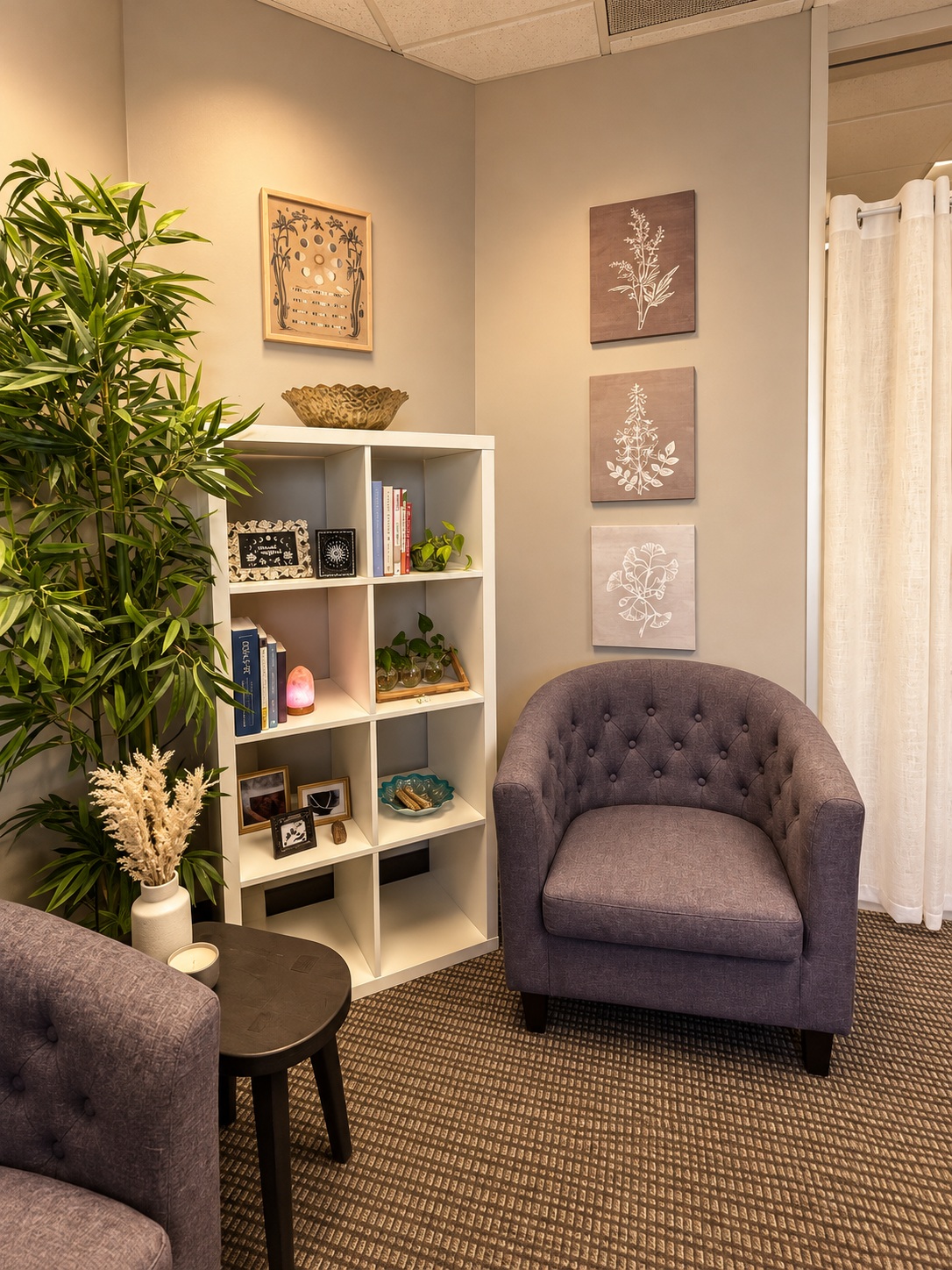
Two upholstered chairs and a bookshelf in a Women’s Recovery office

What is the most common treatment for GBL addiction?

GBL use treatment for women in Denver usually combines an individual assessment, behavioral support, and an appropriate level of care. You can explore GBL outpatient addiction treatment for women and GHB and related substances addiction treatment for women while considering what fits your health and daily life.

01

There is no single treatment plan that is best for every woman.

A useful assessment considers your pattern of GBL use, previous efforts to stop, withdrawal experiences, physical and mental health, use of other substances, safety, and the ways use affects work, caregiving, relationships, sleep, or stability. These details help distinguish general education from an individual recommendation and identify whether you may need medical attention, structured treatment, or support that fits around daily responsibilities.

02

Dependence and addiction are related but different.

Physical dependence means your body has adapted to GBL and may develop symptoms when use decreases or stops. Addiction involves a wider pattern, such as difficulty controlling use or continuing despite meaningful harm. Either concern deserves a thoughtful response rather than blame. Treatment can help you understand patterns, manage risks, build practical coping skills, and create changes that reflect your priorities instead of relying on willpower alone.

What role can a 12-step plan have in GBL treatment?

A 12-step plan can provide peer connection, shared language, and ongoing encouragement, but it is not the only path or a substitute for individualized clinical care. You can compare information about a GBL Intensive Outpatient Program (IOP) for women with admissions at Women’s Recovery as you consider different forms of support.

01

What role can a 12-step plan have in GBL treatment?

Twelve-step participation typically centers on acknowledging that substance use has become difficult to manage, accepting support, taking personal inventory, making repairs where appropriate, and helping others. Some women value its structure, community, and repeated opportunities for connection. Others prefer different peer groups or therapeutic approaches. You can decide whether spiritual language, group customs, sponsorship, or meeting participation feels useful to you. Recovery does not require forcing yourself into a framework that conflicts with your needs or values.

02

Clinical treatment and peer support serve different purposes.

Treatment can address substance-use patterns, withdrawal concerns, emotional health, behavior change, and the practical pressures that can make recovery harder. Peer groups may reduce isolation and offer relationships with people pursuing similar changes. They can complement each other, but one does not automatically replace the other. The right combination depends on your current safety, the intensity of support you need, your preferences, and what helps you remain engaged over time.

Dark sofa and coffee table in a furnished room

What are five useful steps toward successful GBL treatment?

Five useful steps are recognizing concern, completing an assessment, choosing an appropriate care level, participating in treatment, and planning continuing support. Clear guidance about gBL use treatment for women in Denver may include comparing GBL Partial Hospitalization Program (PHP) treatment for women and contacting Women’s Recovery for a conversation about your situation.

01

These steps are not a test, and progress may not happen in a straight line.

Recognition can begin with something specific, such as increasing use, unsuccessful efforts to cut back, withdrawal symptoms, or effects on health and relationships. Assessment then brings those concerns into a fuller picture. Choosing care means matching support to safety and daily needs, while participation gives you time to understand patterns, practice coping skills, and address emotional or practical factors connected with continued use.

02

Continuing support matters because finishing one phase of treatment does not erase stress, cravings, relationship strain, or other challenges.

A sustainable plan may include clinical follow-up, peer connection, supportive relationships, routines, and renewed help when circumstances change. Recovery from addiction is possible, but it usually requires more than determination alone. Each step can be adjusted as you learn what is helpful, and returning for additional support is a reasonable response to difficulty rather than evidence of personal failure.

  • 1. Recognize the concern without reducing yourself to it.
  • 2. Complete an individualized assessment of use, health, safety, and daily life.
  • 3. Choose a level of care suited to your current needs.
  • 4. Participate in treatment and practice practical change skills.
  • 5. Continue support and revise the plan as your needs change.

What should a woman expect from outpatient treatment in Denver?

women’s treatment programs may involve appointments followed by a return home the same day. You can also review admissions information when deciding whether a conversation about outpatient care feels helpful.

  1. 01

    Outpatient treatment can range from standard appointments that let you return home the same day to an Intensive Outpatient Program (IOP) with more coordinated support

  2. 02

    Inpatient or partial-hospitalization care provides a higher level of structure when appropriate

  3. 03

    The right level depends on your needs, stability, and recovery goals

  4. 04

    Appropriate care can give you meaningful support while respecting your daily responsibilities and supportive relationships whenever possible

Dark sofa with patterned pillows and a glass table

Common questions

Explore care at our Denver location and communities we serve for related guidance. Call admissions when you want to discuss your own situation.

Call Admissions
01 What can a GBL treatment assessment cover?

A conversation may explore how often you use GBL, what happens when you reduce or stop, physical or emotional symptoms, other substances, mental health concerns, medical needs, and effects on daily life. Your answers help clarify risk and the level of support that may fit.

02 Is GBL dependence the same as addiction?

Dependence means your body has adapted to a substance and may react when use stops. Addiction involves a broader pattern of continued use despite harm or difficulty controlling it. They can overlap, but they are not identical. An individualized assessment can help clarify what you are experiencing.

03 Can I call if I am concerned about someone I love?

Yes. A loved one can call to discuss concerns, communication, and possible next steps without speaking for the woman involved. Support is often most helpful when it is calm, specific, and respectful of her choices rather than based on threats, shame, or pressure.

04 Where are Women’s Recovery's publicly listed Denver contact details for someone researching gBL use: information for women from Denver?

Women’s Recovery’s public contact page lists the Denver location at 3801 E Florida Ave, Ste 650, Denver, CO 80210, with the telephone number 833.754.0554. These details establish only the publicly listed address and contact number. They do not independently establish licensing, accreditation, treatment availability, eligibility, schedules, outcomes, or information about any other facility.

05 Which official Denver substance-use resources can someone consult while researching gBL use: information for women from Denver?

The City and County of Denver publishes substance-use support links, harm-reduction resources, treatment-navigation links, and crisis directions for Denver residents. This information provides public resource navigation only. It does not represent Women’s Recovery treatment, promise that any service is available, provide individualized medical guidance, or establish an endorsement of or affiliation with Women’s Recovery.

If you can't believe that yet, borrow my hope. Just long enough to find your own.

Women’s Recovery graduate

Start with one conversation. Tell us what you're carrying. We'll walk you through the next step and verify your benefits.