





Denver's women-only program for mental health, trauma and substance use.Call Admissions 833.754.0554
Call 833.754.0554Verify Insurance

GHB and related substances use treatment for women in Denver

Your symptoms made sense. We treat what they were managing.

If gHB and related substances is part of what you’re carrying, we start with mental health and trauma. Healing begins in our Partial Hospitalization Program: a focused day of care, and home every night.

Struggling to stop is not a moral failure, and you deserve clear information without pressure or shame.

Lounge with purple chairs and dried flowers

A look at our space

These are rooms at our Denver office. You spend the day here, and you go home at night.

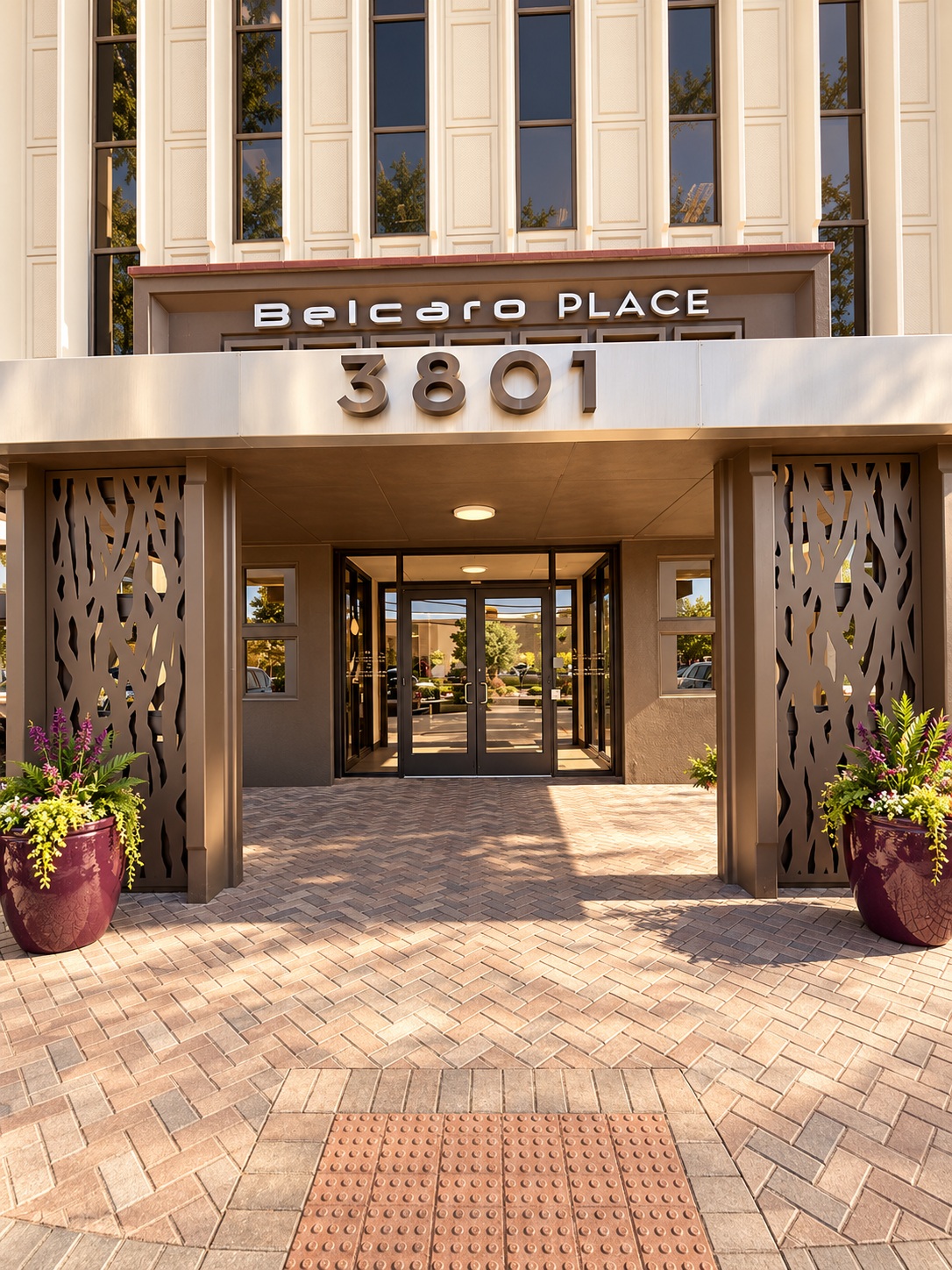
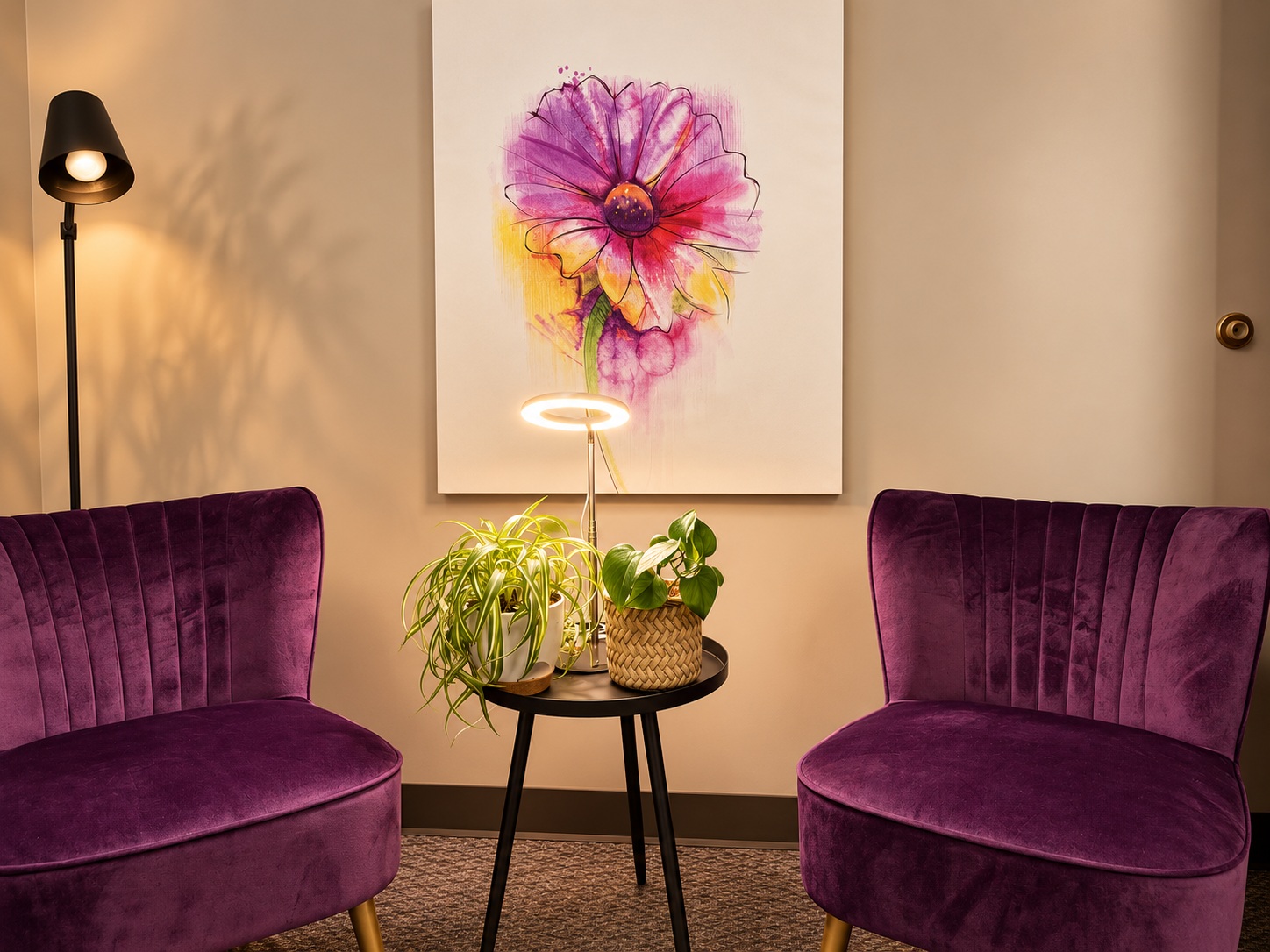
Seating area with a sofa, round table, plants and artwork at Women’s Recovery Lounge with purple chairs, cream sofa and table Lounge with purple chairs and dried flowers Dark sofa and coffee table in a furnished room Plum armchairs beside a window table Entrance to the Belcaro Place building with the number 3801 above the doors

Is GHB Schedule I or Schedule II, and what does that mean for treatment?

GHB and related substances use treatment should be guided by your health and circumstances, not a schedule number alone. Legal classifications can vary by formulation and authorized medical use. Learn about GHB addiction treatment for women or begin with admissions at Women’s Recovery.

01

A controlled-substance classification describes how federal law regulates a substance under particular circumstances.

It does not tell you whether your use has become difficult to control, whether stopping may cause symptoms, or which level of care fits you. Those questions require an individual assessment of recent use, physical and emotional concerns, other substances or medications, and how your daily responsibilities and relationships have been affected.

02

Addiction is a complex medical condition rather than evidence of weak character or insufficient willpower.

Treatment can help you work with cravings, emotional symptoms, and patterns that make change difficult. If you have severe or rapidly worsening symptoms, loss of consciousness, or trouble breathing, seek emergency help now. For non-emergency concerns, a conversation can help clarify whether overnight support or another care setting may be appropriate.

Plum chairs, table and flower painting

Is GHB used as a treatment for narcolepsy?

Certain prescription formulations related to GHB may be used for specific medical purposes, including narcolepsy, under a prescriber’s supervision. That does not make nonmedical use safe or determine your treatment needs. You can explore GBL addiction treatment for women and contact Women’s Recovery for a personal conversation.

01

If you take a prescribed medication for narcolepsy or another condition, decisions about continuing, stopping, or changing it belong with your treating prescriber.

An addiction-care conversation can still address concerns such as taking more than intended, feeling unable to cut back, combining substances, or experiencing consequences in daily life. Medical use and a substance-related problem are not mutually exclusive, so honest discussion can support safer, more coordinated decisions.

02

Is GHB used as a treatment for narcolepsy?

Your care needs should be based on your symptoms, functioning, and safety rather than on whether a substance can also have a legitimate medical use. Treatment may help with cravings, sleep disruption, restlessness, anxiety, depression, and other concerns that can arise when substance use changes. It may also address co-occurring mental health conditions, which are common among people experiencing substance use disorders and can influence recovery planning.

Is gamma-butyrolactone legal in the United States?

The legal status of gamma-butyrolactone, or GBL, depends on factors such as how it is sold, represented, or intended for use. Legality does not establish safety or answer whether care could help. Read about GBL addiction treatment for women or review admissions at Women’s Recovery when considering support.

01

Because laws and product circumstances can differ, current legal questions are best checked through an official government source or qualified legal professional.

For treatment decisions, the more useful focus is what has been happening to you. Difficulty controlling use, strong cravings, repeated unwanted consequences, or physical and emotional symptoms after changing use can all be meaningful reasons to seek an assessment, regardless of whether a product was purchased openly.

02

An assessment is not a legal interrogation and should not be shaped by shame.

It is an opportunity to discuss the substance involved, frequency and pattern of use, symptoms, mental health, responsibilities, relationships, and the support available around you. These details help distinguish general education from an individual recommendation. Inpatient care, for example, is generally intended for people who need overnight, continuous support for health or withdrawal concerns.

Seating area with a sofa, round table, plants and artwork at Women’s Recovery

How is GHB metabolized in the body?

GHB is processed by the body relatively quickly, but metabolism varies and cannot be used to predict your safety from a general timeline. Products related to GHB may also be converted within the body. For focused information, see 1,4-butanediol addiction treatment for women and GHB addiction treatment for women.

01

How a substance is metabolized matters because effects can change as the body absorbs, converts, and clears it.

Yet metabolism alone cannot determine impairment, withdrawal risk, or the right care setting. Product contents, individual health, pattern of use, and other substances or medications may affect what someone experiences. A clinical assessment brings these factors together instead of offering false reassurance based on how much time has passed.

02

When you reduce or stop substance use, physical and emotional symptoms may include restlessness, sleeplessness, anxiety, depression, and strong cravings.

The presence, timing, and severity of symptoms can guide the level of support considered. Some people need 24-hour care for health or withdrawal concerns, while others may be suited to a different setting. Education can explain options, but only an individualized assessment can connect them to your situation.

Can GHB metabolism determine which treatment setting you need?

No. How GHB is metabolized is only one part of understanding risk, and it cannot select a treatment setting by itself. Your symptoms, use pattern, health, environment, and available support matter more. You may compare information about barbiturates addiction treatment for women and butalbital addiction treatment for women when multiple substances are involved.

01

A level-of-care recommendation should reflect what you need to remain medically and emotionally supported.

Inpatient care means staying overnight in a hospital or clinic and is generally used when 24-hour attention is needed for substance-related health problems or withdrawal. A different setting may be appropriate when risks can be managed safely with less intensive support. Your preferences, home responsibilities, transportation, and trusted relationships also deserve consideration.

02

Women often balance care decisions with work, caregiving, privacy, relationships, and past experiences with health systems.

These realities are relevant, but they should not lead anyone to assume what you need or pressure you toward one path. Appropriate treatment leaves room for your questions and choices while directly addressing health risks and barriers to change. Call Admissions · 833.754.0554.

Two upholstered chairs and a bookshelf in a Women’s Recovery office

Common questions

Explore women’s treatment programs and mental health treatment for women in Denver for related guidance. Call admissions when you want to discuss your own situation.

Call Admissions
01 Are dependence and addiction the same thing?

Dependence can involve physical adaptation and withdrawal when use stops, while addiction involves a broader pattern of continued use despite harm or difficulty controlling use. They can overlap, but they are not identical. A thoughtful assessment considers what you are experiencing rather than relying on a label alone.

02 What does an assessment for GHB-related concerns consider?

An assessment may explore what substance was used, how often, recent changes, physical or emotional symptoms, other medications or substances, and effects on sleep, health, relationships, work, or safety. The purpose is to understand your needs and discuss an appropriate level of care, not to reduce you to a checklist.

03 Does everyone need inpatient treatment?

Inpatient care includes overnight support and is generally appropriate when someone needs continuous attention for health concerns or withdrawal. Other people may benefit from care that fits around daily responsibilities. The right recommendation depends on your current symptoms, risks, support system, and ability to remain safe between sessions.

04 Can treatment address mental health concerns too?

Treatment can address substance use alongside anxiety, depression, sleep disruption, trauma-related concerns, or other mental health symptoms. These experiences can affect one another, so discussing them together can support a more useful care plan. You can share what feels manageable and add details as trust develops.

05 How can I start a conversation with Women’s Recovery?

You can call Women’s Recovery at 833.754.0554 for a conversation about what is happening and what kind of help you are seeking. Women’s Recovery is located at 3801 E Florida Ave, Ste 650, Denver, CO 80210. You may ask questions without having every detail settled first.

Evidence behind this page

Supporting health information

Read how we select health information sources and apply the Women’s Recovery editorial policy. These references provide general education and context; they do not establish an individual diagnosis, service, or treatment recommendation.

If you can't believe that yet, borrow my hope. Just long enough to find your own.

Women’s Recovery graduate

Start with one conversation. Tell us what you're carrying. We'll walk you through the next step and verify your benefits.