






Denver's women-only program for mental health, trauma and substance use.Call Admissions 833.754.0554
Call 833.754.0554Verify Insurance

Kratom use: information for women from Centennial

Your symptoms made sense. We treat what they were managing.

If kratom use is part of what you’re carrying, we start with mental health and trauma. Healing begins in our Partial Hospitalization Program: a focused day of care, and home every night. Women from Centennial start at our Denver program.

For a private, conversation, call Women’s Recovery at 833.754.0554 or visit 3801 E Florida Ave, Ste 650, Denver, CO 80210.

For residents of Centennial, CO. Women’s Recovery lists its physical location in Denver, CO.

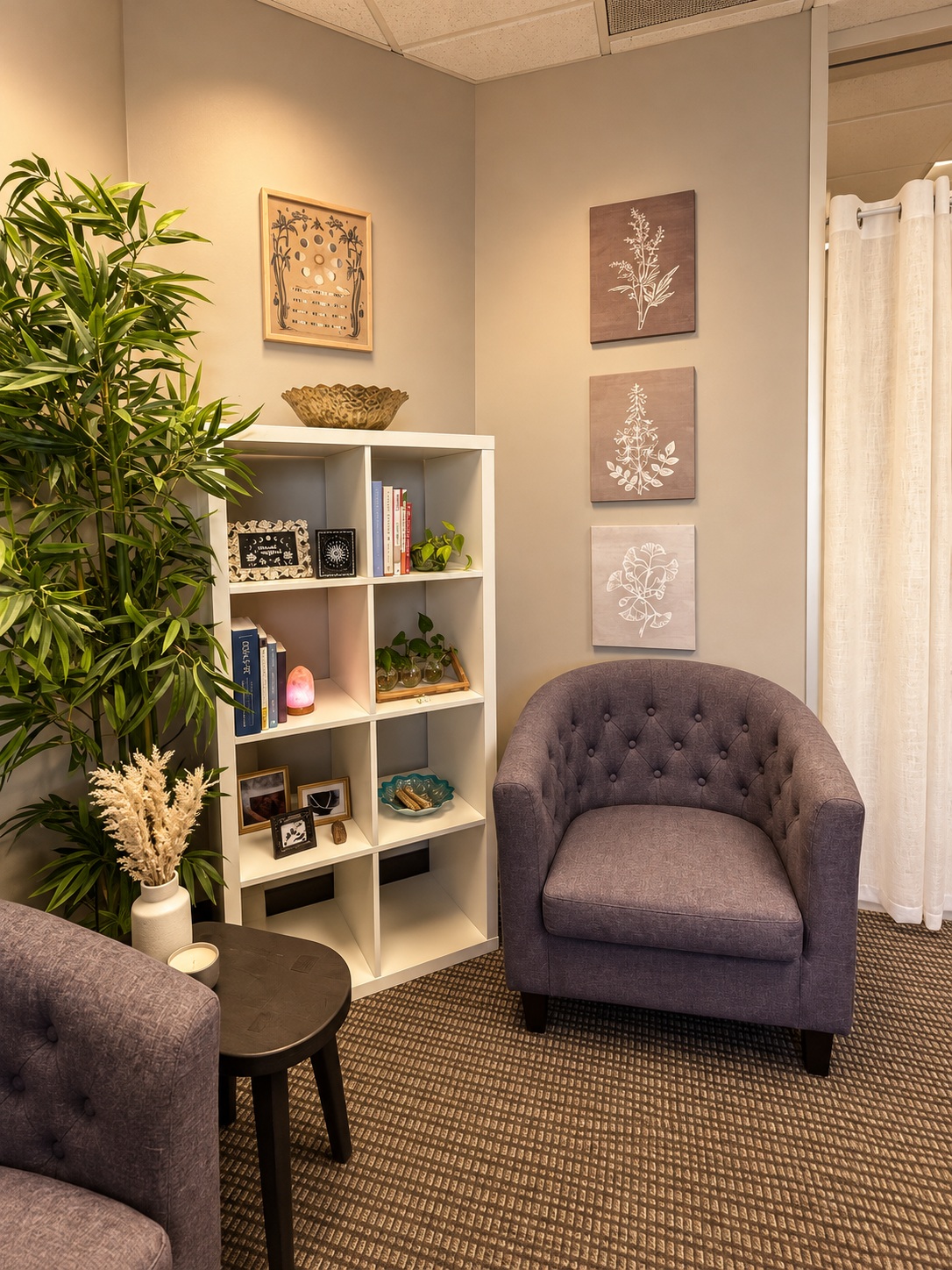
Two upholstered chairs and a bookshelf in a Women’s Recovery office

A look at our space

These are rooms at our Denver office. You spend the day here, and you go home at night.

Seating area with a sofa, round table, plants and artwork at Women’s Recovery Lounge with purple chairs, cream sofa and table Lounge with purple chairs and dried flowers Dark sofa and coffee table in a furnished room Plum armchairs beside a window table Entrance to the Belcaro Place building with the number 3801 above the doors

What is kratom?

Kratom and Addiction Treatment Guidance Overview identifies kratom as an herbal substance derived from Mitragyna speciosa leaves. Its compounds may cause opioid-like and stimulant-like effects, but product contents can be uncertain. Kratom education and support can inform care choices, and Centennial, CO resources can help you begin a respectful conversation without pressure or shame.

Supporting guidance: Kratom

Dark sofa and coffee table in a furnished room

What is kratom?

kratom and outpatient treatment guidance for women in Denver begins with clear information: kratom refers to the Southeast Asian tree Mitragyna speciosa and products made from its leaves. Understanding this variable substance can help you consider whether admissions support is an appropriate next step.

01

Kratom leaves contain multiple bioactive alkaloids that affect the body.

Products may be marketed as herbal supplements, but the word “kratom” can refer to the plant, its leaves or different preparations derived from them. That variation matters because a name or label alone does not establish exactly what a particular product contains or how it may affect you.

02

Kratom can produce opioid-like and stimulant-like effects, which makes simple comparisons with one familiar substance incomplete.

Research into its health and safety effects continues. Education can clarify known concerns, but it cannot determine your individual response or recommend a level of care. A thoughtful assessment can consider what you have experienced and how use is affecting daily life.

How can kratom affect the body?

Kratom’s active compounds can affect the body in more than one way, including opioid-like and stimulant-like effects. Your experience cannot be predicted from the product name alone. If effects are disrupting your health or routine, Intensive Outpatient Program (IOP) guidance and a confidential conversation can clarify possible care paths.

01

Because kratom contains many active compounds, its effects are not limited to a single body system.

Reported serious problems have involved psychiatric, cardiovascular, gastrointestinal and respiratory health. These reports do not mean every person will experience the same problem, but they are important reasons to take new, severe or worsening symptoms seriously rather than dismissing them as harmless.

02

The uncertainty surrounding kratom products can make it difficult to connect a particular feeling with one ingredient or exposure.

A care conversation can focus on the effects you have actually noticed, whether use has become harder to control and whether other substances may be involved. This individualized context is more useful than trying to predict your response from general information.

Dark sofa with patterned pillows and a glass table

What health risks are associated with kratom?

Rare but serious psychiatric, cardiovascular, gastrointestinal and respiratory problems have been reported with kratom use. Products may also contain other substances or contaminants, so a label may not resolve every safety concern. Learn about kratom and emerging products, or explore Partial Hospitalization Program guidance when greater support may be relevant.

01

What health risks are associated with kratom?

A very small number of deaths have been linked to kratom products compared with deaths involving other drugs, and nearly all reported cases involved additional drugs or contaminants. That context is important: it avoids overstating the evidence while still recognizing genuine risk. It also means a serious reaction should not be attributed confidently to kratom alone without professional evaluation.

02

Product uncertainty can complicate decisions because plant-derived does not automatically mean predictable.

Different preparations may include multiple active compounds, and contamination can add risks that are not apparent from packaging. Care can help you look at symptoms, patterns of use and possible combined exposures together, especially when uncertainty is increasing fear or making it difficult to decide what to do next.

What could a woman from Centennial, CO expect when considering outpatient treatment in Denver?

Care for women from Centennial at our Denver program may involve traveling to Denver, CO for appointments and returning home afterward. You can explore treatment programs for women, review location and travel information and consider how outpatient care could fit your daily life.

  1. 01

    Outpatient treatment generally means attending an appointment and leaving the same day rather than staying overnight

  2. 02

    Depending on the type of program, care may include individual appointments, group sessions and opportunities to develop coping skills

  3. 03

    Some outpatient programs provide more frequent or coordinated support than standard visits

  4. 04

    This structure can help you receive meaningful care while continuing to live at home, although the right balance depends on your needs and circumstances

Plum armchairs beside a window table

Common questions

Explore care for women from Centennial at our Denver program and communities we serve for related guidance. Call admissions when you want to discuss your own situation.

Call Admissions
01 Does using kratom mean I have a substance use disorder?

No. Kratom use by itself does not establish a substance use disorder. A meaningful assessment considers control over use, health effects and disruption to responsibilities or relationships. If you are concerned, care can help you understand your pattern without deciding in advance what label or level of support applies.

02 Are all kratom products alike?

No. Kratom can refer to the Mitragyna speciosa tree, its leaves and products derived from those leaves. They may contain multiple active compounds, and contaminants may be involved in some harms. A product name or label therefore cannot reliably predict its contents, effects or safety for you.

03 Should I manage possible kratom withdrawal on my own?

General information cannot establish whether home withdrawal is appropriate or safe. If reducing or stopping kratom makes you feel unwell, professional evaluation can help assess your symptoms and other substance exposure. Seek immediate medical help for severe, rapidly worsening or breathing-related symptoms rather than waiting for a routine appointment.

04 What RTD rail information can help orient a woman traveling from Centennial, CO toward Denver, CO?

RTD locates Dry Creek Station at 9450 E Dry Creek Rd in Centennial, CO and identifies it as serving the E Line. The published E Line endpoints are Union Station and RidgeGate Parkway Station. These records do not establish an itinerary, current schedule, accessibility, last-mile transportation, or service to Women’s Recovery.

05 Which Arapahoe County resources address substance use and mental-health needs?

Arapahoe County links Colorado LADDERS and OwnPath under Find Treatment and Colorado Crisis Services under Crisis Services. For mental-health needs, it directs people in crisis to call or text 988 or use 988Colorado.com and lists AllHealth Network and OwnPath. These listings do not establish eligibility, capacity, county treatment, or Women’s Recovery affiliation.

If you can't believe that yet, borrow my hope. Just long enough to find your own.

Women’s Recovery graduate

Start with one conversation. Tell us what you're carrying. We'll walk you through the next step and verify your benefits.