







Denver's women-only program for mental health, trauma and substance use.Call Admissions 833.754.0554
Call 833.754.0554Verify Insurance

Intensive outpatient care (IOP) for women from Centennial

Your symptoms made sense. We treat what they were managing.

Women can engage in structured recovery work without an overnight stay. Scheduled individual counseling, groups, coping-skills practice, and medication support when appropriate may provide coordinated care while allowing a return home.

You can discuss your needs, responsibilities and options with Women’s Recovery at 833.754.0554, with no pressure to make an immediate decision.

For residents of Centennial, CO. Women’s Recovery lists its physical location in Denver, CO.

Lounge with purple chairs and dried flowers

A look at our space

These are rooms at our Denver office. You spend the day here, and you go home at night.

Seating area with a sofa, round table, plants and artwork at Women’s Recovery Lounge with purple chairs, cream sofa and table Lounge with purple chairs and dried flowers Dark sofa and coffee table in a furnished room Plum armchairs beside a window table Entrance to the Belcaro Place building with the number 3801 above the doors

What might a woman from Centennial, CO do during an intensive outpatient program (IOP)?

A woman may spend scheduled hours in intensive outpatient care, participating in individual counseling, group therapy, coping-skills learning, and medication support when appropriate before returning home. Intensive outpatient program (IOP) describes a general level of care whose schedules and services differ. An individualized assessment helps determine whether that structure is suitable.

Plum chairs, table and flower painting

What is an Intensive Outpatient Program (IOP) for addiction recovery?

What is an intensive outpatient program (IOP) provides coordinated care for substance use disorders while you continue living at home. An IOP for women offers more structure than standard outpatient addiction treatment without requiring an overnight stay. Care may combine individual or group counseling, education, and medication support based on your needs.

IOP occupies a middle level between traditional office-based counseling and inpatient or partial hospitalization care

IOP occupies a middle level between traditional office-based counseling and inpatient or partial hospitalization care. It may involve several hours of services during a week, although the actual structure depends on your clinical needs and the individual program. This added intensity can create more continuity among individual sessions, group work and medication support when appropriate. It also gives you recurring opportunities to practice recovery skills while remaining connected to everyday life.
Substance use disorders are complex, treatable medical conditions, and recovery may require more than one form or episode of care

Substance use disorders are complex, treatable medical conditions, and recovery may require more than one form or episode of care. IOP is one possible setting within that broader continuum. Its name alone cannot determine whether it matches your current health, stability or support needs. A thoughtful level-of-care decision considers what you are experiencing now, whether you can participate reliably and whether you need medical or around-the-clock support.

How can different care needs point toward IOP or another level?

The appropriate setting depends on the intensity and type of care you need, not on willpower or how serious your situation appears to others. Reviewing outpatient addiction treatment and admissions at Women’s Recovery can help you begin a respectful conversation about structure, safety and support.

01

The right level of care should reflect what would support you safely and consistently now.

Your current physical and emotional health, the degree of coordination you need, and whether you can participate regularly while living at home all matter. An IOP may be appropriate when you can remain at home but would benefit from more structured, recurring care. Daily responsibilities can also shape whether an outpatient setting is workable, though no program can guarantee compatibility with every work, caregiving, or household commitment.

02

If substance-related health concerns or withdrawal symptoms require continuous medical support, a setting with around-the-clock care may be safer.

Matching care to these needs can give you meaningful support without treating the level of care as a judgment about your effort, character, or ability to recover.

03

Care needs can change as your health, stability, responsibilities, and recovery progress change.

A setting that fits during one phase may offer too little or more support than you need later, so reassessment helps keep treatment responsive rather than locking you into a label. Counseling, medication support, or a combination of approaches may be considered according to your condition and circumstances. A clinical conversation can look at your physical health, emotional needs, ability to attend regularly while living at home, and the amount of coordination likely to be useful.

04

You do not have to decide the level of care alone or prove that your situation is serious enough.

If you are uncertain, you can begin with a conversation about what feels manageable and what level of support could help you participate in recovery safely and consistently.

Seating area with a sofa, round table, plants and artwork at Women’s Recovery

How is IOP different from other levels of care?

IOP provides more coordinated and intensive services than traditional office-based counseling while allowing you to leave after care. It differs from overnight treatment in a hospital, clinic or residential setting. You can also explore virtual outpatient treatment information and outpatient addiction treatment.

01

Traditional outpatient care may consist of regular counseling, medication support or both through office or telehealth visits.

IOP generally brings services together more frequently or for longer periods, potentially including individual and group work. Partial hospitalization is another intensive option and sits closer to inpatient care in the continuum. Program names do not create one universal schedule, so two services carrying the IOP label may differ in timing, format and clinical components.

02

Inpatient care means staying overnight, often for people who need continuous attention for health problems connected with substance use or management of withdrawal symptoms.

Residential programs also involve living at the treatment setting and may provide extended care. IOP does not provide that residential environment. Its value lies in offering greater outpatient structure while you remain in your home and community, provided that this arrangement is clinically suitable for your current needs.

What could a woman from Centennial, CO expect when considering outpatient treatment in Denver?

Care for women from Centennial at our Denver program may involve traveling to Denver, CO for appointments and returning home afterward. You can explore treatment programs for women, review location and travel information and consider how outpatient care could fit your daily life.

  1. 01

    Outpatient treatment generally means attending an appointment and leaving the same day rather than staying overnight

  2. 02

    Depending on the type of program, care may include individual appointments, group sessions and opportunities to develop coping skills

  3. 03

    Some outpatient programs provide more frequent or coordinated support than standard visits

  4. 04

    This structure can help you receive meaningful care while continuing to live at home, although the right balance depends on your needs and circumstances

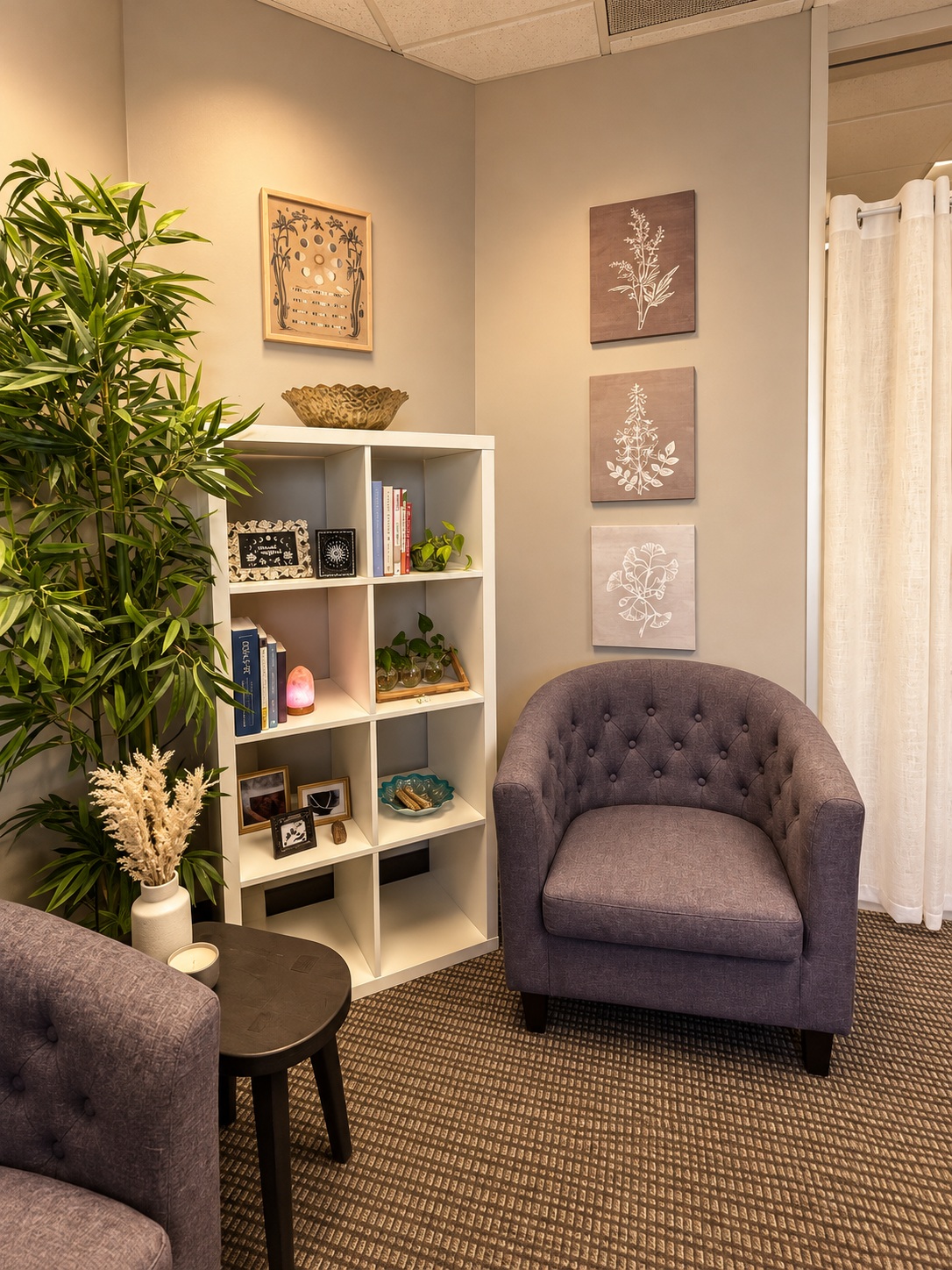
Two upholstered chairs and a bookshelf in a Women’s Recovery office

Common questions

Explore women’s treatment programs and therapies for women in recovery for related guidance. Call admissions when you want to discuss your own situation.

Call Admissions
01 Does IOP mean I have to leave home?

No. Intensive outpatient care generally means that you live at home, attend care on a recurring schedule and leave after services. This differs from inpatient or residential care, where you stay overnight. Your ability to participate safely from home still depends on your individual care needs.

02 Is IOP the same as weekly therapy?

No. IOP is generally more intensive and coordinated than a traditional weekly counseling or office visit. It may combine individual sessions, groups, education and medication support when appropriate. The frequency, duration and mix are not identical across programs, so the program name alone does not establish its full structure.

03 Can IOP include both group and individual sessions?

Yes, intensive outpatient care may include both one-on-one appointments and group sessions. These formats can serve different purposes, including private attention to your circumstances and structured learning with peers. Not every program combines services in the same way, and your actual care should reflect your assessed needs.

04 What RTD rail information can help orient a woman traveling from Centennial, CO toward Denver, CO?

RTD places Dry Creek Station at 9450 E Dry Creek Rd in Centennial, CO and states that it serves the E Line. The published E Line endpoints are Union Station in Denver and RidgeGate Parkway Station. These facts provide orientation only, not an itinerary, schedule, travel time, accessibility details, or facility connection.

05 Which Arapahoe County resources address substance use and mental-health needs?

Arapahoe County links to Colorado LADDERS and OwnPath under “Find Treatment” and Colorado Crisis Services under “Crisis Services.” For mental-health needs, it directs people to call or text 988 or visit 988Colorado.com and lists AllHealth Network and OwnPath. These resources may support next steps, but eligibility, capacity, clinical fit, and affiliation are not guaranteed.

If you can't believe that yet, borrow my hope. Just long enough to find your own.

Women’s Recovery graduate

Start with one conversation. Tell us what you're carrying. We'll walk you through the next step and verify your benefits.