






Denver's women-only program for mental health, trauma and substance use.Call Admissions 833.754.0554
Call 833.754.0554Verify Insurance

GHB use: information for women from Aurora

Your symptoms made sense. We treat what they were managing.

Women worried about GHB use can seek compassionate treatment in Denver without being defined by substance use. Appropriate care can address behavioral patterns, emotional health, safety, and recovery needs while respecting your experiences, autonomy, and readiness for change.

For a conversation about substance-use support, call Women’s Recovery at 833.754.0554. If you may be in immediate danger, move to a safe place and seek emergency help.

For residents of Aurora, CO. Women’s Recovery lists its physical location in Denver, CO.

Seating area with a sofa, round table, plants and artwork at Women’s Recovery

A look at our space

These are rooms at our Denver office. You spend the day here, and you go home at night.

Seating area with a sofa, round table, plants and artwork at Women’s Recovery Lounge with purple chairs, cream sofa and table Lounge with purple chairs and dried flowers Dark sofa and coffee table in a furnished room Plum armchairs beside a window table Entrance to the Belcaro Place building with the number 3801 above the doors

How can GHB affect how someone feels?

GHB is a depressant that may produce euphoric and sedative effects. Its effects can begin quickly, vary with the amount taken, and leave someone unaware that something is wrong. The GHB addiction brings together GHB risk education and support for women from Aurora, CO without predicting any individual experience.

Supporting guidance: Drugs A to Z | National Institute on Drug Abuse (NIDA) Date rape drugs

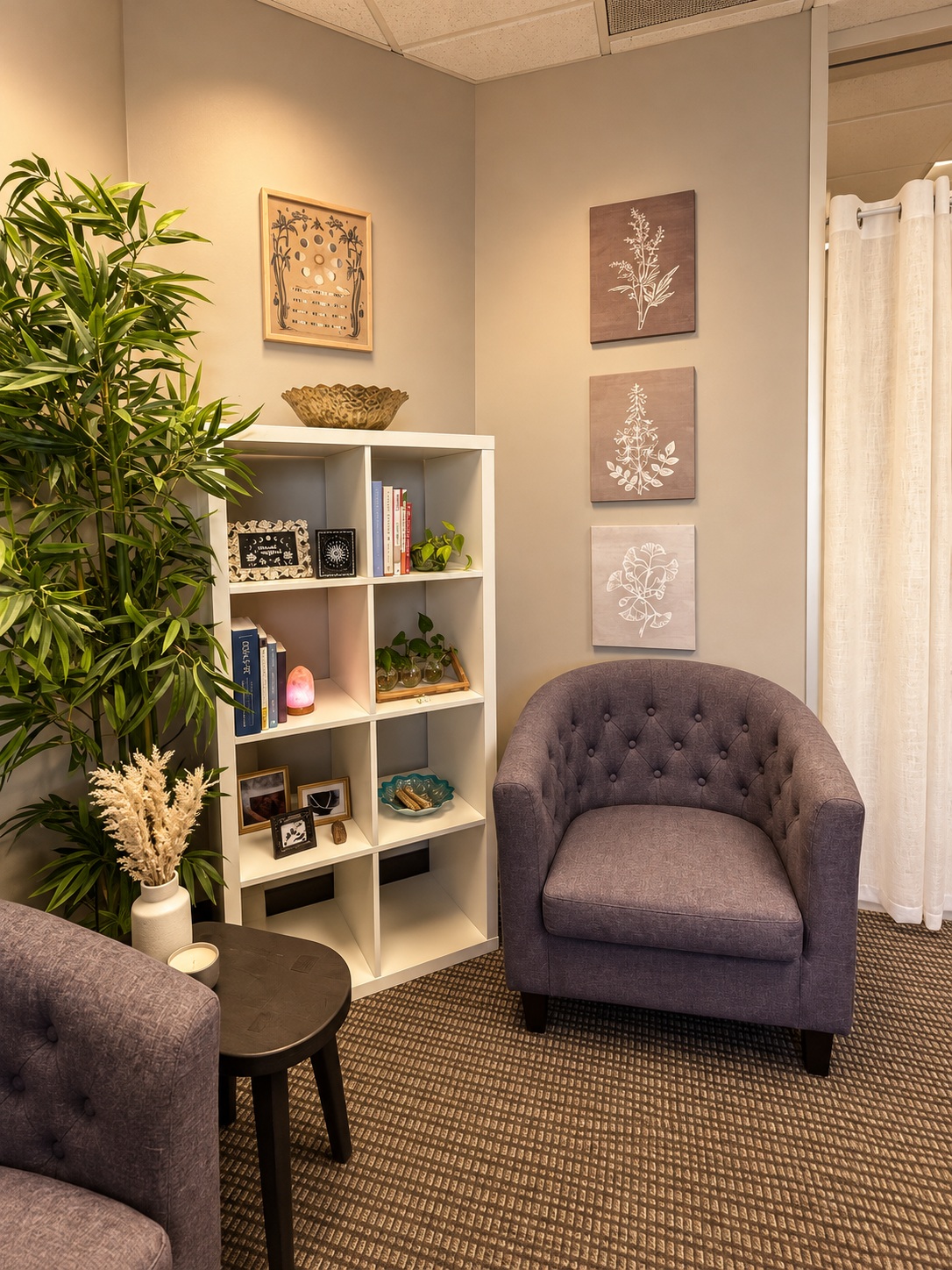
Two upholstered chairs and a bookshelf in a Women’s Recovery office

How can GHB affect how someone feels?

GHB can produce euphoric and sedative effects, and it can affect a person quickly. This gHB use treatment for women in Denver page separates substance-use care from urgent assault support. You can learn about GHB and related substances or review admissions information if your own use is concerning.

01

GHB is a depressant that is approved for treating narcolepsy, a condition involving daytime sleep attacks.

GHB and similar substances may also be misused for their euphoric and sedative effects. A medical use does not make every context safe or supervised. If use has become part of coping with distress, care can address that pattern while respecting what you want to change.

02

Effects may begin quickly, and their duration varies.

The available information does not let anyone predict your experience or determine how long effects will last in an individual situation. Because strong sedation can reduce awareness, an unexpected change in how you feel deserves attention. If you are currently severely impaired, unsafe, or unable to protect yourself, seek emergency medical help and get to safety.

Can GHB become addictive?

GHB can be connected with a substance-use disorder, although general information cannot determine whether you have one. No FDA-approved medication specifically treats a GHB-related substance-use disorder. Information about GHB outpatient treatment and GHB Intensive Outpatient Program (IOP) treatment can explain care categories, not prescribe your placement.

01

Behavioral treatments used for substance-use disorders include cognitive behavioral therapy and contingency management.

These approaches offer structured ways to address behavior, but the evidence does not support promising a particular response or outcome for you. A personal assessment can consider how GHB use relates to your routines, emotional well-being, responsibilities, and relationships before recommending an appropriate form of support.

02

Concerns about GHB use and possible withdrawal deserve medical attention.

Do not try to manage a suspected withdrawal problem through general online information. If stopping or reducing use brings severe symptoms or you feel medically unsafe, seek urgent medical care. Longer-term support can follow once immediate health needs are addressed.

Dark sofa and coffee table in a furnished room

How can GHB and alcohol affect the body?

GHB has strong sedative effects that can quickly reduce awareness. If GHB and alcohol may be involved, seek medical help rather than estimating risk yourself. Partial Hospitalization Program (PHP) information and contact options address ongoing substance-use concerns after immediate safety needs.

01

GHB has been used to commit sexual assaults because of its strong sedation.

Substances associated with drug-facilitated assault may have no color, smell, or taste when added to food or a drink, so you may not realize that exposure occurred. A gap in awareness or sudden impairment is not your fault, and uncertainty should not prevent you from seeking safety and medical attention.

02

Date-rape drugs can be powerful and may affect someone quickly.

Individual effects vary, and uncertainty is a reason to seek care rather than wait. If you suspect GHB exposure after drinking, treat unexpected sedation or impairment seriously. Emergency medical care is more appropriate than waiting for certainty, especially if you cannot remain awake or safe.

What could a woman from Aurora, CO expect when considering outpatient treatment in Denver?

Care for women from Aurora at our Denver program may involve traveling to the Women’s Recovery location in Denver for appointments and returning home afterward. Location and travel information can help you understand that practical consideration, while a care conversation can focus on your needs, safety, and preferences.

  1. 01

    Outpatient treatment generally involves scheduled appointments without an overnight stay

  2. 02

    Standard outpatient care may include individual counseling, group sessions, coping-skills education, medication support, or care coordination

  3. 03

    Intensive Outpatient Program (IOP) care involves more intensive, coordinated support, while partial hospitalization or inpatient care may be appropriate when greater structure or protection is needed

  4. 04

    The right level can help you receive care that reflects your clinical needs, safety, and ability to participate while living in Aurora, CO

Dark sofa with patterned pillows and a glass table

Common questions

Explore care for women from Aurora at our Denver program and communities we serve for related guidance. Call admissions when you want to discuss your own situation.

Call Admissions
01 Can GHB be used medically?

Yes. GHB is a depressant approved for treating narcolepsy, which can cause daytime sleep attacks. It may also be misused for euphoric or sedative effects. A recognized medical use does not make nonmedical use supervised or safe, and it does not erase concerns about a pattern affecting your daily life.

02 Are all sexual assaults involving substances caused by GHB?

No. Possible drug-facilitating substances include GHB, GBL, ketamine, and flunitrazepam, and not every assault involves a drug. You do not need to identify a substance before seeking care. Sudden impairment, strong sedation, lost awareness, or simply feeling that something is wrong can justify immediate safety and medical support.

03 Would I necessarily taste or smell GHB in a drink?

No. Drugs associated with drug-facilitated assault may have no color, smell, or taste when placed in food or a drink. Their appearance can also vary. Not noticing a substance does not make the exposure your fault. If you feel unexpectedly impaired, get to safety and seek medical care promptly.

04 What travel connection is listed between Aurora, CO and Denver, CO?

Aurora, CO states that the RTD A Line operates between Denver Union Station and Denver International Airport, with two stops in Aurora, CO. This establishes a rail relationship between Aurora, CO and Denver, CO. It does not identify your nearest stop, itinerary, current frequency, accessibility, travel time, or a connection to the Women’s Recovery address.

05 What purposes do Aurora’s naloxone leave-behind program and Mobile Response Team serve?

Aurora Fire Rescue’s naloxone leave-behind program provides naloxone after an overdose event and creates an entry point to education, treatment, and recovery resources. Aurora Mobile Response Team pairs a mental-health clinician with a paramedic or EMT for behavioral-health crises. Follow published emergency or non-emergency dispatch directions. Neither is routine treatment or affiliated with Women’s Recovery.

If you can't believe that yet, borrow my hope. Just long enough to find your own.

Women’s Recovery graduate

Start with one conversation. Tell us what you're carrying. We'll walk you through the next step and verify your benefits.