






Denver's women-only program for mental health, trauma and substance use.Call Admissions 833.754.0554
Call 833.754.0554Verify Insurance

Help with cyclothymic disorder for women from Aurora, CO

Your symptoms made sense. We treat what they were managing.

Cyclothymic disorder is educational information for understanding mood, energy, activity, and concentration changes without self-diagnosis. Appropriate professional care can clarify needs and support daily functioning. If you wish, begin with a calm, conversation about your concerns and choices.

You do not need to identify the condition by yourself or minimize what has been difficult.

For residents of Aurora, CO. Women’s Recovery lists its physical location in Denver, CO.

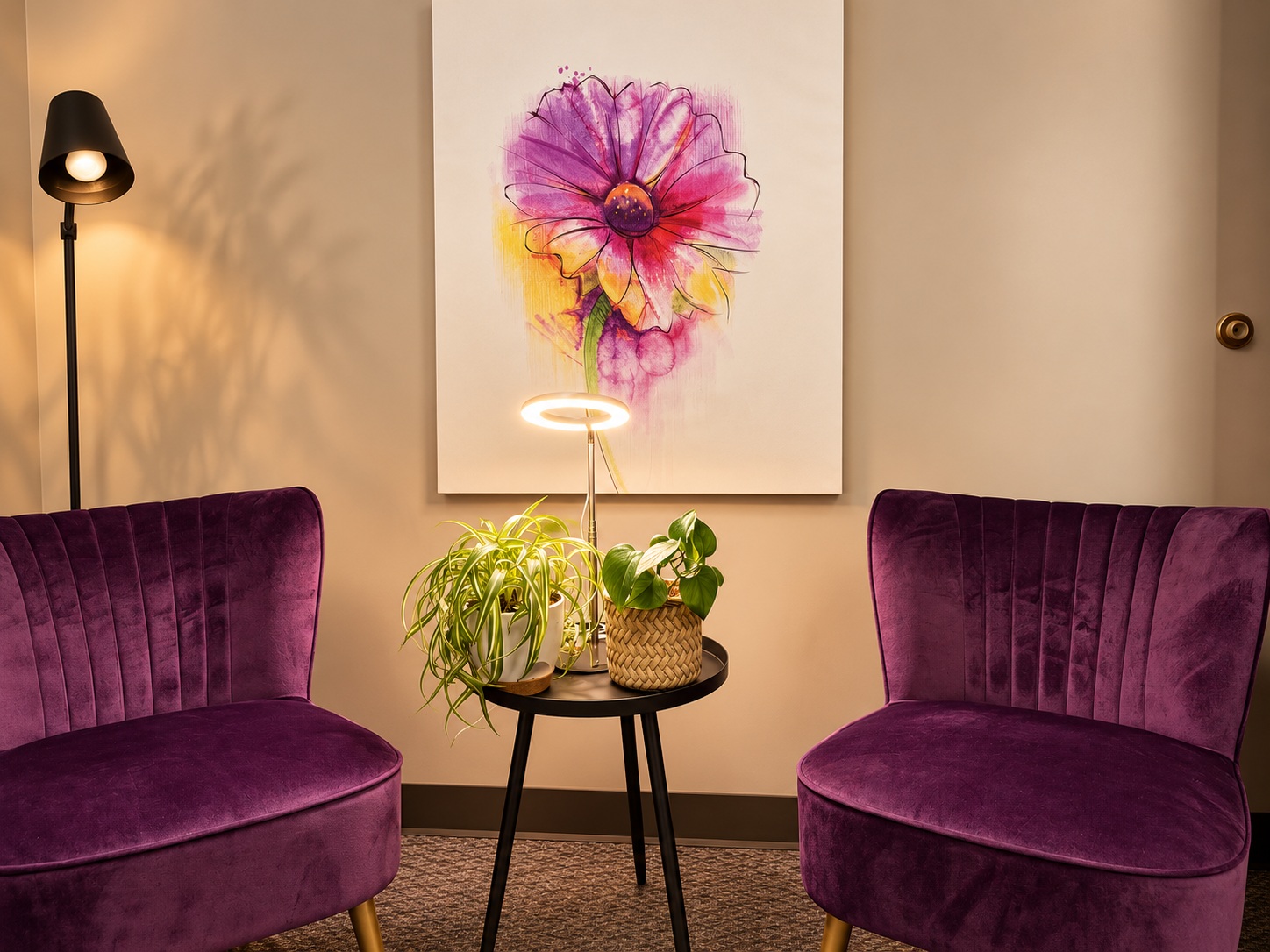
Plum chairs, table and flower painting

A look at our space

These are rooms at our Denver office. You spend the day here, and you go home at night.

Seating area with a sofa, round table, plants and artwork at Women’s Recovery Lounge with purple chairs, cream sofa and table Lounge with purple chairs and dried flowers Dark sofa and coffee table in a furnished room Plum armchairs beside a window table Entrance to the Belcaro Place building with the number 3801 above the doors

What is bipolar disorder?

Bipolar disorder is a mental illness involving clear shifts in mood, energy, activity, and concentration, including manic and depressive episodes. Symptoms can create serious mental and physical challenges, but treatment may include appropriately tailored psychotherapy or medication. Cyclothymic disorder provides educational context, while Aurora, CO mental-health support can help you consider a professional conversation without shame.

Supporting guidance: Bipolar Disorder - National Institute of Mental Health (NIMH) Psychotherapies - National Institute of Mental Health (NIMH) Mental Health Medications - National Institute of Mental Health (NIMH)

Seating area with a sofa, round table, plants and artwork at Women’s Recovery

What is bipolar disorder?

If you are exploring cyclothymic disorder, it helps to understand the broader bipolar spectrum. Bipolar disorder can involve clear shifts in mood, energy, activity, and concentration, including elevated or irritable and depressed periods. Learning about mania and hypomania recognition can give these changes useful context.

01

Bipolar-spectrum experiences can affect emotional, mental, and physical well-being.

During elevated periods, a person may feel unusually energized, elated, or irritable. During depressed periods, she may feel sad, indifferent, or hopeless. These broad descriptions are educational, not a way to decide whether you have cyclothymic disorder, bipolar I disorder, bipolar II disorder, or another concern. A professional assessment considers your fuller experience rather than relying on one mood, behavior, or difficult stretch of time.

02

Different conditions can share features, so distinctions matter.

Information about bipolar I disorder or bipolar II disorder may help you understand why a qualified professional looks beyond everyday mood variation and considers the overall pattern and seriousness of changes. Psychosis, including hallucinations or false beliefs, can occur in connection with bipolar disorder, severe depression, substance use, or other conditions. If you lose contact with reality or face immediate danger, seek urgent emergency help rather than waiting for a routine appointment.

When is it time to get help for cyclothymic disorder?

Professional support may be appropriate when recurring changes in mood, energy, activity, or concentration are distressing or interfere with daily life. Comparing these concerns with information about bipolar II disorder can provide context, while bipolar disorder and substance use support can clarify why overlapping concerns deserve careful assessment.

01

NIMH advises seeking professional help when severe or distressing mental health symptoms have lasted two weeks or more.

That guideline does not mean you must wait two weeks if you feel unsafe, overwhelmed, or worried. Changes may deserve attention when they begin affecting relationships, responsibilities, concentration, physical well-being, or your ability to live as you usually do. Reaching out is not an admission of failure. It is a reasonable way to understand what is happening and identify suitable next steps.

02

Mood-related symptoms do not explain themselves.

A qualified professional can consider whether your experience fits a bipolar-spectrum condition or whether another mental health, physical health, or substance-related concern may be contributing. This distinction matters because psychotherapy is commonly tailored to the specific disorder and the person receiving treatment. For a woman balancing family, work, relationships, or other responsibilities, care can also recognize how distress affects daily functioning while respecting her priorities, circumstances, and authority over treatment choices.

Two upholstered chairs and a bookshelf in a Women’s Recovery office

How can therapy help with cyclothymic disorder?

Psychotherapy can help you identify and change troubling emotions, thoughts, and behaviors connected with mood-related distress. It commonly occurs individually with a licensed mental health professional or in a group. Exploring bipolar-spectrum support and bipolar I disorder support can help place different treatment needs in context.

01

There is not one psychotherapy approach that fits every mental health condition or every woman.

A therapist may use one primary approach or combine elements from several approaches, depending on training, the concern being treated, and your needs. For cyclothymic disorder concerns, the value of psychotherapy lies in receiving structured help with difficult emotional, thinking, and behavioral patterns. Appropriate care should respond to your actual experience rather than reducing you to a label or applying a generic plan.

02

Psychotherapy and medication are common forms of mental health treatment, but their roles vary by person and condition.

Some antipsychotic medications are used for bipolar depression or other bipolar symptoms, and certain medicines may involve monitoring of weight, glucose, and lipid levels. Medication selection and monitoring require a qualified prescriber who understands your health. If medication becomes part of care, decisions about starting, stopping, or changing it should remain between you and that treating prescriber.

What could a woman from Aurora, CO expect when considering outpatient treatment in Denver?

Care for women from Aurora at our Denver program may involve traveling to the Women’s Recovery location in Denver for appointments and returning home afterward. Location and travel information can help you understand that practical consideration, while a care conversation can focus on your needs, safety, and preferences.

  1. 01

    Outpatient treatment generally involves scheduled appointments without an overnight stay

  2. 02

    Standard outpatient care may include individual counseling, group sessions, coping-skills education, medication support, or care coordination

  3. 03

    Intensive Outpatient Program (IOP) care involves more intensive, coordinated support, while partial hospitalization or inpatient care may be appropriate when greater structure or protection is needed

  4. 04

    The right level can help you receive care that reflects your clinical needs, safety, and ability to participate while living in Aurora, CO

Dark sofa and coffee table in a furnished room

Common questions

Explore help with bipolar II disorder for women from Aurora and help with mania and hypomania recognition for women from Aurora for related guidance. Call admissions when you want to discuss your own situation.

Call Admissions
01 How is cyclothymic disorder different from other bipolar-spectrum conditions?

Cyclothymic disorder belongs to the bipolar spectrum, but education alone cannot determine which condition explains your experience. A qualified mental health professional can consider the pattern, intensity, duration, and effect of symptoms, along with other possible mental health, medical, or substance-related explanations.

02 When should I seek help for changing moods?

Consider professional support when changes in mood, energy, activity, or concentration feel severe, distressing, persistent, or disruptive. NIMH recommends seeking help for severe or distressing symptoms lasting two weeks or more. You may also reach out sooner whenever you are concerned about your mental health.

03 Can talk therapy help with cyclothymic disorder concerns?

Psychotherapy can help you identify and change troubling emotions, thoughts, and behaviors. It may take place individually or in a group. The approach should fit the condition being treated and your individual needs, rather than applying one method to every person with mood-related concerns.

04 What travel connection is listed between Aurora, CO and Denver, CO?

Aurora, CO states that the RTD A Line operates between Denver Union Station and Denver International Airport and includes two stops in Aurora, CO. This documents a rail relationship between Aurora, CO and Denver, CO. It does not identify your nearest station, an itinerary, timing, current frequency, accessibility, or transportation to the Women’s Recovery address.

05 What purposes do Aurora’s naloxone leave-behind program and Mobile Response Team serve?

Aurora Fire Rescue’s naloxone leave-behind program provides naloxone after an overdose event and can connect people with education, treatment, and recovery resources. The Aurora Mobile Response Team pairs a clinician with a paramedic or EMT for qualifying behavioral-health crises. These are not routine treatment or Women’s Recovery services. Follow Aurora’s published dispatch instructions and emergency wording.

If you can't believe that yet, borrow my hope. Just long enough to find your own.

Women’s Recovery graduate

Start with one conversation. Tell us what you're carrying. We'll walk you through the next step and verify your benefits.