






Denver's women-only program for mental health, trauma and substance use.Call Admissions 833.754.0554
Call 833.754.0554Verify Insurance

Help with bipolar i disorder for women from Aurora, CO

Your symptoms made sense. We treat what they were managing.

If you’re living with bipolar i disorder, you don’t need a substance use diagnosis to begin. Healing begins in our Partial Hospitalization Program: a full day of care, and home every night. Women from Aurora start at our Denver program.

You deserve a conversation that respects your experience, questions, and choices.

For residents of Aurora, CO. Women’s Recovery lists its physical location in Denver, CO.

Seating area with a sofa, round table, plants and artwork at Women’s Recovery

A look at our space

These are rooms at our Denver office. You spend the day here, and you go home at night.

Seating area with a sofa, round table, plants and artwork at Women’s Recovery Lounge with purple chairs, cream sofa and table Lounge with purple chairs and dried flowers Dark sofa and coffee table in a furnished room Plum armchairs beside a window table Entrance to the Belcaro Place building with the number 3801 above the doors

What signs should be discussed when Bipolar I disorder is being considered?

For readers exploring bipolar I disorder, NIMH identifies clear shifts in mood, energy, activity levels, and concentration. It also describes extremely up, elated, irritable, or energized behavior and very down, sad, indifferent, or hopeless periods. These signs warrant professional discussion, not an individual diagnosis. See the Aurora information page for local context.

Supporting guidance: Bipolar Disorder - National Institute of Mental Health (NIMH)

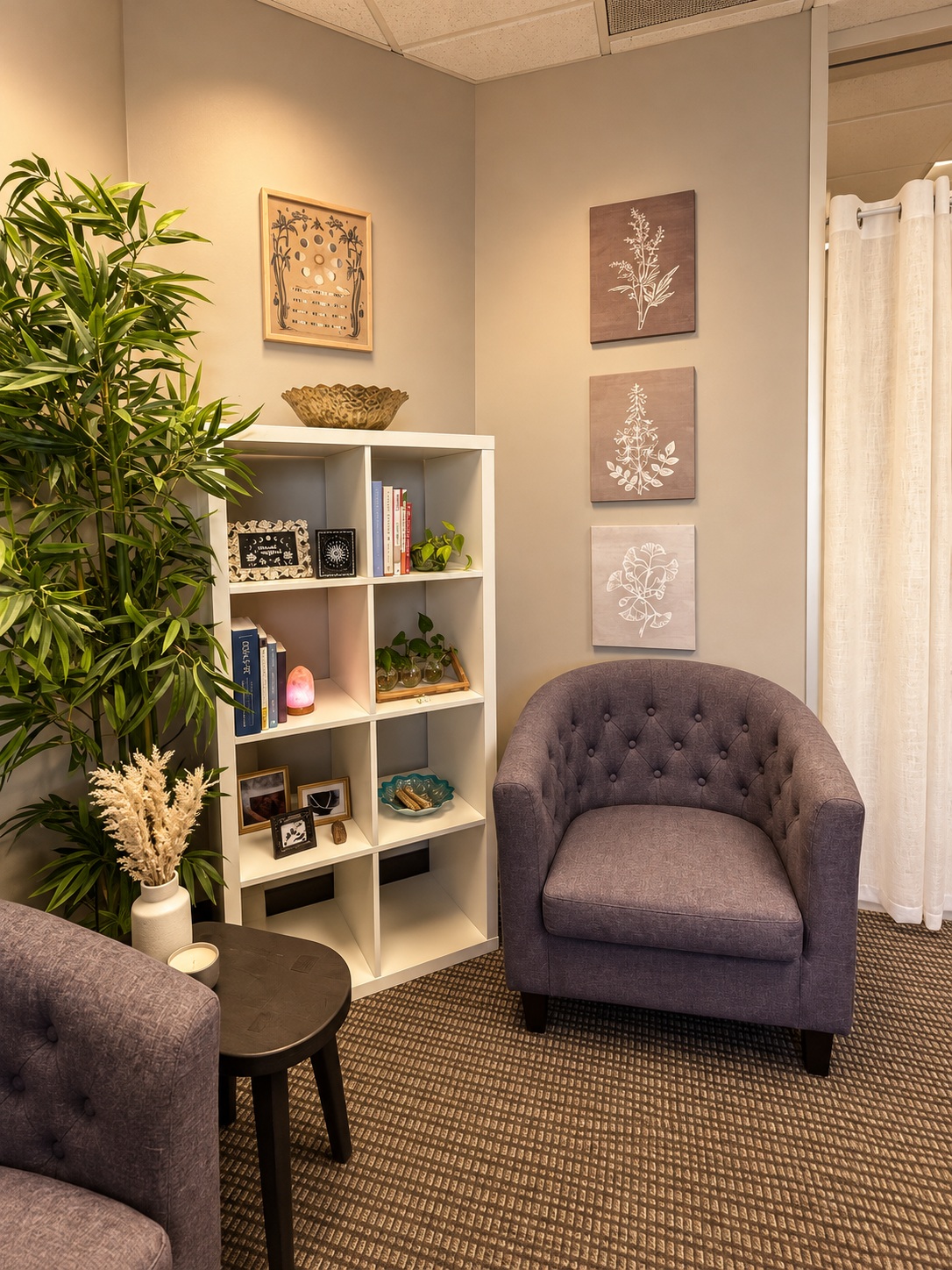
Two upholstered chairs and a bookshelf in a Women’s Recovery office

What are the signs and symptoms of Bipolar I disorder?

Bipolar I disorder can help you make sense of pronounced changes in mood, energy, activity, sleep, concentration, and judgment. Learning about mania and hypomania recognition support for women and broader bipolar spectrum support for women can give you a clearer starting point.

01

Mania can involve feeling unusually energized, elated, powerful, restless, or intensely irritable.

You may sleep far less than usual, speak rapidly, have racing thoughts, become easily distracted, take on many activities, or make decisions with serious consequences. These changes are clinically important when they represent a clear departure from your usual self and substantially affect relationships, work, finances, safety, or your ability to function. Appropriate assessment looks at the whole pattern rather than one isolated behavior.

02

Depressive periods can bring sadness, emptiness, hopelessness, low energy, reduced interest, difficulty concentrating, sleep changes, or trouble managing ordinary responsibilities.

Some people experience features of elevated and depressed mood close together, which can feel confusing or agitating. Bipolar I disorder Support guidance for women in Denver should distinguish education from diagnosis: only an individualized clinical evaluation can determine what a mood pattern means and which care is appropriate for you.

Are online support groups available for people with Bipolar I disorder?

Online groups can provide connection, shared understanding, and practical encouragement, especially when travel or privacy makes in-person participation difficult. They may complement professional care but should not replace an individualized assessment. You can also explore Bipolar II disorder support for women and cyclothymic disorder support for women to understand related mood patterns.

01

A useful peer group has clear community expectations, respectful moderation, privacy guidance, and boundaries against diagnosing members or directing medication changes.

Some groups focus on people living with bipolar disorder, while others welcome spouses, relatives, or caregivers. The best fit depends on whether you want emotional connection, practical discussion, or a space for loved ones. You may attend quietly at first and decide whether the tone feels safe, respectful, and helpful to you.

02

Peer support can reduce isolation, but professional care serves a different purpose.

A clinician can assess symptom patterns, consider other possible causes, evaluate risks, and help develop a treatment plan suited to your health and circumstances. If an online conversation increases distress or pressures you toward unsafe choices, step away and contact a trusted professional. Bipolar I disorder Support information in Denver can be discussed by calling Women’s Recovery when you want to consider possible next steps.

Dark sofa and coffee table in a furnished room

What signs should be discussed when Bipolar I disorder is being considered?

Bring attention to clear departures from your usual mood, sleep, energy, activity, speech, concentration, judgment, and functioning. A clinician can consider whether these changes resemble mania, depression, another condition, or overlapping concerns. Related information about bipolar disorder and substance use support for women and mania and hypomania recognition support for women may add context.

01

Similar-looking changes can have different causes, so context matters.

A thoughtful evaluation considers when symptoms began, how long the overall pattern lasted, whether functioning changed, and whether sleep loss, physical illness, trauma, medications, or substances may have contributed. It also looks for depressive periods and past episodes that may not have seemed connected at the time. This differential process protects you from having one striking symptom treated as the entire explanation for your experience.

02

Women may also notice that distress changes around reproductive or hormonal transitions, though those changes alone do not determine a bipolar diagnosis.

Work demands, caregiving, relationships, safety, cultural expectations, and access to rest can affect how symptoms are noticed and managed. Clear guidance about bipolar I disorder should leave room for this daily-life context. Appropriate care considers your whole experience while avoiding assumptions based solely on your gender.

What could a woman from Aurora, CO expect when considering outpatient treatment in Denver?

Care for women from Aurora at our Denver program may involve traveling to the Women’s Recovery location in Denver for appointments and returning home afterward. Location and travel information can help you understand that practical consideration, while a care conversation can focus on your needs, safety, and preferences.

  1. 01

    Outpatient treatment generally involves scheduled appointments without an overnight stay

  2. 02

    Standard outpatient care may include individual counseling, group sessions, coping-skills education, medication support, or care coordination

  3. 03

    Intensive Outpatient Program (IOP) care involves more intensive, coordinated support, while partial hospitalization or inpatient care may be appropriate when greater structure or protection is needed

  4. 04

    The right level can help you receive care that reflects your clinical needs, safety, and ability to participate while living in Aurora, CO

Dark sofa with patterned pillows and a glass table

Common questions

Explore help with cyclothymic disorder for women from Aurora and help with mania and hypomania recognition for women from Aurora for related guidance. Call admissions when you want to discuss your own situation.

Call Admissions
01 How is Bipolar I disorder diagnosed?

Diagnosis involves more than matching yourself to a symptom list. A qualified clinician considers the intensity, duration, timing, and consequences of mood changes, along with health conditions, medications, substance use, and your usual functioning. A careful assessment can clarify what you are experiencing and guide appropriate care.

02 What information can help clarify changing moods?

reflect on major changes in sleep, energy, mood, concentration, speech, activity, and decision-making while they are fresh in your memory. Include consequences that concerned you or others. This record can help a clinician see patterns, but you do not need to organize everything before seeking support.

03 Can women’s health and life circumstances affect bipolar symptoms?

Hormonal transitions, physical health, caregiving demands, relationships, trauma, work, and substance use may all shape how distress appears or affects daily life. They do not automatically explain a manic or depressive episode. Women-centered care can consider these circumstances while still evaluating mood symptoms carefully and individually.

04 What travel connection is listed between Aurora, CO and Denver, CO?

Aurora’s official transit information says the RTD A Line operates between Denver Union Station and Denver International Airport, with two stops in Aurora. This establishes a named rail relationship between Aurora and Denver only. It does not specify the reader’s nearest stop, itinerary, travel time, frequency, accessibility, or any connection to a Women’s Recovery address.

05 What purposes do Aurora’s naloxone leave-behind program and Mobile Response Team serve?

Aurora says its Fire Rescue naloxone leave-behind program provides naloxone after an overdose event and serves as an entry point for education, treatment, and recovery resources. Its Mobile Response Team pairs a mental-health clinician with a paramedic or EMT for behavioral-health crises involving mental-health or substance-use concerns. Use the city page’s emergency and non-emergency dispatch instructions.

If you can't believe that yet, borrow my hope. Just long enough to find your own.

Women’s Recovery graduate

Start with one conversation. Tell us what you're carrying. We'll walk you through the next step and verify your benefits.