
Storing Recovery Medicines Safely At Home In CO
Recovery medication storage in CO means limiting household access, following storage instructions, and separating storage from disposal and exposure emergencies.
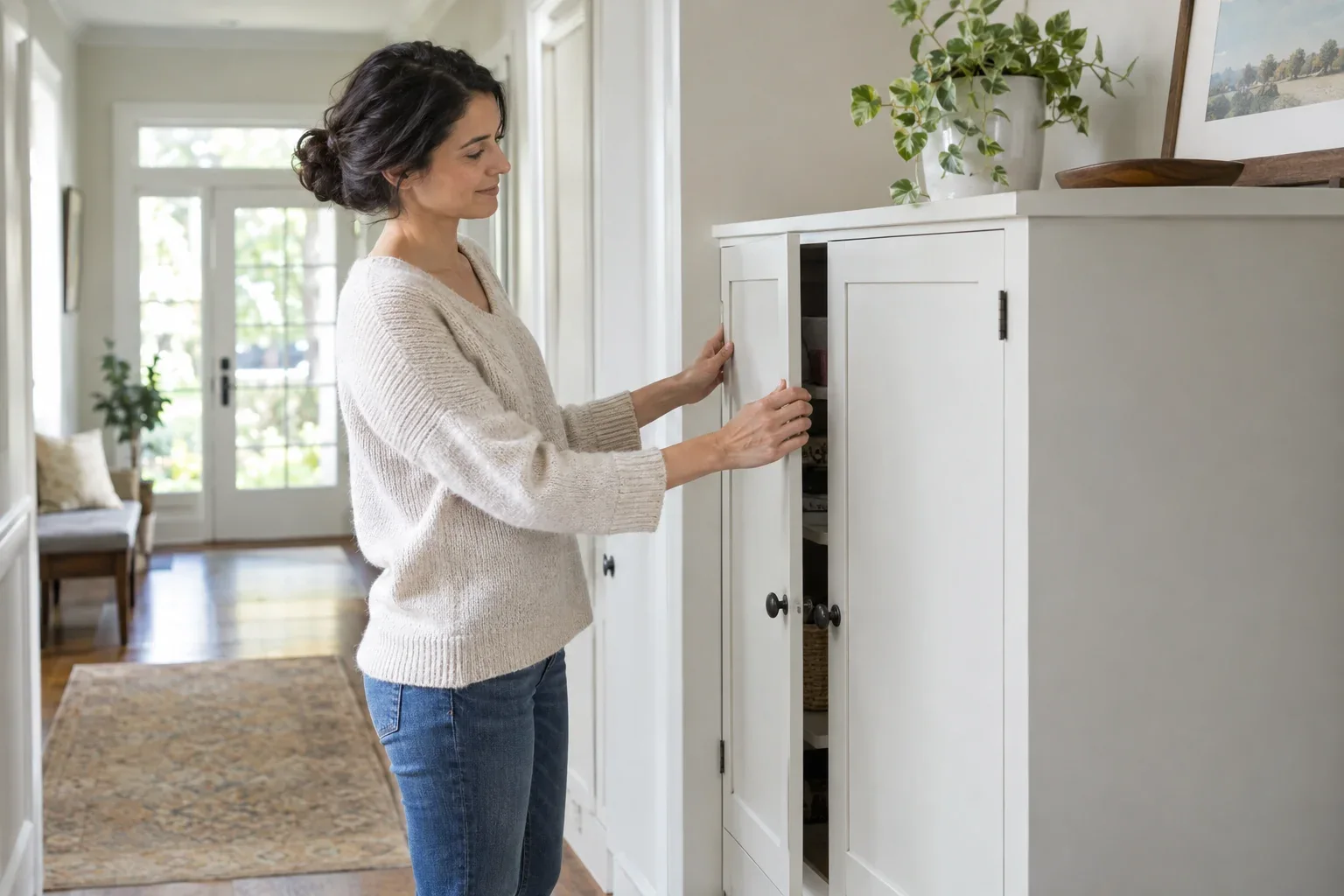
Recovery medication storage should keep prescribed medicines available to the person who needs them while limiting unintended access. Follow the medicine’s storage instructions, close its container securely, and protect children from household medicines. A high shelf or child-resistant cap alone does not complete a safe storage plan.
A medicine can be part of someone’s recovery while still needing careful handling at home. Children, visitors, shared bathrooms, and crowded living spaces can complicate where it belongs. Storage means protecting a medicine that remains in use. Disposal means removing medicine that is no longer needed through an appropriate route. Emergency response begins when someone may have taken it unintentionally. Keeping those jobs separate helps prevent a common mistake: treating a possible exposure as something that can wait until the cabinet is reorganized. The precautions below draw on published instructions for oral naltrexone and acamprosate, plus SAMHSA’s household medication guidance.
Why does household medicine access belong in recovery planning?
Household access deserves attention because following a prescription does not determine who else can reach the medicine. Within integrated treatment and daily-life support, storage is a practical safety issue. It addresses a different concern from preventing prescription drug misuse through prescribed use and avoiding sharing.
SAMHSA warns that children who accidentally take medicines may overdose or have an adverse reaction. It specifically notes that liquid methadone is colored and can be mistaken for fruit juice. Its guidance calls for medicines kept at home to be locked in a safe place away from children. These precautions concern unintended access, regardless of why the adult received the prescription. See SAMHSA’s child-safety guidance.
The household plan should protect the person taking the medicine, too. A storage arrangement that prevents her from reaching her own prescription creates a different problem. The aim is controlled access, not punishment, secrecy, or a family member taking over treatment.
It helps to think about the actual home rather than an ideal one. A private bedroom, shared kitchen, overnight guest’s bag, and frequently used bathroom present different access concerns. Storage needs to work wherever the medicine actually rests, including during ordinary use.
What storage precautions do the medicine instructions describe?
The instructions for oral naltrexone and acamprosate describe several shared precautions: keep the medicine in its supplied container, tightly closed, out of children’s reach, and at room temperature away from excess heat and moisture. Both identify the bathroom as an unsuitable location. The exact instructions for your prescription remain the starting point.
The examples below distinguish what the sources actually say from assumptions they do not support.
| Medicine and form | Published storage guidance | Practical meaning at home |
|---|---|---|
| Oral naltrexone tablets | Keep in the container supplied, tightly closed, at room temperature, away from excess heat and moisture, not in the bathroom. | Choose a location that meets those conditions and limits household access. Naltrexone instructions |
| Acamprosate tablets | Keep in the container supplied, tightly closed, at room temperature, away from excess heat and moisture, not in the bathroom. | A bathroom medicine cabinet does not meet these published instructions simply because it is called a medicine cabinet. Acamprosate instructions |
| Liquid methadone | SAMHSA highlights accidental ingestion risk and directs that medicines kept at home be locked safely away from children. | A liquid’s appearance does not tell a child what it contains. Follow the prescription’s specific storage directions as well. SAMHSA guidance |
“Recovery medicine” is a broad description, not one storage category. Instructions for a tablet should not be extended to an injection or another product. A pharmacist can clarify the requirements for the exact medicine and formulation you have.
For the two tablet medicines above, moving pills into an unlabeled household container would depart from the instruction to keep them in the supplied container. If opening that container is difficult, or you use an organizer, have a pharmacist review a suitable arrangement rather than assuming any replacement package offers equivalent protection.
Why are child-resistant containers only one part of safe storage?
Child-resistant does not mean childproof. MedlinePlus explains that many medicine containers are not child-resistant and that young children can open them easily. Its instructions for naltrexone and acamprosate therefore call for locking safety caps and keeping medicine up, away, and out of sight and reach.
Packaging and location do different jobs. A properly closed cap concerns the container. A secure location concerns access to the whole container. One precaution does not replace the other.
- Retain the supplied container. Follow the medicine’s packaging instructions rather than transferring tablets to an ordinary jar or dish.
- Close the cap securely. A safety feature cannot serve its intended role when the container is left open.
- Keep medicine out of sight and reach. A countertop, bedside surface, or open bag should not become its storage place.
- Use locked storage away from children. SAMHSA’s household guidance adds an access barrier beyond placing medicine on a shelf.
A high shelf can reduce easy access, but height is not a lock. Nor does placing medicine behind a cabinet door establish that children cannot reach it. The arrangement needs to meet the medicine’s environmental requirements while addressing access.
These precautions should extend through ordinary use. Opening a bottle does not have to mean leaving it on a shared surface afterward. Returning the closed container to its protected location keeps a brief interruption from becoming a new storage habit.
How can shared homes preserve access control and personal privacy?
Shared homes can protect medicines without making another adult the manager of someone’s treatment. The useful distinction is between securing a storage space and controlling the prescription. A person can agree to household access precautions while retaining privacy and responsibility for her own care.
The underlying safety principles remain the same: follow the medicine’s storage requirements, keep containers securely closed, and prevent unintended access. Those principles come from MedlinePlus’s medication instructions and SAMHSA’s child-safety guidance. How a household applies them should account for who lives there and what spaces are shared.
- In a home with children: use a protected location that does not depend on remembering to move medicine whenever a child enters the room.
- With adult roommates: keep medication storage separate from shared supplies. Privacy does not require removing the medicine’s label or changing its container.
- When visitors stay: include medicines brought in bags, coats, or luggage in the access plan. A visitor’s prescription can present the same household-access concern as a resident’s.
- When someone helps with storage: agree on that limited role. Helping secure a cabinet does not authorize changing, withholding, sharing, or stopping another person’s medicine.
If a locked cabinet or box is used, access to its key or code also needs thought. Leaving the key beside the box defeats the purpose of separating the medicine from unintended users.
The person taking the medicine should still be able to use her prescription as directed. If mobility, vision, hand strength, or another access need makes the arrangement difficult, a pharmacist can help assess an option that respects both the medicine instructions and the person’s needs.
How is safe storage different from safe disposal?
Storage protects medicine that remains in the home; disposal removes medicine through an appropriate process. Putting an unwanted bottle in a locked cabinet may address immediate access, but it does not dispose of it. The instructions for both naltrexone and acamprosate recommend a medicine take-back program for unneeded medication.
Those same instructions say not to flush these medicines down the toilet and direct readers to a pharmacist for information about take-back programs. This is medicine-specific guidance. Do not assume that disposal instructions for one prescription establish the right method for every medicine in a household.
Disposal also differs from a treatment decision. Feeling better does not, by itself, establish that a prescribed medicine is no longer needed. The MedlinePlus instructions for naltrexone and acamprosate advise against stopping without talking with the doctor. A prescriber decides how treatment should continue; a pharmacist can clarify how to dispose of medicine that is no longer needed.
Until the appropriate disposal route is used, retain the same storage protections. A bottle set aside for a future take-back trip is still accessible medicine if it is left in an open shopping bag or shared drawer.
Keeping these roles clear avoids two errors: treating a locked container as permanent disposal, and discarding an active prescription because someone else in the home thinks treatment should end. Access precautions should support care, not quietly change it.
When does a storage concern become an exposure emergency?
A storage concern becomes a possible poisoning concern when someone may have swallowed medicine unintentionally. Do not wait for proof of harm before seeking guidance. SAMHSA recommends seeking assistance for any known or suspected accidental ingestion. Reorganizing the storage space is a later task.
The distinction matters when the facts are uncertain. Finding a bottle left open is a storage failure to correct. Learning that a child swallowed a tablet is a possible poisoning requiring prompt help. If you cannot tell whether someone took medicine, Poison Control can provide guidance rather than leaving you to judge safety from appearances.
A routine admissions call is not a substitute for poisoning or emergency care. Once immediate safety has been addressed, the household can review what allowed access and change that part of the storage arrangement. The purpose is prevention, not blame.
For ongoing mental health, trauma, or substance-use needs, Women’s Recovery offers outpatient treatment programs in Denver, CO. You can contact the team or call 833.754.0554 about care options. The routine program phone and contact form are not emergency resources.
Frequently asked questions
Should recovery medicines remain in their original containers?
The supplied instructions for oral naltrexone and acamprosate say to keep them in the containers they came in, tightly closed. Follow the instructions for your exact prescription. If you need easier packaging or use a pill organizer, have a pharmacist review the arrangement rather than assuming another container provides the same storage protection.
Does putting medicine on a high shelf replace the need for secure storage?
No. Height and secure access are different precautions. MedlinePlus advises keeping medicines up, away, and out of sight and reach, with safety caps locked. SAMHSA directs that medicines kept at home be locked safely away from children. A high shelf alone does not provide the same barrier as locked storage.
Can visitors' medicines create a household access concern?
Yes. Medicines brought into the home can be reachable even when the resident’s prescriptions are stored securely. Apply the same access principles to visitors’ containers, bags, and luggage, especially when children are present. The storage arrangement should still follow each medicine’s instructions and allow its owner to use the prescription as directed.
Does secure storage mean another adult should control someone's treatment?
No. Securing medicine against unintended household access is separate from deciding how treatment should proceed. Any agreed help should have a clear, limited role that preserves the person’s access to her prescription. A storage agreement does not authorize another adult to change, withhold, share, or stop someone else’s medicine.