
Why Women Receive More PTSD Diagnoses In CO

The question “why women are diagnosed with ptsd more often” involves several different measures: how many people develop PTSD, who seeks assessment, and which diagnoses are recorded. These measures should not be treated as interchangeable. For an individual woman, symptoms and their effect on daily life matter more than a population comparison.
Why Do Women Receive More PTSD Diagnoses?
Research finds higher PTSD prevalence among women, while recorded diagnoses also depend on assessment. Trauma exposure and other risk factors can differ, but no single cause explains every person’s experience. Understanding PTSD differences between women and men and the meaning of trauma informed care helps separate group patterns from an individual person's needs.
PTSD means post-traumatic stress disorder. The condition can develop after exposure to certain traumatic events, such as sexual violence, serious injury, or threatened death. Symptoms can affect sleep, focus, mood, relationships, and a person's sense of safety.
A higher diagnosis rate is different from a simple count of traumatic events. The kind of trauma, repeated exposure, and what happens afterward all matter. Someone who receives support may have a different path than someone facing ongoing threats.
Recorded diagnoses also depend on access to care. A person must reach a provider, feel able to share symptoms, and receive an assessment. People who never seek care may be missing from diagnosis records.
These differences do not mean women are less able to cope. Men can develop severe PTSD, and women can experience trauma without developing the condition. A population pattern cannot predict one person's response.
A diagnosis is meant to guide care, not rank suffering. The useful question is how symptoms affect daily life and what support fits. Comparing pain with someone else's experience can make seeking help harder.
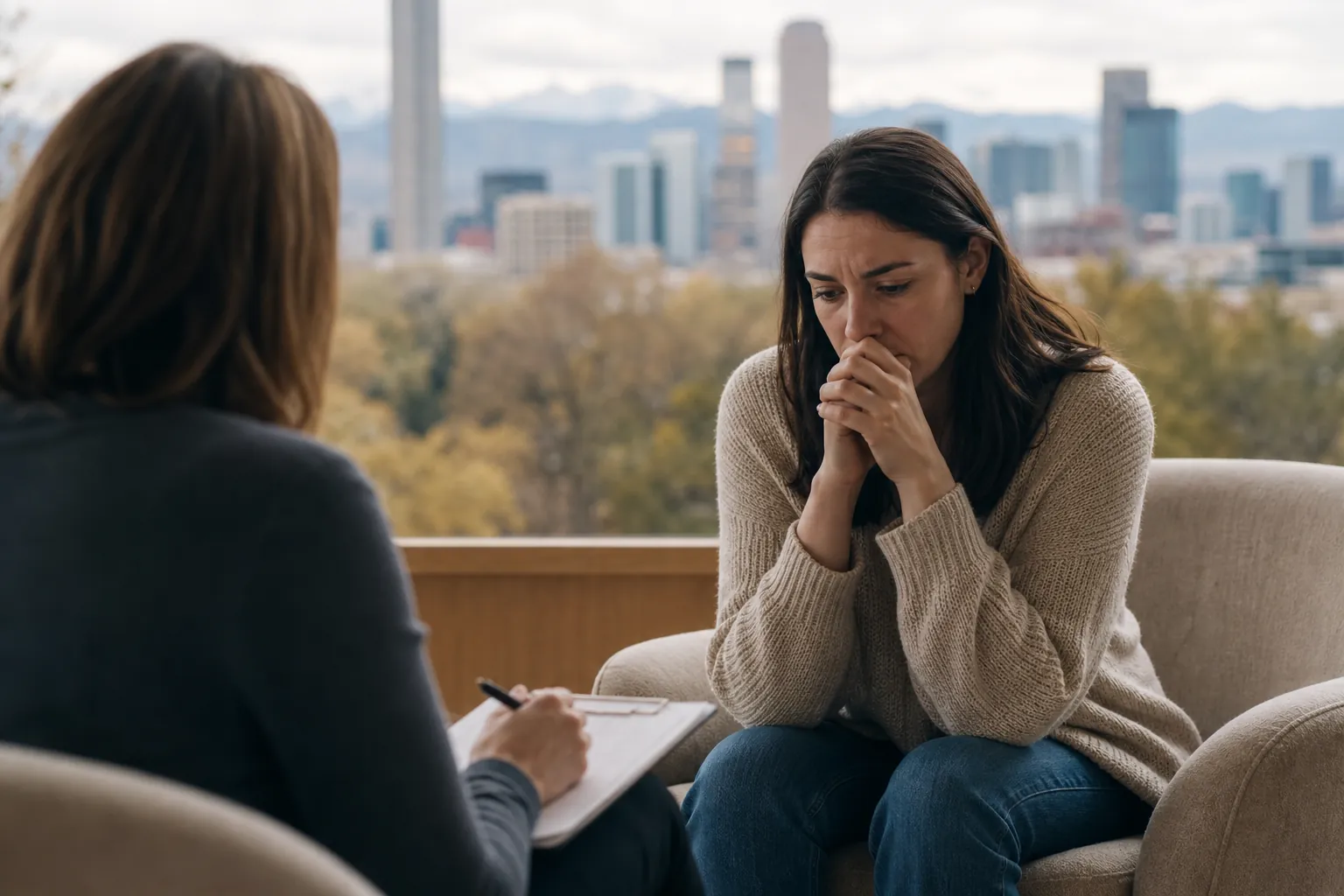
How Does The Type Of Trauma Affect Risk?
The type of trauma matters because some events involve repeated harm, betrayal, or an ongoing threat. Sexual violence and partner violence are important parts of the picture for women. Resources on dealing with family trauma and childhood trauma and substance use explore related experiences without assuming everyone develops PTSD.
Women are more likely than men to experience some forms of sexual violence. These experiences can involve fear, bodily injury, and a loss of control. Harm from a trusted person can also damage a basic sense of safety.
Repeated exposure can add strain. A woman may face threats at home while trying to keep working or care for children. The event may not feel fully over when contact with the person continues.
The response after trauma matters, too. Being blamed, dismissed, or pressured to stay silent can make disclosure harder. Practical support and respectful care can help someone reach services without having to defend her experience.
Trauma does not always leave visible injuries. At the same time, a painful experience does not automatically meet the clinical definition used for PTSD. A clinician can take distress seriously while checking which diagnosis, if any, fits.
Care should focus on current safety and daily needs, rather than demand a detailed story. Someone facing an ongoing threat may need support beyond therapy. For an emergency, call 911; for a mental-health crisis, call 988 for the Suicide and Crisis Lifeline.

Do Biology And Hormones Explain The Difference?
Biology may contribute to differences in PTSD risk, but hormones do not provide a complete explanation. Stress systems, life stage, trauma history, and social conditions can interact. Reading about PTSD patterns across women and men alongside care that respects trauma history can help keep biological claims in perspective.
The body's stress response helps a person react to danger. After trauma, some people remain on alert even when a threat has passed. Sleep loss and ongoing stress can make daily life harder.
Researchers study how sex-related biology may affect fear, memory, and recovery. Hormonal changes are one area of study, not a test that explains an individual's symptoms. A hormone level cannot, by itself, diagnose PTSD.
Sex and gender are related but different concepts. Sex can refer to biological traits, while gender includes identity and social experience. Research does not always separate these factors clearly, which limits broad claims about women.
Pregnancy, the postpartum period, or menopause may change sleep, mood, and stress. Symptoms during these stages still deserve a full assessment. A clinician should consider trauma alongside other possible causes of distress.
Biology should never become a reason to dismiss someone's concerns. Calling symptoms 'just hormones' can miss trauma, depression, anxiety, or a health condition. A sound evaluation leaves room for more than one cause and more than one care need.
Why Can Trauma Symptoms Be Missed Or Mislabeled?
Trauma symptoms can be missed when care focuses on sleep, anxiety, mood, or substance use without exploring trauma. Some women also hide distress to protect privacy or keep daily life going. Understanding trauma informed care and understanding PTSD treatment for women can make the assessment process less confusing.
A woman may seek help for panic, poor sleep, or trouble focusing. She may not connect these problems with an earlier event. A rushed visit can leave the link between symptoms and trauma unexplored.
PTSD can overlap with other conditions. Depression, anxiety, sleep problems, and substance use may occur alongside trauma symptoms. Overlap does not make an earlier diagnosis wrong, but new information may change the care plan.
- Unwanted memories or nightmares may bring back feelings linked to the event.
- Avoiding reminders may narrow routines, relationships, or places that once felt safe.
- Feeling constantly on guard may disrupt sleep, focus, and ordinary tasks.
- Lasting guilt, numbness, or disconnection may change how someone sees herself.
What Does A Careful PTSD Assessment Involve?
A careful PTSD assessment explores trauma exposure, symptoms, timing, daily impact, and other possible causes. A screening form can flag concerns, but a score alone cannot establish a diagnosis. PTSD care options for women and trauma informed approaches to care explain why treatment should follow an individual assessment.
The clinician may ask about sleep, memories, avoidance, mood, and feeling on guard. The assessment also looks at how long symptoms have lasted. Work, home life, relationships, and basic tasks help show their impact.
You do not need to arrive with a self-diagnosis. You can describe what feels hard in plain words. Saying that sleep feels unsafe or that reminders cause panic can be enough to start a conversation.
A trauma-informed process explains why questions are being asked. You can say that a detail feels too hard to discuss. The clinician can explain what information is needed and how to pace the conversation.
Other explanations still need attention. A clinician may consider depression, anxiety, medication effects, substance use, sleep disorders, or physical health concerns. NIMH's mental-health guidance supports seeking professional help when symptoms disrupt daily life.
Screening, clinical assessment, and admission are separate steps. A positive screen does not establish a diagnosis or determine program fit. The assessment helps identify needs, while admission depends on clinical fit and the program's scope.
A diagnosis can also be reviewed as more information becomes clear. A second opinion may help when the explanation does not match the symptoms. Respectful care leaves room for questions and shared decisions.
How Do Stigma And Access To Care Shape Diagnosis?
Stigma and access shape recorded diagnoses by affecting who reaches care and feels safe sharing symptoms. More help-seeking can improve recognition, while cost, fear, or past dismissal can delay assessment. ways to address past trauma and support for family related trauma offer context for seeking support without self-blame.
A woman may worry that disclosure will change how others see her. She may fear judgment about parenting, work, relationships, or substance use. Those concerns can affect what she shares, even when she wants help.
Practical barriers can matter as much as beliefs. Time away from work, transportation, and caregiving can limit access. Seeking care may require support, rather than more motivation.
- Past dismissal can make a person reluctant to describe symptoms again.
- Caregiving demands can leave little time for visits or rest.
- Fear of blame can delay disclosure after sexual or partner violence.
What Support Is Available For Women In Denver?
Women's Recovery offers mental-health and trauma care for adult women in Denver, with assessment guiding program fit. A substance-use diagnosis is not required to call. approaches to treating PTSD in women and what trauma informed care means provide background, while the clinical team clarifies services for each person's needs.
Women's Recovery serves women age eighteen and older. Care includes partial hospitalization, intensive outpatient, and outpatient treatment. Women go home each evening; the program does not provide onsite detox, residential, or inpatient care.
The right level depends on symptoms, safety, daily functioning, and support outside treatment. More weekly hours do not automatically mean a better fit. The assessment helps determine whether the available care can meet current needs.
Every level includes weekly individual therapy, a case manager, and psychiatric care. Contact with chosen support people is based on consent. Pregnant and postpartum women are welcome, but children and infants are not onsite.
NIMH's psychotherapy guidance describes how therapy choice depends on a person's needs and preferences. General guidance does not establish what a specific facility offers. Women's Recovery does not offer EMDR, a therapy that uses guided eye movements or similar stimulation while working with trauma memories.
Trauma and substance use can occur together, but neither should be assumed. MedlinePlus describes counseling, medicines, or both as possible parts of substance-use treatment. Withdrawal from alcohol, benzodiazepines, or opioids can be dangerous and requires medical supervision.
You can contact the team without first proving that PTSD is the right label. The first discussion can focus on current concerns and the assessment process. Questions about fit remain separate from decisions about admission.
| Level | Weekly Structure | Living Arrangement |
|---|---|---|
| Partial hospitalization | Twenty-five to thirty hours over five days | Home each evening |
| Intensive outpatient | Nine to fifteen hours | Home each evening |
| Outpatient | Weekly group and individual therapy | Home each evening |
Questions about next steps? Call Women’s Recovery at 833.754.0554 or review the Women’s Recovery admissions process.
Frequently Asked Questions
Can PTSD symptoms appear years after a traumatic event?
PTSD symptoms may become clear long after a traumatic event. Some people notice earlier symptoms only in hindsight, while others experience later changes. New stress or reminders can prompt someone to seek help. A clinician can review the timeline without assuming that every new symptom comes from an old trauma.
Does every woman who experiences trauma develop PTSD?
No, many women experience trauma without developing PTSD. Responses vary with the event, prior experiences, ongoing safety, health, and support. Some people have short-term distress, while others develop lasting symptoms or a different condition. Needing help does not depend on meeting PTSD criteria or comparing your experience with another person's.
Can someone seem successful while living with trauma symptoms?
Yes, a person can keep working, parenting, or studying while struggling with trauma symptoms. Visible success does not show how much effort daily life takes. Poor sleep, avoidance, numbness, or constant alertness may remain hidden. An assessment considers private distress and daily impact, rather than relying on how capable someone appears.
Does using alcohol to cope mean someone has PTSD?
Using alcohol to cope does not establish a PTSD diagnosis. Alcohol use and trauma symptoms can overlap, but each needs its own assessment. A clinician can explore what happens before and after drinking without blame. If physical dependence may be present, medical guidance is important because alcohol withdrawal can be dangerous.
What if I do not remember every detail of the event?
You can seek an assessment without remembering every detail. Memory gaps alone do not prove or rule out PTSD, and you should not feel pressured to fill them in. A clinician can focus on what you recall, current symptoms, and daily needs. Care should not depend on producing a perfectly ordered account.
Sources
- What Is Mental Health?, SAMHSA
- Psychotherapies, National Institute of Mental Health (NIH)
- Research on Women, Trauma, and PTSD, VA National Center for PTSD
Call 833.754.0554 to talk through next steps.