
Support For Women Between IOP Sessions In CO
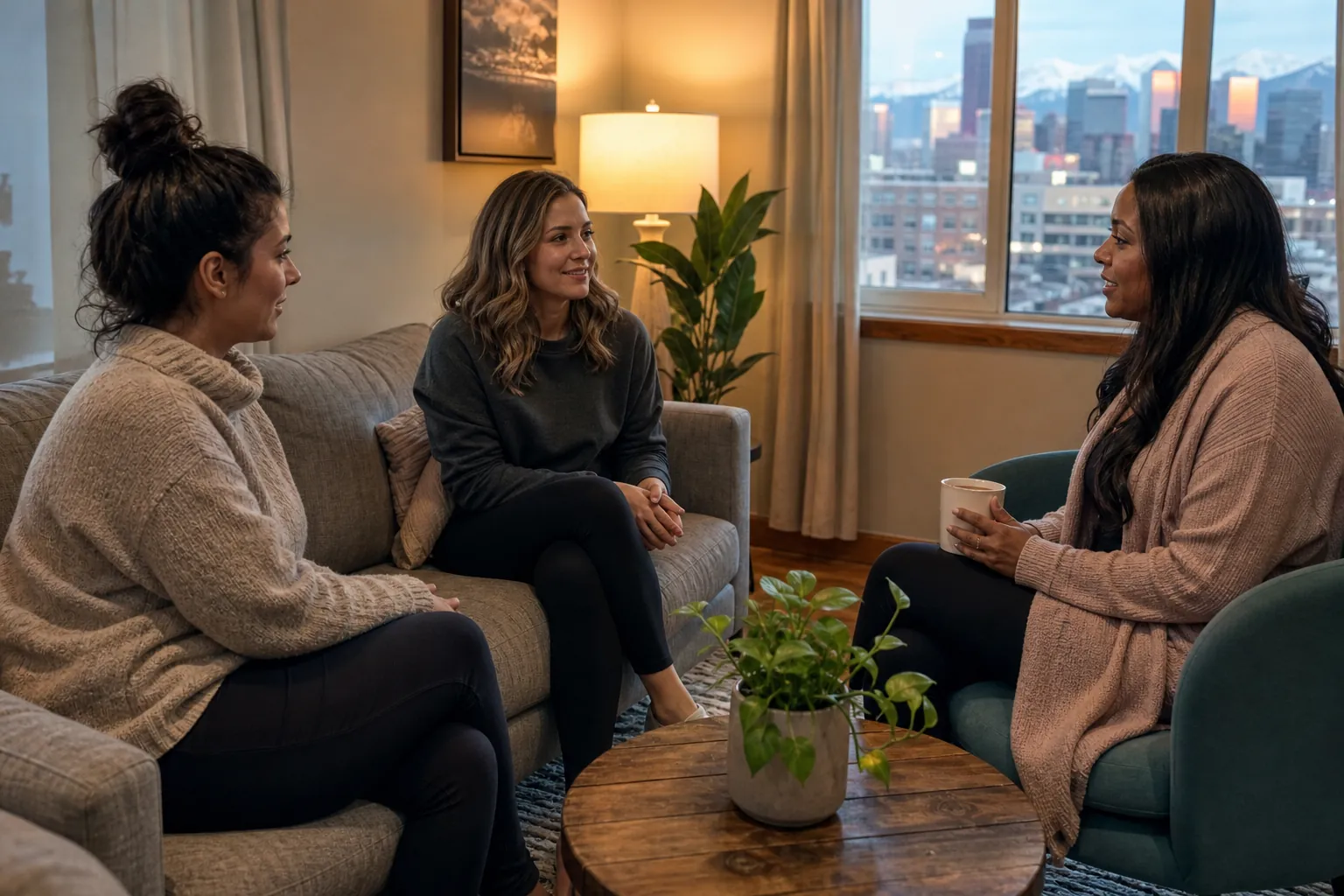
For those asking “what support do women get between iop sessions in Denver,” start with the plan agreed with your care team. Women’s Recovery includes weekly individual therapy, case management, psychiatric care, and consent-based support-person contact during IOP. These services do not establish on-demand or after-hours availability. Confirm whom to contact and when.
What Support Do Women Get Between IOP Sessions?
Support for women between IOP sessions includes services beyond group care. At Women’s Recovery, each level includes weekly individual therapy, a case manager, and psychiatric care. The approach reflects the meaning of trauma informed care and can address needs explored in treatment for PTSD in women. Contact timing needs separate review.
An intensive outpatient program, or IOP, provides scheduled care without an overnight stay. Women return home after sessions and spend much of each week in daily life. Support must account for stress at home, work, and in close relationships.
Support between groups does not always mean a separate appointment between every session. Weekly individual therapy offers a private space to discuss concerns. Case management and psychiatric care add other forms of support within the treatment plan.
These services do not establish an after-hours line or instant access to a clinician. The team needs to explain contact methods and response limits. A message about a routine concern is different from a request for urgent help.
Women can call about mental health or trauma without a substance-use diagnosis. The first step is to discuss current needs and assess fit. No one needs to decide alone which level of care is right.
- Weekly individual therapy gives women time to discuss concerns outside the group setting.
- A case manager is part of care at each treatment level.
- Psychiatric care is included, with the care plan based on individual needs.
- Contact with family or other support people takes place with consent.

How Does Individual Therapy Help With Time At Home?
Individual therapy gives women a private place to address concerns from life outside group. Weekly sessions can connect treatment goals with home stress and personal needs. Topics may relate to dealing with family trauma or ways to overcome past traumas, while the clinician helps define appropriate next steps.
A group setting may not feel right for every detail. A woman may want privacy when discussing conflict, shame, or a painful memory. Individual sessions provide another place for those concerns within the program.
The National Institute of Mental Health describes psychotherapy as treatment that addresses thoughts, feelings, and behavior. Therapy can help people understand distress and work toward personal goals. The exact approach should fit the person and the concern being treated.
For example, a hard evening may reveal a pattern worth discussing. A woman might feel on edge after a family call. The session can explore what happened without assuming the family member caused every symptom.
Therapy can also help make treatment goals more realistic. Work demands, poor sleep, or caregiving may affect what feels manageable. Women can discuss those limits rather than feel pressure to hide them.
Weekly therapy does not mean a therapist is always available between visits. Contact outside appointments depends on the program’s policies and the care plan. New or worsening symptoms may need review sooner than the next routine session.
How Can A Case Manager Help Outside Group Hours?
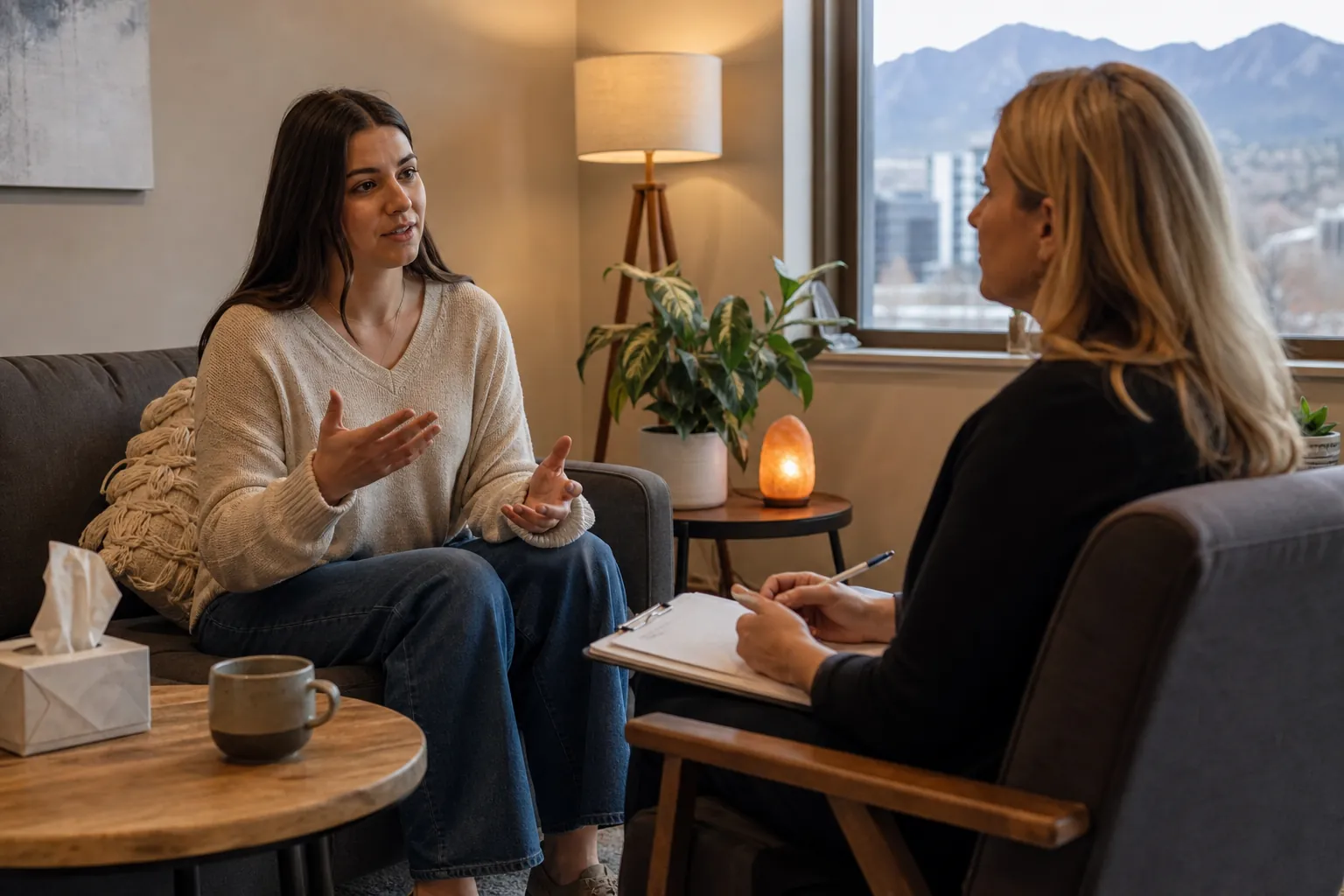
A case manager adds a point of support for concerns that affect participation in care. Women’s Recovery includes a case manager at every level, but specific duties and contact access need confirmation. understanding trauma informed care and approaches to treating PTSD in women offer context for discussing care needs.
Life outside treatment can make attendance hard. Work hours may change, transportation may fall through, or family duties may grow. These concerns belong in care discussions because they can affect a woman’s ability to take part.
The presence of a case manager does not confirm every possible service. Do not assume the program provides rides, housing placement, legal help, or childcare. The team can explain the case manager’s role and any limits.
Case management also differs from individual therapy and psychiatric care. Practical concerns, private therapy topics, and medical concerns may need different staff. Clear roles can help women understand where a concern belongs.
There is no need to finish a planning task before calling. A woman can reach out while her needs still feel unclear. Staff can explain the assessment process without requiring her to have a complete plan.
The goal is to make care needs visible. Honest discussion of a barrier is more useful than assuming staff already know. Any changes to services or scheduling still need individual review.
- Changes in work hours can affect attendance and deserve a timely discussion.
- Transportation problems may create gaps that the treatment team needs to understand.
- Caregiving demands can affect both session attendance and time for rest.
- Confusion about staff roles can make routine support harder to use.
Can Family Or Other Support People Be Involved?
Family members or other support people can be involved through consent-based contact at Women’s Recovery. Involvement should fit the woman’s needs and respect privacy and safety. support for dealing with family trauma and the link between childhood trauma and addiction explain why family contact may need careful boundaries.
A support person does not have to be a relative. Someone may feel safer with a trusted friend or another person in her life. The team can explain who may take part and what consent allows.
SAMHSA’s family resources recognize that families may have a role in support and recovery. That role varies across people and circumstances. Family contact should not be treated as helpful in every situation.
Consent-based contact does not give someone open access to treatment details. The scope of information shared needs clear discussion. Women can raise privacy concerns without having to explain them in front of the support person.
A trusted person may help with daily needs outside care. That support does not replace a therapist or make the person responsible for treatment. No family member should be expected to assess symptoms or manage a crisis alone.
When a relationship feels unsafe, the clinical team needs to know. Treatment should leave room to discuss fear, pressure, or unwanted contact. A woman can ask the team to explain how privacy and safety affect family involvement.
- A trusted person may offer company during a stressful evening at home.
- Practical help with daily tasks may ease some pressure during treatment.
- Respect for privacy can help preserve a woman’s control over personal information.
What Happens When Symptoms Get Worse Between Sessions?
Worsening symptoms between sessions need a response based on urgency, not the next group date. Routine contact with the care team may fit some concerns; immediate danger requires emergency care. what trauma informed care means and treatment approaches for women with PTSD provide context, but neither replaces urgent assessment.
A new concern does not always mean IOP has failed. Poor sleep, rising distress, or trouble with daily tasks may signal a need to review the plan. A clinician can help decide what kind of assessment is needed.
Urgent assessment means prompt review of symptoms and safety needs. Crisis support and emergency care serve different purposes. Call 911 for immediate danger or a medical emergency, or 988 for the Suicide and Crisis Lifeline.
Do not wait for admission, a returned routine message, or the next group during an emergency. Outpatient staff may not see a message right away. Scheduled care cannot provide the same response as emergency services.
Women’s Recovery does not provide onsite detox, residential care, or inpatient care. A need for overnight monitoring or medical withdrawal care requires a different setting. Withdrawal from alcohol, benzodiazepines, or opioids can be dangerous and needs medical supervision.
A plan for the time between visits should make these limits clear. Women should know which contact methods serve routine needs and which services handle a crisis. A clinical review can also address whether more support is needed than IOP can provide.
How Does The IOP Schedule Affect Support At Home?
The IOP schedule leaves women living at home while attending several sessions each week. Women’s Recovery provides morning and evening tracks, with individual fit assessed separately. ways to work through past traumas and the basics of trauma informed care can help explain the value of support beyond scheduled groups.
Women’s Recovery’s IOP includes nine to fifteen hours of care each week. Sessions last three hours and occur three to five times weekly. Morning and evening tracks exist, but a specific schedule needs confirmation.
Group hours alone do not show how much support a woman needs. Home stress, symptoms, and the ability to manage daily life matter too. Every level includes weekly individual therapy, a case manager, and psychiatric care.
The ASAM Criteria describe placement as a decision based on a person’s needs. More hours are not automatically the right choice for everyone. A clinical assessment helps determine which setting can meet those needs safely.
Travel, work, and caregiving still take time outside treatment hours. Women go home each evening at all three levels listed below. None of these programs provides overnight supervision or onsite childcare.
The table describes program structure, not a promised treatment path. Moving between levels requires review rather than a fixed calendar. Program length and personal schedules should be discussed with the team.
| Level Of Care | Scheduled Care | Shared Support | Living Setting |
|---|---|---|---|
| Partial hospitalization, PHP | Twenty-five to thirty hours over five days | Weekly individual therapy, case manager, psychiatric care | Home each evening |
| Intensive outpatient, IOP | Nine to fifteen hours weekly | Weekly individual therapy, case manager, psychiatric care | Home each evening |
| Outpatient treatment | Weekly ninety-minute group | Weekly individual therapy, case manager, psychiatric care | Home each evening |
How Are Between-Session Support Needs Reviewed?
Between-session support needs are reviewed through an individual assessment and ongoing clinical discussion. The review considers symptoms, daily demands, and safety outside scheduled care. how PTSD is treated in women and understanding childhood trauma and addiction offer background, but neither determines a woman’s diagnosis or program fit.
Assessment means reviewing a person’s needs to help guide care. Admissions is the separate process of entering a program after relevant steps are complete. An early conversation does not establish that IOP is the right level.
A woman can call without knowing which service she needs. Mental health and trauma are the primary focus at Women’s Recovery. A substance-use diagnosis is not required to begin the conversation.
Support needs may change during care. A new home conflict, worsening symptoms, or less help with daily tasks may affect the plan. Those changes deserve discussion even if the group schedule has stayed the same.
The team can review the need for more structure or a different setting. That review should consider what happens outside sessions, not attendance alone. Some needs may fall outside the services Women’s Recovery provides.
A useful plan makes both support and limits clear. Women need to understand staff roles, routine contact options, and urgent-care boundaries. Those details should come from the admissions or clinical team rather than assumptions about what IOP usually includes.
Questions about next steps? Call Women’s Recovery at 833.754.0554 or review the Women’s Recovery admissions process.
Frequently Asked Questions
Can I call if trauma is my main concern?
Yes, women can call Women’s Recovery when trauma or mental health is the main concern. A substance-use diagnosis is not required. The program serves adult women, and an individual assessment determines fit. Calling starts a discussion of needs; the conversation does not by itself establish a diagnosis or complete admission.
Are pregnant or postpartum women welcome?
Pregnant and postpartum women are welcome at Women’s Recovery. Individual assessment still determines which services fit the woman’s needs. Children and infants are not onsite, so attendance may involve separate childcare arrangements. Pregnancy or recent childbirth can affect care needs, which should be discussed with the clinical team rather than assumed from the group schedule.
Does psychiatric care mean I have to take medication?
The inclusion of psychiatric care does not, by itself, establish a medication plan. The clinician needs to review symptoms, health history, and treatment needs. Women can discuss concerns and preferences during that review. Medication decisions belong with the prescribing clinician; program information is not a reason to start, stop, or change a medicine.
Can a woman from outside Denver attend?
Women from communities outside Denver may discuss care at the Denver location. Fit depends on individual assessment and the ability to attend the planned schedule. The program does not provide an overnight stay. Travel time and support at home may affect participation, and serving women from other communities does not mean there are additional facilities.
Is support still included after stepping down to outpatient care?
Outpatient care at Women’s Recovery includes weekly individual therapy, a case manager, psychiatric care, and consent-based stakeholder contact. The outpatient group meets for ninety minutes weekly. A move from IOP to outpatient care requires clinical review. Fewer group hours do not mean support needs disappear, so the plan should address life outside scheduled visits.
Sources
- Psychotherapies, National Institute of Mental Health (NIH)
- Resources for Families, SAMHSA
- The ASAM Criteria, American Society of Addiction Medicine
Call 833.754.0554 to talk through next steps.