
Original article
Learning how stress can affect the mind and reviewing admissions information can help you consider your next step.
Trauma can touch our lives in unexpected and deeply personal ways. It’s an emotional and psychological response to a distressing event,or a series of experiences,that feels overwhelming. For women, the sources of trauma can vary widely. Some may be tied to loss, accidents, or disasters, while others stem from violence, abuse, or betrayal. Events like sexual assault, domestic violence, or childhood neglect disproportionately affect women and can leave lasting scars. Trauma doesn’t discriminate; it rearranges our sense of safety and security, sometimes making the everyday feel unmanageable.
But not all trauma looks the same. Some people find a way to process and heal over time, while others find themselves stuck in the ripple effects. When trauma isn’t truly processed or when it overwhelms our natural ability to cope, it can result in mental health challenges like post-traumatic stress disorder (PTSD). But this topic
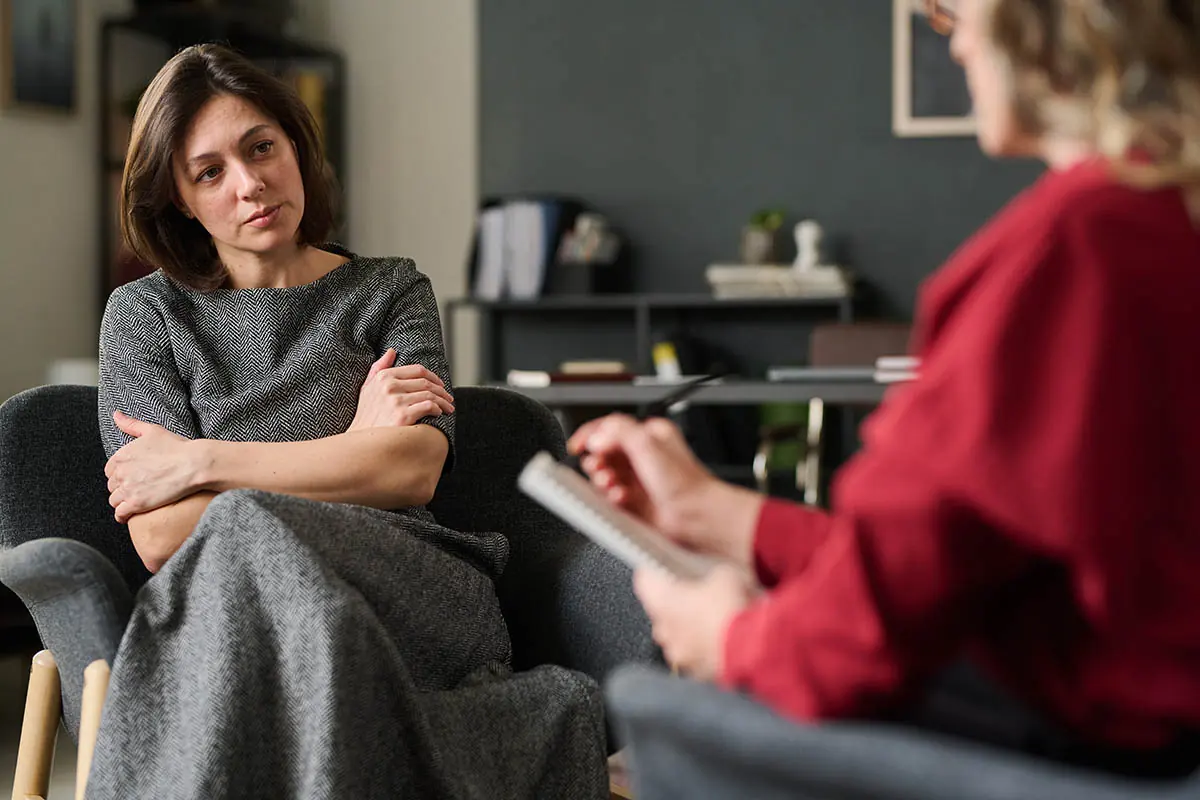
For anyone who’s lived with PTSD, the struggle is real,the past feels like it’s bleeding into the present, keeping you trapped in a cycle that’s as exhausting as it is painful. A professional PTSD treatment program, like that offered at Women’s Recovery in Colorado, offers a pathway toward healing and recovery.
This topic
For most of us, our brains and bodies are equipped to handle stress and emotional pain. But trauma is another story,especially when it’s persistent, tied to your safety, or impossible to escape. PTSD develops when your mind struggles to process the traumatic experience. It’s as if your brain becomes stuck in overdrive, constantly in fight-or-flight mode.
PTSD can look different for everyone, but some symptoms include the following:
- Flashbacks
- Nightmares
- Severe anxiety
- Avoiding anything that might remind you of your trauma
It’s not “just in your head”; PTSD rewires the brain’s stress response, leaving your body on high alert even when the danger has passed. It is a legitimate mental health diagnosis that requires professional treatment so that the trauma does not remain unprocessed. Over time, this unprocessed trauma can weigh heavily on every aspect of your life,your emotional health, relationships, and even your ability to feel joy.

The Connection Between Mental Health and Substance Use
When trauma takes a toll on your mental well-being, it’s common to look for relief. Unfortunately, some people turn to substances like alcohol or drugs to numb the pain. This is especially true for those dealing with PTSD, as the symptoms can feel unbearable. While substances might offer a temporary escape, they only add another layer of problems. Physical dependence, addiction, and the shame that often accompanies substance use can make it even harder to heal.
The reality is mental health and substance use disorders are closely linked. For many women, these struggles occur side by side, feeding into each other. Untreated PTSD may lead to substance use, while substance use can worsen the symptoms of PTSD. This cycle highlights the importance of dual diagnosis treatment, which addresses both conditions at the same time. It’s about untangling the threads of trauma, mental health, and addiction so you can heal fully,not just patch up parts of your life.

Contact Women’s Recovery for PTSD Treatment in Colorado
At Women’s Recovery, we understand how interconnected mental health and substance use are, especially for women. That’s why we provide compassionate, judgment-free outpatient care to support you through every step of the healing process.
Our dual diagnosis treatment program is designed to meet you where you are. Whether you’re facing PTSD, substance use, or both, we offer a path forward with therapies and resources that prioritize your unique needs as a woman. You are so much more than your trauma; we’re here to help you rediscover the strength and resilience that’s been there all along.
You deserve to feel whole again. If you’re in Colorado and searching for a place where healing feels within reach, don’t wait another day. Contact Women’s Recovery online or call 833.754.0554 to start the next chapter of your life. We’re here for you when you’re ready.