

Original article
Information about mixing hydrocodone with alcohol and hidden heroin use adds context, while your own health, safety, and circumstances still determine what deserves individual attention.
Over the past 15 years, opioid abuse has become a major problem in the US. The public see heroin and methadone as the main threat. This is proving to not be the case however. Research has shown that 75% of users prefer hydrocodone or oxycodone if they have an opioid addiction. While all opioids are addictive, a published report found that hydrocodone was a primary choice. The euphoric effects are lower than other opioids but it remains a popular drug of abuse and addiction. Hydrocodone is a semi synthetic opioid that is prescribed to manage severe pain. It’s a Schedule II or III classification under the Controlled Substance Act.
The difference of drug classifications depends on how much hydrocodone a medication has in it. The classification of hydrocodone tells us that the abuse potential is moderate but the addictive potential is quite high. The effects are similar to morphine or heroin but it’s less potent. Users often don’t understand the addictive nature of hydrocodone, which is what makes it particularly dangerous.

Hydrocodone Medications
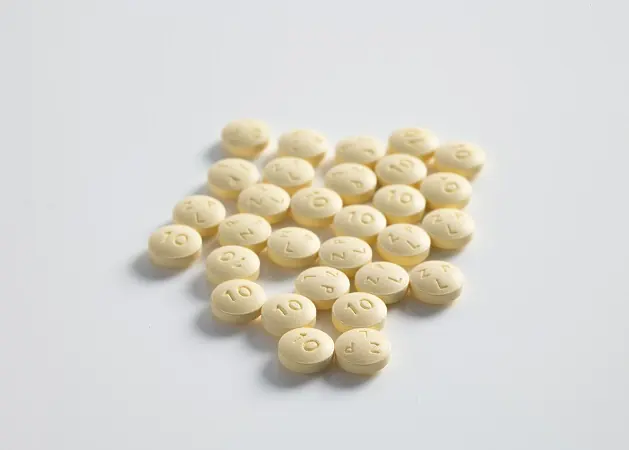
Hydrocodone is widely used as a pain reliever. There are a few different brand names. Vicodin is one of the most familiar. Vicodin combines hydrocodone and acetaminophen. The combination is effective in managing pain. The acetaminophen is a less powerful pain reliever and increases the effectiveness of hydrocodone. Norco is another hydrocodone based pain reliever that contains acetaminophen. They are different based on the proportion of ingredients. Vicodin has 5mg of hydrocodone with 500mg acetaminophen. Norco has three varieties that include:
- 5mg hydrocodone/325mg acetaminophen
- 7.5mg hydrocodone/325mg acetaminophen
- 10mg hydrocodone/325mg acetaminophen
Norco will often come with more side effects due to the higher amount of hydrocodone. Side effects can include dizziness, light-headedness, and drowsiness. Vicodin has more acetaminophen per tablet which has greater risk for liver damage. Lorcet contains 10mg of hydrocodone and 650mg of acetaminophen. It is a Schedule II classification under the Controlled Substance Act. Due to the higher amount of acetaminophen, there is a greater risk of hepatotoxicity. Acetaminophen has caused acute liver failure, leading to liver transplants in patients or death.

This topic
Like other opioids, hydrocodone alters how the brain functions. It creates a reward system that causes cravings. These cravings for more opioid-based drugs make it hard to stop. This is why professional addiction treatment is often necessary. The drug will cause the body to stop producing positive feelings on its own. If a user tries to abstain from using hydrocodone medications, they will experience withdrawal symptoms like anxiety and depression. People will come to rely on hydrocodone to avoid the negative emotions that come up when they abstain. Hydrocodone effects are much like morphine. It quickly provides relaxation and a euphoric feeling.
NIDA has reported that these type of pleasurable feelings are what causes people to continue heroin use despite the risks. While hydrocodone isn’t as potent as heroin, there is still a risk of the same behavior towards it. Hydrocodone addiction is so powerful because it interferes with the brain and how it experiences pain and pleasure. While it’s good to have when coping with extreme pain, once it’s stopped, emotional pain can be hard to manage.
When recovering from hydrocodone, addicts will need to work on physical and psychological dependence.
This often entails detox, treatment, and therapy.

What Does Hydrocodone Do?
Hydrocodone treats pain and also suppresses the cough reflex. It causes pain relief through directly effecting the cough center in the brain. It can also have a drying effect when a person’s respiratory tract is full of mucous. Hydrocodone effects are also similar to other opioids. Patients and recreational users of hydrocodone will become hooked on the feeling of euphoria it gives them. It interacts with the reward system in the brain. This further reinforces the desired to use. Hydrocodone does manage pain effectively but should only be used short-term to avoid dependency. It can cause damage to the body and mind when abused for long periods. Here are some the possible hydrocodone effects on the body:
- Bradycardia
- Supresses cough
- Causes dizziness and drowsiness.
- Causes hyperglycemia.
- Can cause loss of consciousness.
- Can cause shallow breathing.
- Can cause impairment of coordination.
- Can slow the heart down.
- Can cause nausea and vomiting.

Hydrocodone Effects on the Brain
Hydrocodone effects on the brain include changing the way it functions. As an opioid, hydrocodone attaches to the brain’s opioid receptors. This is what reduces pain and creates euphoric feelings. The molecular structure of hydrocodone works a lot like morphine on the brain. These drugs connect to proteins in the brain and spinal cord called opioid receptors. As a central nervous system depressant (CNS), it slow down brain activity when it is in the system. The effects of hydrocodone alter activities in the brain. Here is a breakdown of hydrocodone effects on the brain:
- Hydrocodone influences neurotransmitter receptors.
- The delta-receptor – limbic area of the CNS.
- Mu-receptor – Localized pain-modulating area of the CNS.
- Kappa-receptor – Sits in the layers of the cerebral cortex.
- Sigma-receptor – mediates dysphoric and psychotomimetic effects of opiate partial agonists.
All of these parts of the brain are affected which is what causes the reduction of pain and a “high” feeling.

Who is Abusing Hydrocodone?
Data has shown that hydrocodone is popular because it’s inexpensive and easy to get. Research has uncovered that people think it’s safe to use so risk-averse users will commonly take hydrocodone. This include women, elderly people, and those not willing to inject opioids. They will most likely obtain medication through doctors, friends, or members of their family.
How Long is it Safe to take Hydrocodone
Hydrocodone should only be taken during the time a patient is in heightened pain. There is a variety of time lines for injuries and a doctor will gauge the best period for each patient. Extra care is necessary when taking hydrocodone with acetaminophen. This is because the acetaminophen can cause major health issues with the liver. In addition, the addictive qualities of hydrocodone is a concern. Some people will start taking hydrocodone as treatment but become hooked on the euphoric feeling it gives them. This can cause them to use it for longer, which can create tolerance. Prevention against hydrocodone addiction is taking it as prescribed by a doctor.
It’s also recommended that the patient keeps a pain diary. When a patient realizes that pain is lessening, they should let their doctor know regardless of whether the prescription has run out. The doctor may reduce the dosage gradually if the pain has reduced. If a patient feels the need to have hydrocodone when they feel less or no pain, they should contact their doctor right away.
This is the first sign of hydrocodone addiction potential.
This is the first sign of hydrocodone addiction potential.
Symptoms of Hydrocodone Overuse
When someone takes more hydrocodone than directed, they are likely to experience symptoms that go along with the high.
- Seizures.
- Nausea and vomiting.
- Dizziness.
- Headaches.
- Blurred vision.
- Ringing ears.
Mood Symptoms of Hydrocodone
- Euphoric feelings.
- Abnormally cheerful.
- Fear and depression.
- Confusion.
- Anxiety.
When someone takes more hydrocodone than directed, they are likely to experience symptoms that go along with the high.
Signs of Hydrocodone Addiction
- Requesting refills on hydrocodone, pretending that the pain is still prevalent.
- Visiting a variety of doctors’ offices to try to get prescriptions filled out.
- Withdrawing socially.
- Withdrawing from previously enjoyable activities.
- Financial problems that can lead to borrowing money from others.
- Stealing pain medication.
- Physical dependence.
- Withdrawal symptoms when abstaining from hydrocodone.
- Pupil constriction.
- Blood clotting.
- Rashes.
- Difficulty thinking and focusing.
- The belief that one needs hydrocodone to function.
Hydrocodone Withdrawal
When people withdraw from hydrocodone, they are going to experience uncomfortable symptoms. Hydrocodone dependence doesn’t have the same withdrawal symptoms. The body will respond negatively to the absence of the drug but they can manage the subtle feelings. Hydrocodone addiction will likely require detox, and other methods of recovering. Hydrocodone withdrawal symptoms include:
- Insomnia.
- Chills, goosebumps and uncontrollable body shaking.
- Anxiety.
- Fatigue.
- Nausea and vomiting.
- Restless leg syndrome.
- Muscle aches.
- Irritability.
Hydrocodone withdrawal symptoms time line will begin a little before the normal dosing time. It will last for up to three days, becoming more and more intense. At the 72-hour mark, it will peak and then begin to lessen. After a week, the physical withdrawal symptoms will cease. Often, the psychological withdrawal will last longer. The recovering user will likely want to use again and may often think and talk about hydrocodone. There is no longer a physical dependency on the drug. Therefore, forms of therapy should be a part of addiction rehabilitation during the 6 months that follow the initial detoxification process.
Therefore, forms of therapy should be a part of addiction rehabilitation during the 6 months that follow the initial detoxification process.
Effects of the Hydrocodone High
Hydrocodone induces euphoria and leaves the user without a care in the world, giving them a strong sense of well-being. This can be a problem for those who feel depressed or anxious, creating a co-occurring disorder. Hydrocodone causes neurotransmitters in the brain to change how the body moves. A user’s mood changes because there is extreme relaxation in the mind and body. The body will experience total pain relief and mood is elevated. Hydrocodone is very similar to the high you get when a person takes morphine. The hydrocodone high lasts between 4-6 hours. This is the time it takes for the medication to leave the system.
To get high, a person needs to take more than the prescribed amount. This need for the hydrocodone high is what can cause both overdose and addiction.
This need for the hydrocodone high is what can cause both overdose and addiction.
Therapy for Hydrocodone Addiction
Some recommend medication assisted therapy to help patients taper off hydrocodone. An opioid replacement therapy helps negate the uncomfortable withdrawal symptoms. Vivatrol and buprenorphine are both drugs that have helped people with the detox stage. Methadone would usually be used for heroin addiction. Any type of medication-assisted therapy should be done under supervision of an addiction treatment specialist. Of course, other evidence-based methods should be used in conjunction for a successful recovery. This includes:
- Mental health screening.
- Individual and group therapy.
- Family counseling.
Hydrocodone highly addictive for a variety of reasons. A person becomes physically and psychologically addicted to it. This means they will have to manage the short-term physical withdrawal symptoms and the psychological desire to continue using. Hydrocodone causes someone to feel so relaxed and at peace that when they abstain, life becomes disturbing. The brain doesn’t function properly so a person won’t have enough dopamine production. This causes a big change in mood and it’s challenging to manage life. Many people think that hydrocodone is harmless because it’s legal and widely prescribed.
Realistically, it isn’t a problem if someone takes the proper dose and remains conscious of their own pain. It doesn’t take long, when abused, for hydrocodone medication to cause addiction. While much weaker than heroin and other strong opioids, it still affects the brain in a similar way.
While much weaker than heroin and other strong opioids, it still affects the brain in a similar way.