

Original article
When you are concerned about a loved one’s prescription drug use, focus on changes connected to how medicine is being used rather than trying to diagnose her. Learning about prescription opioid misuse and how to ask for help with addiction can consider you for a respectful conversation.
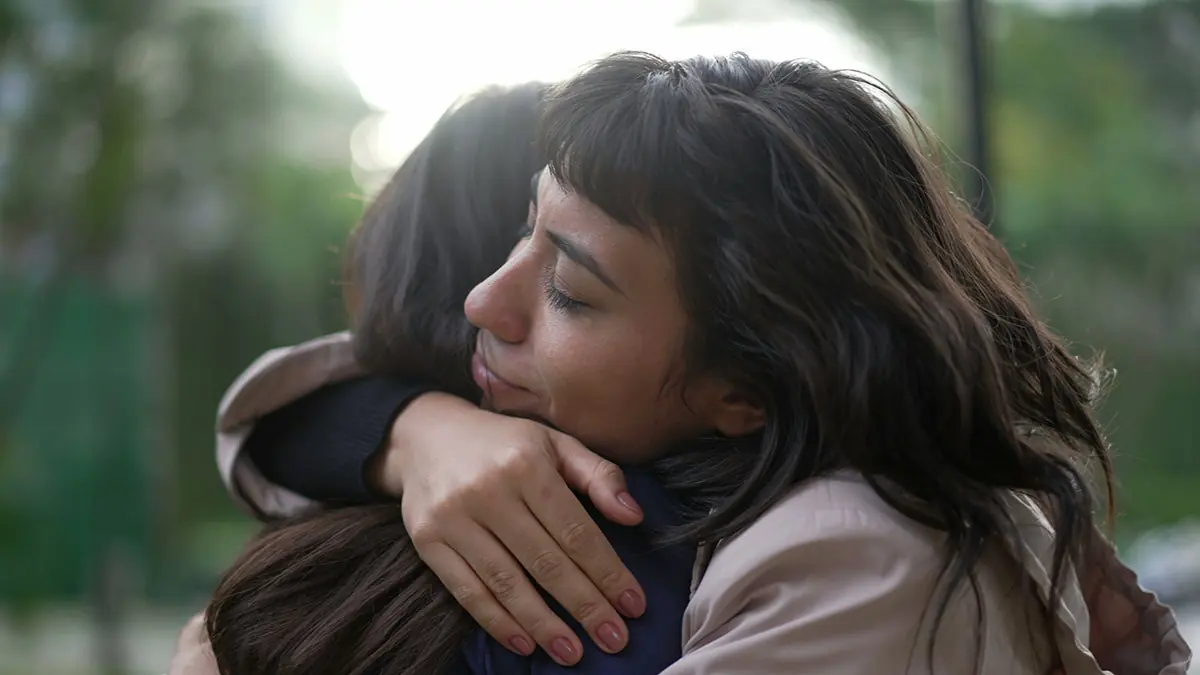
Loving someone who has a prescription drug addiction can be difficult. It is painful to watch your loved one slip further and further into their addiction. You might feel overwhelmed, angry, sad, or hopeless. Unfortunately, people who struggle with prescription drug addiction may not recognize their own problems or find the help they need to overcome them.
One way to help a loved one struggling is to gently make them aware of your concerns and help them start a prescription drug addiction treatment program. Here is a guide on recognizing that your loved one has a problem and how to guide them to get the treatment they need gently.
If you or a woman you love need substance abuse treatment or support in addiction recovery, contact the Women’s Recovery staff. We offer a range of adaptable programs designed to empower women at any stage of addiction and recovery.

Recognizing the Signs of Prescription Drug Abuse
Many people who develop an addiction to prescription drugs start with a prescription for them. Most prescription drugs are safe when taken as directed. However, over time, many of them, especially medications prescribed to manage pain and anxiety, can lead to physical and emotional dependence or addiction. Recognizing the signs of addiction can help you realize that your loved one has a problem. These signs include:
- Using more of the medication than prescribed
- Exhibiting secretive behavior around drug use
- Financial or legal issues related to drug use
- Changes in mood, appetite, or sleep
- Experiencing withdrawal symptoms when trying to reduce or stop using
Depending on how close you are to your loved one or how often you spend time with them, some of these symptoms may be hard to recognize. As soon as you realize their prescription drug use is problematic, it would be best to seek professional treatment.

Finding a Women’s Addiction Treatment Program
The key to helping someone get into treatment is to make it as easy as possible for them to get started. After recognizing that your loved one is struggling with addiction, the next step is finding an appropriate treatment program. When choosing a program, consider the following factors:
- Their age and gender
- Location of the treatment center
- Programs offered
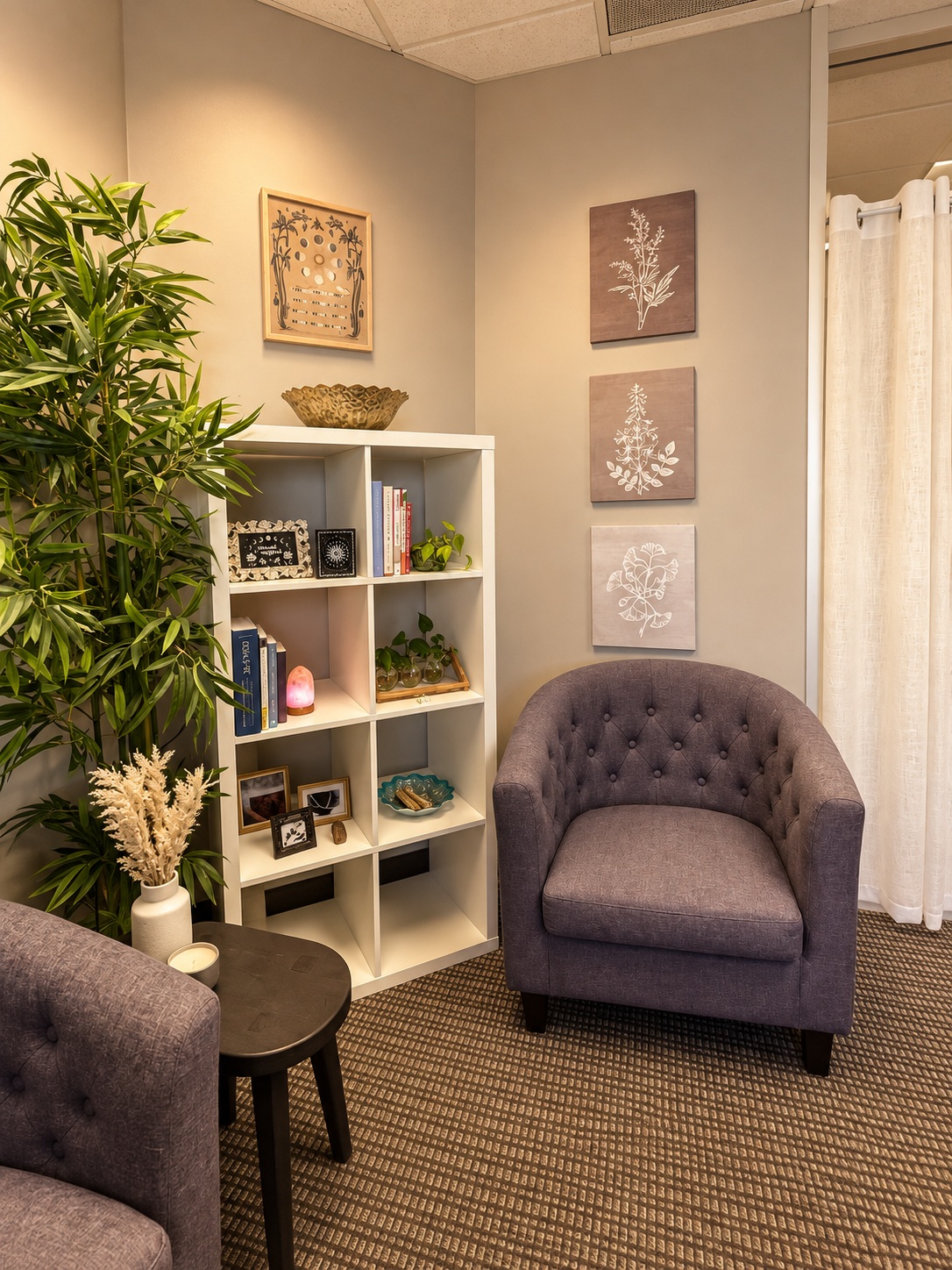
- Environment
- Special considerations, such as diet, religion, or philosophy
- Medical and mental health needs
There is no one-size-fits-all solution to prescription drug addiction. If your loved one cannot participate in finding the right treatment facility, you should think about their unique needs and make the best decision you can for them.
Encouraging Your Loved One to Start Prescription Drug Addiction Treatment
Once you have identified a problem and found a high-quality treatment program to offer, it is time to address your loved one directly about your concerns.
Some ideas for providing encouragement include the following:
- Find a time and place when you can have privacy and a lot of time to talk about your concerns
- Focus on your love and concern
- Avoid blaming or shaming
- Talk about what you have noticed, such as the changes, the behaviors, their struggle related to their prescription drug use
- Give them information about the treatment program you found for them
They may decide to accept your help, or they may not. If they do not, you can try again in the future. However, if they do, you should help them enroll in the treatment program immediately and support them as they get the help they need.

Learn More at Women’s Recovery
If you or a woman you love need life-saving prescription drug addiction treatment or support at any stage of recovery, you are not alone. Women’s Recovery offers supportive programs to help you overcome addiction and live the healthy, self-directed life you deserve. In addition to prescription drug addiction treatment, we offer the following:
- Alcohol addiction treatment
- Heroin addiction treatment
- Opioid addiction treatment
- Cocaine addiction treatment
- Meth addiction treatment
Do not put off getting the treatment you need for another day. Call us today at 833.754.0554 or fill out an online form here.