Original article
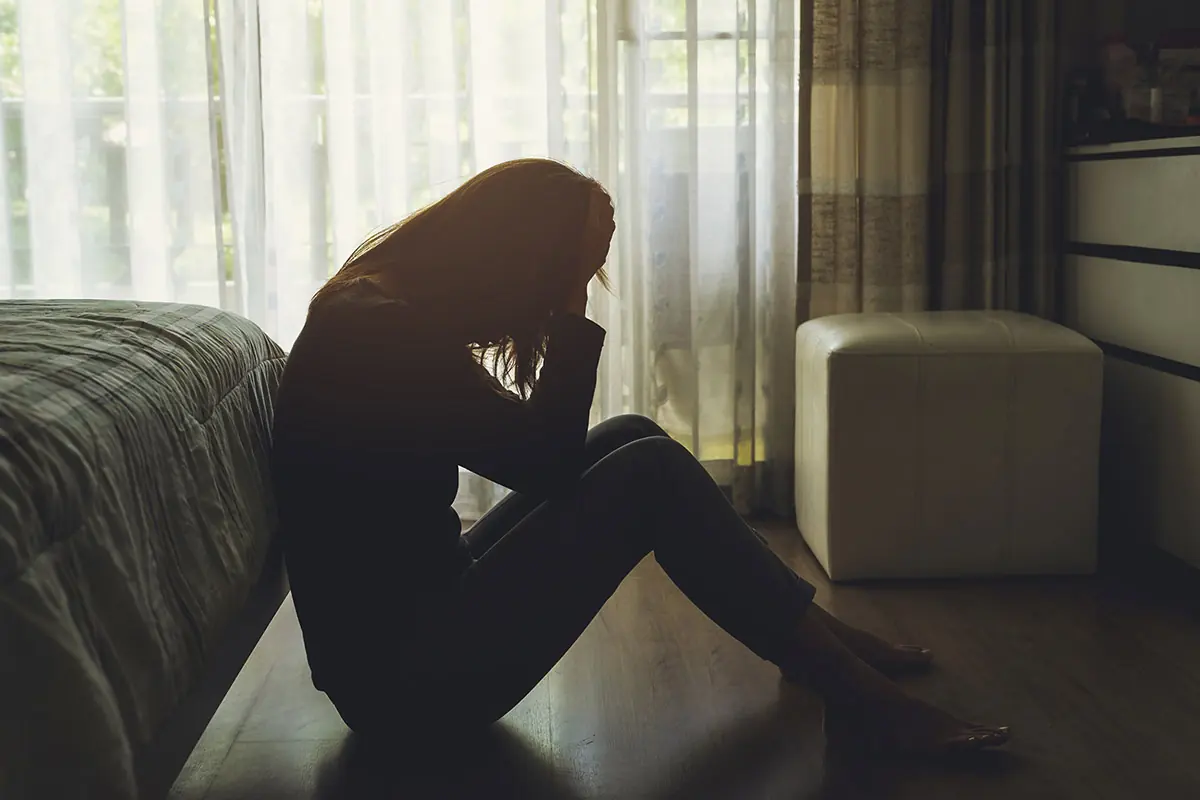
If you are wondering how long anxiety after drinking may last, the honest answer is that it varies. Your experience may reflect temporary symptoms, an ongoing anxiety concern, or both. Learning about alcohol’s effects on women’s hormones and anxiety connected with alcohol withdrawal can add helpful context.
Unlike many problematic and addictive substances, alcohol is both legal and readily available in the United States. Alcohol consumption is often seen as a social activity or a way to cope with stress. However, many people are unaware that excessive alcohol use can lead to a range of mental health issues, including anxiety. Many social drinkers are unaware of the link between alcohol consumption and anxiety, the symptoms of alcohol-induced anxiety, and professional treatment options and coping strategies are available.
Women’s Recovery in Colorado offers treatment programs for substance use disorders, like alcohol, and co-occurring mental health conditions, like anxiety. Our women’s alcohol addiction treatment program can help you or a loved one find the path of recovery and regain your well-being. Call 833.754.0554 to learn more or get started today.
How Alcohol Consumption Affects the Brain and Leads to Anxiety
Alcohol is a central nervous system depressant, which means it slows down brain function and alters the balance of neurotransmitters (chemical messengers) in the brain. While alcohol may initially create a sense of relaxation and euphoria, its long-term impact on the brain can lead to increased anxiety levels.
Alcohol affects the levels of key neurotransmitters like serotonin, dopamine, and glutamate, which play a crucial role in regulating mood, motivation, and overall mental well-being. When alcohol disrupts the balance of these neurotransmitters, it can lead to feelings of anxiety, restlessness, and irritability.
Symptoms and Effects of Alcohol-Induced Anxiety
Alcohol-induced anxiety can manifest in various ways, with some common symptoms including:
- Excessive worry or fear
- Racing thoughts
- Irritability
- Difficulty concentrating
- Sleep disturbances
- Muscle tension
- Panic attacks
The duration and severity of these symptoms can vary depending on factors such as the amount of alcohol consumed, the frequency of consumption, and individual differences in how the body processes alcohol. Anxiety symptoms may generally last for several hours or even days after alcohol consumption.
Coping Strategies and Treatment Options for Alcohol-Induced Anxiety
Several approaches to managing alcohol-induced anxiety range from self-help techniques to professional treatment options. Some best practices and coping strategies include:
- Reducing or abstaining from alcohol consumption
- Engaging in regular physical activity
- Practicing relaxation techniques, such as deep breathing exercises or mindfulness meditation
- Seeking support from friends, family, or support groups
- Maintaining a balanced diet and staying hydrated
In some cases, professional behavioral health treatment may be necessary, particularly for individuals struggling with both alcohol-induced anxiety and a substance use disorder. This is referred to as a dual diagnosis, which requires an integrated approach to address the mental health condition and the addiction simultaneously. Dual-diagnosis treatment has been shown to lead to higher recovery rates and better long-term outcomes for the individual.

How to Deal with Alcohol-Induced Anxiety – Women’s Recovery in Colorado
Professional behavioral health treatment can provide the necessary support and resources for individuals struggling with alcohol-induced anxiety and co-occurring conditions. Women’s Recovery in Colorado offers comprehensive behavioral health services that utilize evidence-based treatment approaches to help individuals overcome anxiety and other mental health challenges.
Alcohol-induced anxiety is a common but often overlooked consequence of excessive alcohol consumption. Understanding the link between alcohol and anxiety, recognizing the symptoms, and seeking appropriate treatment can make a significant difference in the lives of those affected. Whether through self-help strategies, peer support, or professional treatment, many ways exist to manage and overcome alcohol-induced anxiety.
Women’s Recovery focuses on providing gender-specific treatment programs tailored to the unique needs of women. Their evidence-based approach includes cognitive-behavioral therapy, dialectical behavior therapy, and trauma-informed care, which have been proven effective in treating anxiety and co-occurring conditions. Call 833.754.0554 today or reach out online to speak to our caring and professional team.