
How Sleep Problems Connect To PTSD In Women In CO
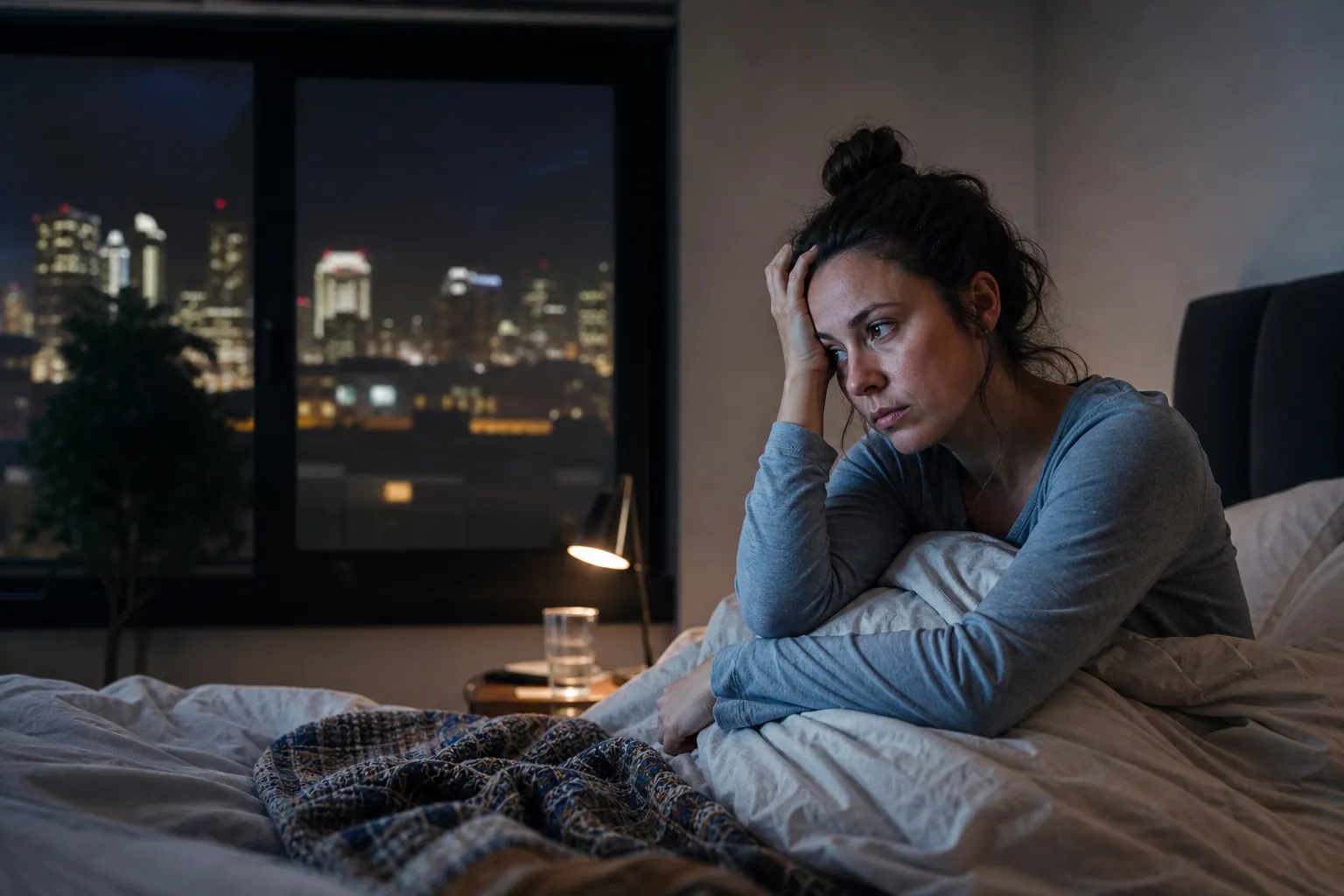
The answer to “how do sleep problems connect to ptsd for women” involves a two-way link. Trauma-related fear can disrupt sleep, while poor sleep can make stress harder to manage. Nightmares, feeling on guard, and bedtime fear may occur, but sleep trouble alone does not establish a PTSD diagnosis.
How Are Sleep Problems And PTSD In Women Connected?
Sleep problems and PTSD in women can feed each other. Feeling unsafe can interrupt rest, while poor rest can strain mood and coping. PTSD treatment for women and principles of trauma-informed care explain care approaches, but a clinical assessment is needed to understand the cause of sleep changes.
PTSD means post-traumatic stress disorder, a condition that can develop after trauma. Symptoms can include unwanted memories, avoiding reminders, and feeling constantly on guard. Some women feel exhausted yet unable to relax when bedtime comes.
Sleep requires enough calm to let awareness fade. After trauma, ordinary sounds or darkness may feel threatening. A person may check locks, scan the room, or wake with a racing heart. These responses can feel automatic rather than chosen.
Poor rest can then leave less room for daily stress. Work, parenting, and small conflicts may feel harder after broken sleep. This pattern does not mean a woman is weak or failing at recovery. Sleep deserves attention alongside daytime distress.
Not every woman who experiences trauma develops PTSD. Sleep problems can appear without the full condition or reflect another health issue. A clinician considers the whole pattern rather than one symptom. The National Institute of Mental Health describes mental health through emotional, social, and daily functioning.
The timing of sleep changes can offer clues without proving a cause. Problems may begin soon after an event or emerge around later reminders. A safe assessment leaves room for both trauma and other explanations.
Why Can Nightmares Make Bedtime Feel Unsafe?
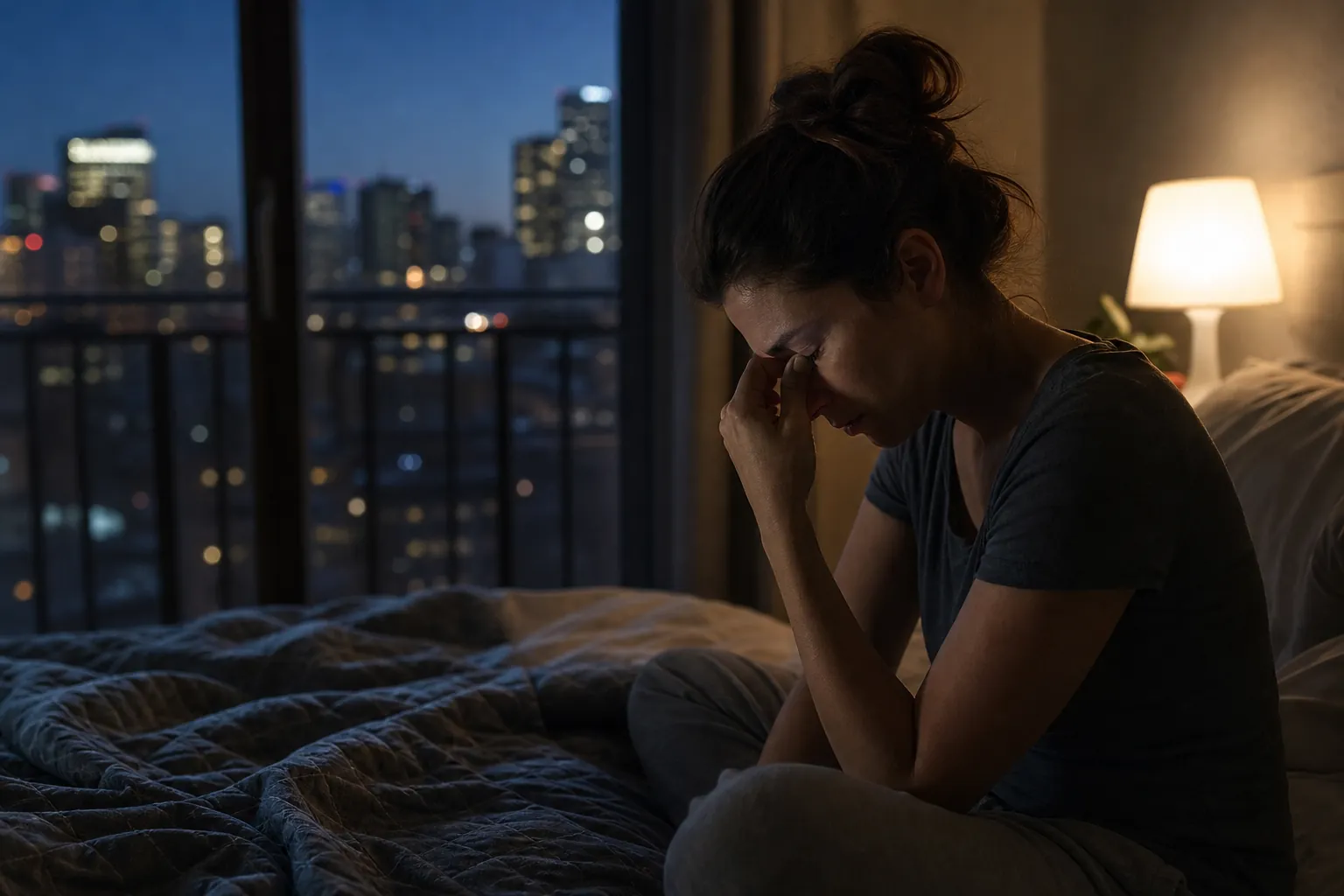
Nightmares can make bedtime feel unsafe because sleep becomes linked with fear. Some women start delaying bed to avoid distressing dreams. understanding the effects of family trauma and ways to work through past trauma provide context, though dream content alone cannot show what condition a person has.
A distressing dream may replay parts of an event. Other dreams carry similar feelings without matching what happened. Waking scared does not mean danger is present now. Still, the body may need time to settle after waking.
Fear of another nightmare can create a second problem. A woman may stay busy late or avoid sleeping alone. This can shorten rest even on nights without dreams. Shame about the pattern may make seeking help harder.
Sleep disruption can take several forms that are useful to describe in care. These patterns are clues, not a checklist for self-diagnosis.
- Falling asleep takes a long time because bedtime brings worry or unwanted memories.
- Waking during the night brings fear, sweating, or a strong need to check surroundings.
- Distressing dreams lead to avoiding bed even when the body feels very tired.
- Light sleep leaves the person alert to small sounds and unrested each morning.
Could Something Besides Trauma Be Disrupting Sleep?
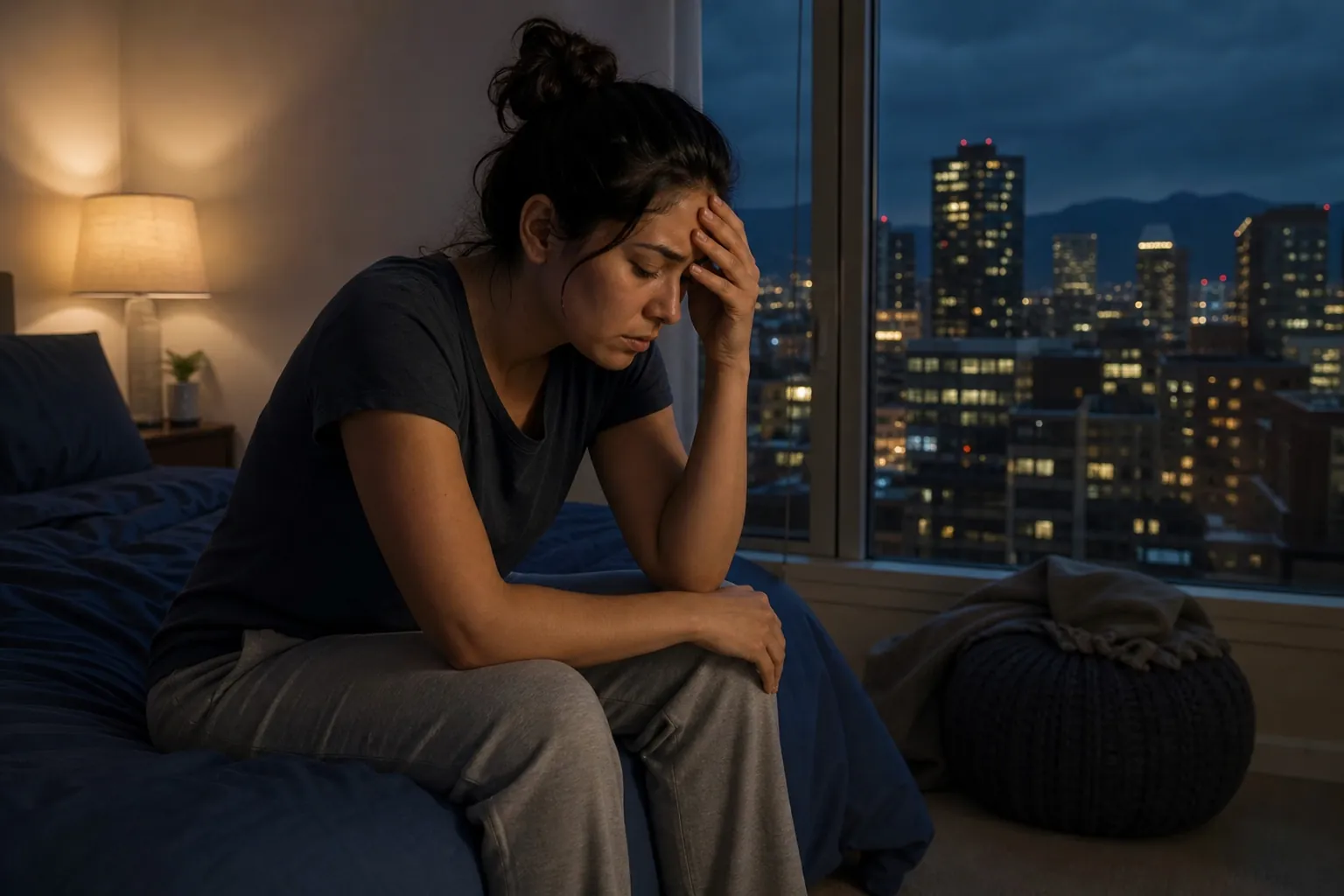
Sleep trouble may reflect trauma, another health condition, or several causes together. Breathing problems, pain, medicines, and substance use can affect rest. care approaches for PTSD in women and what trauma-informed care means support a broad assessment rather than assuming every poor night comes from trauma.
Loud snoring, gasping, or pauses in breathing deserve medical attention. These signs can point toward a sleep-related breathing problem. Severe daytime sleepiness also matters, especially when driving or using equipment. Mental health care and medical evaluation may both be needed.
Pain, hot flashes, pregnancy, and postpartum changes can interrupt sleep. Shift work and overnight caregiving can reduce the chance to rest. These factors can overlap with trauma symptoms. A careful review avoids blaming every sleep problem on one cause.
Caffeine, alcohol, cannabis, and other substances can affect sleep patterns. Feeling sleepy after using a substance does not mean sleep stays restful. A clinician needs an honest picture without judgment. Substance use does not have to be present to seek help.
Some medicines can affect alertness, dreams, or sleep timing. The National Institute of Mental Health recommends discussing medication concerns with a healthcare provider. Do not change or stop a prescribed medicine based on sleep symptoms alone. A prescriber can review possible effects and safer next steps.
Alcohol, benzodiazepine, or opioid withdrawal can be dangerous and needs medical supervision. Women’s Recovery does not provide onsite detox. A person with possible withdrawal needs medical assessment rather than relying on routine outpatient support.
What Can Make Nights Feel More Manageable?
A calm, flexible evening routine may help make nights more manageable. Routine changes support rest but do not replace care for persistent trauma symptoms. understanding trauma-informed care and working through the effects of trauma emphasize support that respects choice, safety, and each woman’s pace rather than pushing through distress.
A familiar routine can reduce the number of choices near bedtime. The aim is a gentler transition, not perfect sleep. Missing a routine does not mean the night is ruined. Caregiving, work, and shared housing may limit what is practical.
For some women, closing the eyes or focusing inward feels upsetting. A relaxation exercise is not helpful if it increases fear. A clinician can help adapt the approach. Feeling safe matters more than following a standard sleep tip.
Options should fit the person’s home and comfort level. Small changes may be easier to sustain than a strict overhaul.
- Keep waking and bedtime patterns reasonably steady when work and caregiving allow.
- Choose a quiet evening activity that feels comforting rather than demanding or upsetting.
- Adjust lighting and room sounds to support comfort without making the space feel unsafe.
- Notice whether late caffeine or upsetting media seems linked with harder nights.
- Use a simple grounding cue, such as naming familiar objects, if the approach feels helpful.
How Can Professional Care Address Sleep And Trauma?
Professional care can address sleep and trauma by assessing both nighttime distress and daytime symptoms. Treatment should fit the person’s needs and preferences. treatment approaches for women with PTSD and the meaning of trauma-informed care offer useful context, while a clinician determines which services match the symptoms.
An assessment may cover sleep patterns, mood, trauma symptoms, and daily function. A woman can begin with current concerns without sharing every painful detail. Sleep questions help identify needs; they should not become pressure to retell an event. Consent and pacing matter.
Psychotherapy means working with a therapist on thoughts, feelings, and behavior. The National Institute of Mental Health describes different therapy approaches and the importance of fit. Therapy may address fear, coping, and trauma-related distress. A separate sleep specialist may be helpful when symptoms suggest another sleep condition.
Medication may be part of care for some women. The choice depends on symptoms, health history, other medicines, and personal preferences. A prescriber should explain expected benefits, risks, and follow-up. No single medicine fits every sleep complaint or trauma history.
Care should track more than the number of hours slept. Less bedtime fear, better daytime focus, and fewer disrupted nights may all matter. Progress can vary, and sleep may change during stressful periods. Ongoing discussion helps the team adjust the plan.
Women’s Recovery provides mental health and trauma care for adult women. A substance-use diagnosis is not required to call. The program does not offer EMDR. An individual assessment determines whether the available care fits a woman’s needs.
What Care Options Are Available In Denver?
Women’s Recovery offers PHP, IOP, and outpatient care in Denver, with women returning home each evening. Assessment determines the right fit. understanding PTSD care for women and trauma-informed approaches to treatment explain care principles, but sleep symptoms alone do not determine a program level or establish admission.
PHP means partial hospitalization program, a structured daytime level of care. IOP means intensive outpatient program, which involves fewer weekly hours than PHP. Outpatient care provides a lighter schedule. These options differ in time and support, not in a woman’s worth or effort.
The care team considers symptoms, daily function, safety, and support at home. Broken sleep may affect those areas, but assessment looks beyond bedtime. A person who needs overnight medical care requires a different setting. Women’s Recovery has no inpatient, residential, or onsite detox services.
| Care Level | Usual Structure | Overnight Setting |
|---|---|---|
| PHP | 25-30 hours weekly over five days | Return home each evening |
| IOP | 9-15 hours weekly | Return home each evening |
| Outpatient | Weekly group and individual therapy | Live at home |
When Should Sleep Problems Prompt More Urgent Help?
Sleep problems need prompt assessment when exhaustion, fear, or mood changes disrupt safety or basic daily tasks. PTSD treatment options for women and safe and trauma-informed care describe treatment, not emergency services. The next step depends on current risk, not how long sleep problems have lasted.
A routine visit may suit ongoing sleep trouble without immediate danger. A marked change in sleep, behavior, or ability to cope may need urgent assessment. Very little sleep with unusual energy or confusion deserves prompt medical attention. Severe sleepiness can also create immediate driving risks.
Urgent assessment means timely review by a qualified healthcare professional. Crisis support offers help during intense emotional distress. Emergency care addresses immediate danger and serious medical symptoms. These services serve different needs and should not be replaced by an admissions request.
- Severe sleep loss comes with confusion, major behavior changes, or trouble staying safe.
- Daytime sleepiness makes driving, childcare, or other essential tasks unsafe.
- Nighttime distress occurs with thoughts of self-harm or an inability to cope.
- Breathing trouble, suspected overdose, or signs of dangerous withdrawal require urgent medical attention.
Questions about next steps? Call Women’s Recovery at 833.754.0554 or review the Women’s Recovery admissions process.
Frequently Asked Questions
Can PTSD-related sleep problems appear years after trauma?
Sleep problems can emerge or become more noticeable long after trauma. Stress, reminders, health changes, or new demands may affect rest. Timing alone cannot confirm PTSD or explain the cause. A clinician can review current symptoms and past experiences without requiring a detailed trauma account at the first conversation.
Does having nightmares mean I have PTSD?
Nightmares alone do not mean you have PTSD. Distressing dreams can occur with stress, other mental health concerns, medicines, or sleep conditions. A PTSD assessment considers a wider pattern of symptoms and their effect on life. Dreams do not need to replay an event exactly to be worth discussing with a healthcare professional.
Can I seek care without describing my trauma right away?
You can start by describing sleep trouble and how daily life feels. A trauma-informed approach respects choice and avoids forcing detailed disclosure. Clinicians may need some history to assess safety and recommend care. You can discuss what feels manageable to share and ask for an explanation of why certain information is needed.
Are pregnant and postpartum women welcome at Women’s Recovery?
Pregnant and postpartum adult women are welcome at Women’s Recovery. Individual assessment still determines whether the program fits current needs. Children and infants are not onsite, so childcare affects practical planning. Sleep concerns during pregnancy or after birth also deserve medical review, especially when mood, behavior, or the ability to function changes sharply.
What does insurance approval cover?
Insurance approval applies to the services and terms listed by the health plan. Benefits review does not establish admission or ensure payment for every service. Clinical assessment and admission are separate steps. Before starting care, the team and insurer can clarify authorization, covered services, and any patient responsibility, without promising coverage in advance.
Sources
- Psychotherapies, National Institute of Mental Health (NIH)
- Mental Health Medications, National Institute of Mental Health (NIH)
- Traumatic Events and Post-Traumatic Stress Disorder, National Institute of Mental Health (NIH)
Call 833.754.0554 to talk through next steps.