

Original article
Learning about anxiety support for women or exploring admissions at Women’s Recovery can help you consider care on your terms.
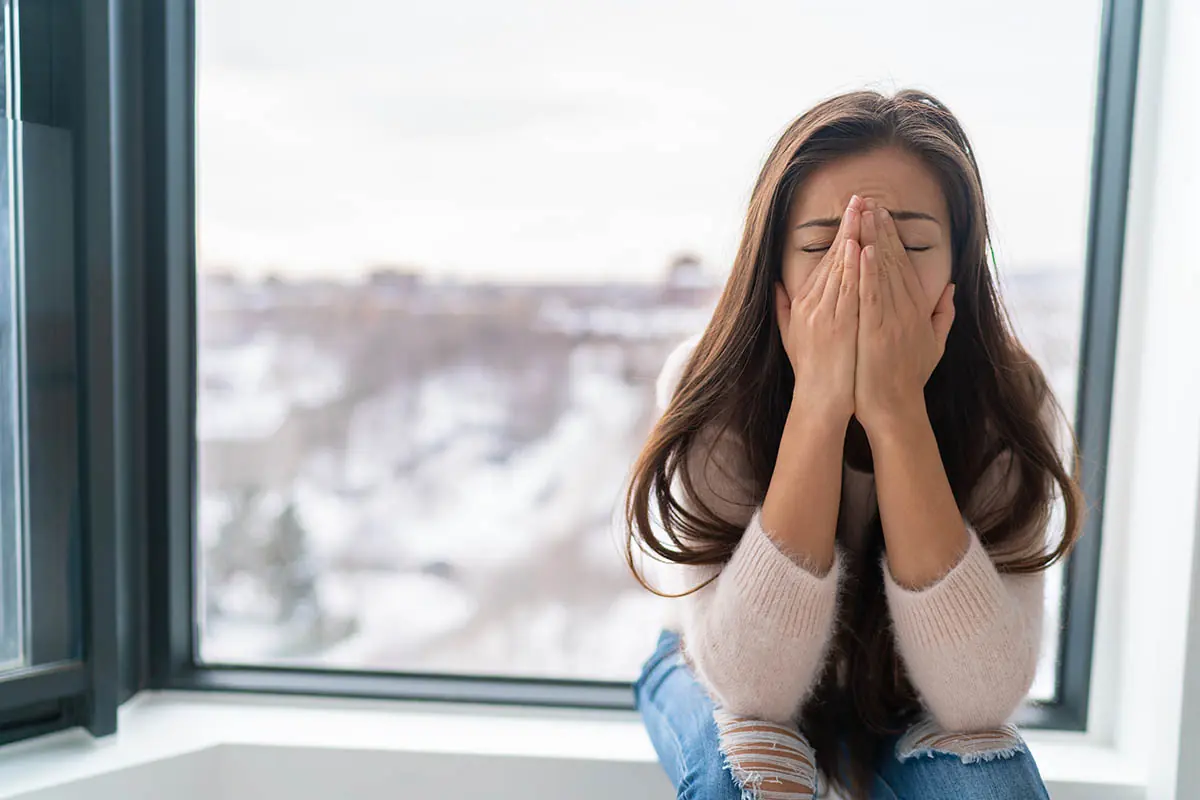
Seasonal anxiety occurs when the change of weather affects a person’s mental well-being. For many, the winter season can cause an increase in anxiety symptoms due to reduced sunlight and colder temperatures. It can be difficult to cope with the decrease in energy and motivation during this time, leading to feelings of depression and anxiety.
Although anxiety can happen anytime, this topic can be incredibly hard due to the isolation you may feel from being inside throughout the season. If you need help with your condition, an anxiety treatment program at Women’s Recovery in Colorado can help.
Winter anxiety symptoms include:
- Depression
- Irritability
- Feeling overwhelmed
- Difficulty concentrating
- Difficulty sleeping
It is essential to consult a professional for help if you are dealing with these symptoms. Women’s Recovery can offer specialized anxiety treatment for winter anxiety, including cognitive-behavioral therapy (CBT) and dialectical behavior therapy (DBT). These therapies can help you identify and work through your anxious thoughts and feelings and learn the skills needed to manage the symptoms of your condition. Call 833.754.0554 today for more information.

How to Overcome Winter Anxiety
In addition to seeking professional help, there are many things you can do to help limit your anxiety during the winter months when there is less daylight and colder temperatures. You can address your symptoms by engaging in stimulating activities, getting professional help at a women’s outpatient treatment program, or undergoing holistic therapy.
Massage Therapy
Sore muscles, stress at work and home, and the cold weather can trigger your anxiety. Massage therapy can make dealing with anxiety in the winter much more manageable. If you undergo massage one to three times a week, you may notice a significant difference in how you feel mentally and physically.
A massage therapist can reduce stress and help you relax while promoting healing and overall wellness. In addition, massage therapy produces positive energy and promotes spiritual healing and self-improvement. Substance abuse treatment programs often include massage therapy to help clients with co-occurring disorders like addiction and anxiety.
Practice Journaling
You may not know why you have a hard time this topic. Journaling helps you better know yourself and express your thoughts and feelings. When you journal, you discover what is going on inside you, causing your feelings of anxiety. Journaling also helps you to take control of your thoughts. Your anxiety then becomes more manageable. Journaling can help you redirect your thoughts through a sort of self-talk therapy.
Try Acupuncture
How does acupuncture help with anxiety and depression? In traditional Chinese medicine, “qi” is the energy that flows through your body. Qi flows through your body on channels that specialists call meridians. When the energy is blocked, you may experience emotional symptoms. The symptoms can become more intense if you suffer from seasonal anxiety.
Acupuncture targets areas where the flow of energy is blocked to stimulate the flow once again. The technique can help ease anxiety and depression symptoms, as well as treat any underlying causes of your winter anxiety.

Seek Professional Help
If you have severe anxiety, you may want to seek counseling or therapy during the winter months. A mental health program offers a variety of professional treatments, such as:
- Cognitive-behavioral therapy
- Dialectical behavior therapy
- Individual therapy
- Group therapy
- Family therapy
- Holistic treatment
Get Some Sleep
There are several things you can do to improve your sleep. For instance, avoid caffeine, alcohol, and nicotine. They all interfere with a good night’s sleep. Also, create an environment that allows you to sleep. Draw the shades, set the thermostat between 68 and 72 degrees, invest in a comfortable mattress and pillow, and reduce noise as much as possible. Last, set a consistent sleep schedule and try to eliminate napping from your daily routine.
Oil Diffusers and Essential Oils
While essential oils do not cure anxiety, they can relieve psychological and physical symptoms linked to depression. Exposure to essential oils can improve your sleep and produce a calming effect. Essential oils can reduce the symptoms of anxiety.
Some of the most popular essential oils aromas include lavender, eucalyptus, peppermint, grapefruit, frankincense, and balsam. These have a significant effect on your mood and can relieve symptoms of depression and anxiety. Try adding a few drops of essential oil to your diffuser and enjoy the relaxing aroma that will help you relax.

Take Care of Yourself
Take a break from the demands of your life and look for ways to relax. Get enough rest, balance sleep and exercise, eat healthy, and practice self-care. Make time for activities you love, like painting or reading. Taking care of your body helps to reduce stress and winter anxiety symptoms.
Are You this topic? Contact Women’s Recovery
If you are this topic and need anxiety treatment in Colorado, we can help. Contact Women’s Recovery at 833.754.0554 or contact us online to learn more about our anxiety treatment program. Let our treatment professionals help you with winter anxiety.