
Body Signs After Trauma: Anxiety And Care In CO

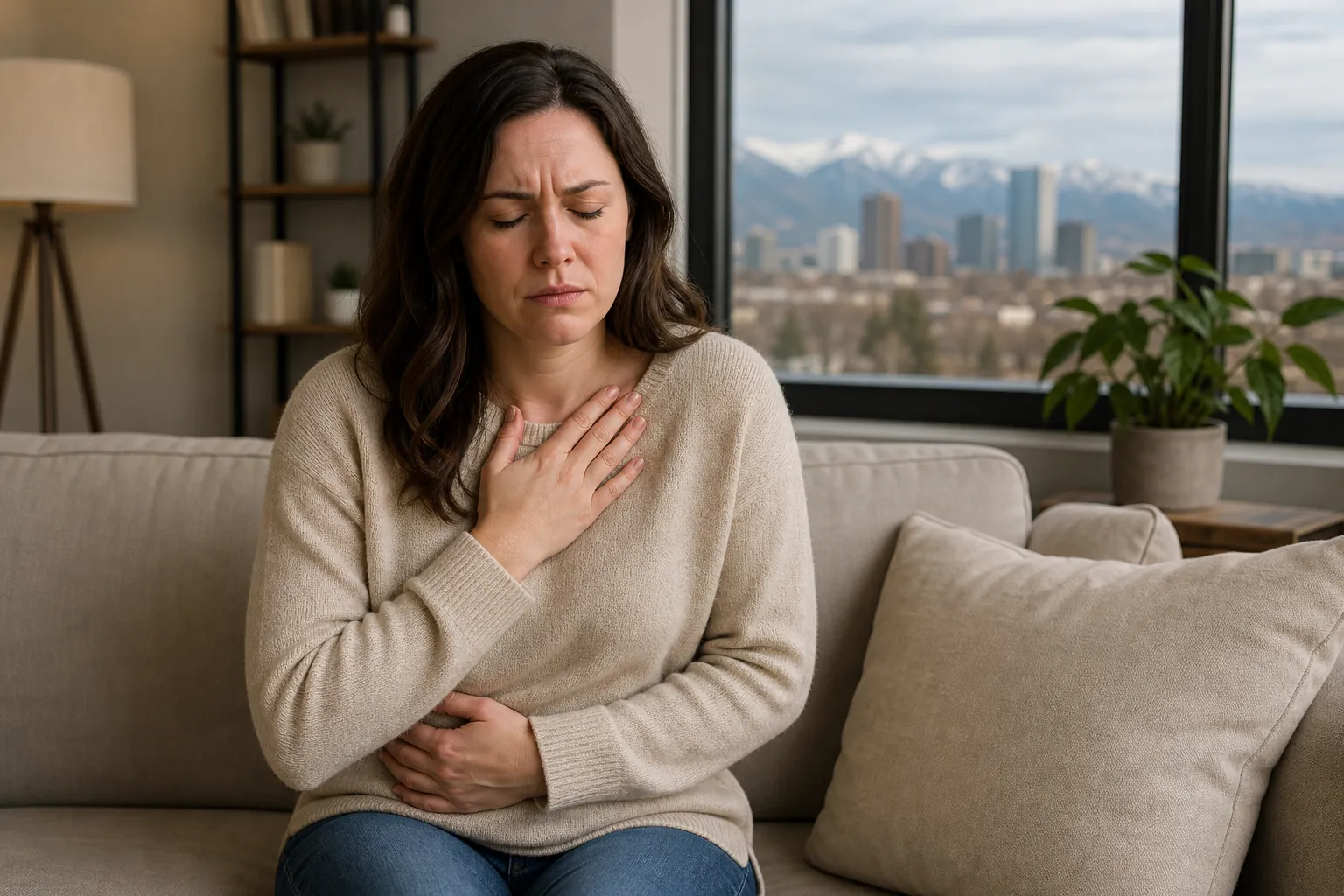
Body symptoms of trauma women mistake for “just anxiety” can include tense muscles, stomach upset, and shaking. Poor sleep and a racing heart may occur too. These signs overlap with anxiety and physical illness. A medical check and assessment of past trauma can help explore possible causes. These signs alone don't prove trauma caused them.
What Body Symptoms Of Trauma Can Women Mistake For Anxiety?
Body symptoms of trauma women mistake for “just anxiety” may include tight muscles, nausea, shaking, and a pounding heart. These signs don't prove trauma is the cause. Exploring what trauma informed care means and dealing with family trauma can help place these symptoms in a wider context.
Some women first notice discomfort rather than fear or sadness. Your jaw may stay clenched during a routine workday. Your stomach may churn before seeing a certain person. You may feel worn out after a night spent waking often.
Other women notice a strong startle response or trouble settling down. A sudden sound may bring a rush of heat. A tense conversation may leave your hands shaking long afterward. These experiences deserve attention, even when you can't name a clear emotion.
The pattern matters more than any single symptom. Symptoms might follow conflict, reminders of an upsetting event, or lost sleep. They may also arise without a clear trigger. An unclear pattern doesn't make the discomfort less real.
- Muscle tension may show up as a tight jaw, sore neck, or aching shoulders.
- Stomach distress may include nausea, cramps, or a sudden change in appetite.
- A racing heart or shallow breathing may occur during moments of stress.
- Broken sleep may leave you tired, tense, or less able to focus.

Why Can Trauma Feel Like A Physical Health Problem?
Trauma can affect the body's stress response, which prepares people to react to danger. That response may feel physical before fear becomes clear. the basics of trauma informed care and ways to address past trauma explain why care should consider both body sensations and emotional needs.
The stress response can change breathing, muscle tension, and alertness. After a frightening experience, some people feel ready for danger even in safer settings. A reminder may be obvious, like shouting. A smell, tone of voice, or place may be harder to connect.
The body can react before you form a clear thought. You might feel your chest tighten while saying that everything is fine. That gap can feel confusing or embarrassing. You don't need to explain the whole reaction for the distress to count.
Some women have learned to put other people's needs first. They may call their distress ordinary stress and keep going. Work demands, caregiving, and a lack of sleep can further blur the picture. These pressures don't establish a trauma diagnosis.
Trauma does not always lead to a lasting mental health condition. PTSD, or post-traumatic stress disorder, is one possible condition after trauma. Physical signs alone cannot show that someone has PTSD. A clinician looks at a wider set of symptoms and their effects.
SAMHSA's mental health guidance describes links among emotional, social, and physical well-being. That supports looking at the whole person rather than one symptom. Physical care and mental health care can work together. Neither should replace the other when both are needed.
How Can You Tell Trauma, Anxiety, And Illness Apart?
Body symptoms alone cannot reliably separate trauma, anxiety, and physical illness. A health professional can review the pattern, medical history, and daily impact. Resources on how trauma informed care works and treatment for PTSD in women describe care approaches, but neither replaces an individual assessment of new symptoms.
Anxiety is a feeling of worry or fear that can have physical effects. Trauma-related distress can include anxiety, so the two can overlap. A person may have both concerns. Similar feelings in the body don't always have the same cause.
Physical health conditions can also affect sleep, energy, breathing, and heart rate. Medicines, caffeine, and other substances may play a part. A medical visit can help sort through these possibilities. A mental health label should not end that review.
You don't have to track symptoms before seeking help. During a visit, a clinician may explore when symptoms began and what changed. You can share what you remember and say when you're unsure. A full written history isn't a requirement for asking for care.
- Symptoms that begin suddenly deserve attention, even during a stressful period.
- Symptoms that change in strength or pattern may need a fresh medical review.
- Symptoms linked with reminders can offer clues without proving a trauma diagnosis.
- Symptoms that disrupt work, eating, sleep, or relationships deserve professional support.
When Do Physical Symptoms Need Urgent Medical Care?
New, severe, or rapidly worsening physical symptoms need medical attention rather than an assumption of anxiety. Immediate danger requires emergency care, not a therapy intake. Information about the principles of trauma informed care and care for PTSD in women can support later treatment, but cannot rule out medical emergencies.
Severe chest pain, major trouble breathing, fainting, or sudden weakness may signal an emergency. Don't wait to see whether a grounding exercise helps. A past history of panic or trauma does not rule out a new medical problem.
Call 911 for an emergency or immediate danger, or call 988 for the Suicide and Crisis Lifeline. Crisis support can help with severe emotional distress or thoughts of suicide. Emergency care is the right path when life or physical safety is at immediate risk.
An urgent clinical assessment serves a different purpose from crisis support. A clinician can assess distress that needs prompt attention without an immediate threat to life. The clinician may recommend medical care, mental health care, or both. Routine admission steps should never delay emergency care.
Stopping or cutting back on alcohol, benzodiazepines, or opioids can cause dangerous withdrawal. Medical supervision is important when withdrawal may be involved. MedlinePlus describes how drug use can affect health and require treatment. Women's Recovery does not provide onsite detox.
You don't need to be certain about the cause before seeking help. Describe the symptoms and how quickly they changed. Emergency or medical staff can assess what happens next. Finding the right setting comes before working out a long-term trauma treatment plan.
What Happens During A Trauma-Informed Assessment?
A trauma-informed assessment explores symptoms, safety, health history, and daily needs while respecting choice and pace. Detailed disclosure should not be the price of asking for help. what trauma informed care involves and support for dealing with family trauma provide context for a respectful conversation about care.
Trauma-informed means recognizing how past harm may shape present needs. The approach aims to reduce avoidable distress during care. You can say that a topic feels too hard to discuss. A clinician can explain why certain information matters and discuss how to proceed.
The conversation may cover sleep, pain, panic, mood, and substance use. The clinician may explore how symptoms affect meals, work, and relationships. Medical concerns or withdrawal risk may call for another setting. The goal is to assess needs, not force every symptom into one label.
The National Institute of Mental Health describes psychotherapy as treatment that addresses troubling thoughts, emotions, and behaviors. Psychotherapy is often called talk therapy. Choosing care involves discussing goals, treatment methods, and fit. Physical symptoms may still need a separate medical evaluation.
At Women's Recovery, adult women can seek mental health and trauma care. A substance-use diagnosis is not required to call. Pregnant and postpartum women are welcome, though children and infants are not onsite. An individual assessment determines whether the available services fit.
An admissions conversation, clinical assessment, and admission decision are separate steps. Talking with admissions does not establish a diagnosis or confirm placement. Staff can explain the process and the care offered. You can ask for help without having the right clinical words.
What Can Help When Your Body Feels On Alert?
Gentle grounding may help some women manage a stress response while they seek care. Grounding means bringing attention to the present, without forcing calm. ways to work through past trauma and understanding trauma informed care offer context for support that respects comfort, choice, and personal limits during difficult moments.
No single coping tool feels safe or useful for everyone. Closing your eyes may feel calming to one person and unsafe to another. Focusing on breathing may increase distress for some people. A clinician can help find approaches that suit your needs.
Simple changes may reduce strain while you arrange care. A quieter room or a break from a tense exchange may help. These steps don't identify the cause of symptoms. They also don't replace medical evaluation for new or concerning physical changes.
- If comfortable, notice a few neutral objects in the room around you.
- If comfortable, feel where your feet or chair support your body.
- Consider moving to a quieter space when noise adds to distress.
- Pause a coping exercise if the practice makes you feel worse.
How Can Women Find The Right Level Of Support?
The right level of support depends on safety, symptom burden, daily function, and medical needs. More treatment hours aren't automatically the right fit. Learning about PTSD treatment options for women and ways to address past trauma can help frame goals before a clinician recommends a level of care.
Women's Recovery provides care in Denver for adult women. Services include a Partial Hospitalization Program, Intensive Outpatient Program, and outpatient treatment. These are called PHP, IOP, and outpatient care. Women go home each evening, and assessment determines fit.
PHP offers the most weekly structure among these services. IOP provides several sessions each week, with morning and evening tracks. Outpatient care includes a weekly group and individual therapy. A program's usual structure does not confirm a schedule for any one person.
Every level includes weekly individual therapy, a case manager, and psychiatric care. Contact with chosen support people is based on consent. Women's Recovery does not offer onsite detox, residential care, or inpatient care. Medical or safety needs may require referral to another setting.
The aim of seeking support is to understand symptoms and address their impact. You don't need to decide that trauma is the cause first. Start with the concerns that affect your life now. The clinical team can help assess the next step.
| Program | Usual Structure | Living Arrangement |
|---|---|---|
| PHP | Daytime care across five days | Home each evening |
| IOP | Several weekly sessions | Home each evening |
| Outpatient | Weekly group and individual therapy | Home each evening |
Questions about next steps? Call Women’s Recovery at 833.754.0554 or review the Women’s Recovery admissions process.
Frequently Asked Questions
Can physical distress happen without clear memories of trauma?
Physical distress can happen without a clear memory or obvious trigger. That does not prove that hidden trauma caused the symptoms. A clinician can focus on present symptoms without pressuring you to recover memories. Medical causes and current stress still deserve attention, even when the past feels unclear.
Does feeling numb mean my body is not under stress?
Feeling numb does not rule out distress or a stress response. Some people feel detached or shut down rather than visibly upset. Numbness can have several causes, so the feeling alone does not establish trauma. A clinician can explore emotional changes alongside sleep, medicines, substance use, and physical health.
Can trauma-related symptoms show up long after an event?
Trauma-related distress may become noticeable long after an event, but timing alone cannot explain a symptom. A new stressor or reminder may bring old concerns into focus. New physical symptoms still need medical attention when appropriate. A clinician can review both recent changes and past experiences without assuming one cause.
Do I need to confront a family member before getting help?
You do not need to confront a family member to seek care. Treatment can focus on your symptoms, safety, boundaries, and choices. Contact with others may be unhelpful or unsafe in some situations. At Women's Recovery, stakeholder contact is consent-based, so family involvement is not something to assume.
What happens after benefits review?
After benefits review, the team can explain the information available about your plan and next steps. Benefits review does not confirm coverage or admission. A separate clinical assessment determines care needs and program fit. Coverage decisions may involve the health plan, so unresolved details need clarification before you rely on them.
Sources
- Psychotherapies, National Institute of Mental Health (NIH)
- Drug Use and Addiction, MedlinePlus (NIH)
- What Is Mental Health?, SAMHSA
Call 833.754.0554 to talk through next steps.