




Denver's women-only program for mental health, trauma and substance use.Call Admissions 833.754.0554
Call 833.754.0554Verify Insurance

Care for women with accessibility needs in Denver, CO

Your symptoms made sense. We treat what they were managing.

You’re functioning on the outside and running on empty on the inside. That’s enough reason to call. Healing begins in our Partial Hospitalization Program: a focused day of care for women in Denver, and home every night.

You deserve to understand your options and decide what feels right, with support from trusted people if you choose.

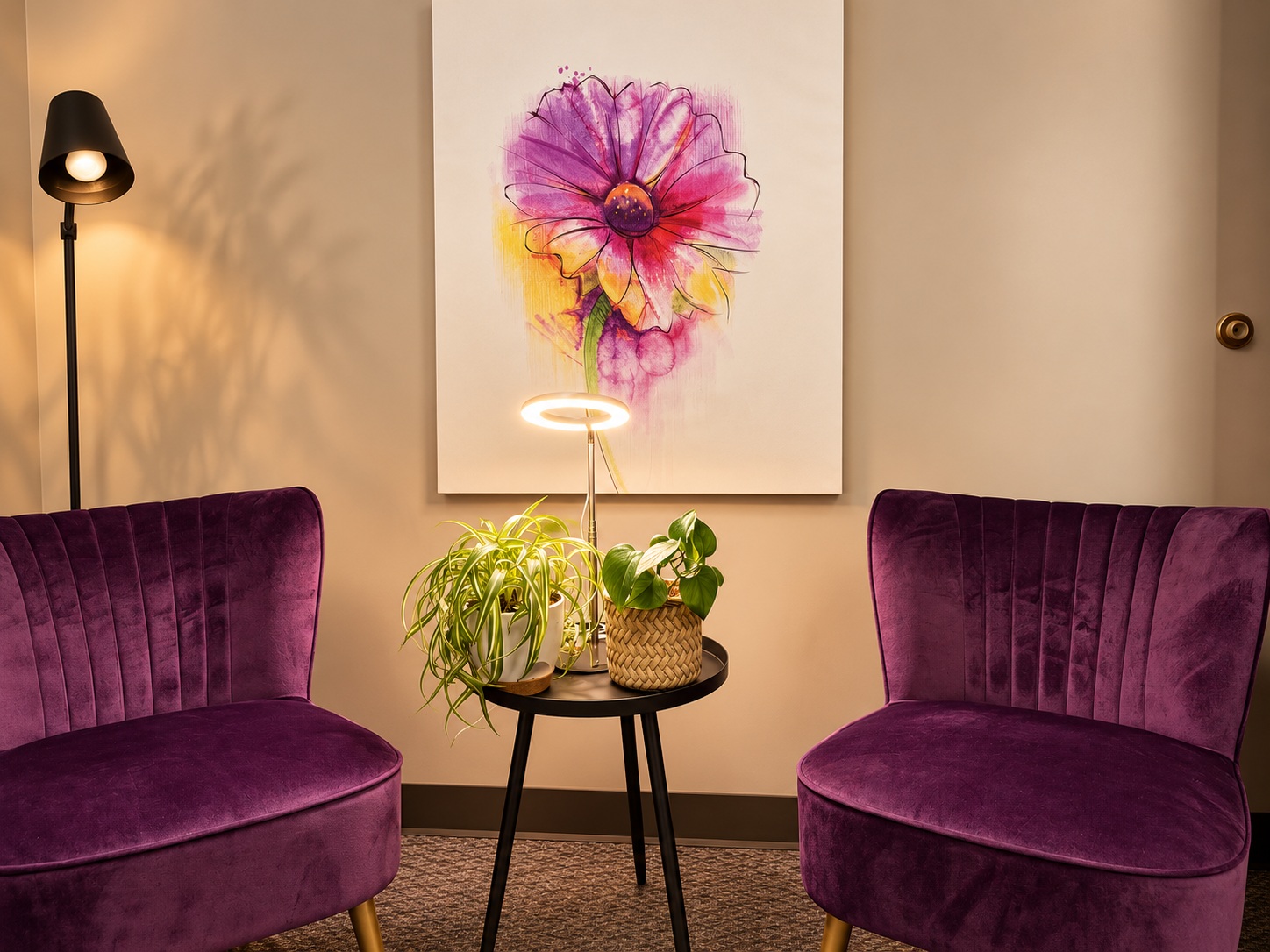
Plum chairs, table and flower painting

A look at our space

These are rooms at our Denver office. You spend the day here, and you go home at night.

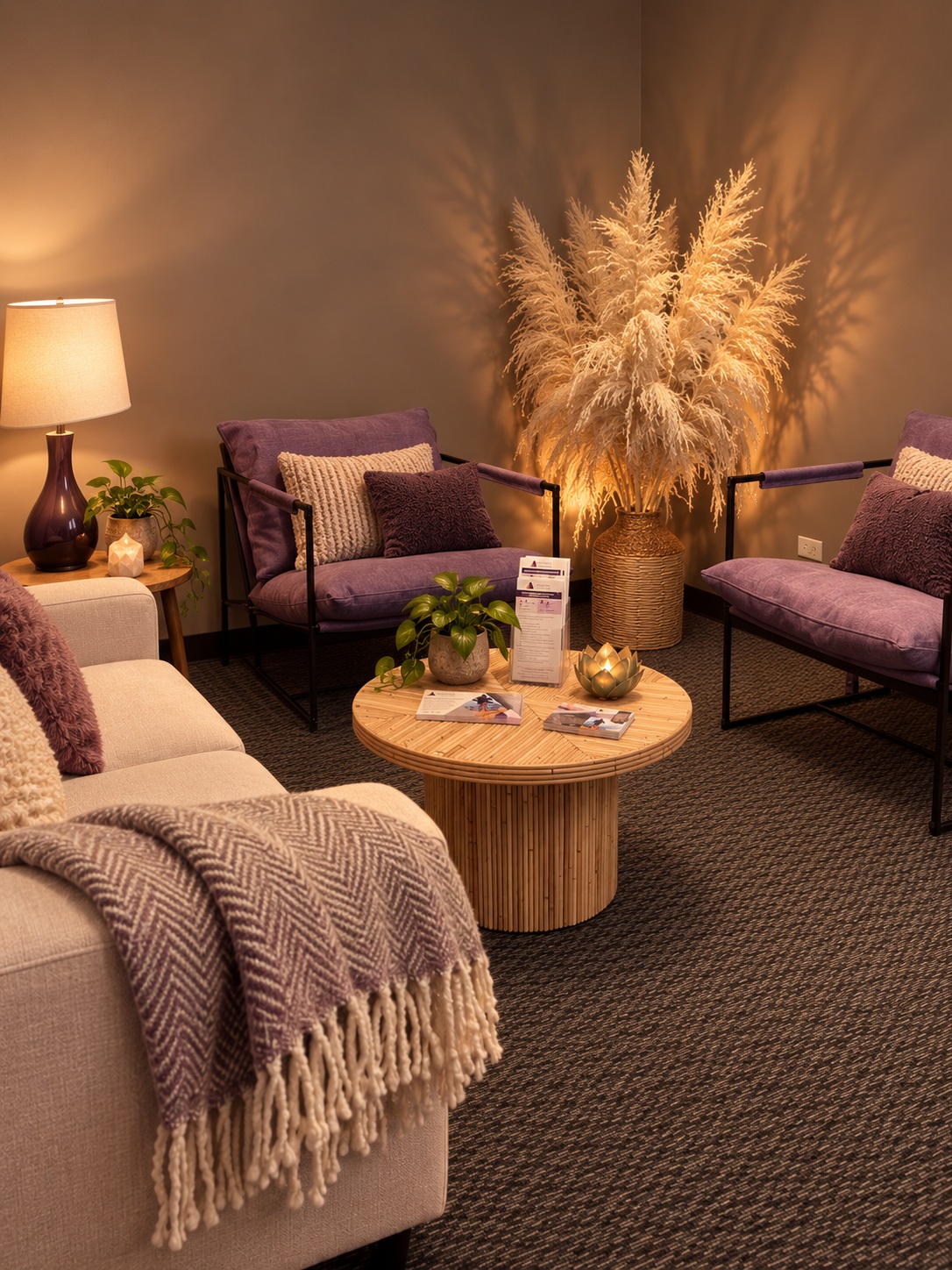
Seating area with a sofa, round table, plants and artwork at Women’s Recovery Lounge with purple chairs, cream sofa and table Lounge with purple chairs and dried flowers Dark sofa and coffee table in a furnished room Plum armchairs beside a window table Entrance to the Belcaro Place building with the number 3801 above the doors

Why can mental health support matter for women with accessibility needs?

Care for women with accessibility needs can be more useful when emotional, psychological, and social well-being are considered alongside substance use. Reviewing mental health treatment information and substance use and addiction treatment can help you understand how these concerns may overlap.

01

Mental health is part of overall health and quality of life.

Stress, anxiety, low mood, or social strain can affect how manageable daily responsibilities and recovery feel. Women may experience some mental health conditions differently, but no single pattern applies to everyone. Care should focus on your actual experiences, goals, communication preferences, and circumstances rather than making assumptions based on gender or accessibility needs.
02

Substance use disorders are treatable medical conditions, not evidence of weak character.

Possible signs include using more or longer than intended, strong cravings, continued use despite problems, or withdrawal symptoms. Only a qualified professional can diagnose a substance use disorder. Support can help you describe what is happening, understand suitable treatment settings, and address mental health concerns that may influence your well-being and recovery.

Seating area with a sofa, round table, plants and artwork at Women’s Recovery

What can help women with accessibility needs care for mental health during recovery?

Small, sustainable forms of self-care can support mental health during recovery, especially when they fit your body, energy, access needs, and daily life. You can explore addiction treatment programs for women while also reviewing mental health treatment information to consider support beyond self-care alone.

01

What can help women with accessibility needs care for mental health during recovery?

Self-care can include regular meals, hydration, movement that is appropriate and accessible for you, restorative routines, and time for activities that help you live well. These actions may support energy, focus, stress management, and physical health. Adaptation is valid. Movement does not need to follow one format, and small actions still count when pain, fatigue, mobility, sensory needs, or other barriers affect your day.

02

Emotional and social well-being matter too.

A private conversation with someone you trust can ease the burden of keeping concerns to yourself and help you feel less isolated. You decide whom to involve, what to share, and whether you want assistance finding care. Self-care and personal support can complement treatment, but persistent or disruptive concerns may call for assessment and structured professional help.

When might women with accessibility needs benefit from professional support?

Professional support may help when substance use, emotional distress, or changes in daily functioning feel difficult to manage or continue despite your efforts. Learning about addiction treatment for women and treatment program options can show how care may extend beyond willpower or self-care.

01

When might women with accessibility needs benefit from professional support?

You might consider professional support if you are using a substance more often or longer than intended, experiencing strong cravings, continuing despite harmful consequences, or finding it hard to cut back. These experiences can occur at different levels of severity. An appropriate assessment can clarify what you are experiencing and help identify a treatment setting that matches your needs rather than forcing you into a single path.

02

Mental health changes can also deserve attention when they affect sleep, relationships, concentration, self-care, responsibilities, or your sense of connection.

Women’s experiences vary, and accessibility barriers may add stress without explaining every concern. Professional care can consider emotional, psychological, social, and substance-related factors together. If medication is part of your care, prescribing and medication-change decisions belong with the clinician responsible for that treatment.

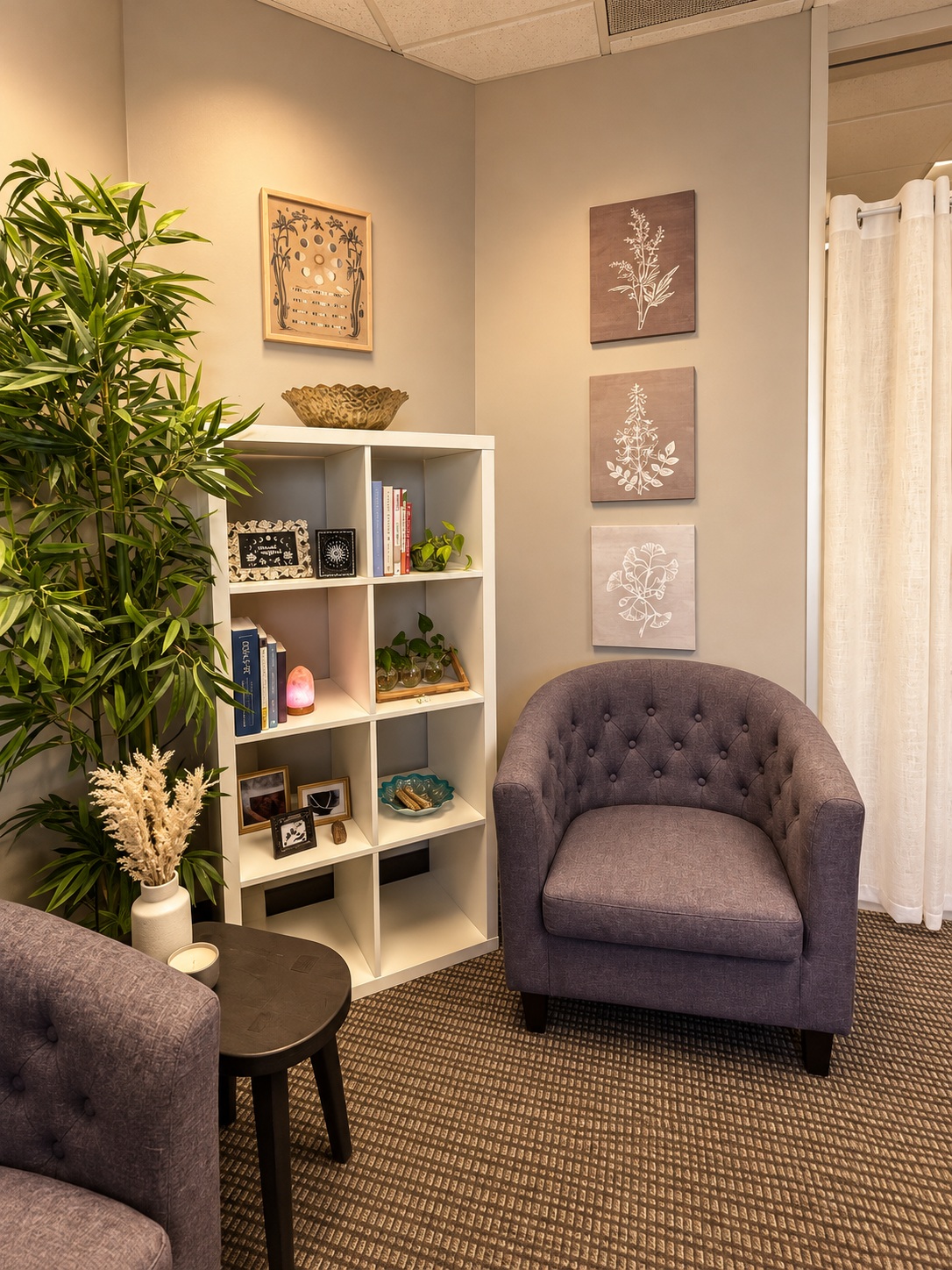
Two upholstered chairs and a bookshelf in a Women’s Recovery office

What should women with accessibility needs look for in a therapist?

A therapist should offer relevant experience, a clear treatment approach, and a relationship in which you feel respected and comfortable. Exploring mental health treatment information for women and support for families and loved ones can help you consider both private care and chosen support.

01

Therapists differ in professional background, specialties, training, and methods.

A preliminary conversation can clarify the therapist’s credentials, relevant experience, proposed approach, and reasons for using it. It can also show whether explanations are understandable and whether communication feels collaborative. Rapport and trust are essential because therapy may involve deeply personal experiences, and useful care depends on your ability to participate honestly and with confidence.

02

Access is part of therapeutic fit.

A concrete conversation can cover the communication format you need, how information is shared, whether the setting supports your physical or sensory access, and how privacy is protected. It can also establish whether a support person may participate with your consent and when you can speak privately. You have the right to express preferences, set boundaries, and decide whether the relationship feels suitable.

How can women with accessibility needs begin finding help?

Finding help can begin with one private, manageable conversation, whether you speak with someone you trust or contact a care team directly. Admissions information can orient you to an initial conversation, while the Women’s Recovery contact page offers a direct way to connect in Denver.

01

Choose the kind of first contact that feels most accessible to you, such as a phone conversation or help from a trusted person.

A comfortable, private setting may make it easier to talk openly. You can describe the substance use or mental health concerns affecting you and share communication or access needs when ready. Clear, honest information helps a professional understand your circumstances and possible level of support.

02

You do not need to surrender control to start a conversation.

You can decide how much to share, whether a loved one participates, and whether you want time before choosing care. For clear guidance about Addiction Treatment Support for Women with accessibility needs for women in Denver, call Women’s Recovery at 833.754.0554. The team is located at 3801 E Florida Ave, Ste 650, Denver, CO 80210.

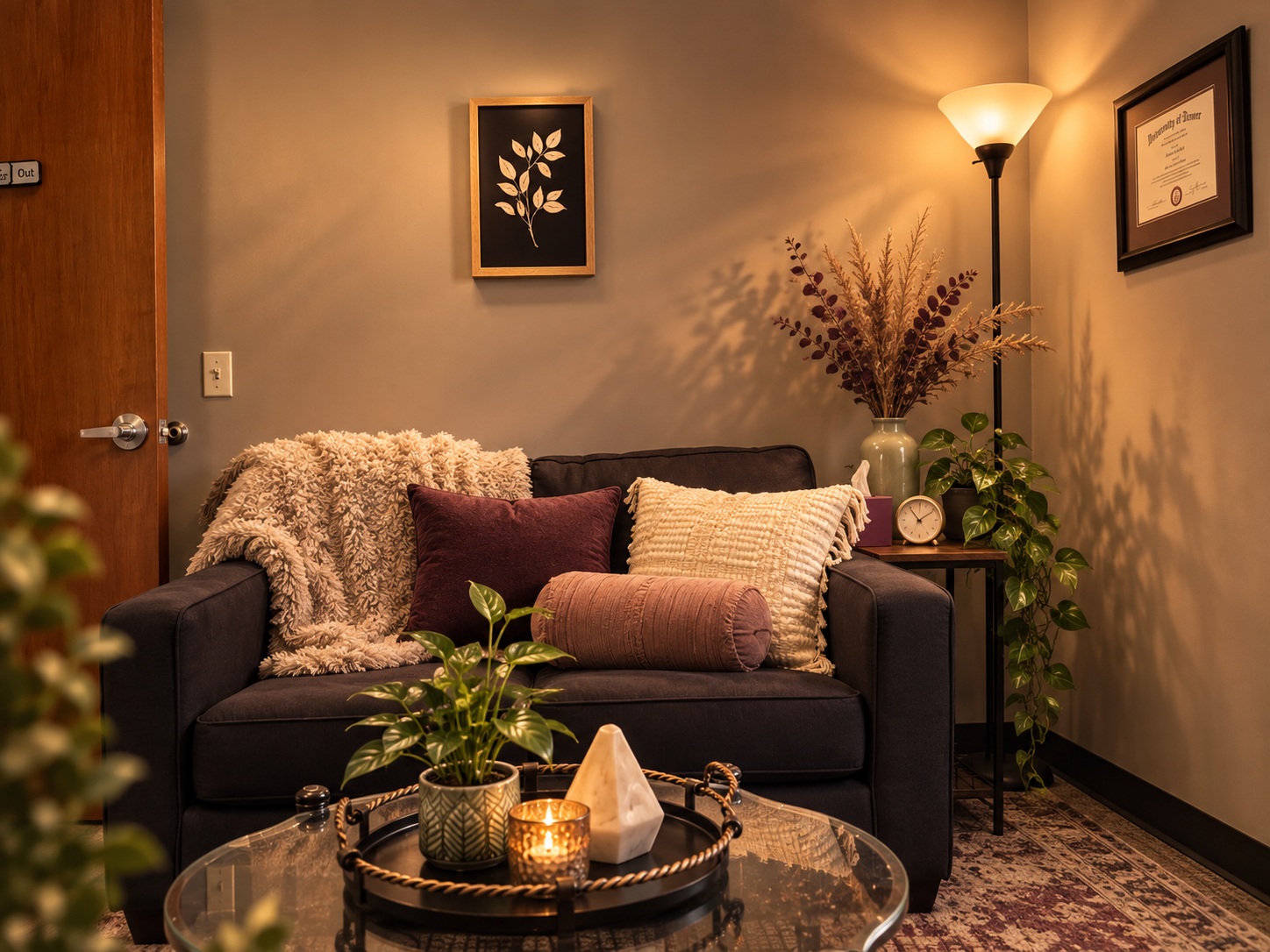
Dark sofa and coffee table in a furnished room

Common questions

Explore for the people who love her and contact us for related guidance. Call admissions when you want to discuss your own situation.

Call Admissions
01 Will accessibility needs change what addiction treatment means for me?

Accessibility needs do not define your motivation, abilities, or recovery goals. They may affect how comfortably you communicate, travel, receive information, or participate in care. Appropriate support respects your autonomy and makes room for the access arrangements that help you understand options and make your own decisions.

02 Can a family member or trusted person help me seek care?

A trusted person can listen, reduce isolation, help you locate care, or join conversations when you want that support. You remain in control of what they hear and how involved they are. Private conversations should also remain available when you prefer to speak independently.

03 How can I tell whether a therapist is a good fit?

A preliminary conversation can clarify whether communication methods, physical access, privacy, and participation options fit your needs. It can also help you assess the therapist’s experience, approach, and ability to build trust. Comfort matters because therapy often includes personal subjects and requires honest communication.

04 Is self-care enough during addiction recovery?

Self-care can support recovery, stress management, energy, and overall well-being, but it does not replace professional care when substance use or mental health concerns are disrupting your life. Treatment decisions should reflect your individual needs, symptoms, preferences, and the appropriate level of professional support.

05 How can I contact us?

You can call Women’s Recovery at 833.754.0554 for a conversation about your concerns and possible next steps. Women’s Recovery is located at 3801 E Florida Ave, Ste 650, Denver, CO 80210. You may share access or communication needs at the pace that feels comfortable.

If you can't believe that yet, borrow my hope. Just long enough to find your own.

Women’s Recovery graduate

Start with one conversation. Tell us what you're carrying. We'll walk you through the next step and verify your benefits.