






Denver's women-only program for mental health, trauma and substance use.Call Admissions 833.754.0554
Call 833.754.0554Verify Insurance

Morphine use treatment for women in Denver

Your symptoms made sense. We treat what they were managing.

If morphine is part of what you’re carrying, we start with mental health and trauma. Healing begins in our Partial Hospitalization Program: a focused day of care, and home every night.

You deserve a conversation that respects your concerns, circumstances and choices.

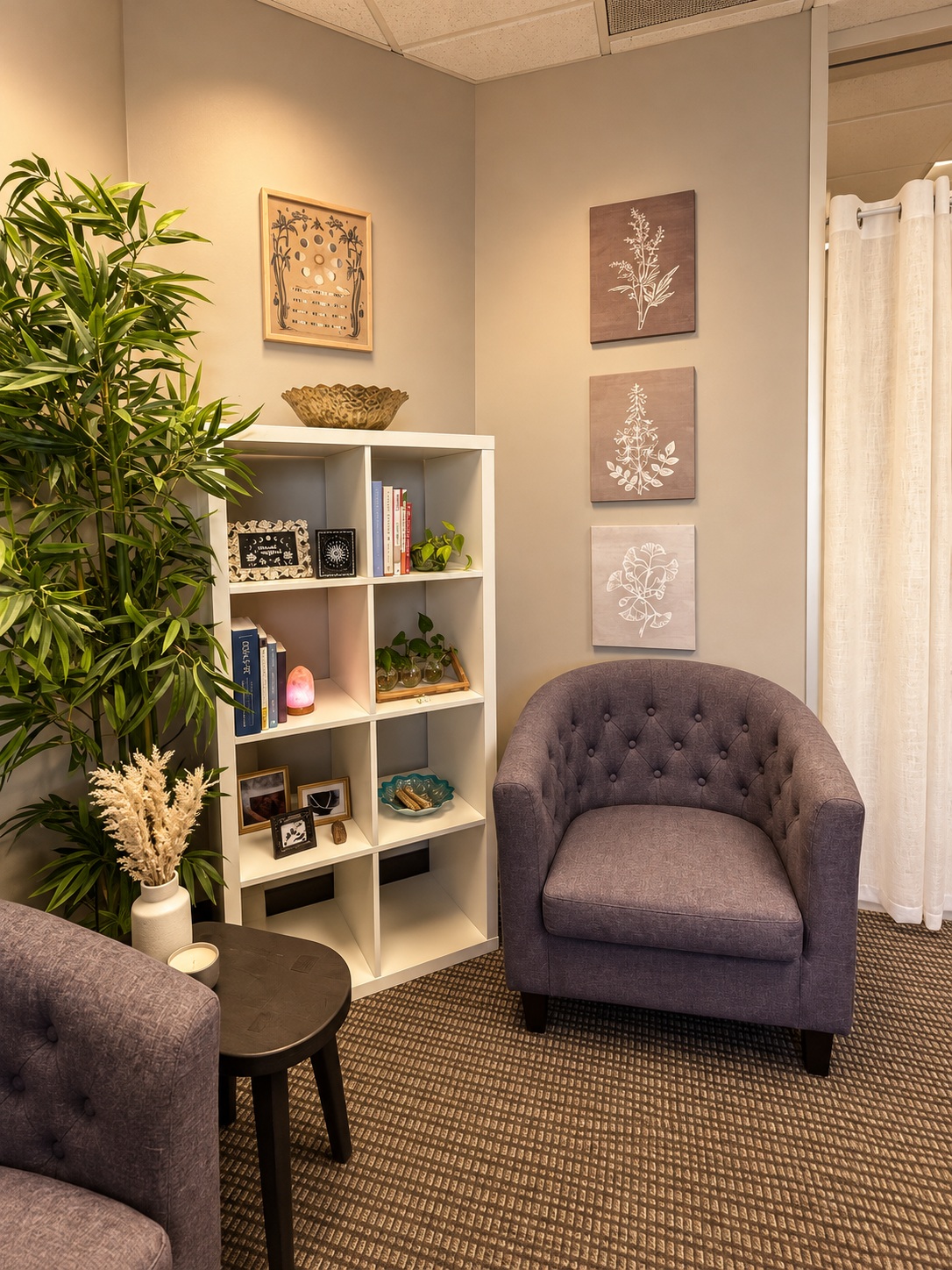
Two upholstered chairs and a bookshelf in a Women’s Recovery office

A look at our space

These are rooms at our Denver office. You spend the day here, and you go home at night.

Seating area with a sofa, round table, plants and artwork at Women’s Recovery Lounge with purple chairs, cream sofa and table Lounge with purple chairs and dried flowers Dark sofa and coffee table in a furnished room Plum armchairs beside a window table Entrance to the Belcaro Place building with the number 3801 above the doors

Is morphine addictive?

Yes. Morphine is a prescription opioid that can be addictive, particularly when misused. opioid addiction treatment for women admissions at Women’s Recovery

01

Morphine is a natural opioid made from the seed pods of the opium poppy plant.

It is prescribed to relieve severe, acute pain, but being prescribed does not remove its potential for addiction. Risk can become especially concerning when morphine is taken in a way that differs from the prescription, used without a prescription or combined with other drugs for stronger intoxicating effects. Recognizing this risk is useful because it can lead to timely, individualized care rather than shame.

02

Only a qualified professional who understands your circumstances can assess whether your experience meets criteria for opioid use disorder.

An assessment may consider what you take, whether use has changed, how it affects daily functioning and whether other substances are involved. Morphine Addiction Treatment guidance for women in Denver should turn those details into a suitable recommendation rather than relying on one sign alone. If morphine was prescribed, decisions about continuing or changing it belong with your treating prescriber.

Dark sofa and coffee table in a furnished room

What can treatment for Morphine involve?

Treatment can involve an individual assessment, psychotherapy and a level of support matched to your needs. Options worth understanding include morphine outpatient addiction treatment for women and a morphine Intensive Outpatient Program (IOP) for women. Education about these options is not an individual recommendation.

01

Psychotherapy, also called talk therapy, includes treatments intended to help you identify and change troubling emotions, thoughts and behaviors.

It commonly takes place one-to-one with a licensed mental health professional or alongside other patients in a group. For morphine-related concerns, therapy can provide structured space to understand patterns surrounding use, emotional distress and their effects on your life. This work has practical value when it strengthens functioning and helps you make deliberate recovery choices.

02

The right intensity of treatment depends on an individual clinical assessment, not simply the fact that morphine is involved.

Your current use, overall health, daily functioning, environment and involvement with other opioids or substances may all matter. Morphine Addiction Treatment information in Denver can explain broad care formats, but education cannot determine which one fits you. Appropriate care connects what you are experiencing with professional support at a level that is responsive to your actual needs.

How can care address Morphine and daily life?

Care can connect morphine-related concerns with the emotions, behaviors and responsibilities shaping your days. Morphine Partial Hospitalization Program (PHP) information for women explains one structured format, while morphine outpatient treatment information offers context about another. The appropriate fit requires an individualized recommendation.

01

Morphine concerns do not occur separately from emotional, psychological and social well-being.

Treatment can examine how troubling thoughts, emotions or behaviors interact with use and how these patterns affect relationships, responsibilities and quality of life. Psychotherapy aims not only to relieve symptoms but also to maintain or improve daily functioning. That broader focus can help you work toward stability that matters outside treatment, rather than defining progress only by what happens during a clinical appointment.

02

Daily care for yourself may complement treatment and recovery by supporting physical and mental health.

Useful routines can include movement, rest and small actions that help you live well, manage stress and maintain energy. These actions are not substitutes for appropriate treatment when morphine use is causing concern. Their value is in giving your days more structure and supporting the therapeutic work of changing difficult patterns. Clear guidance about this topic can keep both needs in view.

Dark sofa with patterned pillows and a glass table

What goals can support recovery from Morphine?

Helpful goals may include changing harmful patterns, improving daily functioning and building a better quality of life. You can explore the broader context of opioid addiction treatment for women or review morphine Intensive Outpatient Program (IOP) information while remembering that your goals and care level should be individualized.

01

A recovery goal becomes more meaningful when it connects to your lived experience.

Psychotherapy may help you recognize troubling thoughts, emotions and behaviors, then work toward changes that support relief and more consistent functioning. Depending on your circumstances, progress may involve greater stability in everyday responsibilities, healthier responses to distress or improved connection with people who matter to you. Appropriate care helps organize these aims into a coherent direction while leaving room for your priorities and choices.

02

Quality of life is a legitimate treatment goal, not an extra that matters only after other concerns are resolved.

Emotional, psychological and social well-being all contribute to overall health. Small acts of self-care can support recovery by helping with stress, energy and physical well-being, while clinical treatment addresses patterns requiring professional attention. Support connected with this topic can therefore consider both immediate concerns and the daily life you want to strengthen over time.

How can you begin finding help for Morphine?

You can begin with a private, conversation about what is happening and what kind of support may fit. Review admissions at Women’s Recovery or contact Women’s Recovery at 833.754.0554. Reaching out gathers context and possible next steps; it does not obligate you to enter care.

01

How can you begin finding help for Morphine?

Seeking help can be appropriate if you are worried that morphine is being taken differently from its prescription, used without a prescription or combined with other drugs for intoxicating effects. You do not need to decide for yourself whether opioid use disorder applies before beginning a conversation. A professional assessment can place your concern within your broader health and daily life, then help distinguish general education from a care recommendation tailored to your circumstances and present level of need.

02

If you are reaching out for someone you love, you can express concern plainly while respecting her right to make decisions.

Listening to how morphine use is affecting her well-being and daily functioning can create room for care without reducing her to a label. Women’s Recovery is located at 3801 E Florida Ave, Ste 650, Denver, CO 80210. A call to 833.754.0554 offers a calm starting point for discussing morphine use treatment for women in Denver.

Plum armchairs beside a window table

Common questions

Explore substance use care that sees the whole woman and women’s treatment programs for related guidance. Call admissions when you want to discuss your own situation.

Call Admissions
01 What counts as morphine misuse?

Misuse includes taking morphine differently from how it was prescribed, taking it without a prescription, or combining it with other drugs to increase intoxicating effects. Misuse can lead to opioid use disorder. Concern about your use is a reason to seek an individual assessment, not a reason to blame yourself.

02 How is an appropriate level of care determined?

A thoughtful assessment can consider how morphine use affects your health, emotions, relationships, responsibilities and quality of life. It can also explore whether you are taking morphine as prescribed and whether other opioids or substances are involved. Those details help a qualified professional recommend an appropriate level of care.

03 How can talk therapy help with morphine recovery?

Psychotherapy aims to help you identify and change troubling emotions, thoughts and behaviors. It may occur individually or in a group. In morphine recovery, this work can support relief from emotional distress, stronger daily functioning and a better quality of life while respecting your experiences and choices.

04 Can medication be part of care for opioid use disorder?

Medications for opioid use disorder are safe, effective and lifesaving for appropriate patients. Whether medication belongs in your care is an individual clinical decision. A treating prescriber should make prescribing or medication-change decisions based on your health and circumstances. Do not change prescribed morphine on your own.

05 How can I contact us?

You can contact Women’s Recovery at 833.754.0554 for a conversation about your concerns and possible next steps. Women’s Recovery is located at 3801 E Florida Ave, Ste 650, Denver, CO 80210. Reaching out can help you consider care while preserving your right to choose what follows.

If you can't believe that yet, borrow my hope. Just long enough to find your own.

Women’s Recovery graduate

Start with one conversation. Tell us what you're carrying. We'll walk you through the next step and verify your benefits.