



Denver's women-only program for mental health, trauma and substance use.Call Admissions 833.754.0554
Call 833.754.0554Verify Insurance

Mescaline / peyote use and outpatient care for women from Lakewood

Your symptoms made sense. We treat what they were managing.

Outpatient care is where you go once the foundation is in place. You stay in your life, and the work continues. Start with one conversation. You don’t have to have it all named. Women from Lakewood start at our Denver program.

Concern about your own use or someone you love does not require shame or an immediate commitment to treatment.

For residents of Lakewood, CO. Women’s Recovery lists its physical location in Denver, CO.

Lounge with purple chairs, cream sofa and table

A look at our space

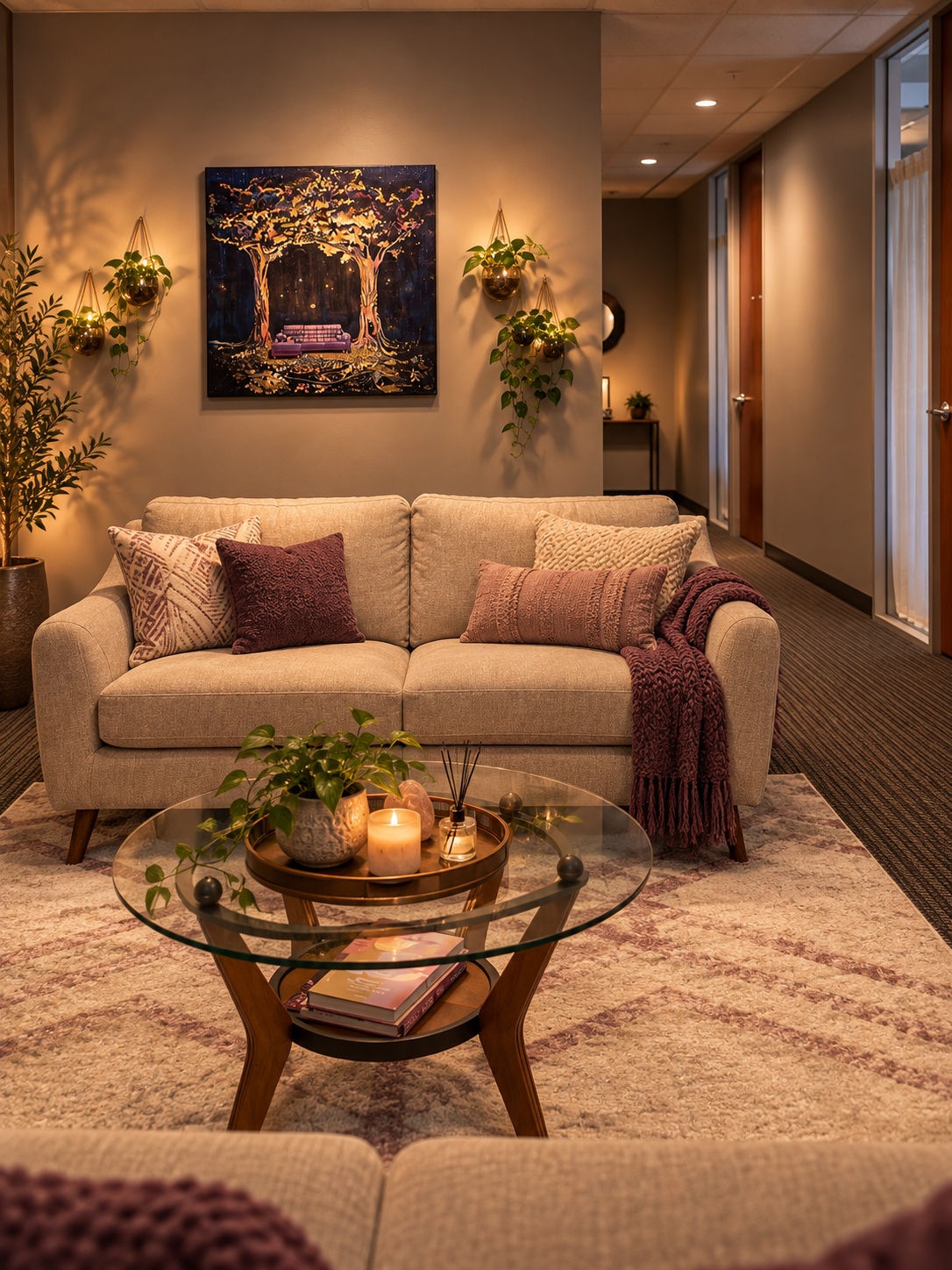
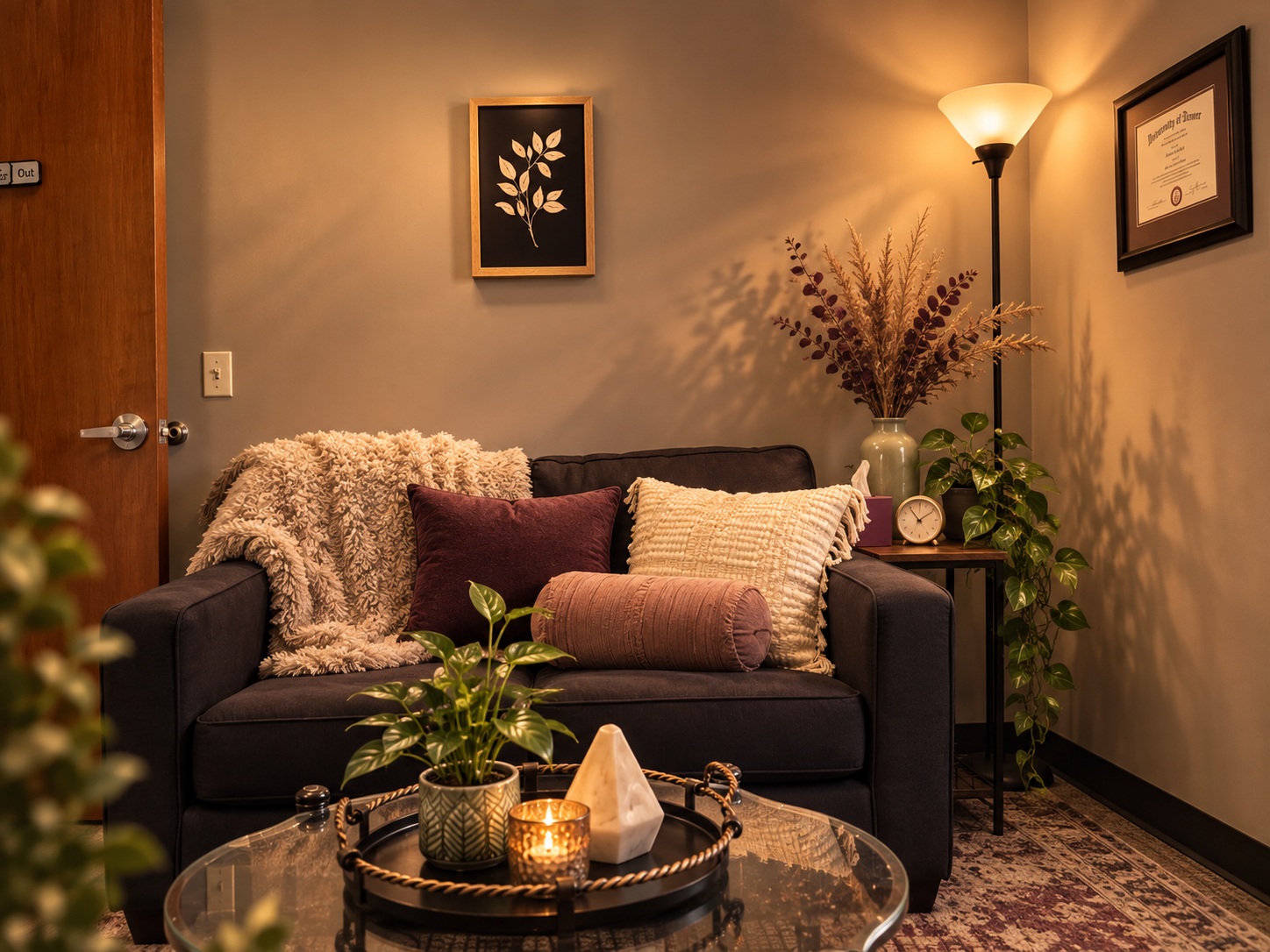
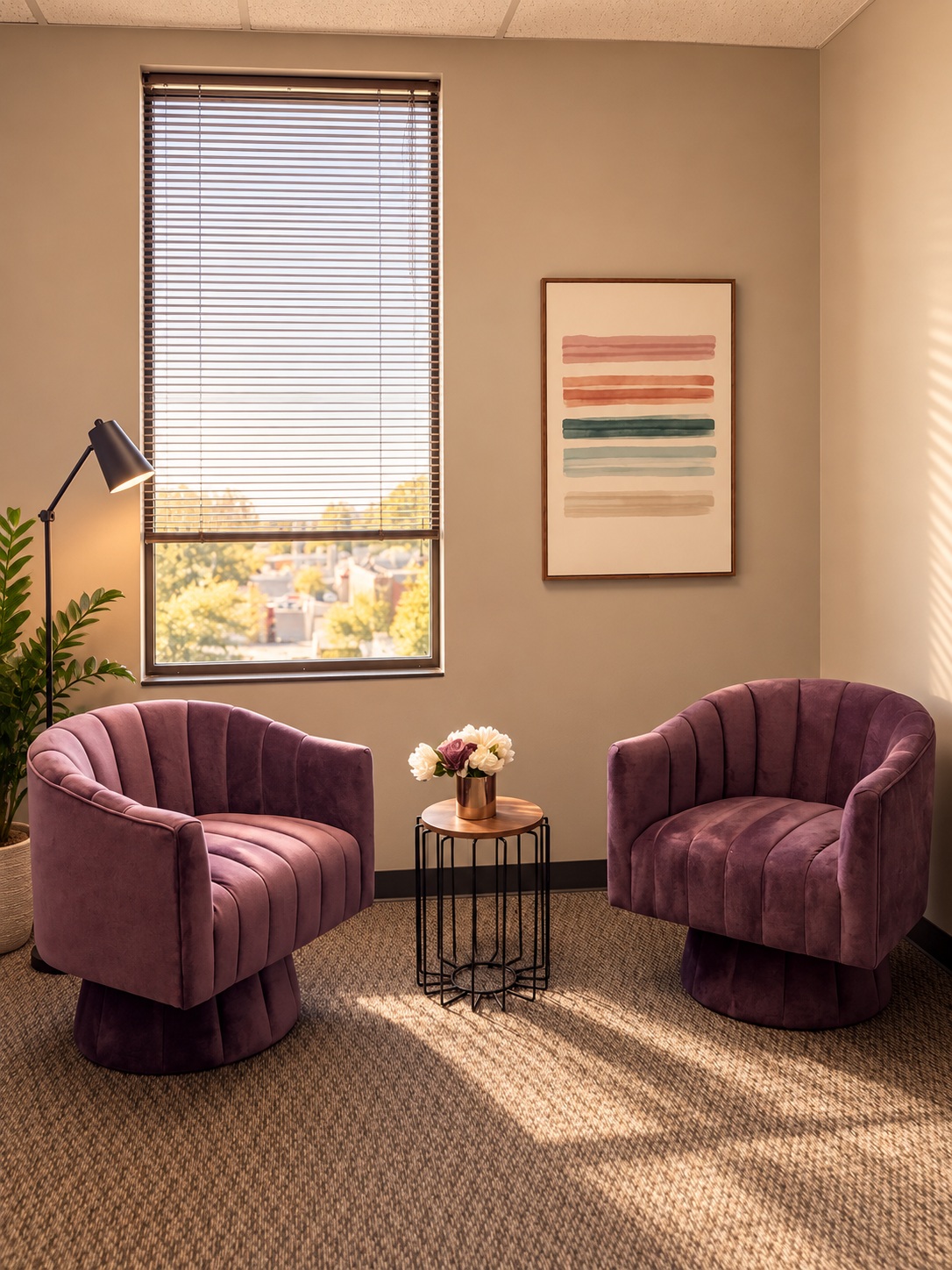
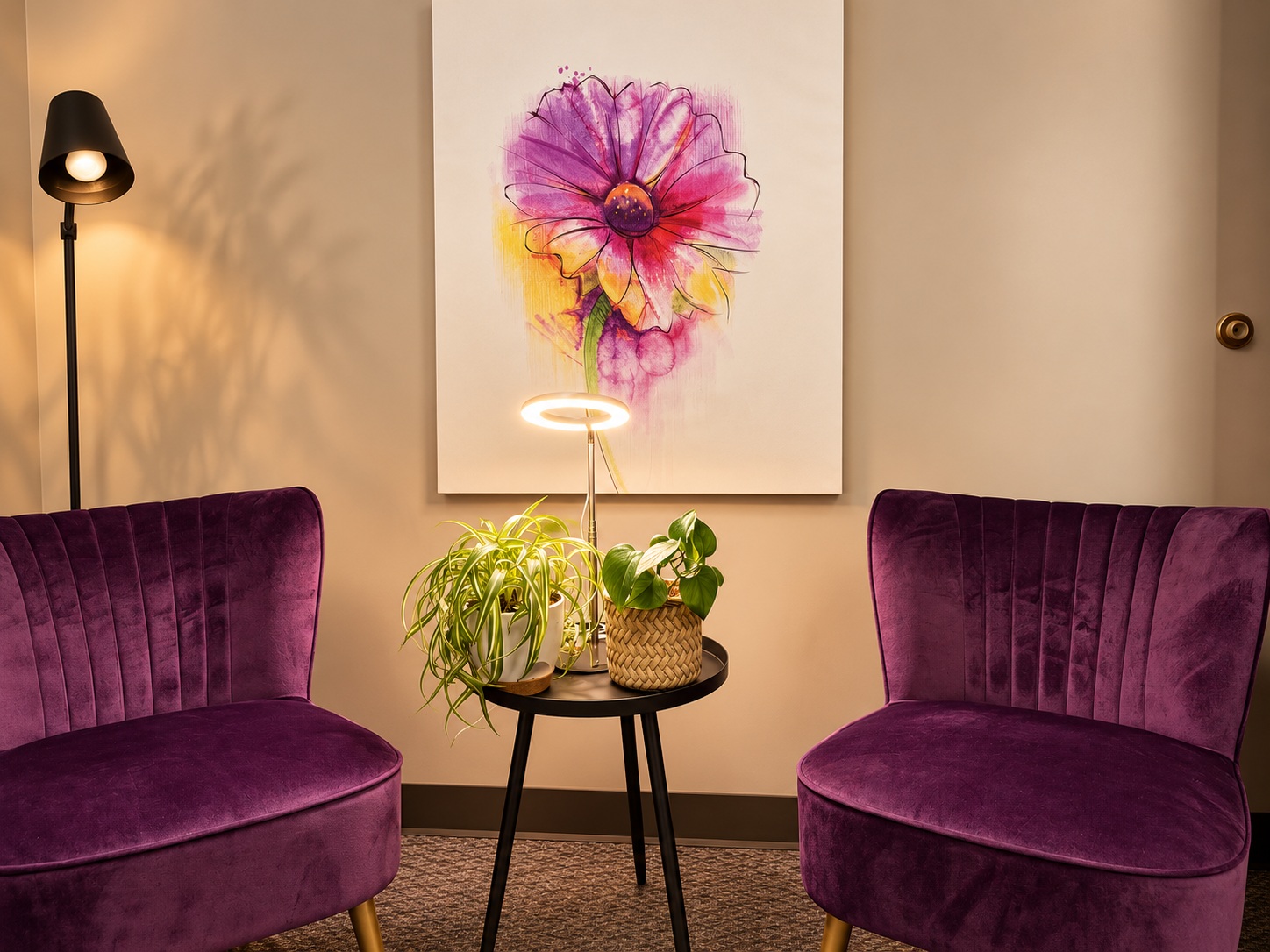
These are rooms at our Denver office. You spend the day here, and you go home at night.

Seating area with a sofa, round table, plants and artwork at Women’s Recovery Lounge with purple chairs, cream sofa and table Lounge with purple chairs and dried flowers Dark sofa and coffee table in a furnished room Plum armchairs beside a window table Entrance to the Belcaro Place building with the number 3801 above the doors

Is mescaline addictive?

Mescaline is generally associated with low addiction potential, but some people can develop a hallucinogen-related substance use disorder, and research remains limited. Mescaline / peyote and Outpatient Addiction Treatment Guidance describes a care context, while women’s support from Lakewood, CO offers a starting point for a respectful, pressure-free conversation.

Supporting guidance: Drugs A to Z | National Institute on Drug Abuse (NIDA) Treatment Types for Mental Health, Drugs and Alcohol | SAMHSA

Lounge with purple chairs and dried flowers

Is mescaline addictive?

Mescaline / peyote and outpatient treatment guidance for women in Denver starts with a clear answer: psychedelics generally have low addiction potential, but a hallucinogen-related substance use disorder is possible. Learn more about mescaline and peyote guidance and the broader category of psychedelic and other hallucinogenic substances.

01

Mescaline is the active ingredient in peyote, a small cactus, and it can also be made synthetically.

Less research has examined mescaline than other psychedelics such as LSD and psilocybin, although it appears to produce similar feelings and side effects. Limited research means your experience deserves individual attention rather than broad assumptions. The frequency and context of use, distressing effects, difficulty changing, and effects on your responsibilities can all help clarify whether care may be useful.
02

Addiction potential is not the only reason to seek support.

Outpatient care may be relevant when mescaline or peyote use is connected with troubling thoughts, behavior changes, emotional distress, or disruption in everyday life. Treatment commonly aims to change thoughts and behaviors and may address physical dependence when needed, although mescaline-specific medication treatment is not established here. Any medication or prescription change belongs with your treating prescriber. An individual assessment can determine whether outpatient care offers enough support for your circumstances.

What can outpatient treatment care for Mescaline / peyote involve?

Outpatient care can involve psychotherapy focused on troubling emotions, thoughts, and behaviors while you continue living in your community. Depending on individual needs, care may occur in person or through telehealth. You can compare this approach with an Intensive Outpatient Program (IOP) or a Partial Hospitalization Program (PHP).

01

Psychotherapy, also called talk therapy, can take place individually with a licensed mental health professional or with other patients in a group.

Its purpose is not simply to label substance use. It can help you identify patterns surrounding mescaline or peyote, understand difficult emotional or behavioral responses, and work toward change. Because mescaline research remains limited, care should consider your specific experiences, current concerns, overall well-being, and the practical effects that use has had on your life.

02

Outpatient treatment is one of several possible levels of care, not a universal recommendation.

Some people receive outpatient services as first-line or maintenance care, while more serious conditions may require residential or another structured setting. Telehealth can improve access for someone who struggles to reach appointments, but convenience does not determine clinical fit. The appropriate level depends on the seriousness of your concerns, your ability to function safely between appointments, and whether community-based care provides enough structure and support.

Plum chairs, table and flower painting

How can outpatient treatment address Mescaline / peyote and daily life?

Outpatient treatment can connect changes in mescaline or peyote use with daily functioning, emotional well-being, relationships, and quality of life. It may offer greater continuity with ordinary responsibilities than residential care. Related information about mescaline and peyote treatment guidance and LSD treatment guidance can provide further context about psychedelics.

01

Daily-life concerns can be clinically meaningful even when a substance is considered to have low addiction potential.

You may notice that use or its effects interfere with concentration, emotional steadiness, social connection, routines, or your ability to follow through on responsibilities. Psychotherapy can help identify and change thoughts and behaviors that contribute to those problems. Its broader goals include relief from symptoms, maintaining or improving everyday functioning, and improving quality of life, with progress defined in ways that matter to you.

02

Outpatient care can preserve contact with home, work, education, caregiving, and other parts of your life while treatment is underway.

That continuity may help you notice patterns where they actually occur and practice healthier responses in familiar settings. It can also create real demands, since outpatient participation assumes that time outside appointments can be managed with adequate safety and stability. If distress or impairment is more serious, a higher level of structure may be more appropriate than standard outpatient support.

What could a woman from Lakewood, CO expect when considering outpatient treatment in Denver?

Care for women from Lakewood at our Denver program may involve traveling to Denver, CO for appointments and returning home afterward. Addiction treatment programs for women explain common care structures, while location and travel information provides practical context for the Denver, CO destination. This can help you consider how scheduled outpatient care may fit into your daily life and whether a conversation about support feels right for you.

  1. 01

    Outpatient care generally means that you attend an appointment and leave the same day

  2. 02

    Depending on the level of care, treatment can include individual appointments, group sessions, and support for developing coping skills

  3. 03

    Some outpatient programs coordinate care more intensively than standard visits

  4. 04

    The right structure depends on your needs, health, daily circumstances, and a professional assessment rather than your home city alone

Seating area with a sofa, round table, plants and artwork at Women’s Recovery

Common questions

Explore care for women from Lakewood at our Denver program and communities we serve for related guidance. Call admissions when you want to discuss your own situation.

Call Admissions
01 Are mescaline and peyote the same thing?

Mescaline is the active ingredient in peyote and can also be made synthetically. Research on mescaline is limited, but its effects appear similar to those of other psychedelics. Psychedelic drugs generally have low addiction potential, although a hallucinogen-related substance use disorder can develop.

02 Does outpatient treatment mean living at a facility?

Outpatient treatment generally allows you to receive care while continuing to live in your community. Programs may be delivered in person or through telehealth. The right setting depends on your needs, daily functioning, substance-use pattern, mental health, safety, and whether a more structured environment is appropriate.

03 How might therapy help with mescaline or peyote use?

Psychotherapy aims to help you recognize and change troubling emotions, thoughts, and behaviors. In mescaline-related care, that may mean examining what leads to use, how experiences affect your well-being, and which changes support steadier functioning. Therapy may occur individually or with other patients in a group.

04 What RTD connection links Lakewood, CO and Denver, CO?

RTD documents the W Line as extending from Union Station to Jefferson County Government Center and traversing Denver, CO, Lakewood, CO, and Golden, CO. That named rail relationship can orient regional planning, but it does not establish a current itinerary, travel time, frequency, accessibility, last-mile transportation, or any connection to the Women’s Recovery address.

05 What local peer support is publicly listed in Lakewood, CO?

Jefferson County Public Health lists peer support at a public Lakewood, CO address for people experiencing substance-use concerns, exploring recovery, or struggling with mental health. It describes peer coaching as low barrier and low commitment. This support is not clinical treatment or emergency care, and availability or affiliation with Women’s Recovery should not be assumed.

If you can't believe that yet, borrow my hope. Just long enough to find your own.

Women’s Recovery graduate

Start with one conversation. Tell us what you're carrying. We'll walk you through the next step and verify your benefits.