






Denver's women-only program for mental health, trauma and substance use.Call Admissions 833.754.0554
Call 833.754.0554Verify Insurance

Heroin use: information for women from Golden

Your symptoms made sense. We treat what they were managing.

Opioid use disorder is treatable, and care may combine medication, counseling, and ongoing support. Compassionate assessment can identify an appropriate level of structure while honoring your health needs, responsibilities, preferences, and hopes for recovery.

A next step is to call Women’s Recovery at 833.754.0554 and talk through what has been happening, what you need, and what information you want to understand.

For residents of Golden, CO. Women’s Recovery lists its physical location in Denver, CO.

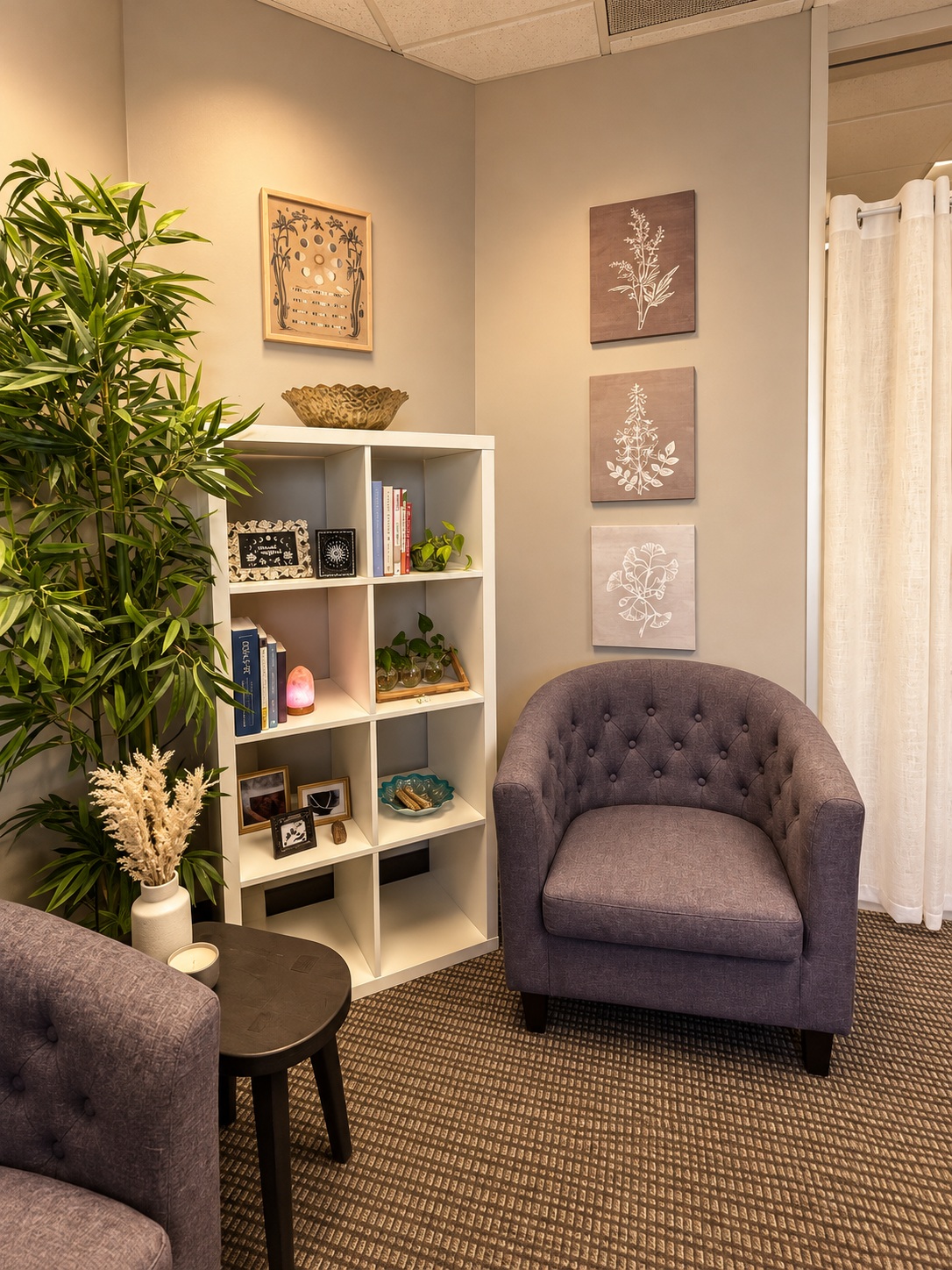
Two upholstered chairs and a bookshelf in a Women’s Recovery office

A look at our space

These are rooms at our Denver office. You spend the day here, and you go home at night.

Seating area with a sofa, round table, plants and artwork at Women’s Recovery Lounge with purple chairs, cream sofa and table Lounge with purple chairs and dried flowers Dark sofa and coffee table in a furnished room Plum armchairs beside a window table Entrance to the Belcaro Place building with the number 3801 above the doors

What treatment options can support a woman from Golden, CO with heroin or opioid use disorder?

Heroin addiction: Helpful care can include FDA-approved medications, behavioral counseling, outpatient treatment, and continuing recovery support. A more coordinated intensive outpatient option may be considered when appropriate. Qualified assessment matters because medical needs, responsibilities, goals, and preferred level of structure vary from woman to woman.

Supporting guidance: Treatment | National Institute on Drug Abuse (NIDA) Medications for Opioid Use Disorder

Dark sofa and coffee table in a furnished room

What treatments are used for opioid addiction involving heroin?

Heroin use treatment for women in Denver may combine medication, counseling, education, and practical support. Medication can reduce cravings and withdrawal symptoms, while individual and group therapy can support changes in opioid use. Depending on your needs, care may include heroin outpatient addiction treatment for women or heroin Intensive Outpatient Program (IOP) addiction treatment for women.

01

Medications approved for opioid use disorder include methadone, buprenorphine, and naltrexone.

Depending on the medication and your circumstances, they may reduce opioid cravings, ease withdrawal symptoms, or support continued recovery. Medication is often considered alongside behavioral care rather than as a sign that someone has failed. A qualified medical professional can assess health history, recent opioid use, other substances, pregnancy considerations, and personal preferences before recommending an approach.

02

Counseling can help you understand patterns surrounding heroin use and develop ways to handle cravings, stress, relationships, and situations connected with returning to use.

Individual and group therapy may offer different kinds of support, while educational sessions can make treatment decisions easier to understand. There is no single appropriate plan for every woman. An assessment should consider safety, physical and emotional health, home stability, responsibilities, available support, and previous treatment experiences.

What can recovery from heroin use involve?

Recovery can involve reducing or stopping heroin use, managing cravings, rebuilding routines, and receiving continued support. You may begin by learning about broader opioid addiction treatment for women and then discuss your circumstances through admissions at Women’s Recovery. Progress can take different forms and does not need to follow someone else’s timeline.

01

What can recovery from heroin use involve?

Early conversations may focus on how often heroin or other opioids are used, when use last occurred, whether withdrawal has happened before, and how use affects sleep, mood, work, parenting, finances, or relationships. These questions are not meant to reduce you to a checklist. They help identify risks, immediate needs, and the amount of structure that may fit your current life while leaving room for your concerns and treatment goals.

02

Longer-term recovery may include medication, therapy, peer connection, planning for high-risk situations, and attention to mental or physical health needs.

It can also involve restoring ordinary parts of life, such as keeping appointments, communicating with people you trust, and creating a more stable daily rhythm. Setbacks can signal that support or the care plan needs adjustment. They do not erase earlier effort or prevent you from asking for help again.

Dark sofa with patterned pillows and a glass table

What treatment options can be considered for heroin use disorder?

Treatment options can differ in structure, frequency, and clinical support. Depending on an individual assessment, you might discuss heroin Partial Hospitalization Program (PHP) addiction treatment for women or heroin outpatient addiction treatment for women. Learning about these formats is useful, but it cannot determine your appropriate level of care.

01

Outpatient care generally allows you to live at home while attending scheduled treatment.

A more structured outpatient format may involve treatment on multiple days each week. Outpatient fit depends on transportation, caregiving, work, privacy, opioid exposure at home, available support outside treatment hours, and whether the program provides enough clinical structure and safety for what you are currently facing.

02

An assessment can consider previous attempts to stop, intense cravings, withdrawal concerns, other substance use, medical needs, and anxiety, depression, trauma, or sleep difficulties.

These factors help shape the appropriate level of care and how medication, individual therapy, group therapy, and mental health support may work together. Your responsibilities, home support, and preferences also matter when considering a treatment structure.

What could a woman from Golden, CO expect when considering outpatient treatment in Denver?

Care for women from Golden at our Denver program can involve recurring care at a Denver, CO treatment location followed by a return home. Reviewing location and travel information can help you consider access, while a clinical conversation can help identify the treatment intensity and structure that may best support your needs.

  1. 01

    Standard outpatient care may include individual or group counseling, office visits, medication support, or coping-skills education

  2. 02

    An Intensive Outpatient Program (IOP) provides more coordinated, recurring care while allowing you to live at home, while partial hospitalization or inpatient care offers a higher level of structure

  3. 03

    The right setting depends on your individual needs, home stability, and ability to participate consistently

  4. 04

    A clinical conversation can help you understand which level of care may support you best

Plum armchairs beside a window table

Common questions

Explore care for women from Golden at our Denver program and communities we serve for related guidance. Call admissions when you want to discuss your own situation.

Call Admissions
01 How do I know whether outpatient heroin treatment is enough support?

Outpatient fit depends on more than how often heroin is used. Withdrawal or overdose risk, use of other substances, physical and emotional health, home safety, prior care, transportation, and available support all help determine whether outpatient treatment provides enough structure and safety for you.

02 Can medications be part of treatment for heroin use?

Yes. Methadone, buprenorphine, and naltrexone are approved medications for opioid use disorder. They work differently and are not suitable for every person in every situation. A medical professional can explain potential benefits, limitations, and access requirements based on your health, recent opioid use, treatment goals, and preferences.

03 Does needing medication mean I am still dependent on opioids?

Dependence and addiction are related but different. Physical dependence refers to the body adapting to a substance, while addiction includes compulsive use despite harm. Taking an opioid use disorder medication as prescribed is evidence-based treatment, not the same pattern as uncontrolled heroin use. Discuss concerns about medication openly with a qualified prescriber.

04 What travel connection is listed between Golden, CO and Denver, CO?

RTD states that the W Line extends from Denver Union Station to Jefferson County Government Center and traverses Golden, CO, Lakewood, CO, and Denver, CO. This documents a named transit relationship only, not an itinerary, travel time, service frequency, accessibility, last-mile connection, or transportation to the Women’s Recovery address.

05 How does Jefferson County describe peer support for substance use, recovery, or mental health concerns?

Jefferson County Public Health invites people struggling with substance use, exploring recovery, or experiencing mental-health concerns to consider its peer-support program. It describes peer coaching as low barrier and low commitment and lists a Lakewood, CO service address. This is not clinical treatment, emergency response, a Golden, CO facility, or a Women’s Recovery service.

If you can't believe that yet, borrow my hope. Just long enough to find your own.

Women’s Recovery graduate

Start with one conversation. Tell us what you're carrying. We'll walk you through the next step and verify your benefits.