

Denver's women-only program for mental health, trauma and substance use.Call Admissions 833.754.0554
Call 833.754.0554Verify Insurance

Salvia use: information for women from Denver

Your symptoms made sense. We treat what they were managing.

If salvia use is part of what you’re carrying, we start with mental health and trauma. Healing begins in our Partial Hospitalization Program: a focused day of care, and home every night.

You do not have to label yourself or make an immediate commitment to care.

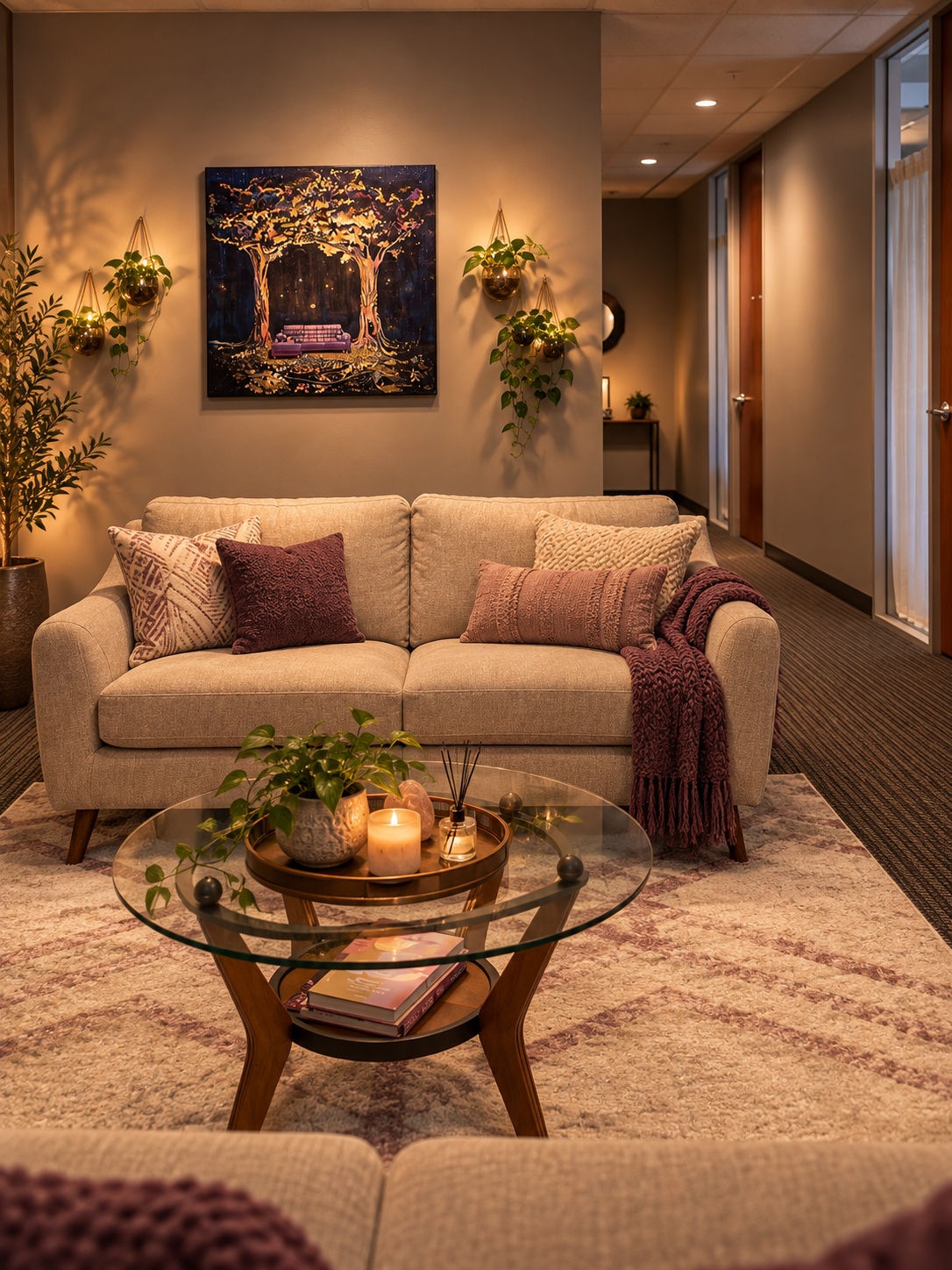
Seating area with a sofa, round table, plants and artwork at Women’s Recovery

A look at our space

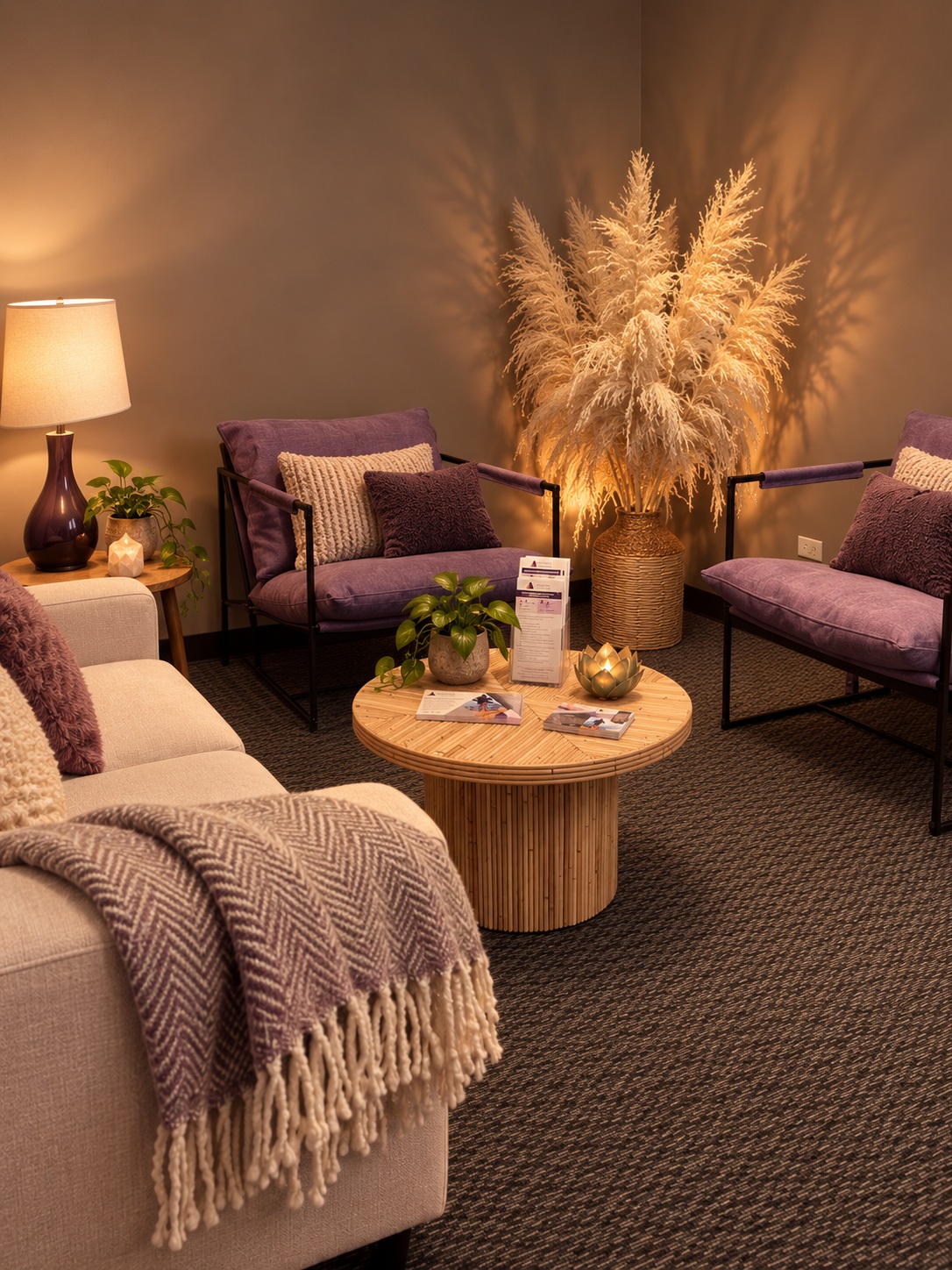
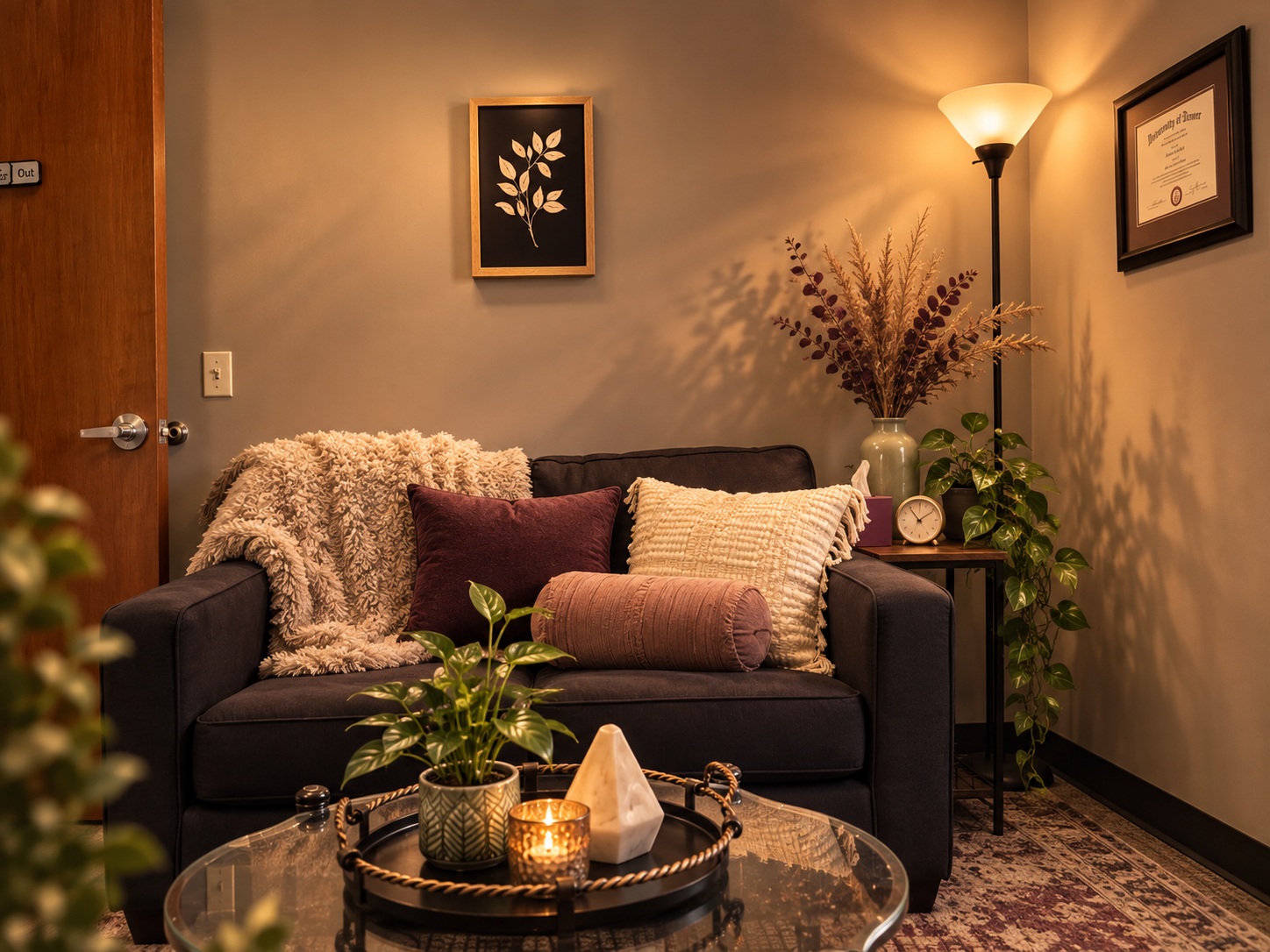
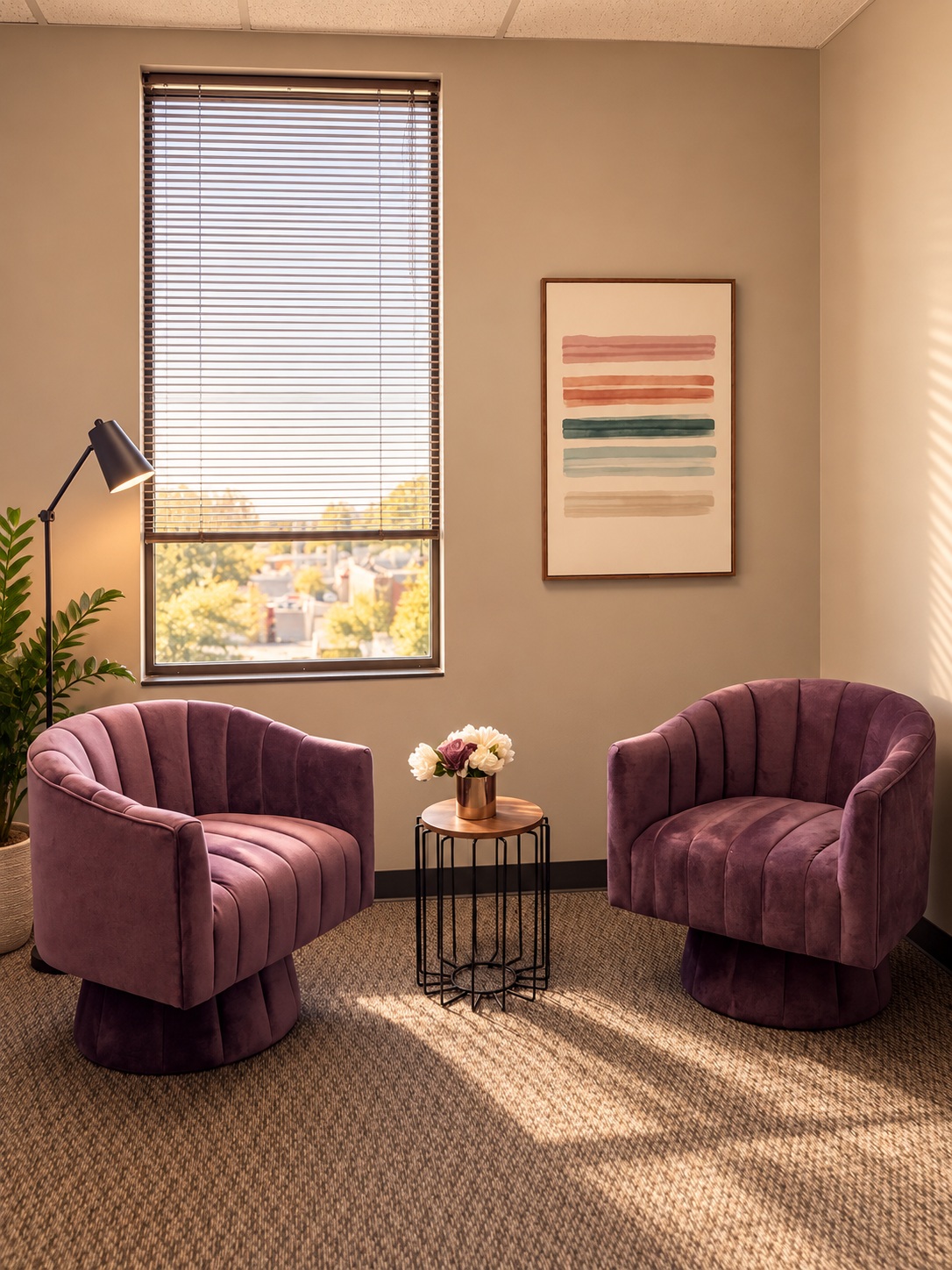
These are rooms at our Denver office. You spend the day here, and you go home at night.

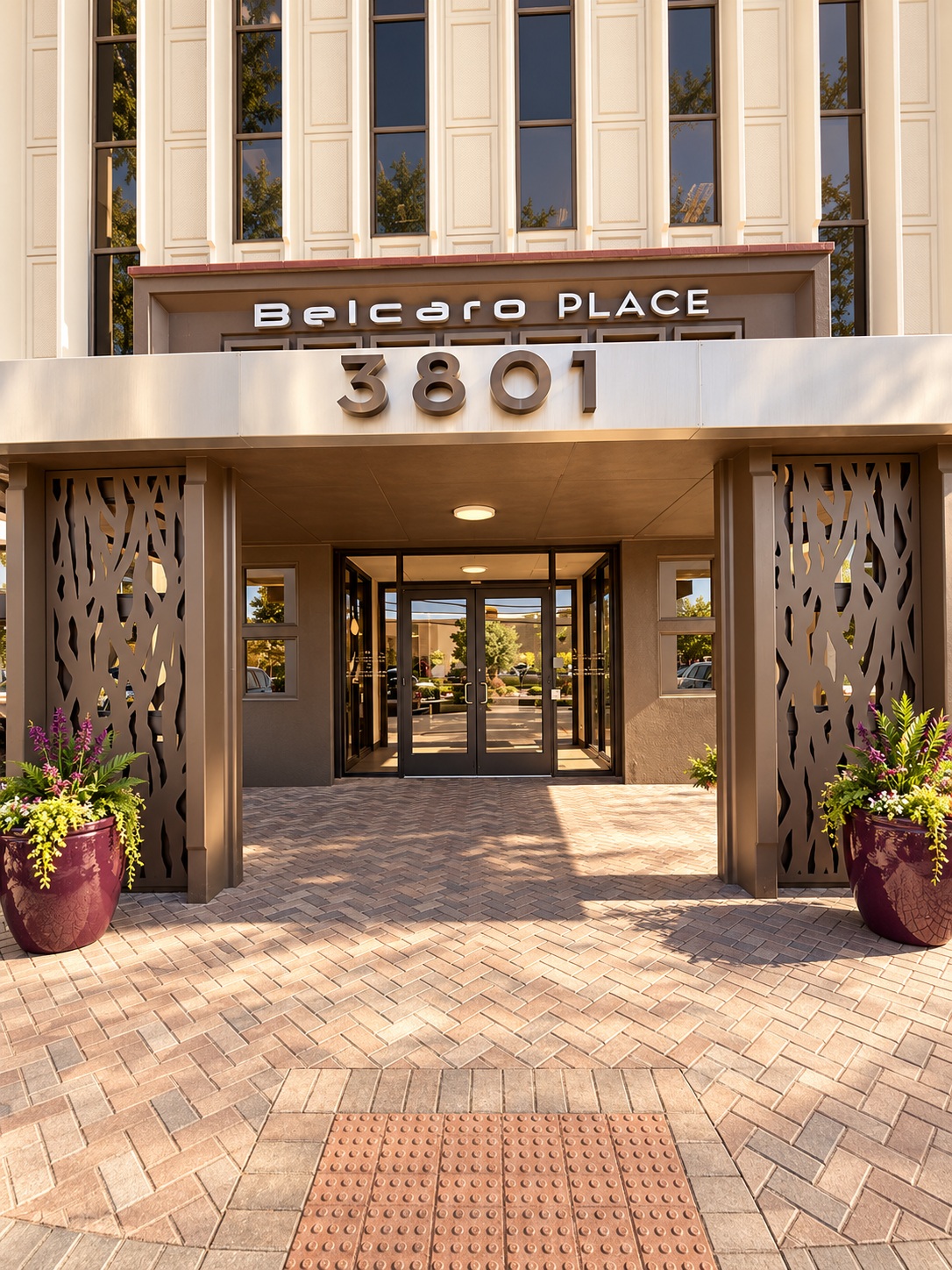
Seating area with a sofa, round table, plants and artwork at Women’s Recovery Lounge with purple chairs, cream sofa and table Lounge with purple chairs and dried flowers Dark sofa and coffee table in a furnished room Plum armchairs beside a window table Entrance to the Belcaro Place building with the number 3801 above the doors

What effect or risk does this official source identify for psychedelic?

For salvia use: information, NIDA states that psychedelic and dissociative drug use has been linked to dangerous behavior and injuries. Readers can review the salvia topic page and find published local details on the Denver location page.

Supporting guidance: Psychedelic and Dissociative Drugs | National Institute on Drug Abuse (NIDA)

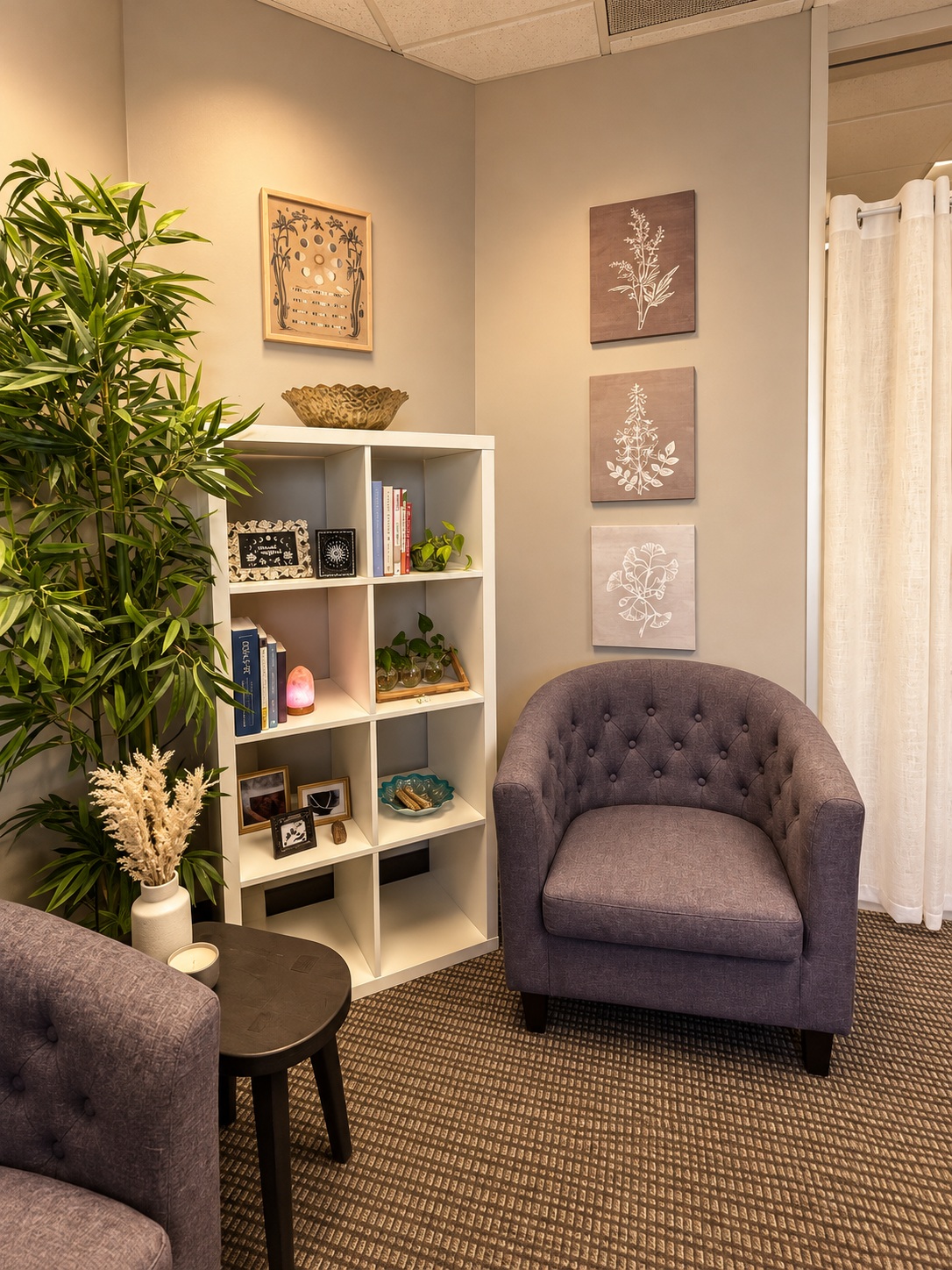
Two upholstered chairs and a bookshelf in a Women’s Recovery office

Do I need to cut back or seek help for salvia use?

Salvia and use treatment guidance for women in Denver begins with how use is affecting you, not with a label. Learning about psychedelic and other hallucinogenic substances and reviewing salvia and outpatient addiction treatment guidance for women can help you consider whether added support would be useful.

01

Salvia acts through brain functions that can produce psychedelic or dissociative effects.

The experience can be difficult to predict because it may be shaped by potency, personal biology, age, sex, mood, expectations, mindset, and environment. Concern may grow when experiences feel frightening, use becomes difficult to control, or it begins affecting relationships, work, responsibilities, or emotional well-being. Those changes are meaningful even if your pattern does not match anyone else’s.
02

You can seek an assessment before you know whether you want treatment.

The purpose is to understand your use, its consequences, other substance use, current stress, health concerns, daily obligations, and available support. Education can help you recognize options, while an individual level-of-care recommendation requires a fuller clinical assessment. You keep a voice in the process, including what goals matter to you and how much structure feels realistic for your circumstances.

Is salvia legal in Colorado, and does legality determine whether I need care?

Colorado law and local rules can change, so current legal questions are best addressed through an authoritative state resource or qualified legal counsel. More importantly, legal status does not determine whether use is affecting your well-being. Contact Women’s Recovery or explore admissions at Women’s Recovery when you want to discuss care rather than legal advice.

01

A substance can create genuine concern regardless of how it is classified under law.

What matters clinically is what you experience before, during, and after use, whether effects have become unpredictable, and whether use contributes to distress or disruption. Salvia may produce psychedelic or dissociative effects through several brain functions, and those effects can vary widely. Mixing substances or encountering contamination may also produce effects that are not expected from one substance alone.

02

If you are deciding whether care has value, consider the whole pattern rather than treating legality as a measure of safety.

Appropriate support can help you examine what keeps use going, identify situations connected with it, and build steadier ways of responding to stress or difficult emotions. It can also account for practical realities such as caregiving, employment, transportation, privacy, relationships, and the support available where you live, without making those circumstances sources of shame.

Dark sofa and coffee table in a furnished room

What should I avoid around salvia use?

The clearest safety concern is unpredictability, especially when salvia is combined with other substances or used in an unsafe environment. Comparing information about LSD and addiction treatment guidance for women with broader psychedelic and other hallucinogenic substance guidance can clarify why different drugs and circumstances should not be treated as interchangeable.

01

Avoid assuming that a previous experience predicts the next one.

Effects may change with potency, mood, expectations, personal biology, and setting. Products containing contaminants can also cause effects that do not reflect salvia alone, while combining substances may increase uncertainty. If someone is unconscious, cannot be awakened, is having trouble breathing, or appears in immediate danger, call 911. Beyond an emergency, a clinical conversation can help you consider risks in your own pattern.

02

Care can provide room to understand the context surrounding use instead of focusing only on one episode.

You may explore whether salvia appears alongside isolation, conflict, trauma reminders, social pressure, sleep disruption, or attempts to escape difficult feelings. These are not conclusions about you. They are areas that may help explain what support would be useful. A respectful approach also leaves room for your boundaries, cultural context, relationships, and preferred pace of change.

What should a woman expect from outpatient treatment in Denver?

women’s treatment programs may involve appointments followed by a return home the same day. You can also review admissions information when deciding whether a conversation about outpatient care feels helpful.

  1. 01

    Outpatient treatment can range from standard appointments that let you return home the same day to an Intensive Outpatient Program (IOP) with more coordinated support

  2. 02

    Inpatient or partial-hospitalization care provides a higher level of structure when appropriate

  3. 03

    The right level depends on your needs, stability, and recovery goals

  4. 04

    Appropriate care can give you meaningful support while respecting your daily responsibilities and supportive relationships whenever possible

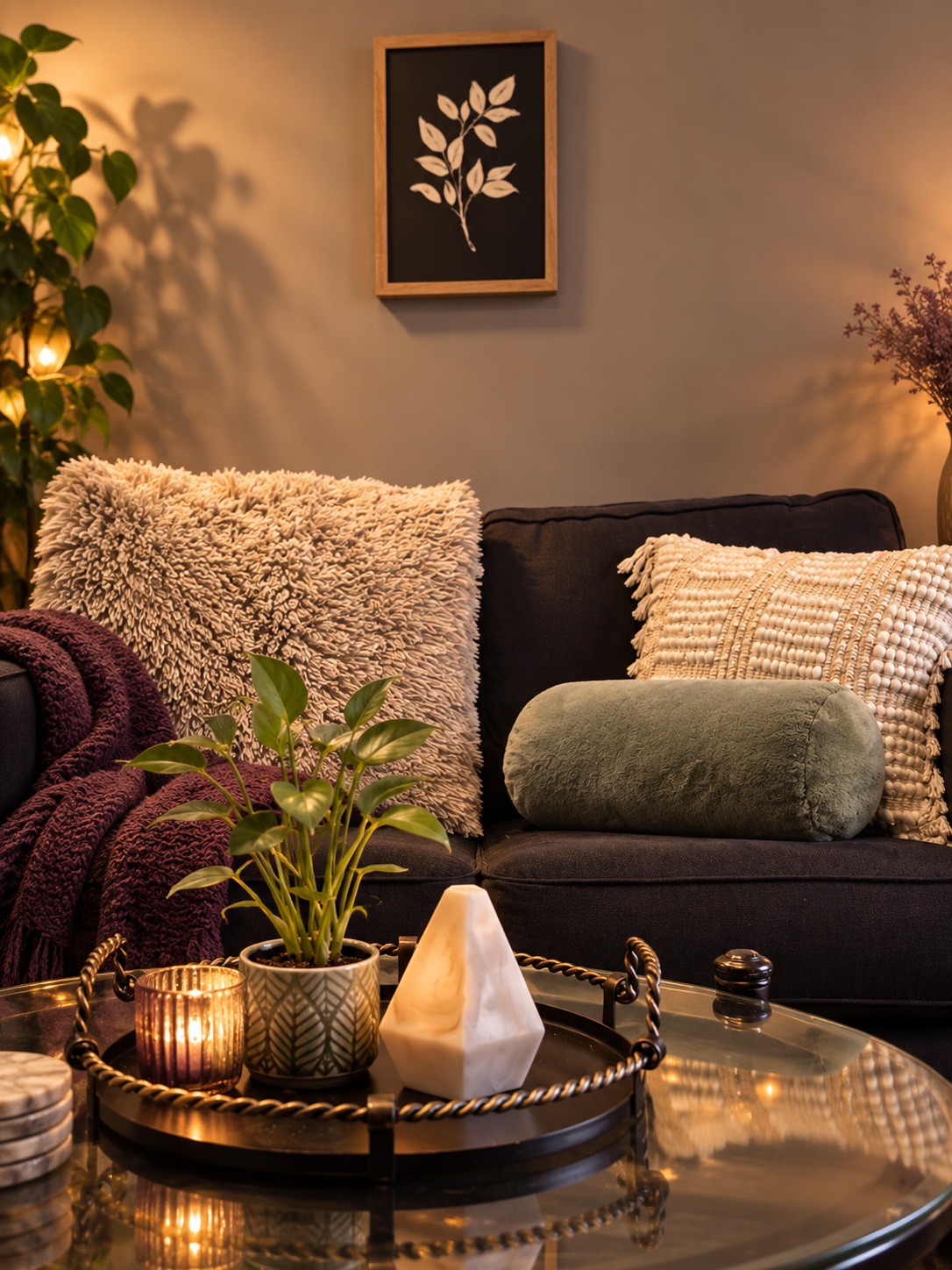
Dark sofa with patterned pillows and a glass table

Common questions

Explore care at our Denver location and communities we serve for related guidance. Call admissions when you want to discuss your own situation.

Call Admissions
01 How do I know whether my salvia use deserves attention?

A conversation may be worthwhile if salvia use feels harder to control, leads to frightening or unpredictable experiences, affects responsibilities or relationships, or continues despite consequences that concern you. You do not need to decide whether your experience qualifies as addiction before discussing what has been happening.

02 What does an assessment for salvia-related concerns consider?

A thoughtful assessment considers your pattern of salvia use, other substances, physical and emotional health, daily responsibilities, living environment, support system, and previous efforts to change. These details help clarify your needs and whether outpatient treatment or a more structured level of care may be appropriate.

03 Can I seek support even if I use salvia only occasionally?

Yes. Because psychedelic and dissociative effects can vary widely, your experience may not resemble someone else’s. An assessment can focus on what happened to you, how use is affecting your life, and what you want to change rather than comparing your situation with another person’s story.

04 Where are Women’s Recovery's publicly listed Denver contact details for someone researching salvia use: information for women from Denver?

Women’s Recovery's public contact page lists its Denver location at 3801 E Florida Ave, Ste 650, Denver, CO 80210. The published contact number is 833.754.0554. These details verify only the public address and telephone number; they do not establish licensing, accreditation, treatment availability, eligibility, scheduling, outcomes, or information about another facility.

05 Which official Denver substance-use resources can someone consult while researching salvia use: information for women from Denver?

The City and County of Denver publishes substance-use support links, harm-reduction resources, treatment-navigation links, and crisis directions for Denver residents. This verified fact concerns public resource navigation only. It does not describe Women’s Recovery treatment, promise that any service is available, provide individualized medical guidance, or establish an endorsement, partnership, or affiliation.

If you can't believe that yet, borrow my hope. Just long enough to find your own.

Women’s Recovery graduate

Start with one conversation. Tell us what you're carrying. We'll walk you through the next step and verify your benefits.