




Denver's women-only program for mental health, trauma and substance use.Call Admissions 833.754.0554
Call 833.754.0554Verify Insurance

Ketamine use: information for women from Denver

Your symptoms made sense. We treat what they were managing.

If ketamine use is part of what you’re carrying, we start with mental health and trauma. Healing begins in our Partial Hospitalization Program: a focused day of care, and home every night.

Call Women’s Recovery at 833.754.0554 when you want a private, conversation about your concerns and possible next steps.

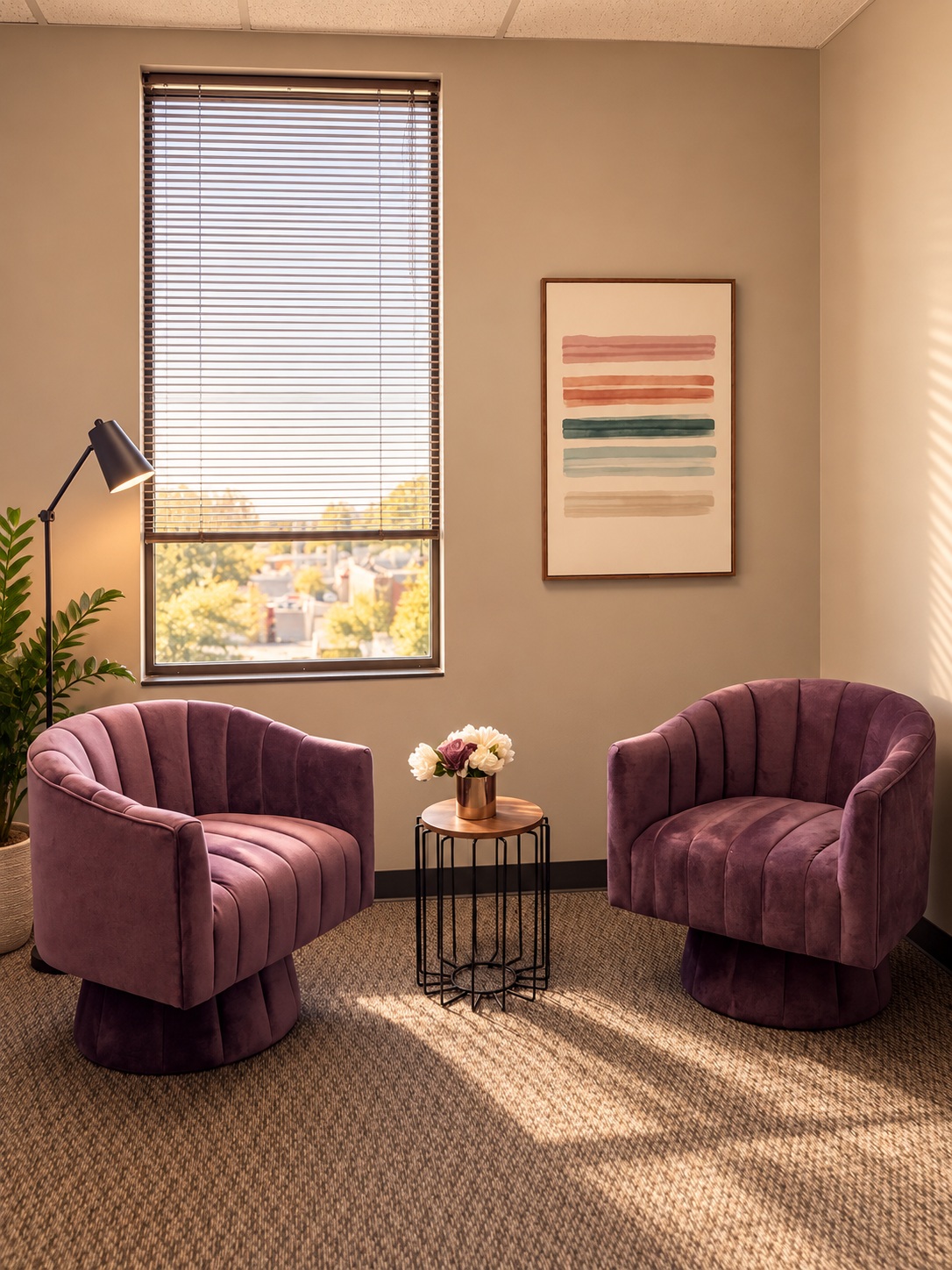
Plum armchairs beside a window table

A look at our space

These are rooms at our Denver office. You spend the day here, and you go home at night.

Seating area with a sofa, round table, plants and artwork at Women’s Recovery Lounge with purple chairs, cream sofa and table Lounge with purple chairs and dried flowers Dark sofa and coffee table in a furnished room Plum armchairs beside a window table Entrance to the Belcaro Place building with the number 3801 above the doors

What is ketamine?

Ketamine use: information notes that ketamine is FDA-approved as an anesthetic for humans and animals, while esketamine, a drug made from ketamine, is approved for treatment-resistant depression. Ketamine has also been illegally manufactured as a recreational drug and can cause strong mood and mind effects. Visit the ketamine topic page or contact page.

Supporting guidance: Ketamine

Lounge with purple chairs, cream sofa and table

What is ketamine?

Ketamine is a chemical compound used as an anesthetic in humans and animals. Ketamine use treatment for women in Denver concerns problematic use, not a recommendation for the drug. You can explore information about dissociative substances and review admissions guidance when ketamine use is disrupting your life.

01

Ketamine is FDA-approved as an anesthetic.

A medication made from ketamine, called esketamine, is FDA-approved for treatment-resistant depression in adults. These medical contexts are distinct from illicitly manufactured ketamine and recreational use. Learning that ketamine has approved medical applications does not mean every form or setting is medically supervised, appropriate for you, or free from the possibility of harm.
02

Ketamine was developed as an alternative to phencyclidine, also known as PCP, which was developed as an anesthetic.

Both belong to a broader dissociative context, but they should not be treated as interchangeable. If ketamine use has become concerning, care can focus on your actual pattern and its effects rather than assuming that a medical origin makes nonmedical use safe.

What effects can ketamine have?

Ketamine can cause strong changes in mood, thought, and the perception of reality. Some people feel disconnected from their environment or as though they are dissolving into it. Guidance about outpatient treatment and Intensive Outpatient Program (IOP) treatment can help you understand different categories of substance-use care.

01

Dissociation can change how connected you feel to your surroundings and to your usual sense of reality.

The experience may be intense, but the documented possibilities do not predict exactly what you will feel. If these changes have frightened you, affected your responsibilities, or strained relationships, appropriate care can help you examine their real impact rather than minimizing what occurred.

02

Mood and mind effects may be part of both medical research interest and nonmedical use, but context matters.

Researchers are studying ketamine as a potential clinical treatment for substance use disorders. That research does not establish that recreational use treats an illness. If you are using ketamine in response to distress, support can address the substance use alongside the emotional concerns connected with it.

Lounge with purple chairs and dried flowers

What health risks are associated with ketamine use?

Ketamine’s intense dissociative effects can interfere with your perception of reality and connection to your surroundings. This can be concerning regardless of why use began. Information about Partial Hospitalization Program (PHP) treatment and PCP-related treatment may provide context, while individual care must address your specific experience.

01

Feeling entirely disconnected from your environment is a documented possible effect.

A profound shift in perception can make an experience difficult to understand while it is happening. Your personal response cannot be predicted from a general description. Disruptive or distressing changes deserve attention, and an assessment can help when ketamine is affecting your safety or functioning.

02

The existence of approved ketamine and esketamine uses should not blur the boundary between supervised medical care and recreational ketamine.

Illicitly manufactured ketamine has existed for decades, and its nonmedical context is different. If you currently have severe symptoms or cannot remain safe, seek urgent medical help. After immediate needs are addressed, substance-use care can consider the ongoing pattern and its consequences.

What should a woman expect from outpatient treatment in Denver?

women’s treatment programs may involve appointments followed by a return home the same day. You can also review admissions information when deciding whether a conversation about outpatient care feels helpful.

  1. 01

    Outpatient treatment can range from standard appointments that let you return home the same day to an Intensive Outpatient Program (IOP) with more coordinated support

  2. 02

    Inpatient or partial-hospitalization care provides a higher level of structure when appropriate

  3. 03

    The right level depends on your needs, stability, and recovery goals

  4. 04

    Appropriate care can give you meaningful support while respecting your daily responsibilities and supportive relationships whenever possible

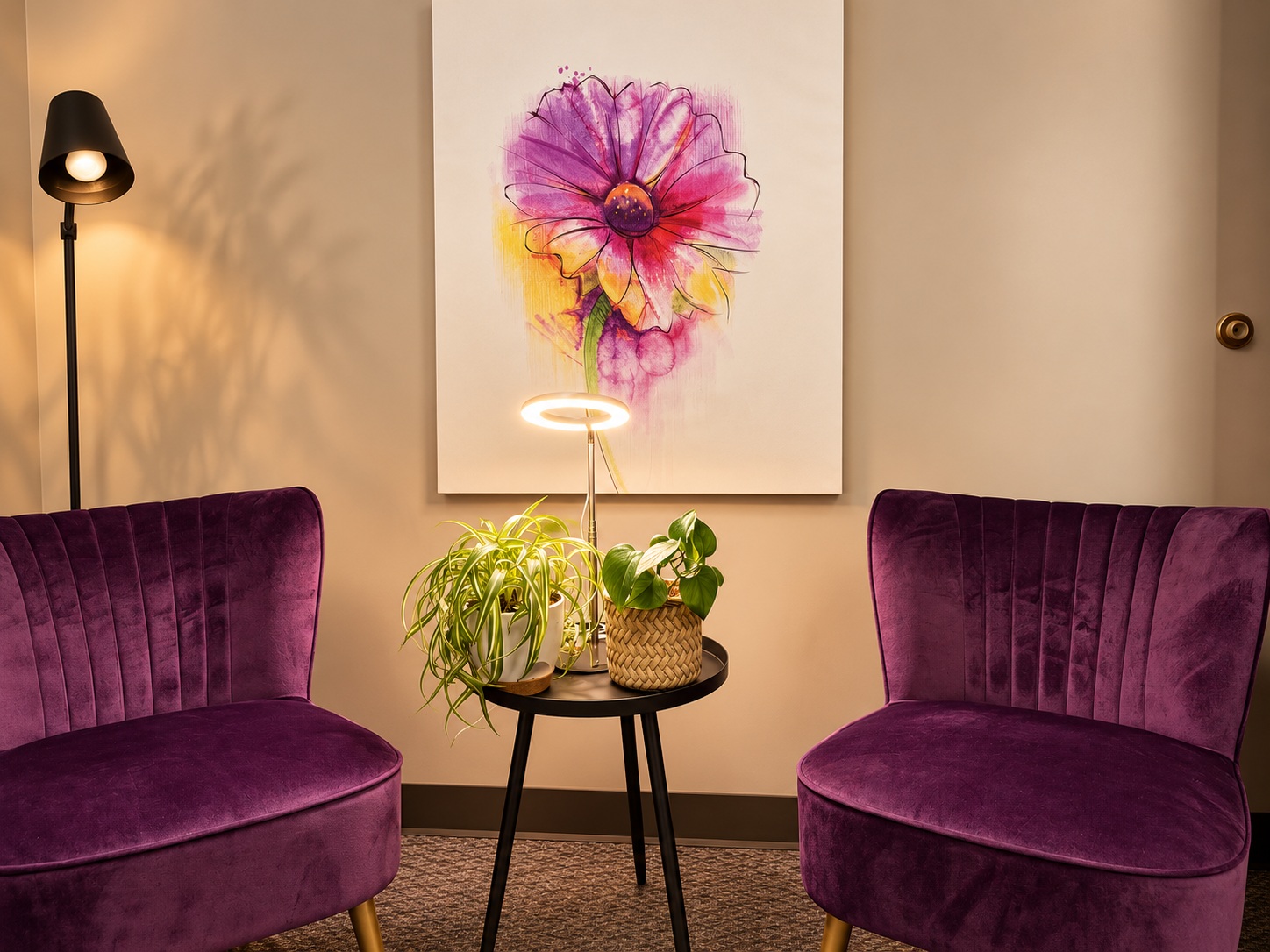
Plum chairs, table and flower painting

Common questions

Explore care at our Denver location and communities we serve for related guidance. Call admissions when you want to discuss your own situation.

Call Admissions
01 Is ketamine always an illegal recreational drug?

No. Ketamine is FDA-approved as an anesthetic for humans and animals, while esketamine is approved for treatment-resistant depression in adults. Illicitly manufactured ketamine is also used recreationally. These contexts are not interchangeable, and a medical application does not establish that nonmedical use is supervised, appropriate, or safe for you.

02 What does dissociation from ketamine feel like?

Documented effects include feeling entirely disconnected from your environment or as though you are dissolving into it. Ketamine can also produce strong mood and mind changes. No description can predict your response. If the experience is happening now and you cannot remain safe, seek urgent medical attention.

03 Does medical ketamine research mean recreational use can treat addiction?

No. Researchers are studying ketamine as a potential clinical treatment for substance use disorders, but research in a clinical setting is not the same as recreational use. If you are using ketamine in hopes of managing distress or another substance problem, appropriate care can address those needs directly.

04 What effects can ketamine have?

Ketamine can cause strong mood and mind effects. NIDA states that people who take it may experience changes in how they perceive reality, including intense feelings of dissolving into or being entirely disconnected from their environment. These are documented possible effects and do not predict how a particular individual will respond to ketamine.

05 What Denver contact details does Women’s Recovery publish?

Women’s Recovery's public contact page lists 3801 E Florida Ave, Ste 650, Denver, CO 80210 and 833.754.0554 for the Denver location. This information verifies only the published address and contact number. It does not independently establish licensing, accreditation, treatment availability, eligibility, schedules, outcomes, insurance coverage, or details about any other facility.

If you can't believe that yet, borrow my hope. Just long enough to find your own.

Women’s Recovery graduate

Start with one conversation. Tell us what you're carrying. We'll walk you through the next step and verify your benefits.