






Denver's women-only program for mental health, trauma and substance use.Call Admissions 833.754.0554
Call 833.754.0554Verify Insurance

Dependent personality disorder care for women in Denver, CO

Your symptoms made sense. We treat what they were managing.

If you’re living with dependent personality disorder care, you don’t need a substance use diagnosis to begin. Healing begins in our Partial Hospitalization Program: a full day of care, and home every night.

You deserve room to describe what feels difficult and decide what help makes sense.

Lounge with purple chairs and dried flowers

A look at our space

These are rooms at our Denver office. You spend the day here, and you go home at night.

Seating area with a sofa, round table, plants and artwork at Women’s Recovery Lounge with purple chairs, cream sofa and table Lounge with purple chairs and dried flowers Dark sofa and coffee table in a furnished room Plum armchairs beside a window table Entrance to the Belcaro Place building with the number 3801 above the doors

What specific fact does this official source state about dependent personality?

If you are exploring dependent personality disorder, MedlinePlus describes dependent personality disorder as a condition in which a person depends too much on others and feels that they need to be taken care of. The retained passage supplies no further facts. Readers may separately view the Denver page.

Supporting guidance: Personality Disorders | MedlinePlus

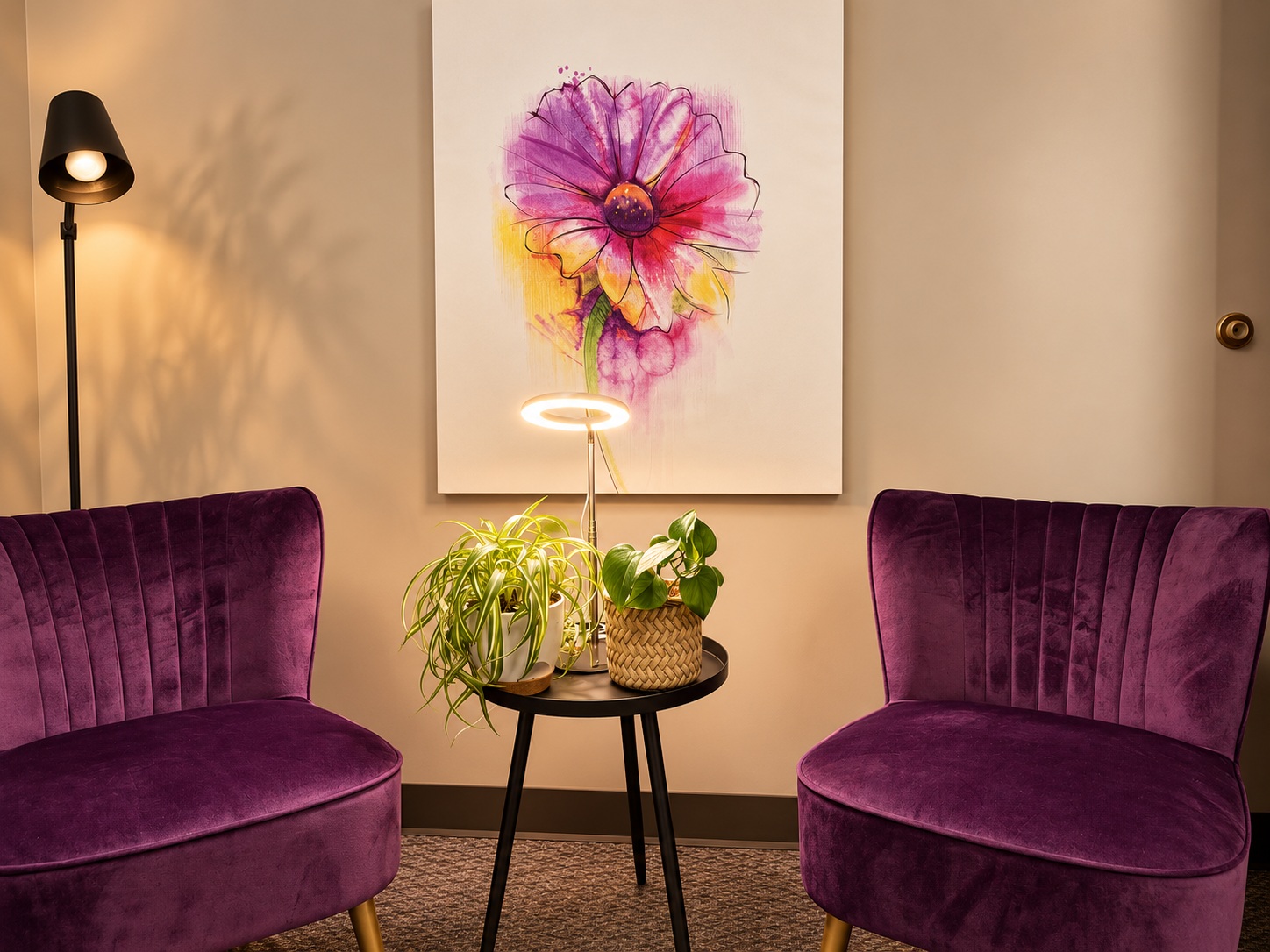
Plum chairs, table and flower painting

What personality and relationship patterns are important to discuss?

Dependent personality disorder can begin by exploring persistent reliance, fear, and difficulty making choices in context. Learning about personality and enduring relationship patterns support for women and personality-related distress and treatment-fit questions can help you consider whether an assessment feels useful.

01

What personality and relationship patterns are important to discuss?

You might seek help because decisions feel overwhelming unless someone approves, disagreement seems too risky, or the possibility of losing a relationship shapes choices you would otherwise make differently. These experiences are worth discussing when they persist across situations, cause distress, or restrict daily life. They are conversation points, not proof of a disorder. Appropriate care examines their duration, intensity, context, and effect on your well-being before reaching conclusions.
02

A thoughtful assessment also considers what else may be contributing.

Anxiety or depression may reduce confidence and energy. Trauma, coercion, discrimination, financial pressure, caregiving responsibilities, or an unsafe relationship can affect how freely you make decisions. Substance-related problems can also complicate emotions, behavior, and relationships. Distinguishing among these possibilities matters because useful care should address the forces affecting you, rather than attaching a personality label to understandable responses to difficult circumstances.

Can a woman with intense relationship distress live independently?

Relationship distress does not determine whether you can live alone or make a meaningful life. Concerns associated with dependence differ from the emotional instability linked with borderline personality disorder support for women. You can also explore avoidant personality disorder support for women when fear of rejection or withdrawal is part of the picture.

01

Independent living is not a diagnostic test.

A woman may live alone while relying heavily on reassurance, or share a home while making confident, self-directed choices. Housing can reflect finances, culture, caregiving, disability, safety, or preference. What matters clinically is how patterns affect your freedom, distress, relationships, and functioning. Care can help you explore these effects without treating interdependence, closeness, or receiving practical support as inherently unhealthy.

02

Borderline personality disorder can involve substantial difficulty regulating emotions, changes in self-perception, impulsivity, and relationship disruption.

Those features are not interchangeable with concerns about dependency, and one person’s experience may not fit neatly into a single category. A clinician can consider emotional patterns, relationship history, safety, daily functioning, and accompanying symptoms together. Accurate differentiation supports care that responds to your actual difficulties instead of assumptions based on one behavior, such as living with someone.

Seating area with a sofa, round table, plants and artwork at Women’s Recovery

What factors can contribute to enduring personality-related distress?

There is rarely one simple explanation for enduring personality-related distress. Biological, psychological, social, and relationship factors may interact over time. Recognizing signs of borderline personality disorder may clarify one possible comparison, while personality-related distress and treatment-fit questions for women can help organize broader concerns.

01

What factors can contribute to enduring personality-related distress?

Your sex can affect the course or expression of some mental health conditions, while research does not find sex differences in diagnosis rates for every disorder. Women also encounter varied psychosocial pressures, including relationship expectations, caregiving demands, workplace stress, and unequal access to safety or resources. These realities should inform care without becoming stereotypes. Your clinician should listen to your history and present circumstances rather than assume that gender explains a pattern or determines what recovery should look like.

02

Women’s Recovery does not treat eating disorders.

We can help you find specialized eating disorder care.

What should a woman expect from outpatient treatment in Denver?

women’s treatment programs may involve appointments followed by a return home the same day. You can also review admissions information when deciding whether a conversation about outpatient care feels helpful.

  1. 01

    Outpatient treatment can range from standard appointments that let you return home the same day to an Intensive Outpatient Program (IOP) with more coordinated support

  2. 02

    Inpatient or partial-hospitalization care provides a higher level of structure when appropriate

  3. 03

    The right level depends on your needs, stability, and recovery goals

  4. 04

    Appropriate care can give you meaningful support while respecting your daily responsibilities and supportive relationships whenever possible

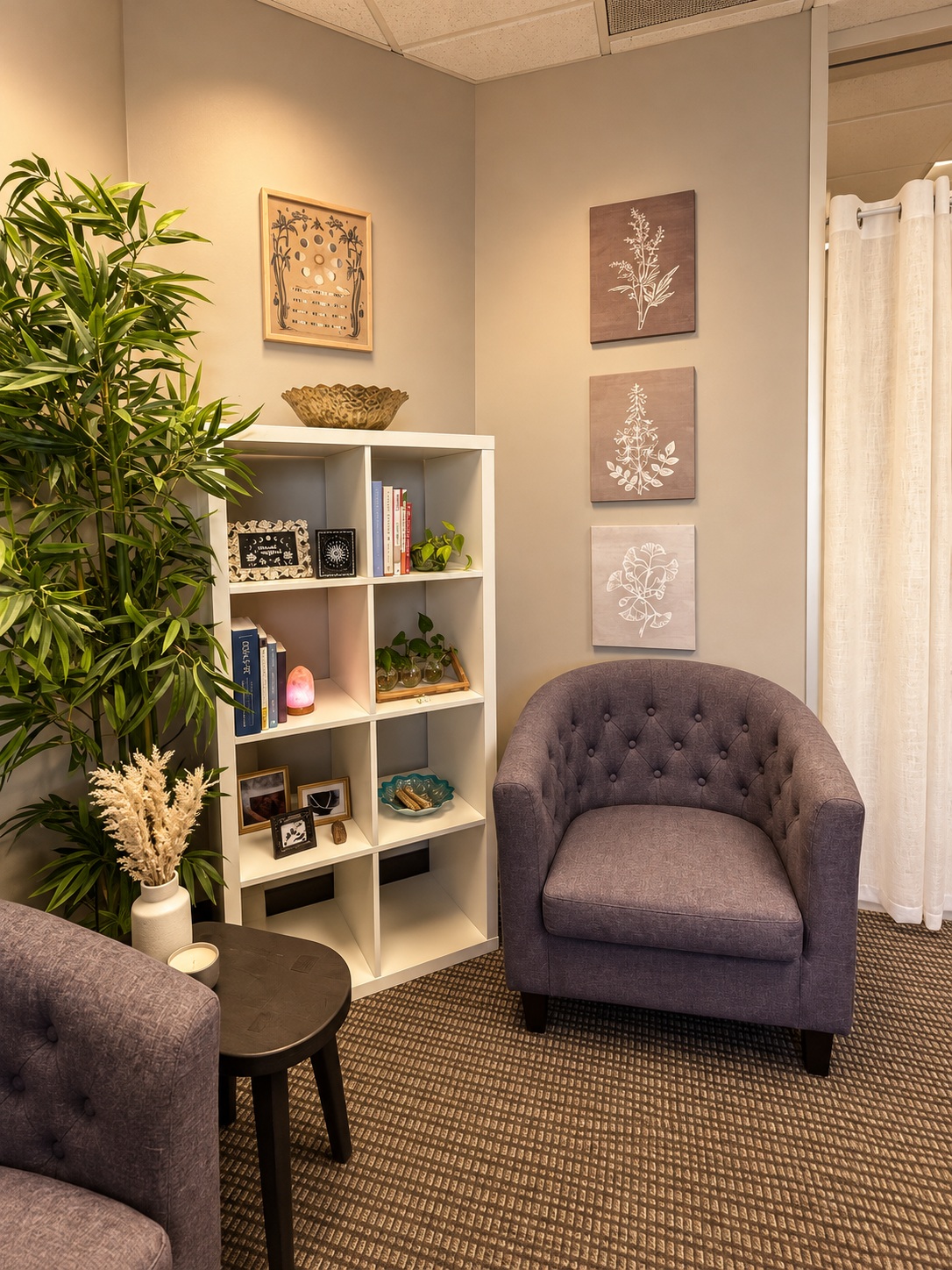
Two upholstered chairs and a bookshelf in a Women’s Recovery office

Common questions

Explore communities we serve and avoidant personality disorder for related guidance. Call admissions when you want to discuss your own situation.

Call Admissions
01 How is dependent personality disorder diagnosed?

Education can help you name patterns, but diagnosis requires a qualified clinician to consider how long they have lasted, how widely they affect your life, and whether anxiety, depression, trauma, substance use, or another condition better explains them. An assessment should leave room for your perspective and questions.

02 When should I seek help for dependency-related concerns?

Consider support when fear of disapproval, difficulty acting independently, or relationship distress repeatedly limits your choices or well-being. You do not need to wait for a crisis or feel certain about a diagnosis. A conversation with a mental health professional can clarify what you are experiencing and what care may fit.

03 What can treatment help me work on?

Treatment should respond to your particular needs rather than reducing you to a label. It may help you understand recurring relationship patterns, strengthen decision-making, manage accompanying anxiety or depression, and practice greater independence at a workable pace. The right approach depends on a careful assessment and your goals.

04 Where are Women’s Recovery's publicly listed Denver contact details for someone researching dependent personality disorder?

Women’s Recovery's public contact page lists the Denver location at 3801 E Florida Ave, Ste 650, Denver, CO 80210, with the phone number 833.754.0554. These details establish only the published address and contact number. They do not independently establish licensing, accreditation, treatment availability, eligibility, schedules, outcomes, or information about another facility.

05 What crisis options does Denver publish for someone concerned about dependent personality disorder?

The City and County of Denver directs people seeking immediate mental-health, substance-use, or emotional support to call or text 988. It directs life-threatening emergencies to 911. This is published crisis information, not routine treatment, a guaranteed response, or evidence of affiliation with Women’s Recovery. Use 988 for the stated support and 911 for life-threatening emergencies.

If you can't believe that yet, borrow my hope. Just long enough to find your own.

Women’s Recovery graduate

Start with one conversation. Tell us what you're carrying. We'll walk you through the next step and verify your benefits.