






Denver's women-only program for mental health, trauma and substance use.Call Admissions 833.754.0554
Call 833.754.0554Verify Insurance

Divorce and major life transition distress for women in Denver, CO

Your symptoms made sense. We treat what they were managing.

If you’re living with divorce and major life transition distress, you don’t need a substance use diagnosis to begin. Healing begins in our Partial Hospitalization Program: a full day of care, and home every night.

There is no single correct way to feel or move forward, and you can consider support at your own pace.

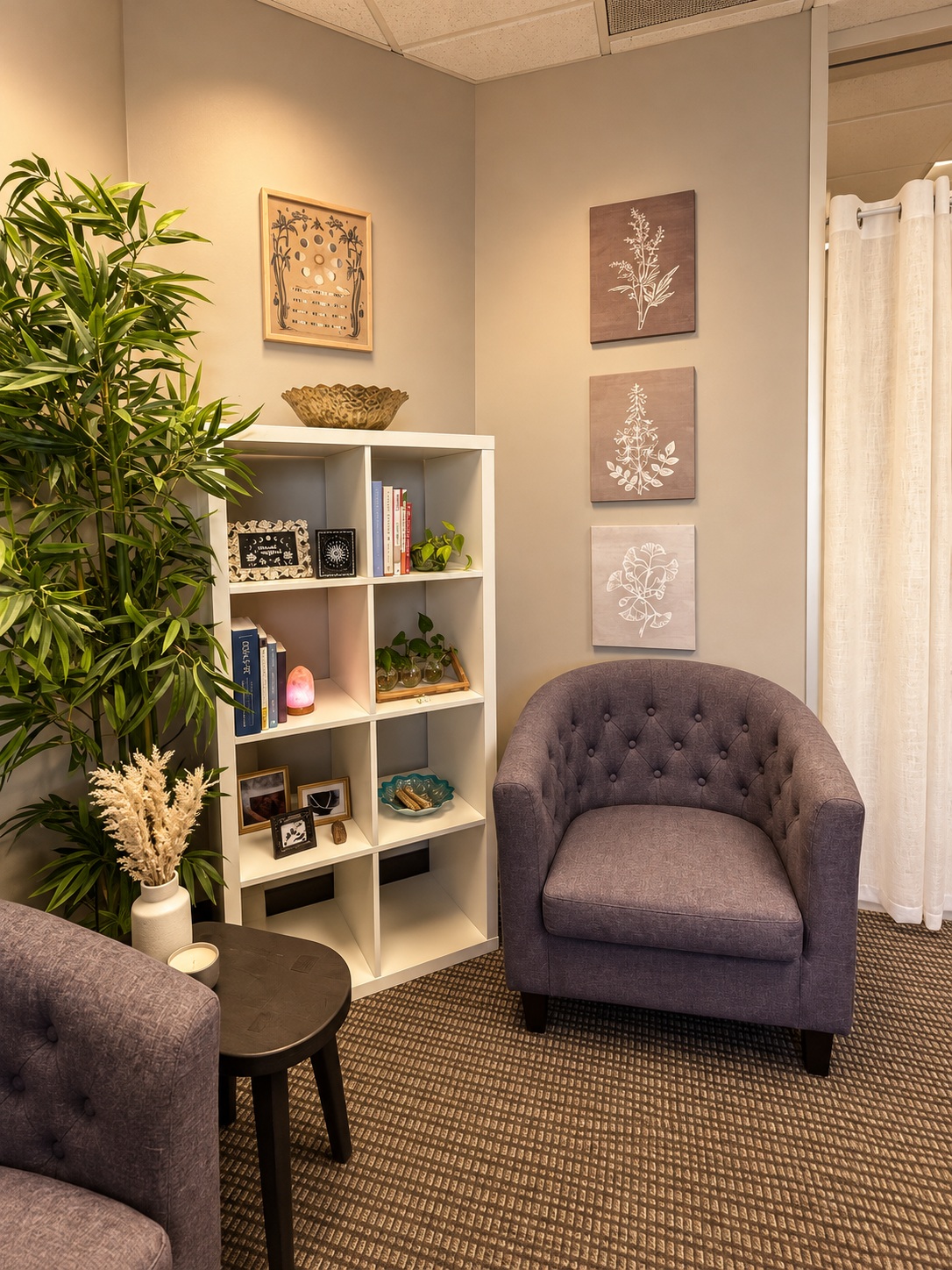
Two upholstered chairs and a bookshelf in a Women’s Recovery office

A look at our space

These are rooms at our Denver office. You spend the day here, and you go home at night.

Seating area with a sofa, round table, plants and artwork at Women’s Recovery Lounge with purple chairs, cream sofa and table Lounge with purple chairs and dried flowers Dark sofa and coffee table in a furnished room Plum armchairs beside a window table Entrance to the Belcaro Place building with the number 3801 above the doors

How does this official source describe adjustment disorder?

For women researching divorce and major life-transition distress, MedlinePlus describes adjustment disorder as a group of symptoms that can occur after a stressful life event. Examples in the source include stress, anxiety, feeling sad or hopeless, and physical symptoms. The Denver location page provides separate local navigation.

Supporting guidance: Adjustment disorder: MedlinePlus Medical Encyclopedia

Dark sofa and coffee table in a furnished room

How long does it take to recover from a divorce?

There is no fixed recovery timeline. Divorce and major life-transition distress can give you space to understand what is changing and what is affecting daily life. Related grief and adjustment support for women and grief and bereavement support for women can provide helpful context.

What shapes length
Recovery may unfold unevenly because divorce can involve several losses at once, including companionship, familiar routines, financial expectations, a home, shared friendships, or an imagined future. Some days may feel manageable while a conversation, anniversary, legal step, or family change makes the distress feel immediate again. Fluctuation does not mean you are moving backward. What matters is whether your reactions are easing over time and whether you can participate in the parts of life that matter to you.
Daily life factors
A useful clinical conversation looks beyond how many weeks or months have passed. It considers the intensity of your feelings, changes in sleep or concentration, withdrawal from people, difficulty meeting responsibilities, and any reliance on substances to get through the day. These signs are not a diagnosis by themselves. They help clarify whether you may benefit from care and what kind of attention could support your functioning, safety, and choices now.

How can you survive divorce after 30 years of marriage?

After a long marriage, the transition may touch nearly every part of your daily life and sense of identity. Adjustment disorder support for women may be relevant when the response disrupts functioning, while prolonged grief disorder support for women addresses a different pattern that requires careful assessment.

01

A long-term marriage often organizes routines, relationships, plans, responsibilities, and practical decisions.

Its ending can leave you grieving what happened while also facing unfamiliar choices about how to spend time, relate to family, or imagine the future. You may feel sorrow and relief together, or move between confidence and fear. Care can provide a steady place to sort through these reactions without pressuring you to adopt a particular story about the marriage.

02

Support can also focus on restoring daily stability while emotional adjustment continues.

Regular meals, sleep opportunities, movement, manageable responsibilities, and contact with trustworthy people can create structure when life feels unsettled. These steps are not a test of resilience or a substitute for care. They can reduce avoidable strain and make it easier to notice which concerns remain disruptive enough to discuss with a mental health professional.

Dark sofa with patterned pillows and a glass table

How do you restart life after divorce?

Restarting can begin with one area of life rather than a complete reinvention. Clear guidance about divorce and major life-transition distress may include distinguishing current needs from longer-term hopes. Grief and adjustment support for women and admissions at Women’s Recovery offer relevant next steps.

01

It may help to think in terms of rebuilding capacity rather than quickly creating a new identity.

A first goal might be keeping a basic routine, reconnecting with one safe person, returning to an activity that feels meaningful, or making your living space feel more settled. Small choices can restore agency when many decisions have been shaped by legal, family, or financial pressures. You remain free to decide which relationships, roles, and priorities still fit.

02

Emotional recovery and practical decisions do not always progress at the same speed.

You might handle paperwork effectively while feeling numb, or feel emotionally clearer while struggling with concentration and ordinary tasks. Support can help you recognize these differences and decide where care would be most useful. If symptoms are interfering with work, family, or social life, a focused mental health conversation can help you understand the concern rather than simply pushing through it.

What should a woman expect from outpatient treatment in Denver?

women’s treatment programs may involve appointments followed by a return home the same day. You can also review admissions information when deciding whether a conversation about outpatient care feels helpful.

  1. 01

    Outpatient treatment can range from standard appointments that let you return home the same day to an Intensive Outpatient Program (IOP) with more coordinated support

  2. 02

    Inpatient or partial-hospitalization care provides a higher level of structure when appropriate

  3. 03

    The right level depends on your needs, stability, and recovery goals

  4. 04

    Appropriate care can give you meaningful support while respecting your daily responsibilities and supportive relationships whenever possible

Plum armchairs beside a window table

Common questions

Explore grief and bereavement and prolonged grief disorder for related guidance. Call admissions when you want to discuss your own situation.

Call Admissions
01 When should I seek support for distress after divorce?

Divorce-related distress can affect concentration, sleep, appetite, motivation, relationships, and your ability to manage ordinary responsibilities. Consider seeking support when these changes persist, feel increasingly difficult, or interfere with work, family, or social life. You do not need to wait until you feel completely overwhelmed.

02 Is divorce distress the same as grief or an adjustment disorder?

They can overlap, but they are not automatically the same experience. Grief may center on the loss of a relationship, shared future, identity, or community. Adjustment difficulties may involve broader emotional or behavioral responses to the life change. A qualified professional can explore your symptoms, timing, and daily functioning with you.

03 What reactions are common during a major life transition?

Major transitions can bring sadness, anger, relief, fear, numbness, loneliness, or conflicting feelings. You may also notice disrupted routines, difficulty concentrating, withdrawing from others, or trouble completing daily tasks. These reactions deserve attention when they are persistent, intense, or interfering with the life you want to lead.

04 Where are Women’s Recovery's publicly listed Denver contact details for someone researching divorce and major life-transition distress?

Women’s Recovery’s public contact page lists its Denver location at 3801 E Florida Ave, Ste 650, Denver, CO 80210, with the phone number 833.754.0554. These details establish only the publicly listed address and contact number. They do not independently establish licensing, accreditation, treatment availability, eligibility, schedules, outcomes, or any other facility.

05 What crisis options does Denver publish for someone concerned about divorce and major life-transition distress?

The City and County of Denver directs people seeking immediate mental-health, substance-use, or emotional support to call or text 988. For life-threatening emergencies, Denver directs people to 911. This is crisis information, not routine treatment, a guaranteed response, or an affiliation with Women’s Recovery. The distinction between 988 support and 911 emergencies remains important.

If you can't believe that yet, borrow my hope. Just long enough to find your own.

Women’s Recovery graduate

Start with one conversation. Tell us what you're carrying. We'll walk you through the next step and verify your benefits.