







Denver's women-only program for mental health, trauma and substance use.Call Admissions 833.754.0554
Call 833.754.0554Verify Insurance

Seasonal depression care for women in Denver, CO

Your symptoms made sense. We treat what they were managing.

If you’re living with seasonal depression care, you don’t need a substance use diagnosis to begin. Healing begins in our Partial Hospitalization Program: a full day of care, and home every night.

You deserve to be heard without pressure, shame, or assumptions about what you should choose.

Lounge with purple chairs and dried flowers

A look at our space

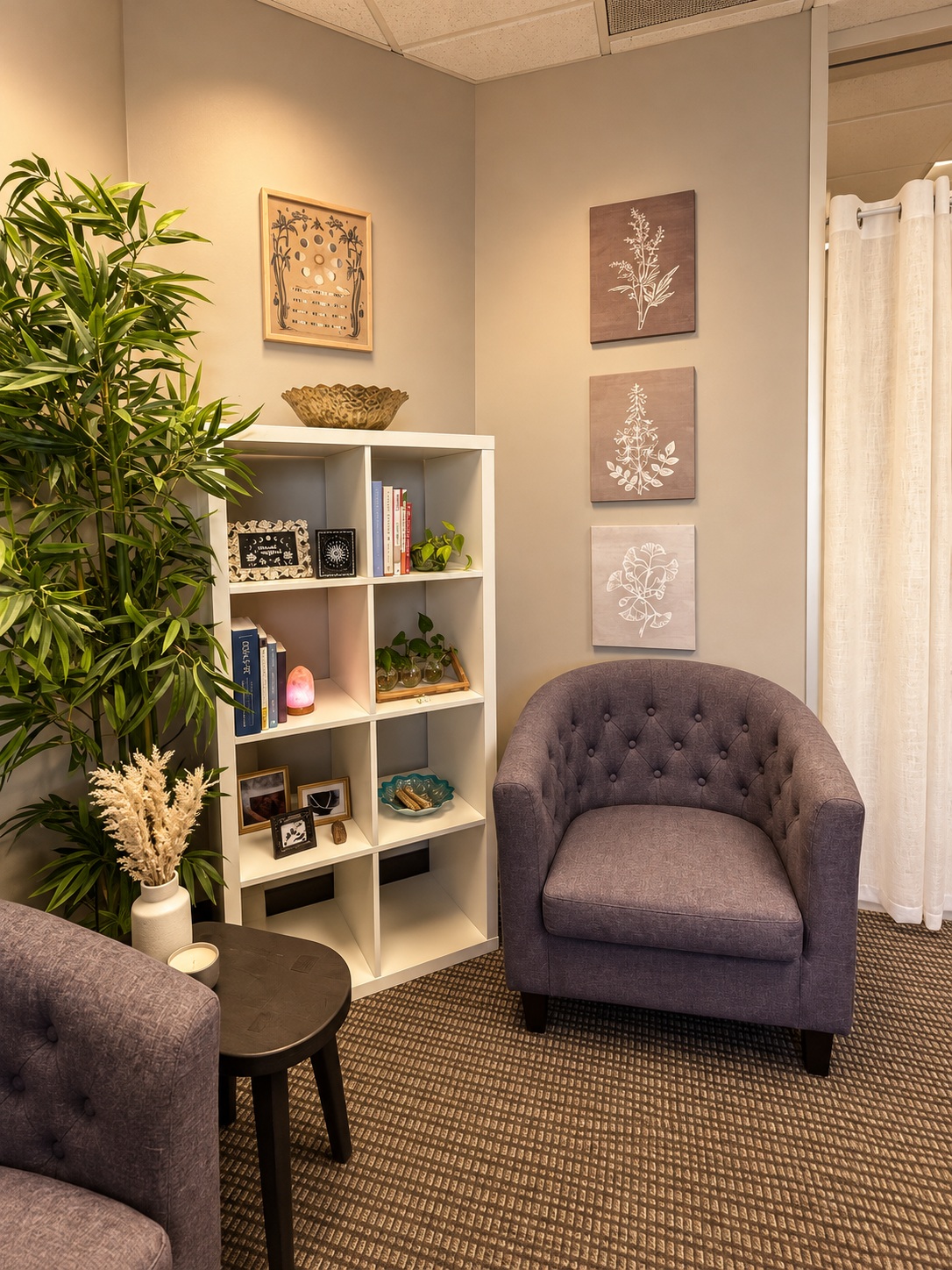
These are rooms at our Denver office. You spend the day here, and you go home at night.

Seating area with a sofa, round table, plants and artwork at Women’s Recovery Lounge with purple chairs, cream sofa and table Lounge with purple chairs and dried flowers Dark sofa and coffee table in a furnished room Plum armchairs beside a window table Entrance to the Belcaro Place building with the number 3801 above the doors

How does this official source describe seasonal?

Seasonal affective disorder, commonly abbreviated SAD, is a type of depression that comes and goes with the seasons. This is the specific educational fact supplied by the official source. Explore seasonal depression and view the published contact information.

Supporting guidance: Seasonal Affective Disorder: MedlinePlus

Plum chairs, table and flower painting

How can you help someone with seasonal depression?

Seasonal depression begins with listening, noticing changes in daily functioning, and respecting her choices. Learning about depression support for women can provide context, while contacting Women’s Recovery offers a private, opportunity to discuss what she has been experiencing and what support may feel acceptable.

01

How can you help someone with seasonal depression?

If someone you love seems persistently sad, withdrawn, exhausted, or unable to manage routines during a particular season, take the change seriously without deciding what it means for her. Depression can affect thoughts, emotions, sleep, eating, work, and other daily activities. Tell her what you have noticed with care, listen without arguing, and avoid making her responsible for reassuring you. Your steady presence can make it easier for her to speak honestly about what is happening.
02

Useful help can be practical and collaborative.

You might offer companionship, reduce an immediate burden, or support her decision to speak with a professional, while allowing her to decide what involvement she wants from you. Avoid presenting relocation, supplements, medication, or lifestyle changes as simple fixes. If she may harm herself or cannot remain safe, call 911 or the 988 Suicide & Crisis Lifeline. Otherwise, a calm conversation can be a meaningful first step toward appropriate care.

Can Wellbutrin be effective for seasonal affective disorder?

Wellbutrin is a brand name for bupropion, a medication that may be considered in care for seasonal affective disorder, but whether it is appropriate depends on your health and clinical history. Broader information about major depressive disorder support for women and admissions at Women’s Recovery can help you explore suitable next steps.

01

Medication is not a one-size-fits-all decision.

A treating prescriber can consider the timing and severity of your symptoms, other physical or mental health conditions, medicines you already take, previous responses to treatment, and possible risks. Keep decisions about starting, stopping, or changing bupropion with that prescriber. A careful evaluation also matters because seasonal timing alone does not show whether depression, another health issue, or several overlapping factors best explain what you are experiencing.

02

Appropriate depression care may involve more than one form of support, depending on your needs and preferences.

A conversation can examine how mood changes affect sleep, eating, concentration, relationships, caregiving, work, and your ability to complete ordinary tasks. It can also distinguish a recurring seasonal pattern from symptoms that continue throughout the year. You deserve an explanation of the available options that is understandable and gives you meaningful room to participate in decisions about your care.

Seating area with a sofa, round table, plants and artwork at Women’s Recovery

Are some places better to live when you have seasonal depression?

There is no single best place to live for everyone experiencing seasonal depression. Climate and seasonal light may matter to some people, but moving is a major personal decision rather than a universal treatment. Exploring persistent depressive disorder support for women and recurrent depression support for women can clarify why duration and repetition deserve attention.

01

Before treating geography as the answer, consider the full effect of your surroundings and circumstances.

Work demands, financial strain, housing stability, relationships, physical health, isolation, caregiving, and access to trusted support can all shape daily well-being. Depression can involve biological, psychological, genetic, and environmental factors, so changing one environmental feature may not resolve the whole concern. Care can help you understand which influences seem most relevant instead of asking you to reorganize your life around a single explanation.

02

You can seek Seasonal depression Support information in Denver without first deciding to relocate or proving that weather causes your symptoms.

A clinical conversation can explore when changes begin and end, whether they recur, what happens between seasons, and how strongly daily functioning is affected. That distinction is valuable because persistent and recurrent forms of depression may require different consideration. Education can help you recognize a pattern, while diagnosis requires an individualized assessment by a qualified professional.

What should a woman expect from outpatient treatment in Denver?

women’s treatment programs may involve appointments followed by a return home the same day. You can also review admissions information when deciding whether a conversation about outpatient care feels helpful.

  1. 01

    Outpatient treatment can range from standard appointments that let you return home the same day to an Intensive Outpatient Program (IOP) with more coordinated support

  2. 02

    Inpatient or partial-hospitalization care provides a higher level of structure when appropriate

  3. 03

    The right level depends on your needs, stability, and recovery goals

  4. 04

    Appropriate care can give you meaningful support while respecting your daily responsibilities and supportive relationships whenever possible

Two upholstered chairs and a bookshelf in a Women’s Recovery office

Common questions

Explore care at our Denver location and communities we serve for related guidance. Call admissions when you want to discuss your own situation.

Call Admissions
01 What can seasonal depression feel like?

Seasonal depression often involves mood and daily-function changes that return during a particular part of the year. You might notice persistent sadness, low energy, disrupted sleep or eating, difficulty concentrating, or reduced interest in usual activities. A qualified clinician can determine whether these experiences reflect depression or another concern.

02 When should I seek help for seasonal mood changes?

Consider talking with a professional when changes in mood, sleep, appetite, concentration, motivation, or work are persistent or interfere with daily life. You do not need to wait until everything feels unmanageable. An earlier conversation can clarify what you are experiencing and identify care that fits your needs.

03 How do I know whether my symptoms follow a seasonal pattern?

Track whether the changes appear during a similar season, how long they last, and how they affect everyday functioning. This pattern can offer useful context, but it cannot confirm a diagnosis by itself. Depression can overlap with medical conditions, life stress, pregnancy-related changes, chronic pain, and other mental health concerns.

04 Where are Women’s Recovery's publicly listed Denver contact details for someone researching seasonal depression?

Women’s Recovery’s public contact page lists its Denver location at 3801 E Florida Ave, Ste 650, Denver, CO 80210, with the phone number 833.754.0554. These details establish only the published address and contact number. They do not independently establish licensing, accreditation, treatment availability, eligibility, schedules, outcomes, or any other facility.

05 What crisis options does Denver publish for someone concerned about seasonal depression?

The City and County of Denver directs people seeking immediate mental-health, substance-use, or emotional support to call or text 988. It directs people facing life-threatening emergencies to call 911. This published crisis information is distinct from routine treatment, does not guarantee a response, and does not indicate any affiliation with Women’s Recovery.

If you can't believe that yet, borrow my hope. Just long enough to find your own.

Women’s Recovery graduate

Start with one conversation. Tell us what you're carrying. We'll walk you through the next step and verify your benefits.