




Denver's women-only program for mental health, trauma and substance use.Call Admissions 833.754.0554
Call 833.754.0554Verify Insurance

Salvia use and outpatient care for women from Centennial

Your symptoms made sense. We treat what they were managing.

Outpatient care is where you go once the foundation is in place. You stay in your life, and the work continues. Start with one conversation. You don’t have to have it all named. Women from Centennial start at our Denver program.

You do not need to settle on a label or treatment plan when you contact the Denver team.

For residents of Centennial, CO. Women’s Recovery lists its physical location in Denver, CO.

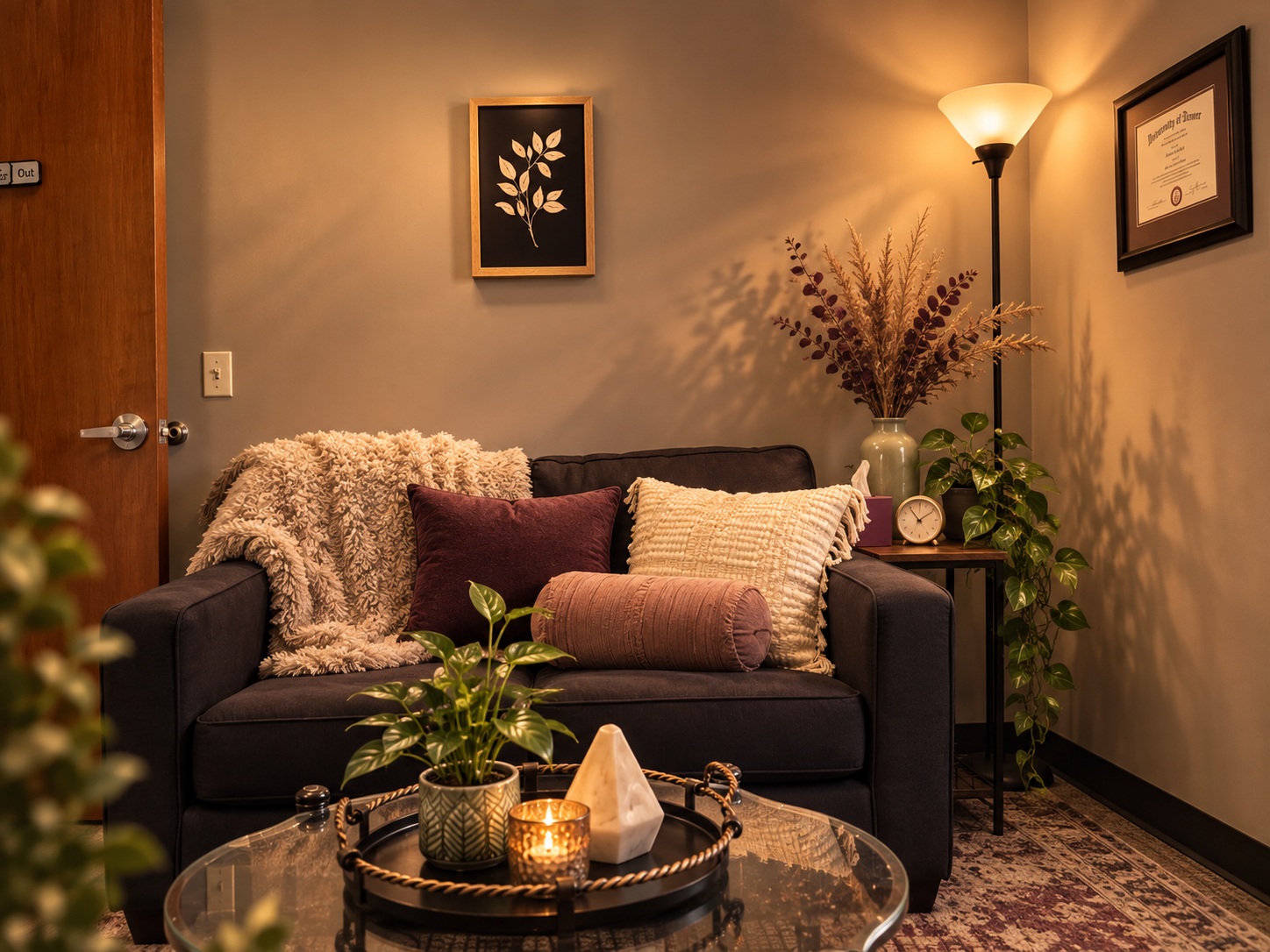
Seating area with a sofa, round table, plants and artwork at Women’s Recovery

A look at our space

These are rooms at our Denver office. You spend the day here, and you go home at night.

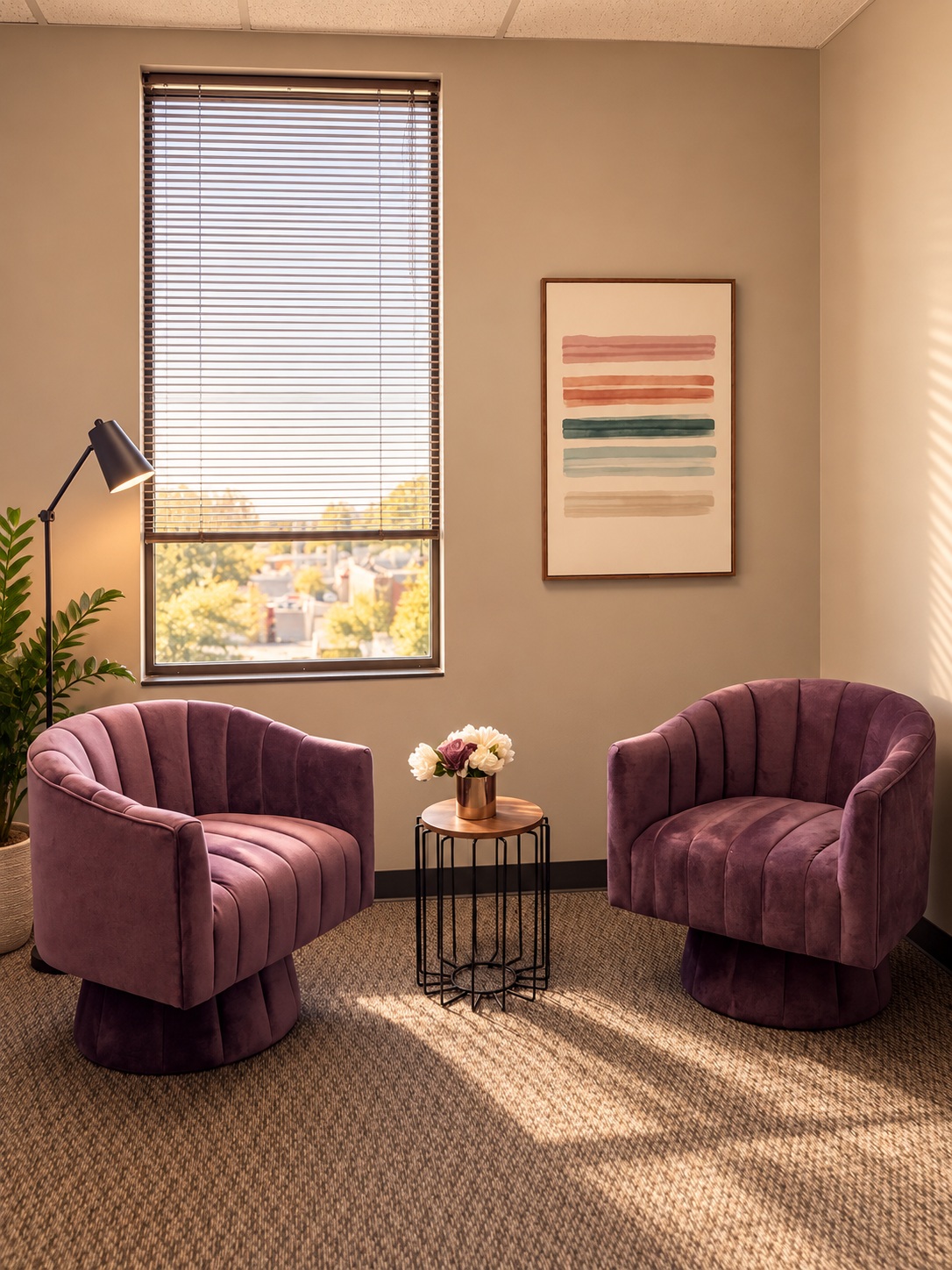
Seating area with a sofa, round table, plants and artwork at Women’s Recovery Lounge with purple chairs, cream sofa and table Lounge with purple chairs and dried flowers Dark sofa and coffee table in a furnished room Plum armchairs beside a window table Entrance to the Belcaro Place building with the number 3801 above the doors

Is salvia addictive?

Salvia’s effects have not been well studied and may be difficult to predict, so its addiction risk is not firmly established. Salvia and Outpatient Addiction Treatment Guidance can place supportive care in context, while Women’s Recovery support from Centennial, CO can help you begin a private conversation about concerning use without blame or pressure.

Supporting guidance: Drugs A to Z | National Institute on Drug Abuse (NIDA) Treatment Types for Mental Health, Drugs and Alcohol | SAMHSA

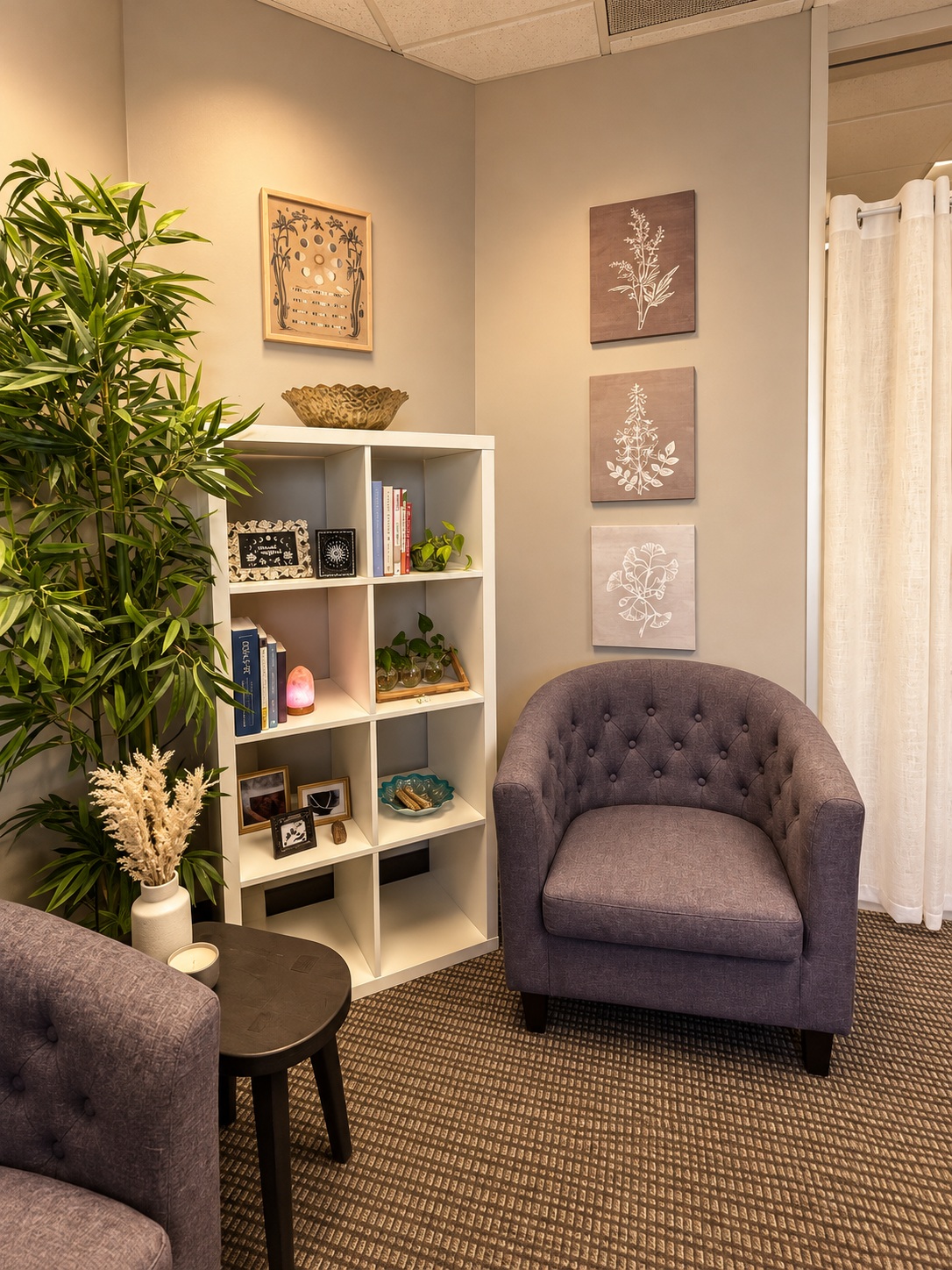
Two upholstered chairs and a bookshelf in a Women’s Recovery office

Is salvia addictive?

Research is too limited to define salvia’s addiction risk clearly, but concerning use still deserves attention. Salvia treatment guidance and broader information about psychedelic and other hallucinogenic substances can help you understand why unpredictable effects and changes in daily life matter when considering salvia and outpatient treatment guidance for women in Denver.

01

Salvia divinorum is a plant whose active ingredient is salvinorin A.

It is different from ornamental salvias, sage, and chia. Very little scientific research has examined salvia, and its effects may be difficult to predict. This uncertainty means it is not responsible to make a firm claim about whether you or someone you love has an addiction based only on salvia use. A thoughtful assessment can instead focus on actual patterns, consequences, distress, and current safety.

02

Addiction and physical dependence are not interchangeable terms.

The available information does not establish a clear salvia-specific dependence or withdrawal profile. Treatment does not require you to prove either one before your concerns count. Substance use care commonly aims to change thoughts and behaviors and, when relevant, manage physical dependence. Individual care may consider frequency and context of use, difficulty changing, effects on functioning, other substance use, mental health, and whether salvia’s unpredictable effects have created danger or distress.

What can outpatient treatment care for Salvia involve?

Outpatient care can involve psychotherapy and behavioral support while you continue living at home. Comparing Salvia and Intensive Outpatient Program (IOP) guidance with Salvia and Partial Hospitalization Program guidance can clarify how treatment structures may differ, although your appropriate level of care requires an individual assessment.

01

Psychotherapy, also called talk therapy, aims to help you identify and change troubling emotions, thoughts, and behaviors.

It commonly occurs one-on-one with a licensed mental health professional or with other patients in a group. In salvia-related care, that work may focus on the personal patterns and difficulties surrounding use rather than relying on a single label. Therapy can support symptom relief, stronger daily functioning, and quality of life, with goals tailored to what is affecting you now.

02

Outpatient programs may provide care in person or through telehealth, which can include online or telephone treatment.

This flexibility can reduce access barriers for some people, but convenience is only one consideration. Because salvia’s effects are not well studied and can be unpredictable, care should reflect your present condition and safety needs. Some people need more than one treatment type, and a higher-support setting may be more suitable when symptoms or circumstances are too serious for routine outpatient care.

Dark sofa and coffee table in a furnished room

How can outpatient treatment address Salvia and daily life?

Outpatient treatment can connect concerns about salvia with the emotions, behaviors, relationships, and routines shaping your everyday life. Guidance focused on salvia offers substance-specific context, while information about LSD and treatment can help distinguish salvia from another hallucinogenic substance rather than treating every experience as the same.

01

Daily-life assessment can look at more than whether salvia was used.

Useful areas include changes in mood or behavior, trouble meeting responsibilities, conflict, isolation, impaired judgment, and the situations surrounding use. It can also consider whether other substances or mental health concerns are involved. This broader view matters because psychotherapy is intended to improve functioning and quality of life, not simply change one behavior in isolation. It keeps care connected to the difficulties you actually want help addressing.

02

Outpatient care can provide continuity while you remain engaged with home, work, education, caregiving, and relationships.

That connection may allow therapy to address challenges as they arise in your real environment. It does not automatically make outpatient treatment the safest fit. Salvia’s potentially unpredictable effects, your stability, available support, and ability to participate all matter. Matching treatment intensity to your needs can provide enough structure to make therapeutic work useful while recognizing when additional support is warranted.

What could a woman from Centennial, CO expect when considering outpatient treatment in Denver?

Care for women from Centennial at our Denver program may involve traveling to Denver, CO for appointments and returning home afterward. You can explore treatment programs for women, review location and travel information and consider how outpatient care could fit your daily life.

  1. 01

    Outpatient treatment generally means attending an appointment and leaving the same day rather than staying overnight

  2. 02

    Depending on the type of program, care may include individual appointments, group sessions and opportunities to develop coping skills

  3. 03

    Some outpatient programs provide more frequent or coordinated support than standard visits

  4. 04

    This structure can help you receive meaningful care while continuing to live at home, although the right balance depends on your needs and circumstances

Dark sofa with patterned pillows and a glass table

Common questions

Explore care for women from Centennial at our Denver program and communities we serve for related guidance. Call admissions when you want to discuss your own situation.

Call Admissions
01 How can I tell whether outpatient care may be appropriate?

Outpatient care may fit when you can safely remain at home and participate consistently while managing daily responsibilities. The right level depends on your current symptoms, functioning, substance use, support, and safety needs. More structured care may be appropriate when those needs cannot be managed reliably in an outpatient setting.

02 How can I support a woman I care about?

A loved one can listen calmly, avoid shaming or arguing over labels, and focus on changes in safety, mood, behavior, or daily functioning. Encourage professional support while respecting her choices. Practical, steady involvement can make care feel more approachable, especially when salvia’s effects have been confusing or difficult to predict.

03 Can outpatient treatment take place through telehealth?

Telehealth can make some outpatient care easier to reach when transportation, distance, health, work, or caregiving complicates in-person appointments. It may involve online or telephone contact. Whether it is clinically suitable depends on the person’s needs, safety, access to privacy, and the kind of treatment being provided.

04 What RTD rail information can help orient a woman traveling from Centennial, CO toward Denver, CO?

RTD locates Dry Creek Station at 9450 E Dry Creek Rd in Centennial, CO and identifies it as an E Line station. RTD publishes the E Line endpoints as Union Station and RidgeGate Parkway Station. These records do not establish a complete itinerary, schedule, travel time, accessibility, last-mile option, or Women’s Recovery connection.

05 Which Arapahoe County resources address substance use and mental-health needs?

Arapahoe County links to Colorado LADDERS and OwnPath under substance-use treatment-finding resources and to Colorado Crisis Services for crisis support. For mental-health crises, it directs people to call or text 988 or use 988Colorado.com and also lists AllHealth Network. These listings do not establish eligibility, capacity, county treatment, or Women’s Recovery affiliation.

If you can't believe that yet, borrow my hope. Just long enough to find your own.

Women’s Recovery graduate

Start with one conversation. Tell us what you're carrying. We'll walk you through the next step and verify your benefits.