






Denver's women-only program for mental health, trauma and substance use.Call Admissions 833.754.0554
Call 833.754.0554Verify Insurance

Zolpidem (Ambien) use: information for women from Centennial

Your symptoms made sense. We treat what they were managing.

If zolpidem use or sleep concerns are affecting you or someone you love, it can help to understand the safety warning and your options. Women’s Recovery offers mental-health and trauma-focused care in Denver, with substance-use care when relevant. You do not need a substance-use diagnosis to call.

You can call Women’s Recovery at 833.754.0554 for a private, conversation about your options.

For residents of Centennial, CO. Women’s Recovery lists its physical location in Denver, CO.

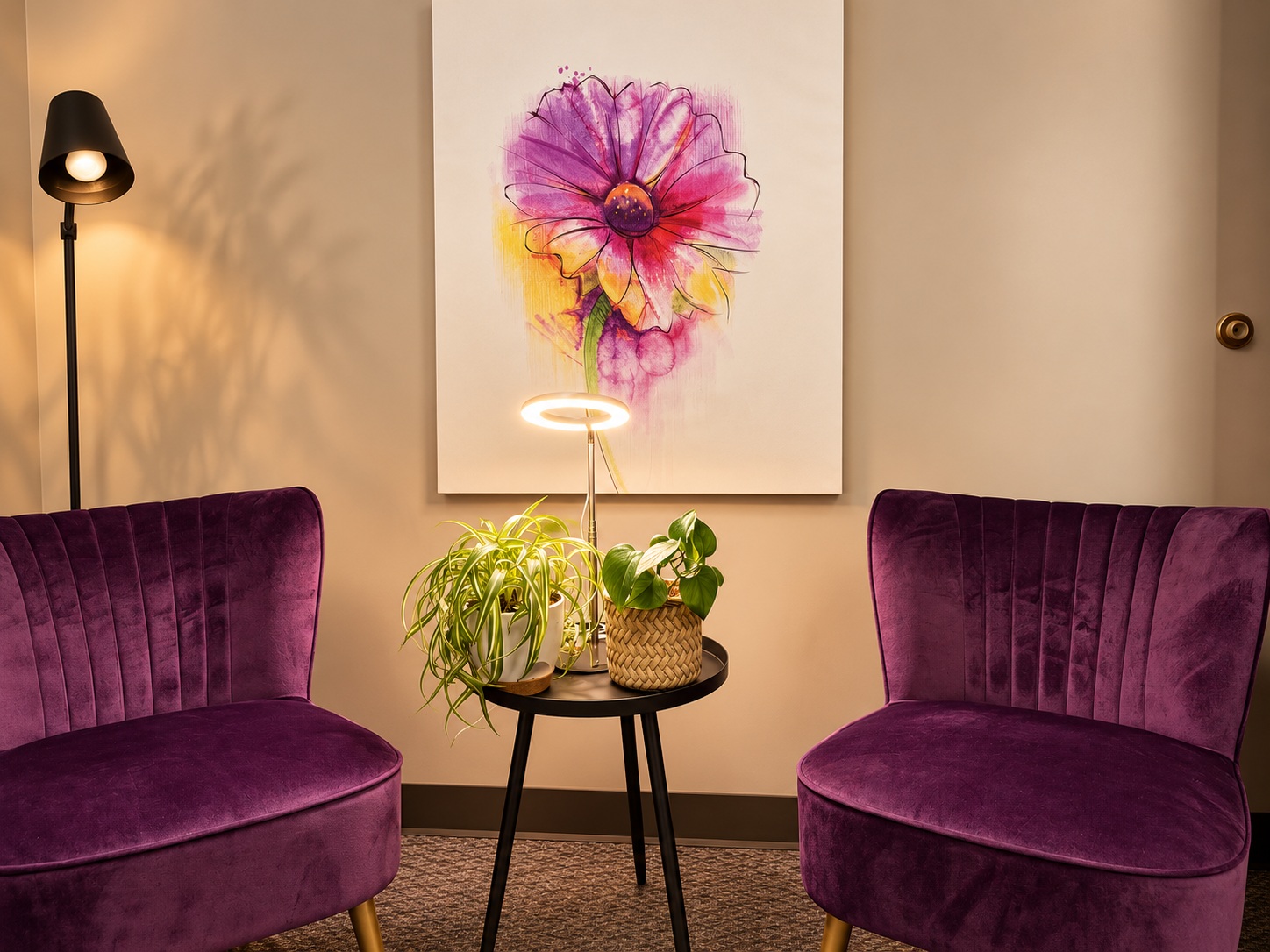
Plum chairs, table and flower painting

A look at our space

These are rooms at our Denver office. You spend the day here, and you go home at night.

Seating area with a sofa, round table, plants and artwork at Women’s Recovery Lounge with purple chairs, cream sofa and table Lounge with purple chairs and dried flowers Dark sofa and coffee table in a furnished room Plum armchairs beside a window table Entrance to the Belcaro Place building with the number 3801 above the doors

What safety warning applies to zolpidem?

The current FDA warning for zolpidem concerns complex sleep behaviors while a person is not fully awake, including sleepwalking, sleep driving, and sleep cooking; serious injuries or death have been reported. If you are reading the Zolpidem (Ambien) addiction, you can also explore our Centennial travel-origin page for context.

Supporting guidance: FDA: Safety questions about Z-drugs for insomnia

Seating area with a sofa, round table, plants and artwork at Women’s Recovery

Why is zolpidem prescribed?

Zolpidem (Ambien) use treatment for women in Denver may become relevant when a medicine prescribed for insomnia begins causing concern. Zolpidem is a prescription sleep medicine, distinct from many over-the-counter products. You can explore broader sleep medication education or learn about zaleplon.

01

Sleep medicines are sometimes used for a short period when someone needs help sleeping.

They do not all belong to the same drug class or carry identical risks. Zolpidem is a prescription medicine, while many over-the-counter sleeping pills contain antihistamines. Understanding that difference helps you focus on the specific medicine involved rather than treating every sleep aid as interchangeable.
02

A prescription can have a legitimate medical purpose and still deserve careful attention.

Taking zolpidem does not by itself mean that you have an addiction. Concern may arise if your relationship with the medication has changed, it feels difficult to control, or its effects are interfering with daily life. Individual questions about why it was prescribed belong with the prescribing clinician.

What side effects can zolpidem cause?

Zolpidem can cause common effects such as drowsiness, tiredness, headache, dizziness, nausea, or problems with balance. More urgent concerns include trouble breathing, swelling, chest pain, and complex sleep behaviors that may cause serious injury. Not everyone experiences these effects, but recognizing them can help you seek appropriate care. To explore different levels of support, review the Intensive Outpatient Program (IOP) information and partial hospitalization information.

01

Common effects are unwanted responses that may include drowsiness, dizziness, headache, nausea, tiredness, or unsteady walking.

Serious effects are different and may require prompt medical attention, particularly trouble breathing or swallowing, facial or throat swelling, chest pain, or a complex sleep behavior that creates an injury risk. Habit-forming potential describes a developing pattern around zolpidem use, not a routine side effect. Experiencing any of these concerns does not by itself establish addiction. Individualized care can clarify what you are experiencing, address immediate safety, and help you consider appropriate support without judgment.

02

A change that feels severe, frightening or dangerous deserves timely medical attention, especially if you are worried about immediate safety.

Less urgent changes can still matter when they affect sleep, responsibilities, relationships or your sense of control. A prescriber can assess medication effects, while substance-use care may help when the central concern is an increasingly difficult pattern of use.

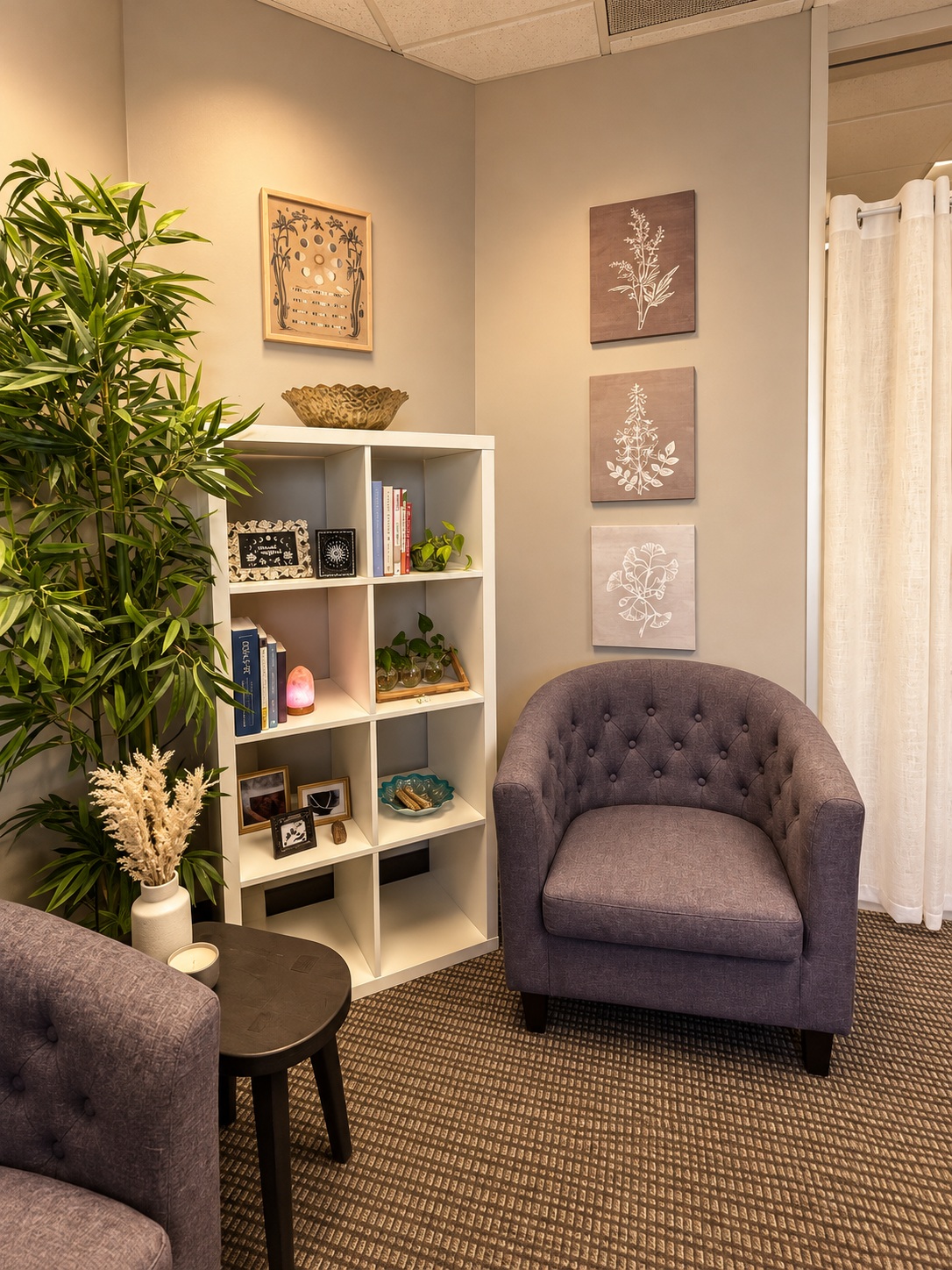
Two upholstered chairs and a bookshelf in a Women’s Recovery office

What treatment and support options may help with zolpidem misuse or addiction?

Support may include medical assessment, substance-use counseling and a level of care suited to your current needs. No single setting is right for everyone. You can consider outpatient care information alongside Intensive Outpatient Program (IOP) information before starting a conversation.

01

Substance-use treatment can take different forms and should respond to the pattern of use, current safety concerns and the support needed in everyday life.

Lower-barrier approaches aim to reduce requirements that may keep someone from entering care. Respectful treatment can address harmful use without reducing you to a label, and it can leave room for your goals and choices.

02

Outpatient care, an Intensive Outpatient Program (IOP) and partial hospitalization are different care categories, not automatic recommendations.

Choosing an appropriate level of care depends on an individualized assessment of your sleep concerns, medication history, health needs, home responsibilities and current risks. The right care can provide practical support that fits your needs while preserving your voice and choice in treatment decisions.

What could a woman from Centennial, CO expect when considering outpatient treatment in Denver?

Care for women from Centennial at our Denver program may involve traveling to Denver, CO for appointments and returning home afterward. You can explore treatment programs for women, review location and travel information and consider how outpatient care could fit your daily life.

  1. 01

    Outpatient treatment generally means attending an appointment and leaving the same day rather than staying overnight

  2. 02

    Depending on the type of program, care may include individual appointments, group sessions and opportunities to develop coping skills

  3. 03

    Some outpatient programs provide more frequent or coordinated support than standard visits

  4. 04

    This structure can help you receive meaningful care while continuing to live at home, although the right balance depends on your needs and circumstances

Dark sofa and coffee table in a furnished room

Common questions

Explore care for women from Centennial at our Denver program and communities we serve for related guidance. Call admissions when you want to discuss your own situation.

Call Admissions
01 Does taking prescribed zolpidem mean I have an addiction?

No. Zolpidem has a legitimate medical purpose, and prescribed use alone does not establish addiction. Because it may be habit forming, changes in control, consequences or your relationship with the medicine deserve attention. A qualified clinician can distinguish medication effects, possible dependence and a harmful use pattern in your circumstances.

02 Are zolpidem and over-the-counter sleeping pills the same?

No. Zolpidem is a prescription sleep medicine. Many over-the-counter sleeping pills contain antihistamines, and the products should not be treated as interchangeable. Their drug classes, effects and risks can differ. Identifying the exact product involved helps ensure that safety information and any care discussion remain relevant to you.

03 What is a complex sleep behavior?

It is an activity performed while a person is not fully awake. Prescription Z-drugs, including zolpidem, carry a warning because these events can result in serious injury or death. The warning identifies a possibility rather than an experience every user will have. Prompt medical help is appropriate when immediate safety is involved.

04 What RTD rail information can help orient a woman traveling from Centennial, CO toward Denver, CO?

For orientation from Centennial, RTD lists Dry Creek Station at 9450 E Dry Creek Rd in Centennial, CO, and says it serves the E Line. RTD publishes the E Line with endpoints at Union Station and RidgeGate Parkway Station. This information can help you identify the rail line, but it does not establish a route to Women’s Recovery.

05 Which Arapahoe County resources address substance use and mental-health needs?

Arapahoe County Public Health links to Colorado LADDERS and OwnPath for finding substance-use treatment and lists AllHealth Network and OwnPath among mental-health resources. For someone in crisis, the county says to call or text 988 or use 988Colorado.com. Those are public resources, separate from Women’s Recovery and its routine admissions contact.

If you can't believe that yet, borrow my hope. Just long enough to find your own.

Women’s Recovery graduate

Start with one conversation. Tell us what you're carrying. We'll walk you through the next step and verify your benefits.