






Denver's women-only program for mental health, trauma and substance use.Call Admissions 833.754.0554
Call 833.754.0554Verify Insurance

Hydrocodone (Vicodin, Norco, Lortab) use: information for women from Centennial

Your symptoms made sense. We treat what they were managing.

Appropriate care can reduce the burden of cravings while supporting mental health, relationships, and everyday stability. Women may explore treatment in Denver through a respectful conversation that protects their autonomy and dignity.

For a next step, call Women’s Recovery at 833.754.0554 to discuss your concerns and possible paths forward.

For residents of Centennial, CO. Women’s Recovery lists its physical location in Denver, CO.

Seating area with a sofa, round table, plants and artwork at Women’s Recovery

A look at our space

These are rooms at our Denver office. You spend the day here, and you go home at night.

Seating area with a sofa, round table, plants and artwork at Women’s Recovery Lounge with purple chairs, cream sofa and table Lounge with purple chairs and dried flowers Dark sofa and coffee table in a furnished room Plum armchairs beside a window table Entrance to the Belcaro Place building with the number 3801 above the doors

What medications may be used in treatment for a woman from Centennial, CO with opioid use disorder?

Hydrocodone (Vicodin, norco, lortab) addiction: Methadone, buprenorphine, and naltrexone are approved options that may reduce opioid use or cravings. Lofexidine may treat acute withdrawal symptoms. A qualified clinician considers health needs and preferences when deciding whether medication fits with outpatient support or a partial hospitalization program. A caring, conversation can support an informed choice.

Supporting guidance: Medications for Opioid Use Disorder

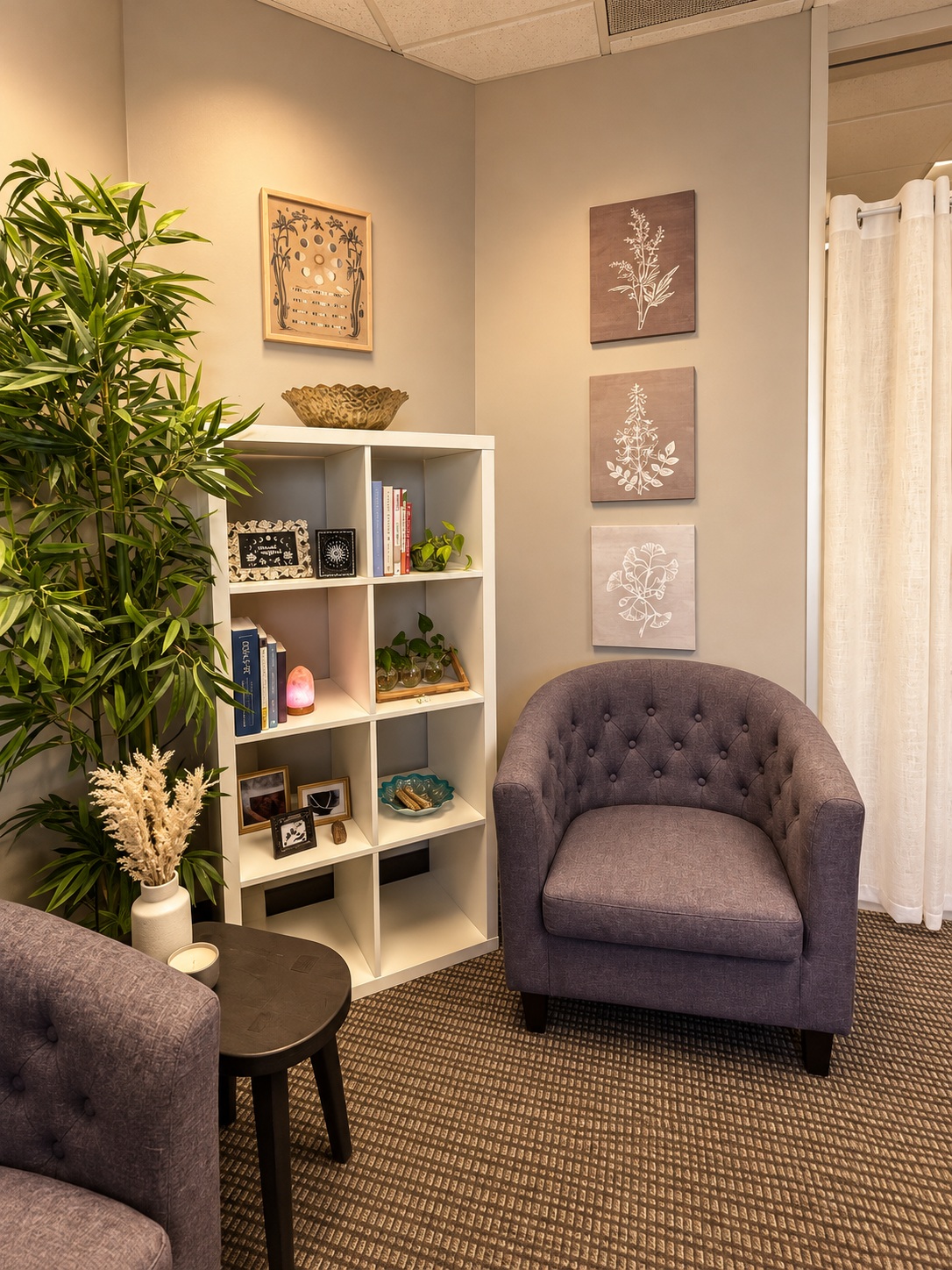
Two upholstered chairs and a bookshelf in a Women’s Recovery office

Is Vicodin an opioid?

Hydrocodone (Vicodin, Norco, Lortab) use treatment for women in Denver addresses a prescription opioid that can become addictive. Vicodin contains hydrocodone, and concerns involving it may be explored through opioid addiction treatment for women or a conversation about hydrocodone outpatient treatment.

01

Hydrocodone is prescribed for pain, but having a prescription does not remove its risks.

Dependence means your body has adapted to a substance and may react when use stops. Addiction involves difficulty controlling use despite harmful effects. They can overlap, but they are not identical. An individualized conversation can consider how you take hydrocodone, what changes you have noticed, and whether use is affecting your health or daily life.

02

You do not need to choose a label before seeking support.

An assessment considers when your concern began, whether you have tried to cut back, how hydrocodone fits into your routines, and whether other prescriptions, substances, physical symptoms, or emotional health concerns are involved. Together, these factors help clarify the type and level of care that may fit your needs.

  • Current medications are an important part of an individual assessment.
  • Pain, sleep, mood, work, caregiving, and relationships can all affect an individualized assessment and help shape care around your needs.

What medications are used in opioid addiction treatment?

Methadone, buprenorphine, and naltrexone are approved medications used to treat opioid use disorder. Lofexidine may treat acute withdrawal symptoms. Medication decisions belong with a qualified prescriber and may be discussed alongside hydrocodone Intensive Outpatient Program (IOP) treatment or hydrocodone Partial Hospitalization Program (PHP) treatment.

01

These medications work in different ways.

Methadone and buprenorphine can reduce withdrawal symptoms and cravings without producing the same euphoria associated with opioid misuse when used as part of treatment. Naltrexone blocks opioid effects, but beginning it generally requires a period without opioid use, which can make starting more difficult for some people. Your health history, current use, goals, and ability to follow treatment all matter when options are considered.

02

Medication can be one part of care rather than the entire plan.

Depending on the medication, it may help reduce opioid use, withdrawal symptoms, or cravings. Counseling and practical support can help you recognize triggers, respond to cravings, rebuild routines, and address emotional or relationship concerns connected with use. Coordinated follow-up allows care to be reviewed and adjusted through an individual clinical evaluation.

  • Opioid use disorder medications have different roles in reducing use, withdrawal symptoms, or cravings.
  • Discuss all prescriptions, supplements, substances, and health conditions with your prescriber.
Dark sofa and coffee table in a furnished room

How can you help someone who does not want help for opioid use?

You can express concern calmly, listen without arguing, and leave room for her choices. Choose a private time when you can both focus. You may offer to review admissions at Women’s Recovery together or invite her to contact Women’s Recovery when she feels ready to ask questions.

01

Use specific observations instead of accusations.

You might say that you have noticed missed commitments, changes in mood, or growing worry around prescriptions, then learn what she thinks is happening. Avoid threatening, shaming, or trying to force a confession. She may not respond as you hope during the first conversation. Keeping your words simple and respectful can make it easier for her to return to the subject later.

02

You can also decide what support you are able to give and what boundaries you need.

Offering a ride to an appointment or sitting with her during a phone call may be useful. Covering up consequences, providing money you believe may support opioid use, or taking sole responsibility for her recovery may not be sustainable. Seek support for yourself from a trusted person or professional while continuing to communicate with care.

  • Ask open questions and listen to the answer.
  • Offer one manageable next step rather than demanding an immediate decision.

What could a woman from Centennial, CO expect when considering outpatient treatment in Denver?

Care for women from Centennial at our Denver program may involve traveling to Denver, CO for appointments and returning home afterward. You can explore treatment programs for women, review location and travel information and consider how outpatient care could fit your daily life.

  1. 01

    Outpatient treatment generally means attending an appointment and leaving the same day rather than staying overnight

  2. 02

    Depending on the type of program, care may include individual appointments, group sessions and opportunities to develop coping skills

  3. 03

    Some outpatient programs provide more frequent or coordinated support than standard visits

  4. 04

    This structure can help you receive meaningful care while continuing to live at home, although the right balance depends on your needs and circumstances

Dark sofa with patterned pillows and a glass table

Common questions

Explore care for women from Centennial at our Denver program and communities we serve for related guidance. Call admissions when you want to discuss your own situation.

Call Admissions
01 Can I ask about treatment before deciding whether to begin?

Yes. A first conversation can focus on what concerns you, what you want to change, and what questions you have about care. You do not need to arrive with a diagnosis or a final decision. Call Women’s Recovery at 833.754.0554 to discuss possible next steps without pressure.

02 What does an assessment for hydrocodone concerns consider?

An assessment may consider the hydrocodone products involved, how use has changed, previous efforts to reduce or stop, other substances or prescriptions, and current physical or emotional health concerns. Work, caregiving, transportation, and support at home may also shape the appropriate level of care. You can begin a conversation even if some details are unclear.

03 How is a level of care chosen?

A recommendation should follow an individual assessment of opioid use, withdrawal concerns, physical and emotional health, safety, daily responsibilities, recovery environment, and available support. Outpatient treatment, an Intensive Outpatient Program (IOP), and a Partial Hospitalization Program (PHP) provide different amounts of structure. General information cannot select the right level for you.

04 What RTD rail information can help orient a woman traveling from Centennial, CO toward Denver, CO?

RTD locates Dry Creek Station at 9450 E Dry Creek Rd in Centennial, CO and identifies it as serving the E Line. The published E Line endpoints are Union Station and RidgeGate Parkway Station. This information supports general orientation only, not an itinerary, schedule, travel time, accessibility, or connection to the Denver, CO treatment address.

05 Which Arapahoe County resources address substance use and mental-health needs?

Arapahoe County links to Colorado LADDERS and OwnPath for finding substance-use treatment and to Colorado Crisis Services. For mental-health needs, it directs people in crisis to call or text 988 or use 988Colorado.com and lists AllHealth Network and OwnPath. These are public resources, without guaranteed eligibility, capacity, response, or Women’s Recovery affiliation.

If you can't believe that yet, borrow my hope. Just long enough to find your own.

Women’s Recovery graduate

Start with one conversation. Tell us what you're carrying. We'll walk you through the next step and verify your benefits.