




Denver's women-only program for mental health, trauma and substance use.Call Admissions 833.754.0554
Call 833.754.0554Verify Insurance

Delta-8 cannabinoids use and outpatient care for women from Centennial

Your symptoms made sense. We treat what they were managing.

Outpatient care is where you go once the foundation is in place. You stay in your life, and the work continues. Start with one conversation. You don’t have to have it all named. Women from Centennial start at our Denver program.

You can talk through what has been happening without shame or pressure to make an immediate decision.

For residents of Centennial, CO. Women’s Recovery lists its physical location in Denver, CO.

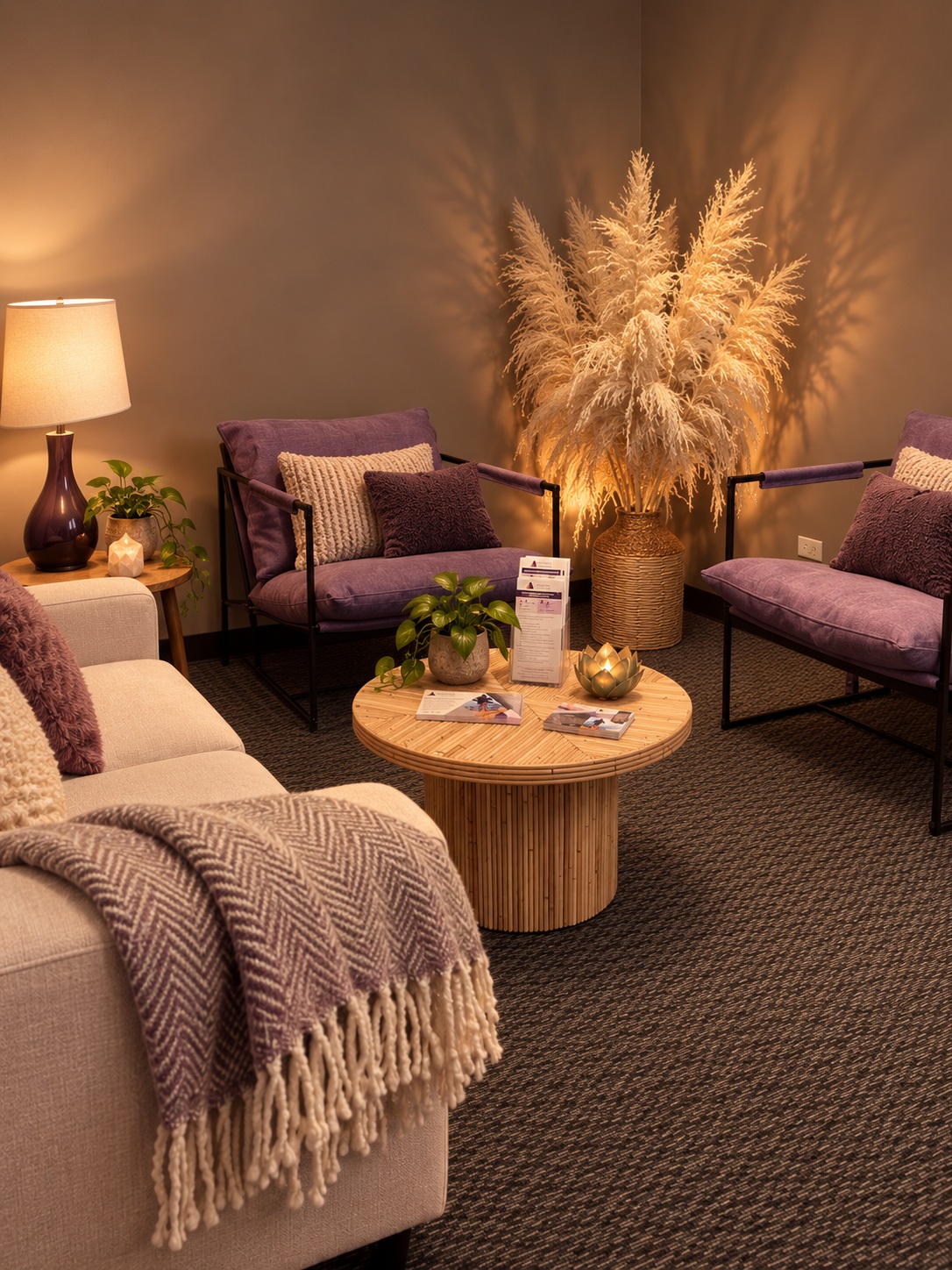
Seating area with a sofa, round table, plants and artwork at Women’s Recovery

A look at our space

These are rooms at our Denver office. You spend the day here, and you go home at night.

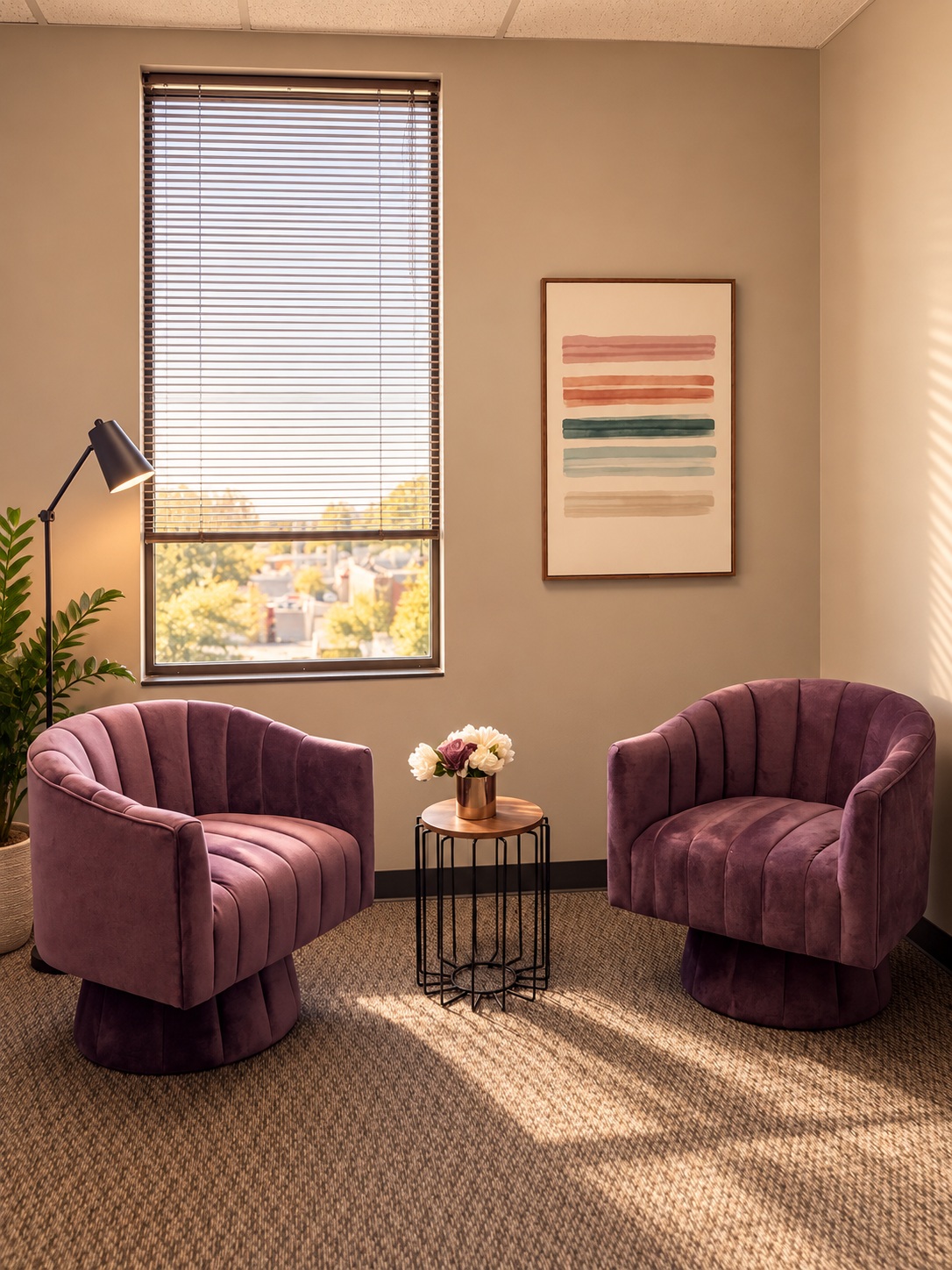
Seating area with a sofa, round table, plants and artwork at Women’s Recovery Lounge with purple chairs, cream sofa and table Lounge with purple chairs and dried flowers Dark sofa and coffee table in a furnished room Plum armchairs beside a window table Entrance to the Belcaro Place building with the number 3801 above the doors

Are synthetic cannabinoids addictive?

Synthetic cannabinoids may become part of a substance use disorder when recurring use is difficult to manage or causes harm. Delta-8 and other intoxicating hemp-derived cannabinoids Outpatient Addiction Treatment includes access to outpatient cannabinoid support and behavioral care. Women from Centennial, CO can discuss their experiences and suitable treatment without judgment or pressure.

Supporting guidance: Drugs A to Z | National Institute on Drug Abuse (NIDA) Treatment Types for Mental Health, Drugs and Alcohol | SAMHSA Treatment Options for Substance Use Disorder | SAMHSA

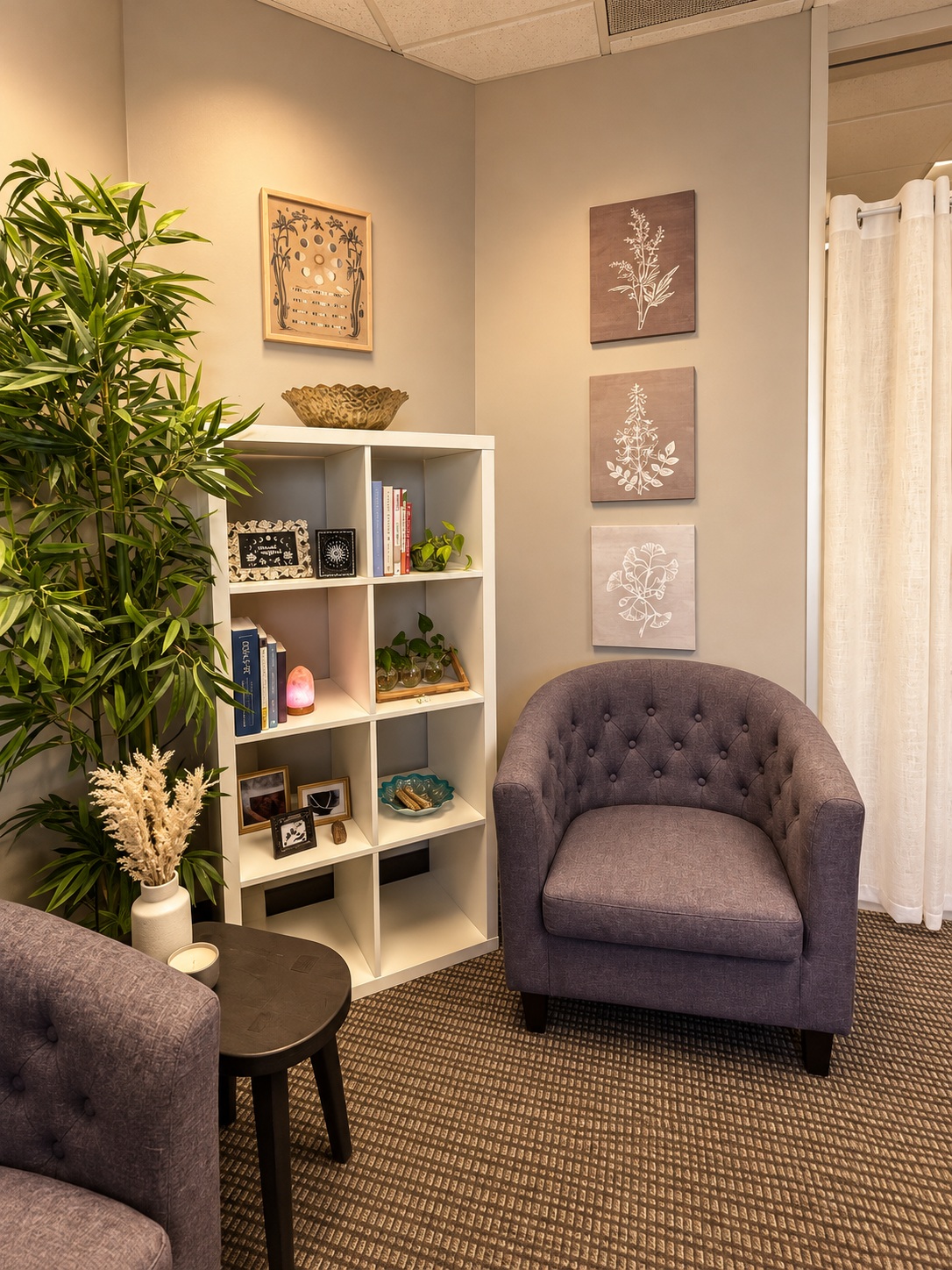
Two upholstered chairs and a bookshelf in a Women’s Recovery office

Are synthetic cannabinoids addictive?

When exploring cannabinoid addiction treatment, it helps to separate product categories. Delta-8 and other intoxicating hemp-derived cannabinoids outpatient treatment for women in Denver can consider your pattern and effects, while information about cannabis and cannabinoids provides broader context.

01

Synthetic cannabinoids are laboratory-made substances that are chemically similar to chemicals in cannabis, but they may have stronger effects and more severe health risks.

That distinction matters because a product marketed as cannabinoid-related may not affect you like cannabis. A careful assessment can focus on what you used, how often, what happened afterward, and whether use has become difficult to change despite consequences.

02

Addiction is not determined by a product name alone.

Treatment assessment can examine changes in thoughts and behavior, possible physical dependence, health effects, and the role use plays in your life. Appropriate care aims to change harmful patterns and, when needed, manage dependence. Medication decisions belong with a treating prescriber and should be tailored to your individual medical needs.

What can outpatient treatment care for Delta-8 and other intoxicating hemp-derived cannabinoids involve?

Outpatient care can involve psychotherapy, behavioral change, and attention to substance-related effects while you continue living at home. Comparing an Intensive Outpatient Program (IOP) with a Partial Hospitalization Program (PHP) can clarify how treatment intensity may differ according to your needs.

01

Psychotherapy, also called talk therapy, helps identify and change troubling emotions, thoughts, and behaviors.

It can take place one-on-one or in a group. For cannabinoid-related concerns, that work may help you understand patterns around use, recognize situations linked with it, and practice different responses. The right treatment plan depends on your needs and medical situation rather than a single standard approach.

02

Outpatient programs may be delivered in person or through telehealth, which can make care easier to reach when travel is difficult.

Outpatient treatment is not automatically the right level for every situation. More serious needs may require a setting with greater structure. An individualized assessment provides value by connecting the intensity and form of care to current health, functioning, and support needs.

Dark sofa and coffee table in a furnished room

How can outpatient treatment address Delta-8 and other intoxicating hemp-derived cannabinoids and daily life?

Outpatient treatment can connect cannabinoid use with emotions, behavior, relationships, and coping at home or work. Learning about THC edibles treatment and broader cannabis and cannabinoid care can help you recognize why product type, effects, and everyday context all matter.

01

Talk therapy can address difficulty coping with situations at home or work, problems interacting with other people, fears, or self-defeating patterns of thinking.

These concerns may overlap with substance use, but treatment does not need to reduce you to one behavior. Looking at the full picture can help you understand what use has been doing for you and where it is creating harm.

02

Tracking emotions and behaviors can build awareness of how they influence each other.

In treatment, this can reveal links among stress, routines, social settings, uncomfortable feelings, and cannabinoid use. The purpose is not surveillance or blame. Greater awareness gives you more opportunities to make deliberate choices, strengthen coping, and work toward changes that fit your priorities and responsibilities.

What could a woman from Centennial, CO expect when considering outpatient treatment in Denver?

Care for women from Centennial at our Denver program may involve traveling to Denver, CO for appointments and returning home afterward. You can explore treatment programs for women, review location and travel information and consider how outpatient care could fit your daily life.

  1. 01

    Outpatient treatment generally means attending an appointment and leaving the same day rather than staying overnight

  2. 02

    Depending on the type of program, care may include individual appointments, group sessions and opportunities to develop coping skills

  3. 03

    Some outpatient programs provide more frequent or coordinated support than standard visits

  4. 04

    This structure can help you receive meaningful care while continuing to live at home, although the right balance depends on your needs and circumstances

Dark sofa with patterned pillows and a glass table

Common questions

Explore care for women from Centennial at our Denver program and communities we serve for related guidance. Call admissions when you want to discuss your own situation.

Call Admissions
01 How do I know whether outpatient care is the right level for me?

Outpatient care can fit when you can safely remain at home while attending treatment, but the right level depends on your needs and medical situation. Some people need more structure, including a Partial Hospitalization Program. An individual assessment can help match treatment intensity to current risks and daily functioning.

02 Are Delta-8 and synthetic cannabinoids the same thing?

No. Delta-8 and synthetic cannabinoids should not be treated as interchangeable. Synthetic cannabinoids are laboratory-made substances chemically similar to cannabis chemicals, and their effects may be stronger and health risks more severe than cannabis. Care should consider the actual products used, their effects, and any uncertainty about ingredients.

03 Can treatment also address stress, anxiety, or relationship concerns?

Outpatient care may address substance use alongside troubling emotions, thoughts, behaviors, relationships, and difficulty coping at home or work. Psychotherapy can be individual or group-based and may be used alongside other treatment. This broader view helps connect cannabinoid use with the circumstances that may sustain it.

04 What RTD rail information can help orient a woman traveling from Centennial, CO toward Denver, CO?

RTD locates Dry Creek Station at 9450 E Dry Creek Rd in Centennial, CO and states that it serves the E Line. The published E Line endpoints are Union Station and RidgeGate Parkway Station. These facts provide rail orientation toward Denver, CO, not an itinerary, schedule, accessibility statement, or facility connection.

05 Which Arapahoe County resources address substance use and mental-health needs?

Arapahoe County Public Health links to Colorado LADDERS and OwnPath for finding substance-use treatment and Colorado Crisis Services for crisis support. For mental-health needs, it directs people in crisis to call or text 988 or use 988Colorado.com and lists AllHealth Network and OwnPath. These listings do not guarantee eligibility, capacity, or affiliation.

If you can't believe that yet, borrow my hope. Just long enough to find your own.

Women’s Recovery graduate

Start with one conversation. Tell us what you're carrying. We'll walk you through the next step and verify your benefits.